Savannah
Overview
The Savannah cat is a large, athletic, and strikingly exotic hybrid breed created by crossing a domestic cat with the African Serval, a wild medium-sized cat native to the savannahs of sub-Saharan Africa. First bred in the 1980s and recognized by TICA in 2001, the Savannah is one of the newest and most distinctive cat breeds in existence, combining the wild appearance of its Serval ancestry with the trainable, social personality of a domestic cat.
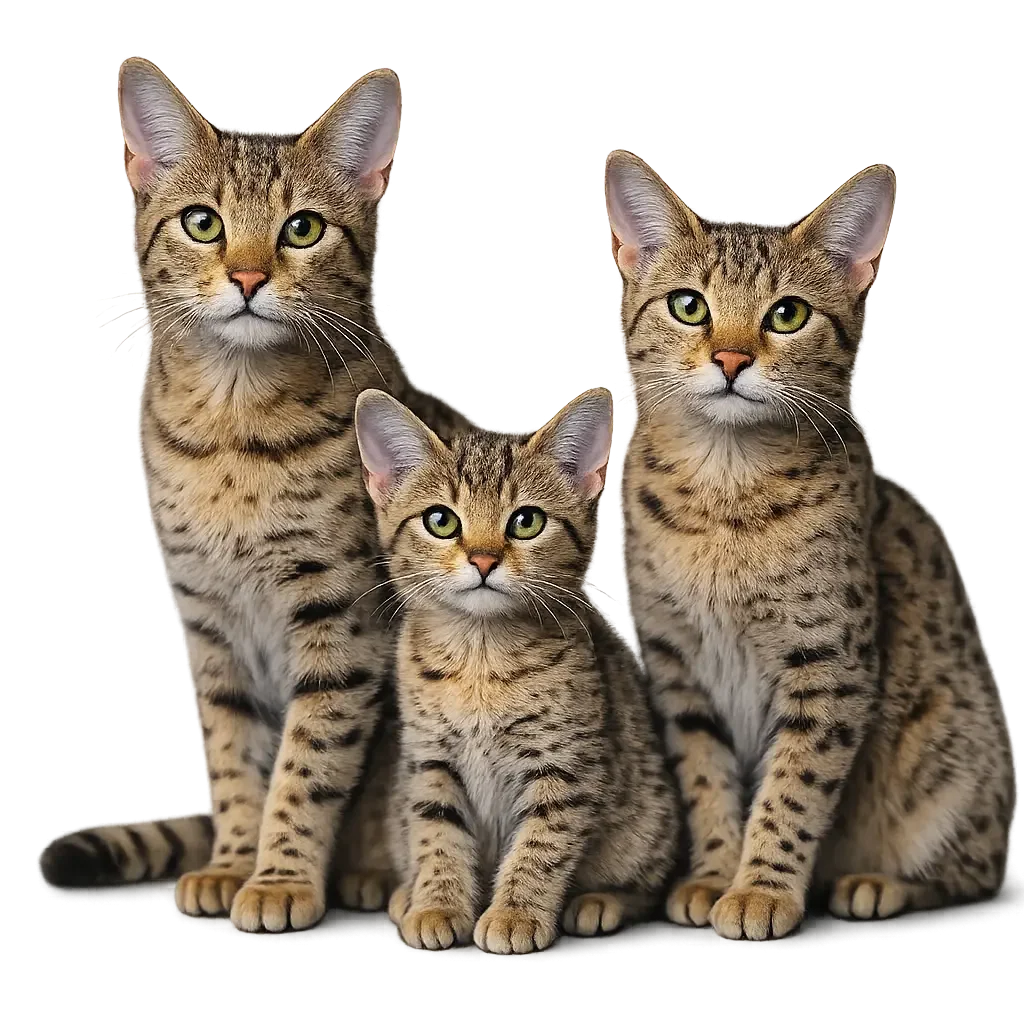
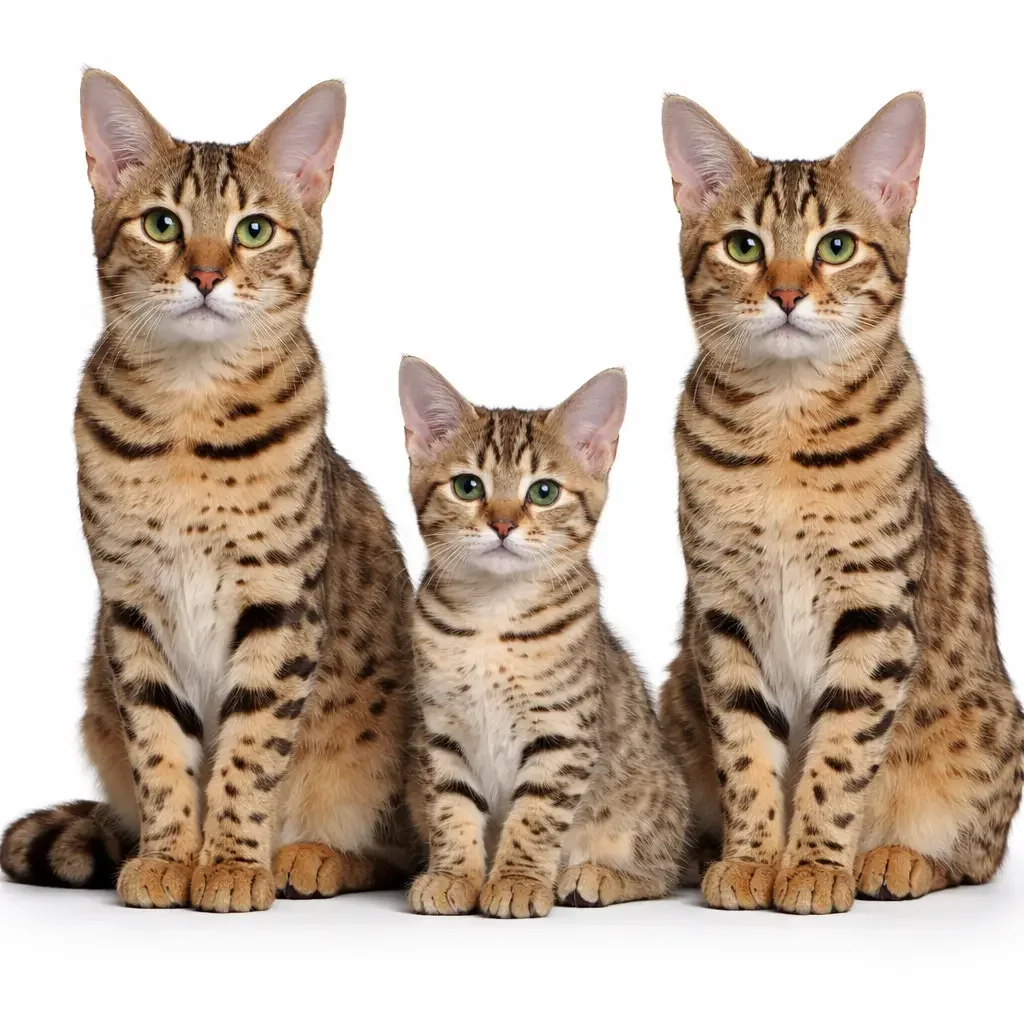
Savannah cats are tall, lean, and powerfully built, with long legs, large ears, and a spotted coat that closely resembles their wild ancestor. They are highly intelligent, intensely curious, and extraordinarily active, often compared more to dogs than to typical domestic cats in their behavior and trainability. They can be leash-trained, taught commands, and will play fetch with enthusiasm.
For homesteaders and farm families, the Savannah offers exceptional athleticism, a strong prey drive, and an alert, fearless temperament. However, they are not a breed for the unprepared. Their energy levels, space requirements, legal restrictions in some states and countries, and significant purchase price make them a serious commitment that demands experienced, dedicated ownership.
Origin and History
Origin: United States
Geographic Area: Developed in North America; Serval ancestry from sub-Saharan Africa
Development: First Savannah kitten produced in 1986 by breeder Judee Frank, who crossed a male Serval with a domestic Siamese
Breed Development: Further developed through the 1990s by breeder Patrick Kelly and Joyce Sroufe; breed standard established with TICA
Recognition: TICA granted full championship status in 2012
Hybrid Generations: Classified by filial generation (F1 through F5+); F1 is closest to the Serval, F5 and beyond are most domestic in behavior
Serval Ancestry: African Serval (Leptailurus serval) is a wild cat known for extraordinary jumping ability and hunting skill
Legal Status: Ownership restricted or banned in several US states including Hawaii, Massachusetts, and Georgia; restricted in many countries; always verify local laws before acquiring
Current Status: Growing in popularity; one of the most sought-after and expensive domestic cat breeds in the world
Name Origin: Named for the African savannah habitat of its Serval ancestor
Physical Characteristics
Size: Large to very large; one of the tallest domestic cat breeds
Weight: Males 12 to 25 lbs depending on generation; F1 males can exceed 25 lbs; Females 8 to 15 lbs
Body Type: Long, lean, and muscular; tall-legged with a deep chest and long neck
Build: Athletic and powerful; built for speed, agility, and jumping
Coat Length: Short
Coat Texture: Slightly coarse; dense and close-lying
Coat Pattern: Bold black or dark brown spots on a golden, tan, or silver background; some solid black and black smoke individuals exist
Coat Colors: Brown spotted tabby, silver spotted tabby, black, and black smoke accepted by TICA
Eye Color: Green, gold, brown, or hazel; hooded brow gives an intense, focused expression
Head: Small in proportion to the body; long and triangular with a flat forehead
Ears: Very large, tall, wide-set, and upright; a defining Serval trait; often have ocelli (eye-like markings) on the back
Legs: Exceptionally long; rear legs longer than front legs; gives a distinctive uphill stance
Paws: Medium, oval, and compact
Tail: Medium length, thick at base, tapering; often carried low
Overall Appearance: Wild, exotic, and athletic; unmistakably distinctive among domestic breeds
Reproduction and Breeding
Sexual Maturity: Females 12 to 18 months; Males 12 to 24 months; later in early generations
Breeding Age: Best to wait until 18 to 24 months; F1 and F2 males are typically infertile
Fertility: F1 and F2 males are almost always sterile due to hybrid genetics; F1 females are fertile; fertility increases with each generation
Heat Cycle: Every 2 to 3 weeks during breeding season
Gestation Period: 63 to 65 days (approximately 9 weeks)
Litter Size: Average 3 to 4 kittens; smaller than typical domestic litters
Birthing: Can be more complicated in early generations; experienced breeder supervision recommended
Kitten Development: Active and bold from an early age; F1 kittens require significant early socialization
Coat Development: Spot pattern visible from birth; intensifies with age
Weaning: 8 to 10 weeks
Breeding Complexity: Producing F1 Savannahs requires access to a male Serval; highly specialized breeding operation
Maturation: Reaches full size at 2 to 3 years; early generations mature more slowly
Lifespan and Health
Average Lifespan: 12 to 20 years; generally a long-lived breed
Health Status: Relatively healthy; fewer hereditary issues than many purebred domestic cats
Primary Health Concern: Hypertrophic cardiomyopathy (HCM); cardiac screening recommended in breeding animals
Anesthesia Sensitivity: Some Savannahs, particularly early generations, may be sensitive to certain anesthetics; inform your veterinarian of the breed before any procedure
Vaccination Note: Some breeders and veterinarians advise against modified live virus vaccines in early generation Savannahs; discuss with a feline-specialist vet
Dietary Sensitivity: Some individuals do poorly on grain-heavy commercial diets; raw or high-meat diets often recommended by breeders
Parasite Control: Regular flea, tick, and intestinal parasite prevention; outdoor access increases exposure risk
Dental Health: Regular dental care recommended
Vaccinations: Standard feline vaccines; discuss protocol with a vet experienced with hybrid breeds
Hardy Constitution: Hybrid vigor in early generations contributes to generally robust health
Veterinary Access: Finding a veterinarian experienced with hybrid cats is strongly recommended, particularly for F1 and F2 individuals
Temperament and Personality
The Savannah cat is unlike any other domestic breed in energy, intelligence, and intensity. They are extraordinarily active, endlessly curious, and highly confident, with a fearless approach to their environment that reflects their wild ancestry. A Savannah will investigate every corner of your property, test every boundary, and find ways into spaces you did not think were accessible.
Their intelligence is exceptional. Savannahs learn quickly, remember routines and people reliably, and can be trained to walk on a leash, come when called, retrieve toys, and perform tricks. Many owners describe them as more dog-like than cat-like in their responsiveness to training and their desire for active engagement with their human family. They do not simply sit and observe; they participate.
Socialization in early life is critical. Well-socialized Savannahs, particularly from F3 generation onward, are affectionate, playful, and deeply bonded to their families. Early generation cats (F1 and F2) can be more reserved with strangers and require experienced handling. All generations do best with owners who are active, present, and genuinely engaged with the cat's needs.
Savannahs get along well with dogs and other cats when properly introduced, but their high prey drive means small animals including birds, hamsters, and rabbits are at risk. They are not well suited to households with very young children due to their size, speed, and energy level. For the right owner, however, the Savannah is one of the most rewarding and engaging cat breeds in existence.
Hunting and Working Ability
Prey Drive: Very high; one of the strongest prey drives of any domestic or hybrid cat breed
Hunting Skills: Exceptional stalker, leaper, and ambush predator; directly inherits Serval hunting technique
Target Prey: Mice, rats, rabbits, birds, lizards, insects, and potentially larger prey in early generations
Hunting Style: High-leap ambush; the Serval is known for leaping vertically to catch birds in flight; Savannahs inherit this ability
Working Ability: Outstanding natural hunter; highly effective on farms and rural properties with significant pest pressure
Size Advantage: Large, powerful build allows tackling prey considerably larger than typical domestic cats can manage
Jumping Ability: Can leap up to 8 feet vertically from a standing position; unmatched among domestic breeds
Territory: Will patrol and hunt extensively across large properties
Stamina: Very high; can sustain active hunting and patrol for extended periods
All-Weather Performance: Short coat limits cold weather performance; best in temperate to warm climates
Alertness: Extraordinarily alert; will detect and respond to movement, sound, and scent with rapid precision
Care and Maintenance
Grooming: Minimal; short, close coat requires only weekly brushing
Coat Care: Low maintenance; natural oils keep the coat clean and sleek
Shedding: Light to moderate year-round; no dramatic seasonal shedding
Bathing: Rarely needed; many Savannahs enjoy water and will tolerate or seek out bathing
Nail Trimming: Every 2 to 3 weeks; large, strong claws require consistent attention
Dental Care: Weekly tooth brushing recommended
Feeding: High-quality, high-protein diet; raw or grain-free diet often recommended; 1/2 to 1 cup daily depending on generation and size
Caloric Needs: High due to size and extreme activity level; monitor weight in less active individuals
Water: Fresh water always available; many Savannahs play in and drink from running water sources
Litter Box: XL boxes required; must be kept very clean
Exercise: Very high; needs extensive daily active play, outdoor access, or a large enclosed space to run
Enrichment: Cat wheels, leash walks, puzzle feeders, climbing structures, and interactive play are all essential
Containment: Secure outdoor enclosures strongly recommended; Savannahs are exceptional escape artists due to their jumping and problem-solving ability
Space Requirements: Not suited to small apartments; needs significant indoor and outdoor space to thrive
Climate Adaptability
Climate Tolerance: Moderate; Serval ancestry is adapted to warm African savannah environments
Cold Tolerance: Low to moderate; short coat provides minimal insulation; not suited to prolonged outdoor exposure in cold climates
Heat Tolerance: Excellent; thrives in warm to hot conditions
Temperature Range: Best suited to temperate to warm climates
Best Climate: Warm, dry environments; does well in Southern US states, Mediterranean climates, and similar regions
Indoor/Outdoor: Requires significant outdoor access or very large indoor space; must be in a secure enclosure outdoors
Shelter Needs: Must have warm, dry indoor shelter in cold weather
Adaptability: Adapts to varied environments provided space, warmth, and stimulation needs are met
Advantages for Farmhouse Living
Exceptional hunting ability; one of the most effective natural hunters of any domestic or hybrid cat
Extraordinary jumping ability; can access and patrol areas inaccessible to other breeds
Very high prey drive refined through Serval ancestry
Large, powerful build for tackling significant prey
Highly intelligent and trainable; learns farm routines and boundaries quickly
Can be leash-trained for supervised outdoor patrol work
Fearless and confident temperament; not easily startled by farm activity or large animals
Long lifespan (12 to 20 years) for extended service
Low grooming requirement despite impressive size
Alert and observant; effective early warning system for property activity
Deep bonding with family when well socialized
Thrives in warm, open farm environments with space to roam
Disadvantages for Farmhouse Living
Legal restrictions in numerous US states and countries; ownership may not be permitted
Very high purchase price; one of the most expensive domestic cat breeds available
Extremely high energy and space requirements; not suited to confined environments
Strong prey drive is a risk to poultry, rabbits, and other small farm animals
Short coat offers limited cold weather protection; not suited to cold climate farms
Early generation cats (F1 and F2) require highly experienced handling and socialization
Exceptional jumping and problem-solving ability makes containment difficult and expensive
Requires a veterinarian experienced with hybrid cat breeds
Not recommended in households with small children due to size and energy level
May be too intense and demanding for owners seeking a calm, low-maintenance farm cat
Specialized dietary needs add to ongoing cost
Some insurance providers will not cover hybrid cat breeds
Best Suited For
Warm-climate farms and rural properties with significant pest pressure
Experienced cat owners who understand exotic and hybrid breed requirements
Properties with secure outdoor enclosures or large fenced areas
Homesteaders seeking an exceptionally capable and athletic working cat
Active owners who can provide daily high-intensity engagement and stimulation
Multi-pet households where proper introductions can be managed carefully
Operations in states and countries where Savannah ownership is legally permitted
Owners prepared for the financial and practical commitment of the breed
Farms free of small vulnerable animals such as poultry and rabbits, or with secure separation
Economic Considerations
Initial Cost: F1 Savannahs $10,000 to $20,000+; F2 $4,000 to $10,000; F3 to F5 $1,500 to $4,000
Availability: Specialized breeders only; significant waitlists for early generation cats
Annual Vet Care: $400 to $800 (vaccines, checkups, hybrid-experienced veterinarian premium)
Food Costs: $600 to $1,000 annually (large cat with high-protein or raw diet)
Grooming Supplies: $20 to $40 annually; minimal grooming needs
Containment Infrastructure: Secure outdoor enclosures can cost $500 to $5,000+ depending on size and construction
Spay/Neuter: $100 to $350; requires a vet comfortable with hybrid breeds
Pest Control Value: Outstanding; one of the most effective hunting cats available
Long-term Value: 12 to 20 year lifespan; extraordinary hunting and companionship value for the right owner
Fun Facts
The Savannah cat can leap up to 8 feet vertically from a standing position, a direct inheritance from the African Serval
The first Savannah kitten was born on April 7, 1986, and was named Savannah by its owner
F1 Savannahs can be 50 percent Serval by genetics, giving them the most wild appearance and behavior of any generation
Male F1 and F2 Savannahs are almost universally infertile due to the genetic distance between Serval and domestic cat
The African Serval has the longest legs relative to body size of any wild cat species
Savannahs are one of the few domestic cat breeds that genuinely enjoy water and will voluntarily enter it
They are known to greet their owners at the door and follow them throughout the day in a manner more typical of dogs than cats
A Savannah cat holds the Guinness World Record for the tallest domestic cat breed
The breed is banned or restricted in Hawaii, Massachusetts, Georgia, and several other US states due to concerns about wild animal hybrids
Savannahs can be leash-trained more reliably than almost any other domestic cat breed
Their large ears are not just aesthetic; they provide exceptional hearing that reflects the Serval's need to detect prey in tall grass
Savannah cats have been documented opening doors, turning on faucets, and retrieving objects on command
The ocelli, or eye-like markings on the back of their ears, are a Serval trait believed to deter predators in the wild
Despite their wild appearance, well-socialized F4 and F5 Savannahs are typically as manageable as a confident domestic cat
The breed community uses the term SBT (Stud Book Traditional) to describe Savannahs that are at least four generations removed from the Serval