
Scottish Fold
Overview
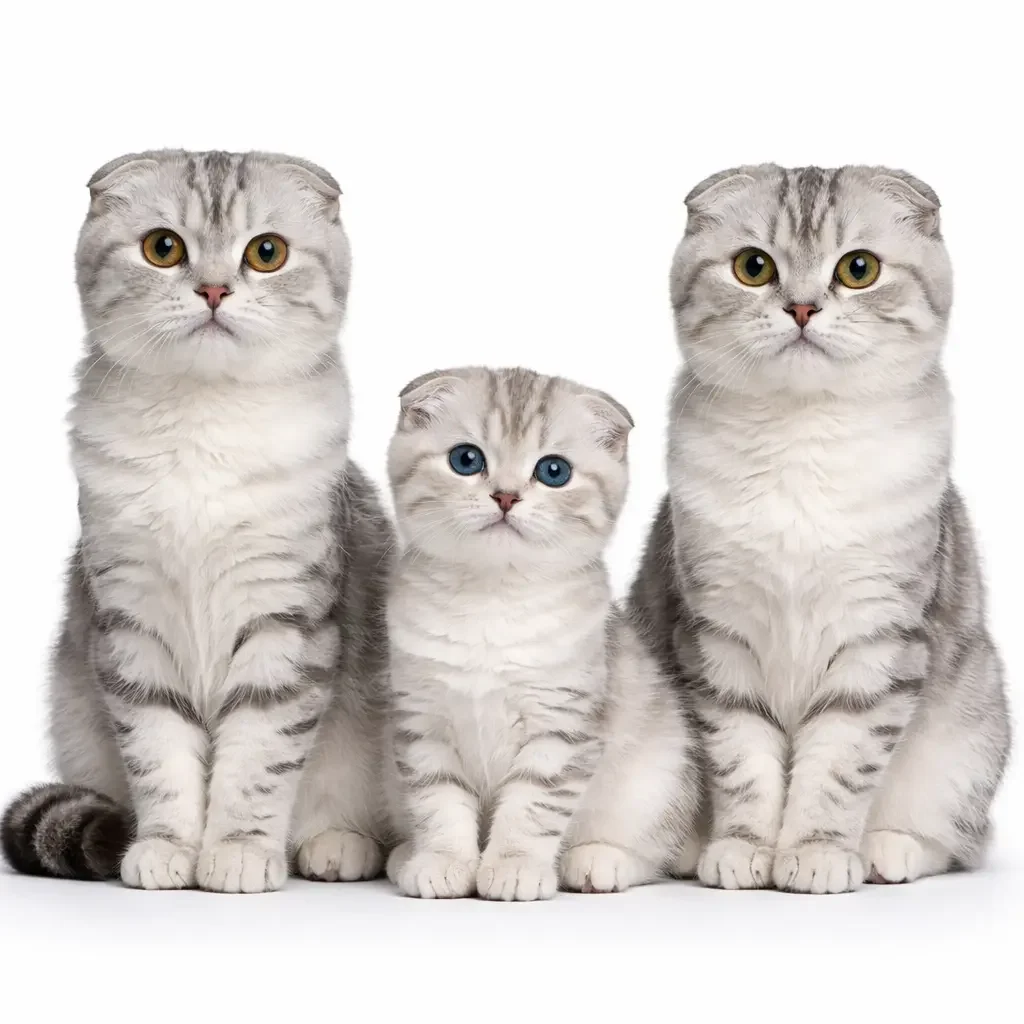
The Scottish Fold cat is a medium-sized, naturally mutated breed originating from Scotland, instantly recognizable by its distinctive folded ears that give it an owl-like or teddy bear appearance. First discovered on a farm in Perthshire in 1961, the Scottish Fold has grown into one of the most popular and widely photographed cat breeds in the world, beloved for its round face, large round eyes, and remarkably calm, adaptable personality.
Scottish Folds are gentle, quiet, and deeply affectionate without being demanding or overly clingy. They bond closely with their families, adapt well to most living environments, and get along easily with children, dogs, and other cats. Their low-key temperament and manageable grooming needs make them an appealing choice for homesteaders and farm families seeking a calm, good-natured companion cat.
However, the Scottish Fold carries a significant and well-documented health concern. The same gene responsible for the folded ears causes a progressive joint and cartilage condition called osteochondrodysplasia, which affects all Scottish Folds to some degree. Prospective owners must understand this before acquiring the breed.
Origin and History
Origin: Perthshire, Scotland
Geographic Area: Scotland; now bred worldwide
Development: Discovered in 1961 on a farm in Tayside; a barn cat named Susie was the founding cat of the breed
Cultural Heritage: Scottish farm cat origin; bred from barn cats and British Shorthairs
Founding Cat: Susie, a white barn cat with folded ears discovered by shepherd William Ross
Breed Development: Developed through crosses with British Shorthairs and American Shorthairs to maintain health and diversity
Recognition: GCCF withdrawn recognition in 1974 due to health concerns; TICA and CFA recognize the breed
Controversy: Banned or restricted by some registries and countries due to osteochondrodysplasia concerns
Straight-Eared Variant: Scottish Straights are born from Scottish Fold breeding programs; same breed, unfolded ears
Current Status: Extremely popular worldwide; one of the most recognized breeds on social media
Physical Characteristics
Size: Medium
Weight: Males 9 to 13 lbs; Females 6 to 9 lbs
Body Type: Rounded, compact, well-padded; medium-boned
Build: Sturdy and balanced; not as heavy as British Shorthair but similarly rounded
Coat Length: Shorthair (most common) and longhair (Highland Fold) varieties exist
Coat Texture: Dense, plush, and soft; slightly crisp to the touch in shorthair variety
Coat Colors: All colors and patterns accepted; tabby, solid, tortoiseshell, colorpoint, bicolor
Ear Type: Folded forward and downward; single fold (slightly folded) to triple fold (ears flat against head)
Eye Color: Large, round, wide-set; color corresponds to coat color
Head: Rounded, domed, with full cheeks and a short nose; gives the classic owl face appearance
Ears: Small, tightly folded forward; set in a cap-like position on top of the rounded head
Legs: Medium length, sturdy; some individuals carry stiffness in legs and tail due to osteochondrodysplasia
Paws: Round and neat
Tail: Medium to long; should be flexible and tapered; stiffness in tail is a sign of health concern
Overall Appearance: Distinctly round and soft; often described as looking like an owl or stuffed toy
Reproduction and Breeding
Sexual Maturity: Females 7 to 10 months; Males 7 to 10 months
Breeding Age: Best to wait until 12 to 18 months
Heat Cycle: Every 2 to 3 weeks during breeding season
Gestation Period: 63 to 65 days (approximately 9 weeks)
Litter Size: Average 3 to 5 kittens (range 2 to 6)
Birthing: Generally straightforward; attentive mothers
Kitten Development: All kittens born with straight ears; folding begins at 3 to 4 weeks in affected kittens
Fold Genetics: The fold gene (Fd) is dominant; one copy produces folded ears, two copies cause severe skeletal problems
Responsible Breeding: Scottish Fold must always be bred to a straight-eared cat; Fold to Fold breeding is considered unethical
Weaning: 8 to 10 weeks
Breeding Frequency: Limit to 1 to 2 litters per year for health of queen
Fertility Period: Productive breeding years 2 to 7 years old
Maturation: Reaches full size by 2 to 3 years
Lifespan and Health
Average Lifespan: 11 to 15 years
Health Status: Prone to a significant breed-specific condition requiring owner awareness
Primary Health Concern: Osteochondrodysplasia (OCD); a degenerative joint and cartilage disease caused by the fold gene; affects all Folds to some degree
OCD Symptoms: Stiff or shortened tail, reluctance to jump, lameness, swollen painful joints, reduced mobility
OCD Progression: Condition is progressive; severity varies but all Scottish Folds carry some degree of skeletal abnormality
Secondary Concern: Polycystic kidney disease (PKD); hereditary in some lines; DNA testing recommended
Heart Health: Hypertrophic cardiomyopathy (HCM) possible; cardiac screening recommended in breeding cats
Ear Health: Folded ear canal requires regular cleaning to prevent wax buildup and infection
Dental Health: Regular dental care recommended
Vaccinations: Standard feline vaccines (FVRCP, rabies)
Parasite Control: Regular flea and tick prevention
Ethical Ownership: Prospective owners should source only from breeders who health-test for PKD and HCM and never breed Fold to Fold
Temperament and Personality
The Scottish Fold is widely regarded as one of the most gentle and easy-going cat breeds available. They are calm, quiet, and adaptable, settling comfortably into almost any household environment from busy family farms to quieter rural homes. They rarely startle, seldom scratch without cause, and are tolerant of handling by children and strangers in a way that many other breeds are not.
Scottish Folds are affectionate without being needy. They enjoy being near their people and will follow family members around the house with soft interest, but they do not demand constant attention or vocalize excessively. Their quiet, measured personality makes them excellent companions in environments where a calm presence is valued.
They are playful and curious, particularly as kittens and young adults, enjoying interactive toys and puzzle feeders. They retain moderate playfulness into adulthood but are not hyperactive or destructive. Scottish Folds are known for sitting in unusual positions, including flat on their backs with legs extended and upright on their haunches like meerkats, which owners find endlessly entertaining.
Intelligence is moderate to high. Scottish Folds learn household routines quickly, respond well to gentle training, and adapt easily to changes in schedule or environment. Their even temperament makes them one of the most reliably pleasant breeds to live with, provided their health needs are properly managed.
Hunting and Working Ability
Prey Drive: Moderate; alert and curious but not as driven as traditional working breeds
Hunting Skills: Capable stalker; good reflexes; effective in contained spaces
Target Prey: Mice, rats, insects, small birds
Hunting Style: Patient and deliberate; will observe before striking
Working Ability: Adequate barn and indoor mouser; not a high-output working cat
Size Consideration: Medium build suitable for standard rodent control
Territory: Prefers a defined home territory rather than extensive outdoor roaming
Stamina: Moderate; sufficient for regular patrol of barn and homestead buildings
Health Limitation: Joint disease may limit mobility and hunting ability in affected individuals as they age
Alertness: Attentive and observant; will investigate unusual sounds and movements
Care and Maintenance
Grooming (Shorthair): Minimal; weekly brushing sufficient to manage shedding
Grooming (Longhair/Highland Fold): Moderate; brush 2 to 3 times weekly to prevent matting
Coat Care: Dense coat benefits from a rubber grooming mitt or slicker brush
Shedding: Moderate year-round; heavier seasonal shed in spring
Bathing: Rarely needed
Ear Cleaning: Important; folded ear canal traps wax and debris; clean weekly with a veterinarian-approved ear cleaner
Nail Trimming: Every 2 to 3 weeks
Dental Care: Weekly tooth brushing recommended
Feeding: High-quality, high-protein diet; 1/3 to 1/2 cup daily split into 2 meals
Joint Health: Some owners supplement with omega-3 fatty acids and glucosamine to support joint health
Litter Box: Standard size; keep very clean as Scottish Folds are fastidious
Exercise: Moderate; daily interactive play important but avoid high-impact jumping in cats showing joint stiffness
Veterinary Monitoring: Regular checkups to monitor joint health, ear health, and kidney function
Climate Adaptability
Climate Tolerance: Good; adapts well to most climates when kept primarily indoors
Cold Tolerance: Moderate to good; dense coat provides reasonable insulation
Heat Tolerance: Good; manages warm climates well with access to shade and water
Temperature Range: Adaptable to most temperate climates
Best Climate: Comfortable in most indoor environments regardless of external climate
Indoor/Outdoor: Best kept primarily indoors or with supervised outdoor access
Shelter Needs: Must have warm, dry indoor shelter; joint conditions worsen in damp cold
Adaptability: Highly adaptable to varied household environments; does not require specific climate conditions
Advantages for Farmhouse Living
Exceptionally gentle and calm temperament; rarely aggressive or skittish
Tolerant of children, dogs, and other animals
Low to moderate grooming needs (shorthair variety especially)
Quiet and undemanding; does not vocalize excessively
Adaptable to varied household environments and routines
Effective mouser in contained barn and indoor spaces
Moderate to high intelligence; learns routines and boundaries quickly
Long lifespan (11 to 15 years) with proper care
Unusual sitting positions and owl-like appearance make them highly entertaining companions
Widely available from reputable breeders
Gets along easily with multi-pet households
Bonds deeply with family without being overly needy
Disadvantages for Farmhouse Living
Osteochondrodysplasia is a serious, progressive health concern present in all Scottish Folds
Joint disease may limit mobility and hunting ability as the cat ages
Damp, cold environments may worsen joint condition
Folded ears require regular weekly cleaning to prevent infection
Not suited to heavy outdoor working cat roles due to health limitations
Responsible breeding and sourcing is essential; poorly bred lines carry higher health risks
Moderate shedding requires consistent grooming management
Polycystic kidney disease possible in untested lines; vet bills can be significant
Some registries and countries restrict or ban ownership due to welfare concerns
Not as athletically capable as traditional farm cat breeds such as the Maine Coon or Siberian
Ethical sourcing requires research and patience; avoid impulse purchases from unverified breeders
Best Suited For
Farm families seeking a gentle, calm companion cat rather than a high-output working cat
Households with children, dogs, and other pets
Homesteaders who want an affectionate, low-maintenance indoor and barn companion
Temperate to warm climate properties with warm, dry shelter available
Owners prepared to actively manage and monitor the breed's joint and ear health
Multi-pet households where the Scottish Fold will have regular company
Families who appreciate a quiet, easy-going personality over a bold working temperament
Experienced cat owners who understand the ethical and health considerations of the breed
Economic Considerations
Initial Cost: $800 to $1,500 from reputable breeders; show quality $1,500 to $3,000+
Availability: Widely available but ethical sourcing requires research
Annual Vet Care: $300 to $600 (vaccines, checkups, ear cleaning, joint monitoring)
Food Costs: $300 to $450 annually (medium-sized cat with moderate appetite)
Joint Supplements: $50 to $150 annually if recommended by veterinarian
Grooming Supplies: $30 to $60 annually (shorthair); $60 to $100 (longhair)
Spay/Neuter: $75 to $200
Potential Vet Costs: Joint disease management can become significant in older cats; budget accordingly
Pest Control Value: Adequate for indoor and barn mousing in contained spaces
Long-term Value: 11 to 15 year lifespan; loyal and affectionate long-term companion
Fun Facts
The entire Scottish Fold breed traces back to a single barn cat named Susie, discovered on a farm in Perthshire, Scotland in 1961
All Scottish Fold kittens are born with straight ears; the fold develops or does not develop by 3 to 4 weeks of age
Only about half the kittens in a Scottish Fold litter will develop folded ears
The fold gene is dominant; a cat needs only one copy to have folded ears
Breeding two folded-ear cats together produces kittens with severe skeletal abnormalities and is considered unethical
Scottish Folds are famous for sitting upright on their haunches in a pose owners call the Buddha sit
They are known to sleep flat on their backs with all four legs in the air, a position rarely seen in other breeds
Taylor Swift owns two Scottish Folds named Meredith Grey and Olivia Benson, which significantly boosted the breed's global popularity
The breed was briefly called the Lop-eared cat before the name Scottish Fold was established
Scottish Folds are one of the most photographed cat breeds on social media worldwide
The GCCF, the main UK cat registry, withdrew recognition of the breed in 1974 due to health concerns and has not reinstated it
Despite the health controversy, demand for Scottish Folds continues to grow globally, particularly in Asia and North America
The longhaired version of the Scottish Fold is called the Highland Fold in some registries
Scottish Folds have appeared in numerous advertising campaigns and viral internet content due to their distinctive appearance
Their owl-like face and calm expression make them one of the most visually distinctive and widely recognized breeds in the world