
Siberian
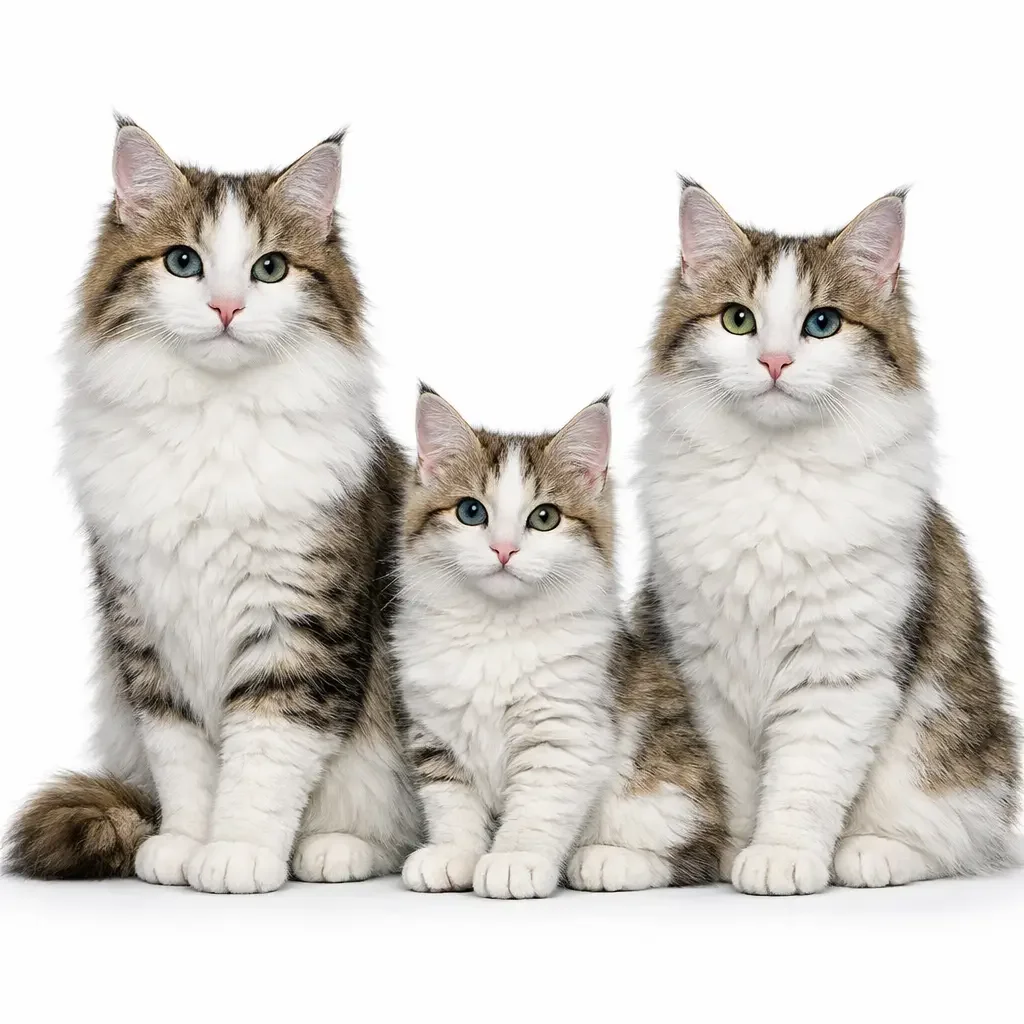
Overview
The Siberian Cat is an ancient, naturally occurring breed from the vast taiga forests of Russia, where it has lived for over a thousand years. Large, powerful, and exceptionally agile, the Siberian is Russia's national cat, a working breed shaped by centuries of natural selection in one of the world's most demanding environments.
Siberians are renowned for their triple-layered, water-resistant coat, robust constitution, and remarkably gentle temperament. They are athletic, playful, and highly intelligent, yet calm enough to be genuinely family-friendly. Of particular note: Siberians produce significantly less Fel d 1 protein than most other breeds, making them one of the few cats accessible to people who typically react to cats.
Origin and History
Origin: Siberia and broader Russia
Geographic Area: Taiga forests and rural communities across Russia
Development: Ancient natural breed; over 1,000 years of documented history
Cultural Heritage: Russia's national cat; central in Russian folklore and literature
Local Name: Sibirskaya Koshka
Discovery by West: Late 1980s when Soviet borders opened; first imports to US in 1990
Recognition: TICA recognized 1992; CFA recognized 2006
Natural Breed: Not selectively bred; evolved naturally in the taiga environment
Current Status: Rare outside Russia; growing popularity in North America and Europe
Neva Masquerade: Colorpoint variant of the Siberian; considered the same breed by most registries
Physical Characteristics
Size: Large
Weight: Males 15 to 20 lbs; Females 10 to 15 lbs
Body Type: Barrel-chested, heavily muscled, substantial and rounded
Build: Athletic and powerful; deceptively strong for their size
Coat Length: Semi-longhair to longhair (triple-layered)
Coat Texture: Dense guard hairs, awn hairs, and thick undercoat; water- and cold-resistant
Coat Seasonal: Spectacular full winter coat; shorter and less dense in summer
Color Variety: All colors and patterns accepted; tabby, solid, tortoiseshell, colorpoint (Neva)
Eye Color: Gold, green, or copper most common; blue in the colorpoint (Neva) variety
Head: Broad, rounded, slightly wedge-shaped with strong cheekbones
Ears: Medium-large, rounded tips, well-furnished with tufts and lynx tips
Legs: Medium length, sturdy, heavily boned; rear legs slightly longer than front
Paws: Large, rounded, heavily tufted between toes (natural snowshoes)
Tail: Medium-long, thick at base, fully plumed
Overall Appearance: Powerful yet graceful; wild forest cat energy with gentle eyes
Reproduction and Breeding
Sexual Maturity: Females 8 to 12 months; Males 9 to 12 months
Breeding Age: Best to wait until 18 to 24 months (slower maturation)
Heat Cycle: Every 2 to 3 weeks during breeding season (typically spring and summer)
Gestation Period: 63 to 66 days (approximately 9 weeks)
Litter Size: Average 4 to 6 kittens (range 3 to 8); large litters common
Birthing: Generally uncomplicated; attentive and protective mothers
Kitten Development: Eyes open 7 to 10 days; energetic and bold from an early age
Coat Development: Full adult coat develops by 3 to 5 years
Weaning: 8 to 10 weeks
Breeding Frequency: Limit to 1 to 2 litters per year for health of queen
Fertility Period: Productive breeding years 2 to 8 years old
Maturation: Slow-maturing; full size reached at 4 to 5 years
Lifespan and Health
Average Lifespan: 12 to 18 years
Record Lifespan: Some individuals live into their early 20s
Health Status: Robust natural breed with very few hereditary issues
Primary Health Concern: Hypertrophic cardiomyopathy (HCM); relatively low incidence but screening recommended
Other Concerns: Pyruvate kinase deficiency (PKD) rare; generally only minor issues
Allergen Profile: Produces significantly less Fel d 1 protein than most breeds; often tolerated by allergy sufferers
Dental Health: Regular dental care recommended
Vaccinations: Standard feline vaccines (FVRCP, rabies)
Parasite Control: Regular flea and tick prevention for outdoor cats
Hardy Constitution: Evolved in extreme climate; exceptionally resilient and adaptable
Temperament and Personality
Siberians are affectionate, loyal, and gentle, yet unmistakably athletic and spirited. They form deep bonds with their families and are known for greeting owners at the door, following them from room to room, and showing consistent, loving attention without being clingy or demanding.
Highly intelligent, Siberians are natural problem-solvers and curious explorers. They enjoy interactive toys, puzzle feeders, and learning tricks. They retain a playful, kitten-like energy well into adulthood, particularly enjoying games that mimic hunting behavior such as stalking, pouncing, and fetching.
Unlike many longhaired breeds, Siberians are bold and adventurous rather than timid. They are confident with strangers, adaptable to new environments, and get along well with children and dogs when properly introduced. Their moderate vocalization, a chirping trill rather than a loud meow, makes them easy companions for both active households and quieter homesteads.
The breed's most prized trait is perhaps its calm reliability. Siberians are rarely skittish or anxious, making them ideal for farm environments where machinery noise, unpredictable animals, and busy activity are common.
Hunting and Working Ability
Prey Drive: High; refined over centuries of working in Russian homesteads and granaries
Hunting Skills: Patient stalker; powerful pounce; excellent at concealed approaches
Target Prey: Mice, rats, moles, voles, rabbits, birds, insects
Hunting Style: Calculated and deliberate; uses cover effectively; ambush hunter
Working Ability: Highly effective pest control; historically used in Russian granaries and households
Size Advantage: Large, powerful build allows tackling bigger prey with ease
All-Weather Performance: Triple-layer coat allows hunting in rain, snow, and cold conditions
Territory: Will patrol extensive areas; well-suited to large farms and rural properties
Stamina: Excellent endurance for sustained patrol and hunting activity
Climbing: Exceptional climbers; among the best of any domestic cat breed
Jumping: Extraordinary leaping ability; rear legs are longer than front for powerful launches
Care and Maintenance
Grooming: Moderate; brush 2 to 3 times weekly, daily during seasonal sheds
Coat Care: Triple coat resists matting better than most longhaired breeds; natural oil repels dirt
Seasonal Shedding: Heavy spring and fall shed; coat blows dramatically twice per year
Bathing: Rarely needed; water-resistant coat sheds debris naturally
Nail Trimming: Every 2 to 3 weeks
Dental Care: Weekly tooth brushing recommended
Feeding: High-quality, high-protein diet; 3/4 to 1 cup daily split into 2 to 3 meals
Caloric Needs: Higher due to size and activity level; avoid overfeeding to prevent obesity
Water: Fresh water always available; many enjoy running water fountains
Litter Box: XL boxes required; one per cat plus one extra recommended
Exercise: Moderate to high; needs climbing structures, interactive play, and outdoor time
Enrichment: Tall cat trees, puzzle toys, outdoor enclosures, and companion animals all appreciated
Climate Adaptability
Climate Tolerance: Exceptional; bred for one of Earth's harshest climates
Cold Tolerance: Outstanding; triple coat insulates in extreme sub-zero temperatures
Heat Tolerance: Good; sheds dramatically to a lighter coat in warmer months
Temperature Range: Handles extreme seasonal variation with ease
Best Climate: Thrives in temperate to cold regions; adaptable to most climates
Water Resistance: Oiled, dense guard coat naturally repels rain and moisture
Indoor/Outdoor: Highly suited to outdoor access; content indoors with proper enrichment
Shelter Needs: Hardy but benefits from warm shelter in extreme cold
Forest Adaptation: Natural in forested, multi-terrain environments
Advantages for Farmhouse Living
Exceptional cold-weather performance; ideal for harsh climates
Strong, proven hunting ability refined over centuries as a working cat
Large build for tackling significant prey
Triple-layer coat is water- and weather-resistant
Remarkably low-allergen breed; suitable for many allergy sufferers
Gentle, calm temperament; rarely skittish or nervous
Extremely hardy with minimal breed-specific health issues
Long lifespan (12 to 18 years) for extended farm service
Good with children, dogs, and other farm animals
Triple coat resists matting despite impressive length
Outstanding leaping and climbing ability
Naturally adapted to outdoor, rural environments
Intelligent and adaptable to varied farm routines
Striking appearance; a genuinely beautiful working cat
Disadvantages for Farmhouse Living
Heavy biannual shedding requires increased grooming effort
Large size means higher food and veterinary costs
Slow to mature; high-energy phase lasts 4 to 5 years
Rare breed; limited availability and higher purchase price
May hunt beneficial wildlife (birds, small mammals)
Needs significant space and outdoor access to thrive
Grooming commitment 2 to 3 times weekly, more during shed season
Can be persistent and demanding of interaction when bored
Strong prey drive may not suit farms with free-range poultry
May develop separation anxiety without adequate companionship
HCM screening recommended before breeding
Not ideal for very hot, humid climates year-round
Best Suited For
Cold-climate farms, ranches, and rural homesteads
Properties with large rodent or pest populations
Families with children, dogs, and mixed-species households
Allergy-sensitive households seeking a working cat
Experienced cat owners who appreciate an independent but affectionate breed
Forested or multi-terrain rural properties
Operations seeking a dual-purpose cat (pest control and family companion)
Farms in northern latitudes or mountainous regions
Homesteaders seeking a hardy, long-lived working partner
Households with time for interactive play and regular grooming
Economic Considerations
Initial Cost: Rare breed; $1,200 to $2,000. Show quality $2,000 to $3,500+
Availability: Limited in North America; reputable breeders often have waitlists
Annual Vet Care: $250 to $500 (vaccines, checkups, preventatives, HCM screening)
Food Costs: $400 to $600 annually (large, active cat requiring high-protein diet)
Grooming Supplies: $60 to $120 annually (quality brushes for triple coat)
Spay/Neuter: $80 to $280 (higher cost for larger cats)
Pest Control Value: Excellent; strong hunter with centuries of working history
Long-term Value: 12 to 18 year lifespan; long service period relative to initial investment
Allergen Value: Exceptional; may eliminate the need for allergy medication in sensitive households
Fun Facts
Siberians are mentioned in Russian fairy tales and literature going back over a thousand years
They are one of the largest domestic cat breeds, with males regularly exceeding 20 lbs in prime condition
The Siberian produces significantly less Fel d 1 protein, the primary cat allergen, than virtually all other breeds
Their rear legs are slightly longer than their front legs, giving them extraordinary jumping and climbing power
The Neva Masquerade is simply a colorpoint Siberian, same breed, with blue eyes and point-restricted coloring
Siberians are known to chirp and trill rather than meow, a distinctive communication style shared with wildcats
Their triple-layered coat features three distinct textures: coarse guard hairs, awn hairs, and a dense downy undercoat
Russia's first cat show, held in St. Petersburg in 1988, helped launch the Siberian into Western consciousness
Many Siberians enjoy playing with water and will deliberately splash or dabble in water dishes and fountains
The breed takes 4 to 5 full years to reach complete physical and coat maturity, among the longest of any domestic cat
Siberians are among the few breeds that genuinely enjoy being held and carried, known as shoulder cats in Russia
In the taiga, Siberians were kept in monasteries and farmhouses specifically to control rodent populations in grain stores
Their paws are so heavily tufted they function as natural snowshoes in deep snow
Siberians are considered hypoallergenic, though no cat is truly 100% allergen-free
The breed's gene pool remained isolated and pure for centuries due to Russia's geographic and political isolation