
Australian Cattle Dog: The Ultimate Cattle Herding Machine
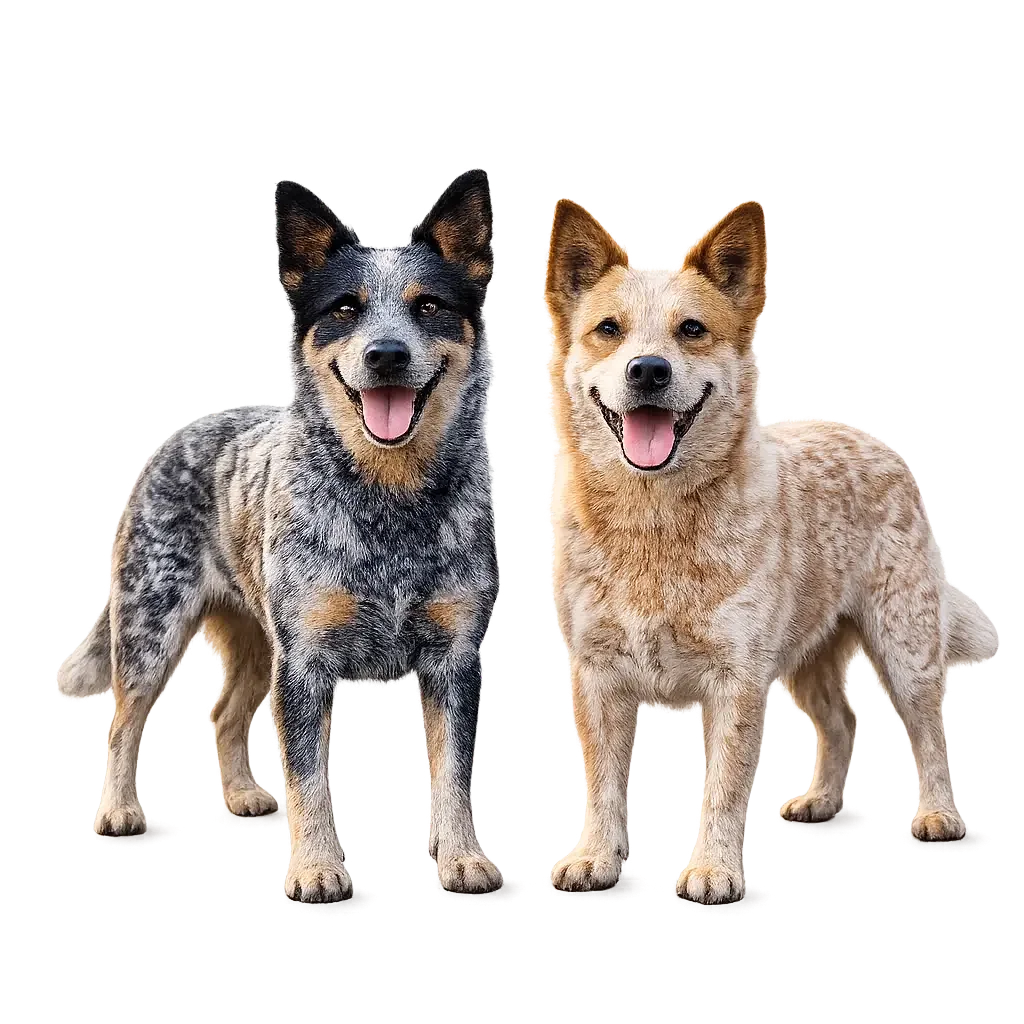
The Australian Cattle Dog, commonly known as the Blue Heeler or Red Heeler depending on coat color, is one of the world's toughest and most capable working dogs. Developed in the harsh Australian outback to drive cattle over long distances in extreme conditions, these compact, muscular dogs combine extraordinary endurance, fearless courage, and unwavering loyalty into a nearly indestructible package.
Australian Cattle Dogs are not casual pets or weekend companions. They are purpose-bred working animals with intense drive, high intelligence, and seemingly limitless energy. These dogs were created to work cattle all day in scorching heat, covering vast distances while controlling stubborn, aggressive livestock. This heritage creates dogs of remarkable toughness but also presents significant challenges for owners unprepared for their intensity.
This comprehensive guide explores everything you need to know about Australian Cattle Dogs including their unique Australian heritage and development, physical characteristics and distinctive appearance, temperament and personality traits, working style and cattle handling ability, training requirements and methods, exercise and mental stimulation needs, health considerations and longevity, living with Australian Cattle Dogs as companions, choosing and purchasing an Australian Cattle Dog, and whether this intense breed is right for you.
History and Origins
Development in the Australian Outback
Australian Cattle Dogs were developed in 19th century Australia to solve a critical problem facing cattle ranchers. Australia's vast, harsh outback required dogs capable of driving semi-wild cattle over hundreds of miles in extreme heat. British herding breeds brought by settlers lacked the stamina, heat tolerance, and toughness needed for Australian conditions. They often died from heat exhaustion or were injured by aggressive cattle.
Early Australian settlers began crossbreeding to create a dog suited to their unique needs. The foundation stock included Smithfield dogs, a now-extinct British herding breed brought by early settlers. Dingoes were crossed in to add heat tolerance, stamina, and survival ability. Blue merle Collies contributed herding instinct and intelligence. Dalmatians added loyalty to horses and handlers. Bull Terrier blood provided courage and tenacity with difficult cattle. Kelpies, another Australian herding breed, may have contributed to some lines.
The resulting breed combined the best traits of all these dogs. They could work all day in brutal heat, handle aggressive cattle fearlessly, survive on minimal food and water, and maintain unwavering loyalty to their handlers. These dogs became known as Australian Cattle Dogs, Blue Heelers, or Queensland Heelers.
The Hall and Timmins Lines
Thomas Hall of New South Wales is credited with early development work in the 1840s, crossing Dingoes with Blue Merle Collies to create Hall's Heelers. These dogs worked Hall's vast cattle stations for decades. After Hall's death in 1870, his dogs became available to other ranchers and formed the foundation for the modern breed.
The Bagust family and others continued refining the breed in Queensland. They crossed Hall's Heelers with other working dogs to create the foundation stock of modern Australian Cattle Dogs. The breed was standardized by the early 1900s and remains largely unchanged today.
Recognition and Spread
The Australian Cattle Dog was recognized in Australia in 1903 with the breed standard written by Robert Kaleski. The breed came to the United States in the 1940s but remained rare until the 1960s and 1970s. The American Kennel Club recognized Australian Cattle Dogs in 1980.
Today, Australian Cattle Dogs work cattle worldwide but remain most common in Australia and the American West. They excel in harsh, challenging conditions where other breeds struggle. The breed has also gained popularity in dog sports, particularly agility and obedience, where their intelligence and athleticism shine.
Physical Characteristics
Size and Build
Australian Cattle Dogs are compact, powerful dogs built for endurance and toughness rather than speed or size. Males stand 18-20 inches at the shoulder and weigh 35-50 pounds. Females are slightly smaller at 17-19 inches and 30-45 pounds. This medium size provides the perfect balance - large enough to handle cattle confidently but small enough to maintain agility and endurance.
The breed's body is slightly longer than tall, creating a low, balanced silhouette. They have broad, muscular chests providing lung capacity for sustained work. Their legs are straight and strong with powerful bone structure. The feet are round and compact with thick pads and strong nails for traction on varied terrain. The back is level and strong, the loin broad and muscular.
Australian Cattle Dogs possess remarkable physical toughness. They can work all day in extreme heat with minimal water. Their compact build allows quick, low movements to avoid cattle kicks. The powerful hindquarters provide explosive acceleration and the ability to bite and release instantly. Every aspect of their structure serves their working purpose.
Coat and Colors
Australian Cattle Dogs have a short, dense double coat that is weather-resistant and protective. The outer coat is straight, hard, and lies flat, while the undercoat is short and dense. This coat protects them from harsh weather, thorny brush, and cattle kicks while remaining cool in hot conditions.
The breed comes in two primary color patterns. Blue Heelers have blue or blue mottled coats that may be solid blue, blue mottled, or blue speckled. They often have black, blue, or tan markings on the head. Tan markings may appear on the legs, chest, throat, and face in specific patterns. Red Heelers have red speckled coats throughout, including on the head. They may have darker red markings on the head.
Australian Cattle Dog puppies are born white and develop their color as they mature. The blue or red coloring emerges gradually over the first few months. This is due to their Dalmatian heritage. Adult color is usually fully developed by 6-12 months of age.
The coat requires minimal grooming but sheds moderately year-round with heavier seasonal shedding twice yearly. Weekly brushing removes dead hair and keeps the coat healthy. The short coat dries quickly and resists dirt and mud.
Distinctive Features
Australian Cattle Dogs have broad skulls with powerful jaws designed for gripping cattle heels. Their bite is strong and purposeful, capable of nipping tough cattle hide without causing serious injury. The muzzle is broad and powerful with a slight underjaw giving gripping strength.
The ears are moderate-sized, pricked, and wide-set. Erect ears provide excellent hearing and give the breed a perpetually alert expression. The eyes are dark brown, oval-shaped, and express keen intelligence and wariness. The expression is alert, intelligent, and somewhat suspicious of strangers.
The tail is moderately long, reaching to the hock, and hangs in a slight curve. When excited or working, the tail may be raised but never curled over the back. Some Australian Cattle Dogs are born with naturally bobbed tails, though most have full-length tails.
The overall impression is of a compact, powerful, alert dog ready for action. Australian Cattle Dogs always appear ready to work, muscles tense, eyes watching, body coiled for explosive movement. This constant readiness is characteristic of the breed.
Temperament and Personality
Intelligence and Problem-Solving
Australian Cattle Dogs rank among the most intelligent dog breeds, though their intelligence differs from Border Collies. While Border Collies excel at following complex commands, Australian Cattle Dogs are independent problem-solvers who think for themselves. This intelligence was essential for working cattle in the outback where dogs had to make instant decisions without handler direction.
This intelligence manifests as resourcefulness and adaptability in challenging situations, quick learning of patterns and routines, excellent memory for places, people, and experiences, ability to open gates, doors, and containers, and creative problem-solving that can frustrate owners. Australian Cattle Dogs learn what they want to learn quickly. They also quickly learn to ignore commands they find pointless or inconvenient.
Work Drive and Intensity
Australian Cattle Dogs possess intense, relentless work drive. They were bred to drive cattle for hours or days with minimal rest, and this drive remains powerful in modern dogs. Working Australian Cattle Dogs can cover 30-50 miles daily, maintaining intensity throughout. This work ethic is admirable in working contexts but challenging in pet situations.
Unlike some herding breeds that herd through eye contact and positioning, Australian Cattle Dogs are physical workers. They bite heels to move cattle, dodge kicks with lightning reflexes, and maintain constant pressure. This physical, confrontational style requires fearlessness and toughness that defines their character.
The work drive never turns off. Australian Cattle Dogs without adequate work often redirect their energy toward inappropriate activities including herding children, pets, or vehicles, obsessive ball chasing or toy play, destructive chewing or digging, excessive barking or vocalization, and pacing or other repetitive behaviors. They need jobs, not just exercise.
Loyalty and Bonding
Australian Cattle Dogs form intense bonds with their owners, often bonding most strongly with one person. This loyalty is legendary and creates dogs willing to defend their owners fearlessly. However, this intense bonding comes with challenges.
Australian Cattle Dogs are naturally wary of strangers. This wariness served working dogs who needed to distinguish between their handler and other people on large stations. Modern Australian Cattle Dogs maintain this trait, often being standoffish or suspicious of unfamiliar people. Without proper socialization, this can develop into aggression.
The breed's loyalty extends to territory and possessions. Australian Cattle Dogs make excellent watchdogs, alerting to anything unusual. However, they can become overly protective if not properly managed, potentially showing aggression toward visitors or people approaching their family or property.
Independence and Stubbornness
Australian Cattle Dogs are independent thinkers who question commands and make their own decisions. This independence was essential for working dogs who might work miles from their handlers, but it creates training challenges. They're not eager-to-please dogs who live for handler approval. They're pragmatic workers who cooperate when they see purpose.
This manifests as selective obedience, following commands when they agree with them. They have stubborn persistence once they decide to do something. They show resistance to pointless repetition or commands without clear purpose. They demonstrate willfulness requiring firm, consistent leadership. Australian Cattle Dogs respect strong, fair leaders but challenge weak or inconsistent handlers.
Social Behavior and Aggression
Australian Cattle Dogs can be aggressive toward other dogs, particularly dogs of the same sex. This stems from their independent, territorial nature and history of working alone or in small groups. Dog aggression is common in the breed, especially in dogs not socialized extensively as puppies.
Early, extensive socialization is essential for Australian Cattle Dogs. Puppies should meet many dogs, people, and situations between 8-16 weeks old. Even well-socialized Australian Cattle Dogs may become selective about canine friends as they mature. Many prefer human company to other dogs.
Australian Cattle Dogs have strong prey drive and may chase cats, livestock, or small animals. They can coexist with family cats if raised together but may chase unfamiliar animals. Their herding and prey drive combined creates dogs that chase anything that moves quickly.
Working Style and Capabilities
Heeling Technique
Australian Cattle Dogs are heelers, meaning they control cattle by nipping at their heels. This technique involves working behind or beside cattle to drive them forward. The dog bites the heel or hock, the cow kicks, and the dog drops flat or dodges the kick while maintaining pressure. This dangerous work requires extraordinary courage, quick reflexes, and precise timing.
The heeling bite is controlled and purposeful. Good working dogs grip and release instantly, applying just enough pressure to move cattle without causing injury. They target the lower legs, avoiding vulnerable areas. The bite should be firm enough to get response but controlled enough to avoid damage.
Australian Cattle Dogs work low to the ground, often in a crouch. This low profile makes them harder for cattle to see and kick effectively. They use explosive bursts of speed to heel cattle, then drop or dodge kicks with lightning reflexes. This working style requires exceptional athletic ability and fearless courage.
Working Different Cattle
Australian Cattle Dogs excel with difficult, stubborn, or aggressive cattle that intimidate other breeds. They can handle range cattle, feedlot cattle, and dairy cattle, though they're best suited for tougher stock. Their heeling style is particularly effective with cattle that ignore eye contact or positioning.
The breed works well in various situations including gathering cattle from rough terrain or brush, driving cattle long distances, sorting cattle in pens or chutes, loading cattle into trailers, working aggressive bulls or difficult individuals, and controlling cattle in feedlots or sale yards. They're particularly valuable for moving stubborn cattle that refuse to respond to gentle pressure.
Australian Cattle Dogs can work alone or in teams. On large Australian stations, several dogs might work together to move large herds. In American ranch settings, they often work alone or with one or two other dogs. They're independent enough to work at distance but responsive enough to take direction when needed.
Working Other Livestock
While bred specifically for cattle, Australian Cattle Dogs can work other livestock with varying success. They can work goats effectively using similar techniques to cattle work. Some work sheep, though their heeling style is less suitable than gathering breeds like Border Collies. Their strong bite and physical approach can stress flighty sheep. They can move pigs, though pigs often challenge even tough Australian Cattle Dogs.
The breed is not ideal for poultry work. Their prey drive and physical working style don't suit delicate livestock. They're cattle specialists, and this is where they truly excel.
Endurance and Heat Tolerance
Australian Cattle Dogs possess extraordinary endurance, capable of working all day in challenging conditions. They can maintain steady work for 8-12 hours, covering vast distances over rough terrain. This stamina comes from their Dingo heritage and selective breeding for endurance over generations.
The breed tolerates heat better than many working dogs. Their short coat, compact size, and efficient physiology allow work in temperatures that would exhaust other breeds. However, they still need water and shade during extreme heat. Experienced handlers monitor working dogs carefully and provide breaks during hot weather.
Training Requirements
Training Philosophy and Approach
Training Australian Cattle Dogs requires understanding their independent, pragmatic nature. They're not eager-to-please dogs who crave handler approval. They're working partners who cooperate when they respect their handler and see purpose in commands. Training must be firm, fair, consistent, and purposeful.
Successful training combines clear leadership establishing handler as pack leader, consistency in all rules and commands, fairness without arbitrary punishment, purpose-driven training showing the point of exercises, respect for the dog's intelligence and independence, and patience with their stubborn streak. Australian Cattle Dogs respond poorly to harsh corrections but also resist purely permissive training. They need firm, fair guidance from confident handlers.
Early Socialization
Early socialization is absolutely critical for Australian Cattle Dogs. Their natural wariness and tendency toward aggression makes extensive puppy socialization essential. Puppies should meet hundreds of people in various contexts between 8-16 weeks old. They should interact with many dogs of different sizes, ages, and temperaments. They need exposure to various environments, sounds, surfaces, and situations.
Puppy socialization classes provide controlled environments for social development. However, socialization must extend beyond class to include real-world experiences. Take puppies to parks, stores, friends' homes, and other locations. The goal is creating confident, stable dogs comfortable in varied situations.
Even well-socialized Australian Cattle Dogs maintain wariness of strangers and selectivity about canine friends. Socialization doesn't create gregarious dogs but prevents fear-based aggression and excessive suspicion. Continue socialization throughout the dog's life to maintain social skills.
Basic Obedience Training
Australian Cattle Dogs need solid obedience training for safety and manageability. Essential commands include reliable recall to call the dog away from livestock, people, or dangers, solid down-stay for control in various situations, loose-leash walking preventing pulling and lunging, leave it to prevent chasing or grabbing inappropriate items, and boundary training establishing property limits and off-limit areas.
Training should start early, by 10-12 weeks old. Australian Cattle Dogs are smart and learn quickly, but they also learn bad habits quickly. Consistent training from the start prevents problems later. Keep training sessions short and varied. Australian Cattle Dogs bore easily with repetition. Mix obedience with play and varied activities.
Use positive reinforcement combined with fair corrections. Australian Cattle Dogs respond well to praise, play, and food rewards. However, they also need clear boundaries and consequences for unacceptable behavior. Find the balance between positive motivation and firm guidance.
Cattle Work Training
Training Australian Cattle Dogs for cattle work differs from training gathering breeds like Border Collies. The heeling instinct is strong and often emerges naturally with minimal training. However, young dogs need guidance to develop into controlled, effective workers.
Most Australian Cattle Dogs show interest in cattle by 6-12 months of age. Some show interest earlier. Initial training focuses on building confidence around cattle, teaching basic control commands, encouraging natural heeling instinct while preventing excessive biting, and developing the dog's ability to read and respond to cattle behavior.
Young dogs should start with calm, dog-broke cattle that won't injure inexperienced dogs. As confidence and skill develop, they can progress to more challenging cattle. Training sessions should be brief to prevent overexcitement and bad habits. Experienced handlers often work young dogs with older, trained dogs who model appropriate behavior.
Common Training Challenges
Australian Cattle Dogs present specific training challenges. Stubbornness and selective obedience require consistent enforcement of all commands. Dog aggression needs early socialization and ongoing management throughout life. Excessive biting in work requires teaching bite inhibition and control. Destructive behavior from insufficient exercise or mental stimulation requires adequate outlets. Protective aggression toward family or territory needs careful socialization and boundary setting.
Many behavioral problems stem from insufficient exercise and mental stimulation. Before labeling an Australian Cattle Dog as stubborn or aggressive, ensure they're receiving adequate physical and mental work. A tired, mentally satisfied Australian Cattle Dog is much easier to train and manage than an underexercised, bored dog.
Exercise and Mental Stimulation Needs
Physical Exercise Requirements
Australian Cattle Dogs have extreme exercise needs, among the highest of any breed. Working dogs may cover 30-50 miles daily during cattle work. Pet Australian Cattle Dogs need substantial exercise to remain physically and mentally healthy. Minimum daily exercise includes 1-2 hours of vigorous activity for adult dogs. This should be real exercise, not just yard time.
Ideal exercise for Australian Cattle Dogs includes actual cattle work for working dogs, long runs or hikes covering several miles, swimming providing full-body cardiovascular exercise, fetch or frisbee engaging chase drive, bike riding or rollerblade running for distance work, and agility or other dog sports combining physical and mental challenge. Vary exercise to engage both body and mind. Australian Cattle Dogs adapt to routine and need varied challenges.
Mental Stimulation
Mental exercise is as critical as physical activity for Australian Cattle Dogs. Their intelligent, problem-solving minds need constant engagement. Without mental stimulation, they become bored and destructive regardless of physical exercise.
Mental stimulation options include training sessions teaching new commands or tricks, puzzle toys and interactive feeders, nose work and scent training, problem-solving games and challenges, herding training or instinct testing, and new environments and experiences. Australian Cattle Dogs thrive on jobs and challenges. Give them tasks like carrying a pack on hikes, pulling a cart, or learning complex trick sequences.
Consequences of Inadequate Exercise
Australian Cattle Dogs without sufficient exercise develop serious behavioral problems. Common issues include destructive chewing of furniture, doors, walls, or yards, obsessive behaviors like tail chasing or ball fixation, excessive barking, whining, or vocalization, aggression from frustration and pent-up energy, herding or nipping at children, pets, or visitors, and hyperactivity and inability to settle. These behaviors indicate an unfulfilled dog, not inherent temperament flaws.
Dog Sports and Activities
Australian Cattle Dogs excel at dog sports providing physical and mental outlets. Popular activities include agility where they navigate obstacle courses with speed and precision, herding trials testing cattle handling skills, obedience competitions demonstrating control and precision, rally obedience combining obedience with navigation, flyball providing high-energy relay racing, disc dog competitions showcasing athletic catching, and dock diving for distance or height jumping. Competitive sports provide structure, goals, and community while exercising dogs thoroughly.
Health and Lifespan
General Health and Longevity
Australian Cattle Dogs are remarkably healthy, hardy dogs with excellent longevity. Average lifespan is 12-16 years, significantly longer than many breeds. Many Australian Cattle Dogs remain active and working into their early teens. The breed holds the Guinness World Record for oldest dog - Bluey, an Australian Cattle Dog from Australia, lived to 29 years and 5 months.
The breed's toughness and longevity stem from their working heritage. They were developed for functionality in harsh conditions, not appearance. Breeders selected for soundness, health, and working ability, creating naturally robust dogs. Working lines particularly emphasize health since dogs must remain functional throughout long careers.
Common Health Issues
While generally healthy, Australian Cattle Dogs can develop certain health problems. Progressive retinal atrophy is an inherited eye disease causing gradual vision loss. Responsible breeders test breeding stock for PRA. The condition is relatively common in the breed. Congenital deafness affects some Australian Cattle Dogs, particularly those with extensive white markings. Puppies should be hearing tested before purchase. Unilateral deafness (one ear) is more common than bilateral deafness.
Hip dysplasia occurs in Australian Cattle Dogs though less frequently than in many breeds. Reputable breeders screen parents with OFA or PennHIP evaluation. Elbow dysplasia is less common than hip dysplasia but can occur. Responsible breeders screen for both conditions. Portosystemic shunt is a congenital liver condition that can affect the breed. Symptoms usually appear in young dogs. Treatment often requires surgery.
Australian Cattle Dogs may develop joint issues from years of intense work. Arthritis, cruciate ligament injuries, and other orthopedic problems can affect working dogs, particularly as they age. Proper conditioning, weight management, and veterinary care minimize these issues.
Health Testing and Prevention
Purchasing from health-tested parents dramatically reduces genetic disease risk. Responsible breeders perform eye examinations for PRA and other eye problems, hearing tests to identify deaf puppies, hip and elbow evaluations, genetic testing for available conditions, and maintain health records on breeding dogs and offspring. Request proof of health testing before purchasing.
Maintaining appropriate body condition prevents obesity-related problems and reduces joint stress. Australian Cattle Dogs should be lean and fit. Excess weight increases health risks and reduces working ability. Regular veterinary care provides early detection and prevention including annual examinations, vaccinations appropriate for lifestyle, dental care preventing periodontal disease, and parasite prevention for heartworm, fleas, and ticks.
Working Dog Injuries
Working Australian Cattle Dogs face injury risks from cattle interaction and intense physical demands. Common injuries include kicks from cattle causing bruising, fractures, or internal injuries, foot pad cuts or abrasions from rough terrain, sprains and strains from sudden movements, and dental damage from gripping cattle or hard surfaces.
Experienced handlers prevent injuries through proper conditioning before intensive work, appropriate rest between work sessions, protective gear like boots for severe terrain, monitoring cattle behavior to avoid dangerous situations, and regular veterinary checks for working dogs. Most Australian Cattle Dogs are tough and resilient, recovering quickly from minor injuries.
Living with Australian Cattle Dogs
As Family Companions
Australian Cattle Dogs can be wonderful family companions in appropriate homes but are not suitable for everyone. Successful homes provide extensive daily exercise through running, hiking, or dog sports, mental stimulation through training and jobs, firm, consistent leadership, understanding of herding breed characteristics, and tolerance for an intense, energetic dog.
Australian Cattle Dogs bond intensely with their families and are loyal, protective companions. They're entertaining, intelligent, and engaging when their needs are met. However, they're high-maintenance dogs requiring significant daily commitment. Families unable to provide adequate exercise and structure will struggle with behavioral problems.
With Children
Australian Cattle Dogs can live with children but require careful management. They may attempt to herd children through nipping at heels, become overprotective of children in the family, react poorly to rough play or teasing, and resource guard toys or food from children. These tendencies require supervision and training.
Australian Cattle Dogs raised with children from puppyhood typically adapt better than dogs introduced to children later. However, their herding instinct and tendency to nip makes them challenging with young children. Families with children under 8-10 years old should carefully consider whether this breed is appropriate.
Teach children to respect the dog's space and avoid trigger behaviors. Supervise all interactions, particularly during high-energy activities. Provide the dog with a safe space away from children where they can retreat. Never leave Australian Cattle Dogs unsupervised with young children.
With Other Pets
Australian Cattle Dogs often struggle with other dogs, particularly dogs of the same sex. Their independent, territorial nature and tendency toward dog aggression creates challenges in multi-dog homes. Early socialization helps but doesn't guarantee compatibility.
Many Australian Cattle Dogs prefer being only dogs or live best with one opposite-sex dog. Introducing a second Australian Cattle Dog often creates conflict. If keeping multiple dogs, provide separate spaces, supervise interactions, and be prepared to manage conflicts.
Australian Cattle Dogs have strong prey drive and may chase or attack cats, small pets, or poultry. They can coexist with family cats if raised together from puppyhood but may chase unfamiliar cats. Never trust Australian Cattle Dogs unsupervised with small pets or livestock they're not trained to work.
Housing Requirements
Australian Cattle Dogs adapt to various living situations if exercise needs are met, though they're not ideal for all environments. Rural properties with space to run are ideal for working or very active dogs. Suburban homes with fenced yards work if owners commit to extensive exercise and mental stimulation. Urban apartments are very challenging and not recommended unless owners provide several hours of daily exercise.
Australian Cattle Dogs need secure fencing. They can jump 4-5 feet and may dig under fences. Some are escape artists who find any weak spot in containment. Six-foot fencing with dig guards prevents escaping. Never trust electronic fencing alone - Australian Cattle Dogs will often run through the shock to chase targets.
Grooming and Maintenance
Australian Cattle Dog grooming is minimal. Their short coat needs weekly brushing to remove dead hair and distribute oils. During seasonal shedding, daily brushing reduces loose hair in the home. Bathing is needed occasionally, every 6-12 weeks or when dirty. The coat naturally repels dirt and dries quickly.
Nail trimming every 2-4 weeks prevents overgrowth. Active dogs may wear nails naturally on pavement. Ear cleaning prevents infection, though the erect ears have good air circulation reducing infection risk. Dental care through brushing or dental chews maintains oral health. Australian Cattle Dogs are prone to dental issues, so regular care is important.
Diet and Nutrition
Australian Cattle Dogs need high-quality nutrition supporting their energy and muscle maintenance. Active working dogs require high-protein, high-fat diets providing sustained energy. Choose quality food appropriate for the dog's age and activity level.
Adult Australian Cattle Dogs typically need 2-3 cups of quality kibble daily, adjusted for individual metabolism and activity. Working dogs during intensive periods may need substantially more. Feed twice daily rather than free-feeding to prevent bloat and maintain appetite. Provide constant access to fresh water, especially for active or working dogs.
Choosing and Purchasing an Australian Cattle Dog
Is an Australian Cattle Dog Right for You?
Australian Cattle Dogs are not appropriate for most people. Honest self-assessment prevents problems for both owner and dog. Australian Cattle Dogs are ideal for active individuals with time for extensive daily exercise, experience with strong-willed, independent dogs, involvement in cattle work or dog sports, rural or large suburban properties, firm, confident leadership ability, and understanding of herding breed intensity.
Australian Cattle Dogs are not recommended for first-time dog owners, families with young children, people wanting a cuddly, affectionate pet, apartment dwellers or sedentary individuals, those wanting a friendly dog with everyone, and anyone unable to provide several hours daily of exercise and training.
Questions to Ask Yourself
Before getting an Australian Cattle Dog, honestly answer these questions. Can you provide 1-2 hours minimum of vigorous exercise daily? Are you prepared for an independent, stubborn dog? Can you establish and maintain firm leadership? Do you have experience managing dog aggression? Can you provide jobs and mental stimulation? Are you prepared for potential behavioral problems if needs aren't met? Do you have secure containment and fencing?
If you cannot answer yes to all questions, choose a different breed. Many wonderful dogs require less exercise and offer companionship without Australian Cattle Dog intensity. This breed is not for everyone, and that's okay.
Working Lines vs Show Lines
Australian Cattle Dogs divide into working lines and show lines with significant differences. Working lines are bred for cattle work and working ability, vary more in appearance, possess intense drive and work ethic, require extensive exercise and work, and typically come from ranch or farm breeders. Show lines are bred for appearance matching breed standard, have more uniform structure and appearance, often have reduced working drive, may suit active pet homes better, and typically come from show breeders.
Neither is inherently better - they serve different purposes. Cattle operations need working lines for superior ability. Active families might prefer show lines with somewhat reduced intensity, though show-line Australian Cattle Dogs still need substantial exercise.
Finding Reputable Breeders
Quality breeders perform health testing including eye exams, hearing tests, and hip evaluations. They breed dogs with proven working ability or show success. They raise puppies in home environments with socialization. They provide references from previous puppy buyers. They screen buyers carefully and refuse inappropriate homes. They offer contracts with health guarantees and support.
Warning signs of poor breeders include no health testing documentation, breeding dogs under 2 years old, multiple litters available constantly, selling puppies before 8 weeks, refusing to show facilities or parents, and inability to provide references. Avoid backyard breeders focused on profit rather than breed quality.
Evaluating Puppies
When evaluating puppies, observe the entire litter for personality differences. Meet both parents if possible to assess temperament. Look for confident, bold puppies that approach readily. Avoid overly shy, fearful, or aggressive puppies. Check for clean eyes, ears, and coat. Watch movement for lameness or abnormality. Request hearing test results for all puppies.
For working prospects, assess the puppy's interest in moving objects and natural chase drive. However, many excellent working dogs show little interest in livestock until older. Temperament and structure matter more than early instinct.
Cost Considerations
Australian Cattle Dog prices vary based on breeding and purpose. Pet-quality puppies from working or show lines cost 500-1200 dollars. Working prospects from proven working parents cost 800-1500 dollars. Show-quality puppies from champion lines cost 1000-2000 dollars. Started dogs with basic training cost 1500-3000 dollars. Fully trained working dogs command 3000-8000 dollars depending on ability.
Initial costs beyond purchase include veterinary care for vaccinations and health checks at 200-400 dollars, spaying or neutering at 200-500 dollars, and basic supplies including collar, leash, crate, and toys at 200-300 dollars. Annual costs include quality food at 300-600 dollars, routine veterinary care at 200-400 dollars, and training or activity expenses varying widely.
Adoption and Rescue
Australian Cattle Dog rescue organizations place dogs needing homes. Many are owner surrenders from people unprepared for the breed's needs. These dogs can be excellent companions in appropriate homes but often have behavioral issues from lack of exercise, training, or socialization.
Rescue Australian Cattle Dogs may have unknown histories, previous trauma, or behavioral problems. They can be challenging for inexperienced owners. However, experienced handlers can rehabilitate many rescued dogs successfully. Adoption fees range from 200-500 dollars, much less than purchasing puppies.
Conclusion
The Australian Cattle Dog is an extraordinary working breed combining intelligence, toughness, loyalty, and endurance into a compact, powerful package. These dogs were forged in the harsh Australian outback to perform one of the most demanding jobs in agriculture - driving cattle over vast distances in extreme conditions. This heritage created dogs of remarkable capability but also intense needs and challenges.
Australian Cattle Dogs are not casual pets or low-maintenance companions. They're working animals with relentless drive, high intelligence, and seemingly limitless energy. They need extensive daily exercise, constant mental stimulation, firm leadership, and meaningful work. Without these, they become destructive, aggressive, and unmanageable.
However, in the right hands, Australian Cattle Dogs are exceptional partners. For cattle ranchers, they're invaluable workers capable of handling difficult stock other dogs can't manage. For active individuals committed to dog sports, they're willing, capable athletes excelling at any challenge. For experienced dog owners ready for intensity and commitment, they're loyal, entertaining companions offering deep bonds and endless engagement.
If you're considering an Australian Cattle Dog, be brutally honest about your ability to meet their needs. Don't choose this breed because they're cute puppies or because you want a tough-looking dog. Choose them because you understand the commitment, embrace the challenges, and genuinely want to partner with an intense working dog whose drive and toughness define their existence.
For those prepared for the responsibility, Australian Cattle Dogs reward dedication with unwavering loyalty, remarkable intelligence, and working ability that earns respect worldwide. These are not easy dogs, but for the right owners, they're absolutely extraordinary companions and workers whose toughness and heart know no limits.