
Dahlias
Quick Overview
Common Name: Dahlia, Garden Dahlia, Dinner Plate Dahlia
Scientific Name: Dahlia spp.
Plant Type: Tender Perennial grown from tubers
USDA Zones: 8 to 11 as perennial, grown as annual in cooler zones
Sun Requirement: Full Sun
Soil Type: Well-drained, moderately fertile
Bloom Season: Midsummer through First Frost
Height: 18 to 60 inches depending on variety
Pollinator Friendly: Yes, particularly open-centered varieties
Edible: Yes, tubers are edible
Why Grow Dahlias on a Homestead
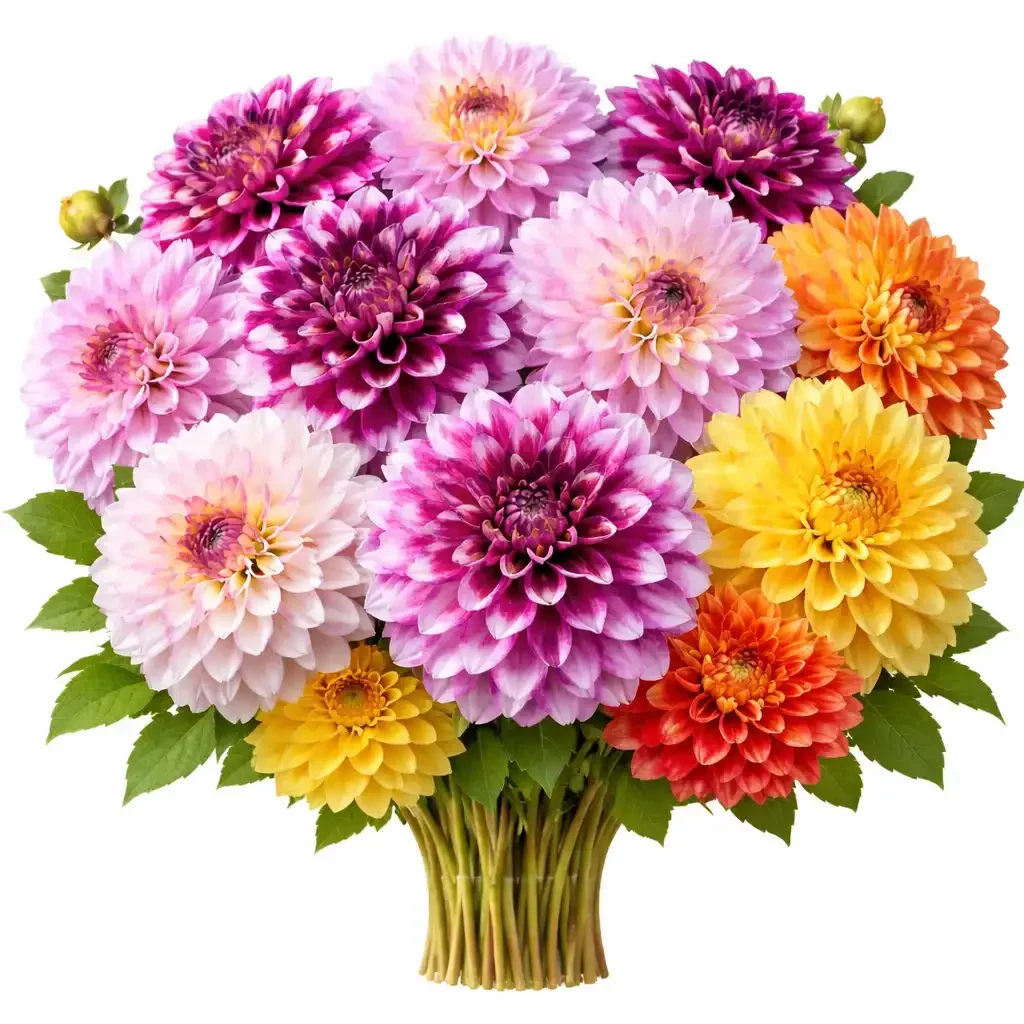
Dahlias are arguably the single most important and commercially powerful cut flower crop a homestead flower grower can cultivate during the summer and fall season. Their extraordinary diversity of form, from the massive dinner-plate varieties with blooms spanning twelve inches or more to the delicate pompon types with perfectly round two-inch heads, from the waterlily forms with their overlapping soft petals to the dramatic cactus types with their tightly rolled, spiky petals, combined with the widest and most sophisticated color range available from any single cut flower genus, creates a depth of commercial opportunity that no other summer flower can match. At the farmers market from midsummer through the first frost, a well-managed Dahlia planting is the most powerful sales driver available to any homestead operation.
For homestead growers, Dahlias represent the foundation of the summer and fall cut flower business. The tuber-based growing system, where an initial investment in quality tubers produces plants that can be dug, divided, and replanted each season to create an ever-expanding supply of new plants, means that the production capacity of a Dahlia operation grows year after year from a single initial investment. The extraordinary color range and form diversity means that homestead growers can target every market segment simultaneously, from the florist seeking large cafe au lait focal blooms for wedding work to the farmers market customer reaching for a bright orange decorative dahlia to the CSA subscriber who receives a single perfect pompon in her weekly subscription box.
Here is why Dahlias deserve the most prominent spot on your homestead:
They are the most commercially productive and versatile summer cut flower available. No other summer annual or tender perennial matches the combination of extraordinary color range, diverse flower forms, long blooming season from midsummer through frost, and consistent commercial demand that Dahlias deliver season after season.
The tuber division system creates an ever-expanding production base from a minimal initial investment. Every Dahlia tuber planted produces a clump of new tubers by fall. Properly dug, stored, and divided, a single starting tuber can produce five to ten or more new planting-quality tubers each season, allowing homestead growers to dramatically expand production from year to year without purchasing new tubers.
They bloom during the peak summer and fall market season when demand is highest. Dahlias reach peak production in late summer and early fall precisely when the summer wedding season is at its most active and when the fall farmers market season draws the largest crowds. This timing alignment with peak market demand creates one of the most commercially favorable production windows available from any cut flower crop.
The cafe au lait color and specialty varieties command the highest per-stem prices available from any summer cut flower. Certain Dahlia varieties, most famously Cafe au Lait, command wholesale and retail prices that rival the most premium summer specialty flowers and that create a per-stem return on tuber investment that is genuinely extraordinary.
A well-managed Dahlia planting effectively extends the homestead cutting garden income from midsummer all the way to the first frost. Unlike many summer flowers that bloom intensely but briefly, Dahlias bloom continuously from midsummer until frost with increasing production as the season progresses, effectively covering the most commercially active five-to-six month period of the annual cut flower calendar.
Growing Conditions
Sunlight
Dahlias require full sun to perform at their commercial best. They need at least 6 to 8 hours of direct sunlight per day for the strongest stems, largest blooms, and most vivid colors. In partial shade stems become weak and floppy, bloom size decreases, and the rich, saturated colors that make Dahlia so commercially powerful become less vivid. Full sun combined with consistent moisture and appropriate nutrition produces the ideal conditions for the long-stemmed, large-bloomed, deeply colored cuts that command premium prices. In very hot climates some afternoon shade can reduce heat stress during the most intense summer heat.
Soil
Dahlias prefer well-drained, moderately fertile soil. Good drainage is the single most critical soil requirement as Dahlia tubers rot quickly in waterlogged or poorly drained conditions. A loose, well-drained soil with a pH between 6.0 and 7.0 is ideal. Incorporate generous amounts of compost before planting to improve soil structure, fertility, and drainage. In heavy clay soils build raised beds or incorporate significant amounts of coarse sand and compost to ensure the excellent drainage that prevents tuber rot during the growing season and particularly after the first fall rains when tubers are ripening before digging.
Water
Dahlias need consistent, generous watering throughout their growing and blooming season. Adequate moisture is particularly critical during the bud development and blooming phase when the plant is producing and opening its flowers. Drought stress at this stage causes reduced bloom size, shortened stems, and reduced production. Water deeply two to three times per week during the growing season, more frequently during hot and dry conditions. Drip irrigation is strongly preferred as it delivers water to the root zone without wetting the foliage which can promote the powdery mildew that is Dahlia's most common disease problem. After the first fall frost, stop watering to allow the soil to dry before digging tubers.
Temperature
Dahlias love warm temperatures and perform at their absolute best in moderate to warm summer conditions between 65 and 85 degrees Fahrenheit. They do not tolerate frost and tubers must not be planted until after the last frost date when soil has warmed to at least 60 degrees Fahrenheit. In most of the continental United States they are grown as warm season annuals with tubers planted in spring and dug in fall. In cold winter climates tubers must be lifted after the first frost, stored over winter, and replanted each spring. In mild winter climates within USDA zones 8 to 11 tubers can remain in the ground year round in well-drained locations.
Planting Guide
Dahlias are grown from tubers that are planted after the last frost date when soil has warmed. The timing of planting directly determines the timing of the first blooms, making succession planting an option for extending the harvest window in climates with long growing seasons.
Step 1: Purchase quality tubers from reputable specialty Dahlia suppliers. For cut flower production choose varieties specifically recommended for cut flower use with long stems and flower forms and colors that command premium prices in your specific market. Avoid small or damaged tubers as these produce weak plants with reduced commercial productivity.
Step 2: Prepare the planting bed thoroughly before planting. Incorporate generous amounts of compost and a balanced fertilizer to a depth of at least 12 inches. Good soil preparation done once before planting supports the entire productive season.
Step 3: Plant tubers horizontally in the planting bed with the eye or growing point facing upward. The eye is a small protuberance on the neck of the tuber near where it attached to the main stalk of the previous season's plant. Plant at a depth of 4 to 6 inches with the eye closest to the soil surface.
Step 4: Space tubers according to variety size. Large dinner plate and decorative varieties need 18 to 24 inches between plants. Medium decorative and ball varieties need 15 to 18 inches. Smaller pompon and single-flowered varieties need 12 to 15 inches. Closer spacing for cut flower production compared to landscape planting encourages taller, straighter stems.
Step 5: Install support stakes at planting time before stems emerge. Dahlia plants become very large and the flower-heavy stems are vulnerable to wind and rain damage. Installing stakes at planting prevents root and stem damage that occurs when staking is attempted after plants are established. Horizontal support netting installed at planting and raised as stems grow is the most efficient approach for large cut flower plantings.
Step 6: Do not water until shoots emerge. Overwatering tubers before stems emerge is one of the most common causes of tuber rot. Wait until green growth appears above the soil surface before beginning regular irrigation.
Seed vs Tuber: Always grow Dahlias from tubers for cut flower production. Growing from seed produces variable results and takes longer to produce blooming plants than tubers. Named variety tubers are the only way to ensure the specific colors and forms that command premium prices.
Spacing: 12 to 24 inches apart depending on variety size.
Planting Season: After last frost when soil has warmed to 60 degrees Fahrenheit.
Maintenance
Pinching
Pinching the central growing tip when plants have developed three to four sets of leaves and are approximately 12 to 16 inches tall is one of the most important practices for cut flower production. Pinching forces the plant to develop multiple lateral branches from the base, dramatically increasing the total number of harvestable stems throughout the season compared to unpinched plants. It delays the first bloom by approximately two to three weeks but the increase in total seasonal stem yield is substantial. Some growers prefer not to pinch large dinner-plate varieties to preserve the longest possible first stems, but for most cut flower varieties pinching is strongly recommended.
Disbudding
For the largest possible individual blooms on the longest stems, particularly important for dinner-plate varieties grown for florist and wedding work, remove the two smaller buds that appear alongside the main central bud on each stem. This disbudding concentrates the plant's energy into the single main bud, producing significantly larger individual blooms than would develop with competition from the side buds.
Staking and Support
Install horizontal support netting at 18 inches above the soil surface at planting time and add additional layers at 36 inches as plants grow. This netting provides efficient support for the many stems produced by each plant and prevents wind and rain damage to developing stems and blooms. Individual bamboo stakes tied to main stems provide additional support for very large dinner-plate varieties.
Fertilizing
Dahlias are moderate to heavy feeders that require regular fertilization throughout their growing and blooming season. Apply a balanced fertilizer at planting. Once plants are established and beginning to bloom, switch to a low-nitrogen, higher-phosphorus and potassium fertilizer to support flowering and tuber development rather than excessive vegetative growth. Avoid high-nitrogen fertilizers which produce lush, leafy plants with reduced blooming and hollow stems that do not hold water well after cutting.
Watering Management
Consistent moisture is critical for productive Dahlia cut flower production. Once stems are established, water deeply two to three times per week, adjusting for rainfall. As fall progresses and temperatures cool, reduce watering frequency but maintain consistent moisture until after the first frost when water should be stopped entirely to allow soil to dry before tuber digging.
Pest Control
Spider mites are the most common and most commercially damaging pest of Dahlias in hot, dry conditions. Look for fine webbing and bronze-stippled foliage. Maintain adequate moisture and treat with neem oil or insecticidal soap at the first sign of activity. Earwigs and thrips can damage petals, particularly on light-colored varieties. Monitor regularly and treat promptly. Slugs and snails can damage emerging shoots in spring.
Disease Prevention
Powdery mildew is the most common disease problem with Dahlias, appearing as white powdery coating on foliage particularly in late summer and fall as temperatures fluctuate. Choose mildew-resistant varieties, space plants properly for good air circulation, water only at the base, and apply preventive organic fungicide sprays in climates where mildew is consistently problematic. Botrytis can affect flowers in cool, humid conditions. Good air circulation and removing spent and declining blooms promptly are the most effective preventive measures.
Tuber Digging and Storage
When to Dig
In cold winter climates dig tubers after the first light frost has blackened the foliage but before hard freezes penetrate deeply into the soil. The first frost actually helps cure the tubers and improves storage longevity. Do not leave tubers in the ground after temperatures drop consistently below 25 degrees Fahrenheit as severe freezing destroys tubers.
How to Dig
Use a garden fork or spade to dig around the perimeter of the plant at a generous distance from the crown to avoid damaging the tubers. Lift the entire clump carefully. The clump will have grown significantly from a single tuber planted in spring, often producing five to twenty or more new tubers depending on variety and growing conditions. Shake off excess soil and cut the main stalk to approximately 4 to 6 inches above the crown.
Curing and Storage
Allow freshly dug clumps to dry in a warm, well-ventilated location for a few days before cleaning and storage. Once cured, remove excess soil, trim broken roots, and inspect all tubers. Discard any that show signs of rot, damage, or disease. Store tubers in boxes or crates surrounded by dry vermiculite, peat, or wood shavings in a cool, dark, frost-free location at 40 to 50 degrees Fahrenheit.
Dividing for Replanting
In spring before replanting, divide stored clumps into individual tubers. Each division must include a portion of the crown or neck with at least one viable eye to produce a new plant. Tubers without eyes will not grow. Dividing at replanting time rather than at digging time allows the eyes to develop and become easier to identify over the winter storage period.
Harvesting
When to Harvest
Harvest Dahlias when the blooms are fully open, showing their most vivid color, and with the central disk just becoming visible or not yet fully visible. Unlike many cut flowers that are harvested in bud, Dahlias must be harvested at or near full bloom to develop their maximum vase life. Dahlias harvested as buds typically fail to open properly after cutting. The back of the bloom should feel slightly soft and yielding when gently squeezed rather than rock hard, indicating that the bloom has reached appropriate maturity. Harvest in the early morning before the heat of the day.
How to Cut
Use clean, sharp pruners or a sharp knife. Cut stems as long as possible by cutting low on the plant near the crown, leaving at least one pair of leaves on the stem below the cut to allow the plant to continue producing new lateral stems. Immediately place cut stems in a bucket of water. For hollow-stemmed varieties such as many dinnerplate types, turning the freshly cut stem upside down, filling the hollow stem with water, and sealing the end with your thumb before inverting into a bucket of cool water significantly improves water uptake and vase life.
Conditioning
After cutting, place stems in deep cool water in a cool, dark location for a minimum of four to six hours and ideally overnight. This conditioning period is critical for Dahlia vase life. If refrigeration is available, conditioning at 34 to 38 degrees Fahrenheit gives the best results. Do not condense the conditioning time as insufficient conditioning is the most common cause of short vase life in Dahlias.
How Often to Harvest
Harvest every two to three days as new blooms reach the correct stage. A single well-established Dahlia plant produces three to ten or more harvestable stems per week during peak production depending on variety and growing conditions. Regular harvesting is both a commercial activity and a maintenance practice that keeps plants productive throughout their long season.
Vase Life
Dahlias typically last 5 to 8 days as fresh cut flowers with proper conditioning and care. Strip all foliage below the waterline, recut stems at an angle, and place in fresh water with a floral preservative. Change water every two days and recut stems to maximize longevity. Keep arrangements in the coolest available location as warm temperatures significantly shorten vase life.
Uses on a Homestead
Cut Flower Use
Dahlias are grown primarily as premium fresh cut flowers. Their extraordinary diversity of form and color makes them the most versatile single cut flower crop available for mixed bouquet production, single-variety statement bundles, wedding and event work, and CSA subscription boxes. Dinner-plate varieties provide the most dramatic and highest-per-stem-value blooms for florist and wedding use. Medium decorative and ball varieties provide versatile, reliable market bouquet material throughout the season. Small pompon and single-flowered varieties provide prolific stem production for mixed bouquets and subscription boxes.
Wedding and Event Flowers
Dahlias are among the most requested flowers for late summer and fall weddings. Their extraordinary color range, diverse forms, and the rich, saturated colors of the best varieties make them the defining flower of the autumn wedding aesthetic. The cafe au lait and other dusty, sophisticated varieties have become among the most requested wedding flowers across every design aesthetic from the most casual to the most refined.
Farmers Market
Dahlias are the most commercially powerful summer and fall flower at any farmers market. Their bold, vivid colors and extraordinary diversity of forms create an immediate, powerful market display that draws customers from across the market. Single-variety bundles of unusual colors and specialty forms, mixed-color bouquets in complementary or seasonal palettes, and statement single stems of large dinner-plate varieties all sell consistently and at strong prices throughout the long summer and fall season.
Tuber Sales
In cold winter climates where tubers must be dug and divided annually, excess tubers that are not needed for the following season's planting represent a significant additional income stream. Named variety Dahlia tubers, particularly specialty colors and sought-after forms, sell well through online platforms, at fall markets, and to other growers. Building a collection of desirable named varieties over several seasons creates an increasingly valuable tuber inventory that can generate meaningful income beyond cut flower sales.
Can You Make Money With Dahlias
Yes, Dahlias are the most financially productive and commercially reliable single cut flower crop available to homestead summer and fall operations. The combination of the widest commercially valuable color range, the longest summer and fall blooming window, the most diverse range of flower forms serving every market segment, the tuber division system that multiplies production capacity each season, and the extraordinary per-stem prices commanded by the most sought-after specialty varieties creates a commercial profile that no other single summer cut flower can match.
The tuber division system creates an ever-expanding production base. A single starting investment in quality named variety tubers multiplies each season through division, allowing homestead operations to dramatically expand Dahlia production year over year without proportional increases in tuber purchasing costs. This multiplication effect is one of the most powerful long-term financial characteristics of a well-managed Dahlia operation.
The cafe au lait premium demonstrates the extraordinary upper end of Dahlia commercial value. The Cafe au Lait Dahlia variety alone commands wholesale prices that rival the most premium specialty cut flowers available from any source. A single established Cafe au Lait plant producing quality blooms on long stems can generate extraordinary weekly revenue during its peak late summer production.
The longest summer and fall blooming window of any tender perennial cut flower covers the most commercially active market period. Dahlias bloom from midsummer through the first frost, covering the most commercially active five-to-six month period of the annual cut flower calendar with the most visually powerful and commercially valuable blooms available from any summer crop.
Farmers Market: Fresh Dahlia bundles sell for 10 to 20 dollars per bunch of five stems for standard market varieties. Large dinner-plate stems sell individually for 4 to 8 dollars each. Specialty varieties including Cafe au Lait and unusual forms sell for 15 to 25 dollars per bunch or 5 to 10 dollars per stem.
Florists and Wedding Designers: Dahlias are in consistent high demand from florists and wedding designers throughout the summer and fall season. Large dinner-plate varieties in specialty colors command wholesale prices of 3 to 6 dollars per stem or more for the most sought-after varieties.
CSA Flower Subscriptions: Dahlias are the most commercially powerful inclusion in any summer or fall flower subscription box. A single dinner-plate Dahlia in a subscription box creates immediate subscriber excitement and justifies premium subscription pricing throughout the long Dahlia season.
Tuber Sales: Named variety Dahlia tubers sell for 5 to 25 dollars per tuber at spring markets and through online platforms. Highly sought-after specialty varieties command prices at the top of that range and generate significant additional income beyond cut flower sales.
Companion Plants
Dahlias grow beautifully alongside many other summer and fall cut flowers with similar growing requirements and complementary bloom times.
Zinnias: Both are heat-loving summer flowers that grow in similar conditions and complement each other beautifully in mixed summer bouquets where Dahlias provide large, dramatic focal blooms and zinnias provide vibrant supporting color.
Lisianthus: Both are premium summer cut flowers with complementary refined forms that pair magnificently in high-end mixed arrangements.
Celosia: Both thrive in warm summer conditions and complement each other beautifully in vibrant mixed arrangements with contrasting round and feathery forms.
Rudbeckia: Both bloom in summer through fall with warm tones that complement each other beautifully in mixed late summer arrangements where Dahlias provide large focal blooms and rudbeckia provides warm golden supporting color.
Ornamental Grasses: Provide beautiful structural movement and a naturalistic quality that contrasts with the bold, precise form of Dahlia blooms in mixed arrangements and in the landscape.
Gladiolus: Both are summer bulb crops that bloom at overlapping times and complement each other magnificently in mixed arrangements where Gladiolus provides tall vertical spikes and Dahlias provide large, round focal blooms.
Common Problems
Tuber Rot at Planting
The most common cause of planting failure. Caused by planting in cold, wet soil or watering before shoots emerge above the soil. Plant only after soil has warmed to 60 degrees Fahrenheit, do not water until green growth appears above the soil, and ensure excellent drainage in the planting bed.
Powdery Mildew
The most common disease problem with Dahlias particularly in late summer and fall as temperatures fluctuate. White powdery coating on foliage and sometimes stems. Choose mildew-resistant varieties, space properly for air circulation, water at the base only, and apply preventive organic fungicide. Late-season mildew reduces foliage quality but rarely significantly impacts the flowers themselves.
Spider Mites
The most commercially damaging pest in hot, dry conditions. Fine webbing and bronze-stippled foliage are the most characteristic symptoms. Maintain adequate moisture and treat with neem oil or insecticidal soap at the first sign of activity. Spider mite populations build rapidly in hot, dry conditions so early detection and treatment is essential.
Hollow Stems
Common in large dinner-plate varieties with naturally hollow main stems. Does not indicate a problem but requires special handling after cutting. Fill hollow stems with water, seal with a thumb, and invert into a bucket of cool water to improve hydration and vase life.
Failure to Bloom
Usually caused by planting tubers without viable eyes, planting in cold soil before it has warmed sufficiently, tubers that rotted before shoots emerged, excessive nitrogen fertilization that promotes vegetative growth at the expense of flowering, or insufficient sun. Check all tubers for viable eyes before planting, wait for soil to warm, avoid high-nitrogen fertilizers once plants are established, and ensure at least six to eight hours of direct sun daily.
Varieties to Consider
Dinner Plate and Large Decorative
Cafe au Lait: The most commercially sought-after Dahlia variety in the world. Large, informal decorative blooms in a unique soft combination of blush, peach, cream, and dusty rose tones that shifts subtly with temperature, light, and stage of bloom. Commands the highest wholesale and retail prices of any commonly grown Dahlia variety. Essential for any homestead Dahlia operation targeting the wedding and premium florist market.
Labyrinth: Large, soft peach to blush-pink informal decorative blooms. Very popular with wedding florists as a companion to Cafe au Lait in soft, romantic arrangements. Strong stems and reliable production.
Penhill Dark Monarch: Large, deep burgundy to near-black informal decorative blooms. Commands premium prices for its unusual dark color. Very popular with florists working with dramatic, jewel-toned late summer and fall palettes.
Breakout: Large, soft lavender to lilac informal decorative blooms. Very popular with florists for its unusual lavender coloring that is rare in large-flowered Dahlias.
Ball and Pompon
Sylvia: Deep coral-red to orange-red ball type with perfectly round, densely petaled blooms. Prolific production and strong stems. Very popular at farmers markets for its vivid color and reliable production.
Cornel: Dark burgundy to red pompon type with small, perfectly round blooms. One of the most prolific pompon varieties for cut flower production. Commands premium prices for its unusual small-scale form and deep color.
Waterlily
Ferncliff Illusion: Soft pink to blush waterlily type with overlapping, softly reflexing petals. Very popular with wedding florists for its romantic, soft-focus petal arrangement. Good stem length and reliable production.
Cactus and Semi-Cactus
Kogane Fubuki: White semi-cactus with tightly rolled, spiky petals creating a dramatically different texture than rounded petal forms. Very popular with florists for its unusual textural quality. Commands premium prices for its distinctive form.
Single-Flowered and Open-Centered
Bishop of Llandaff: Vivid red single-flowered type with distinctive dark bronze-black foliage. The combination of bright red flowers and dark foliage is extraordinarily dramatic and unlike any other Dahlia. Very popular at farmers markets and with florists for its unusual foliage color.
Karma Choc: Deep chocolate-burgundy single type with a prominent yellow center. Extremely popular for its unusual deep color and the ecologically important open center that provides pollinator access.
Final Thoughts
Dahlias are the foundation of the homestead summer and fall cut flower business. No other single crop provides the same combination of extraordinary commercial reach across every market segment, the full spectrum of summer and fall color from the palest blush through the deepest near-black, the diversity of flower forms from tiny pompons to massive dinner plates, the tuber multiplication system that grows the production base year after year, and the long midsummer-through-frost blooming window that covers the most commercially active period of the annual cut flower calendar. They require genuine investment in quality tubers, careful soil preparation, consistent staking, reliable moisture, and appropriate pest and disease management to perform at their commercial best. But for homestead growers who make that investment and develop the market relationships that value the extraordinary diversity and beauty of a well-managed Dahlia planting, Dahlias consistently deliver the strongest per-acre financial returns available from any single summer cut flower crop. Plant quality named variety tubers, pinch for maximum stem production, stake reliably before stems emerge, condition thoroughly overnight before every sale, and Dahlias will be the commercial heart of your homestead flower operation from midsummer through the first frost season after season.
FAQ
Why do my Dahlia cut flowers wilt after only a day or two in a vase? Short vase life in Dahlias is almost always caused by insufficient conditioning before use, harvesting at the wrong developmental stage, or inadequate water uptake due to air locks in the stem. Dahlias must be harvested when fully open and conditioned in deep cool water overnight before sale or arrangement. Harvesting as buds produces flowers that either fail to open or wilt rapidly. For hollow-stemmed varieties, filling the hollow stem with water immediately after cutting and inverting into a water bucket prevents the air locks that cause wilting. Always condition in cool water for a minimum of four to six hours and ideally overnight before any commercial use.
How do I store Dahlia tubers over winter? Dig tubers after the first light frost has blackened the foliage, shake off excess soil, and allow to cure in a warm, ventilated location for a few days. Store in boxes or crates surrounded by dry vermiculite, peat, or wood shavings in a cool, dark, frost-free location at 40 to 50 degrees Fahrenheit. Check stored tubers monthly and remove any that show signs of rot to prevent spread. Divide stored clumps into individual tubers with viable eyes in spring just before replanting. Common storage failures include storage at temperatures below freezing which destroys tubers, storage in excessively wet conditions which causes rot, and storage in excessively dry conditions which causes tubers to desiccate and shrivel.
What makes Cafe au Lait so valuable compared to other Dahlia varieties? Cafe au Lait's extraordinary commercial value comes from a combination of factors that are genuinely unique. The color is unlike any other Dahlia, a complex, shifting blend of blush, peach, cream, and dusty rose that changes subtly with temperature, sunlight, and stage of bloom, creating a nuanced sophistication that no other variety replicates. This color perfectly matches the most popular contemporary wedding and event design palettes, creating a demand that exceeds supply at virtually every market level. The large, informal decorative form on good stems creates the perfect size and shape for focal flower use in high-end design work. The relative scarcity of quality locally grown Cafe au Lait compared to the strong demand from wedding florists and sophisticated market customers creates a market positioning that supports premium pricing year after year.
How do I prevent powdery mildew on Dahlias? The most effective prevention strategy combines several complementary practices. Choose mildew-resistant varieties wherever possible. Space plants at the recommended 18 to 24 inches for adequate air circulation rather than planting more closely. Water only at the base using drip irrigation or soaker hoses and never overhead. Remove any affected foliage promptly when spotted. Apply preventive organic fungicide sprays based on neem oil or potassium bicarbonate on a regular schedule in climates where powdery mildew is consistently problematic, beginning before symptoms appear rather than waiting for the disease to establish. Maintaining vigorous plant health through appropriate fertilization and consistent moisture also reduces the stress-related susceptibility that often precedes mildew outbreaks.