
Dianthus
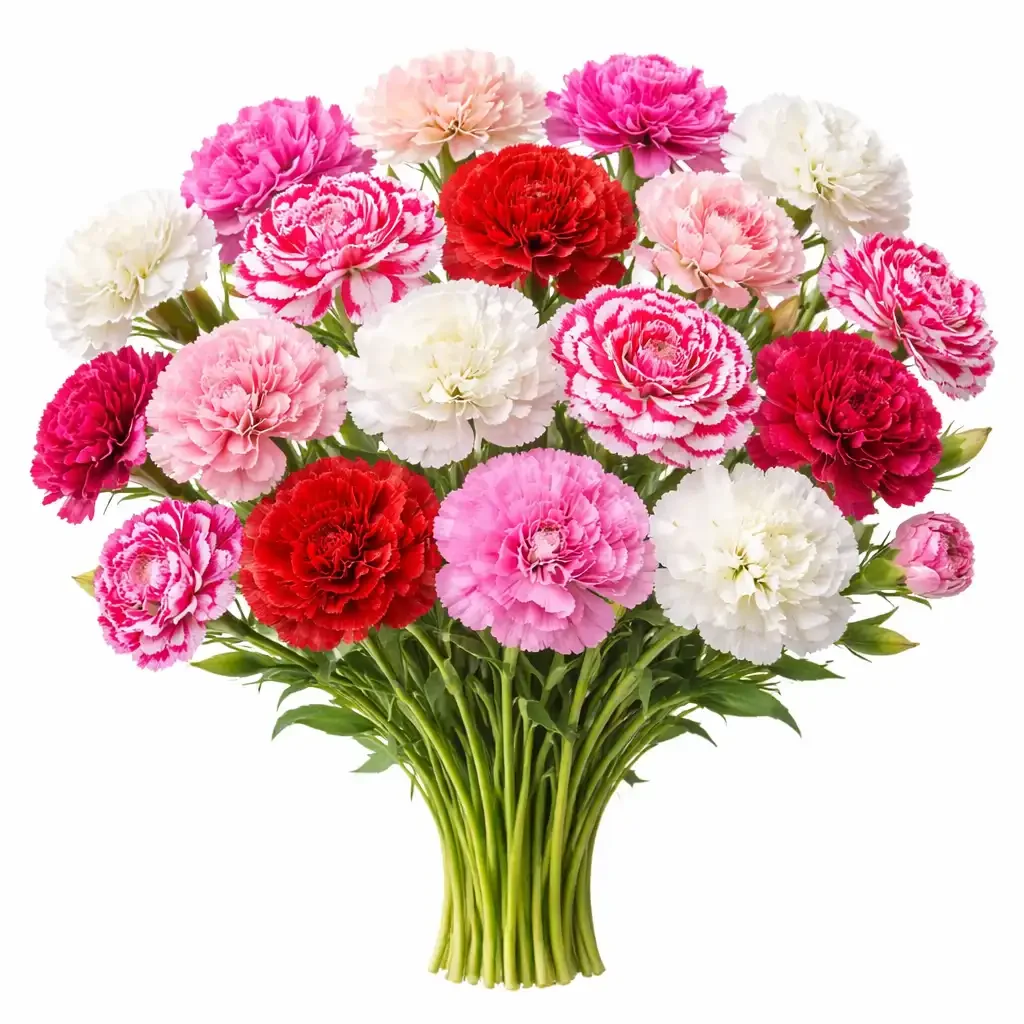
Quick Overview
Common Name: Dianthus, Carnation, Sweet William, Pinks
Scientific Name: Dianthus spp.
Plant Type: Annual, biennial, and perennial varieties available
USDA Zones: 3 to 9 depending on species
Sun Requirement: Full Sun
Soil Type: Well-drained, average to moderately fertile, slightly alkaline
Bloom Season: Late Spring through Summer, Fall in mild climates
Height: 6 to 36 inches depending on species and variety
Pollinator Friendly: Yes
Edible: Yes, petals are edible
Why Grow Dianthus on a Homestead
Dianthus is one of the most commercially important and historically significant cut flower genera available to homestead growers. Encompassing the florist carnation, the fragrant garden pinks, and the biennial Sweet William, Dianthus spans a remarkable range of commercial cut flower applications from the most formal florist arrangements to the most casual cottage garden bouquets. The carnation alone is consistently ranked among the top five most commercially important cut flowers in the world, and the fragrant garden pinks provide a distinctive, clove-scented specialty cut flower that commands premium prices in a market increasingly hungry for fragrance. Together the Dianthus family offers homestead growers a genuinely comprehensive range of cut flower products that covers every market from the highest-end wedding florist to the most casual farmers market customer.
For homestead growers, the most compelling commercial opportunity within the Dianthus family lies not in attempting to compete with the mass-produced florist carnations that dominate commercial wholesale markets, but in growing the specialty fragrant varieties, the old-fashioned garden pinks with their extraordinary clove fragrance, the lace carnations with their unusual frilly petals, and the Sweet Williams with their dense, multicolored flower heads, that commercial operations cannot and do not grow. These specialty Dianthus products occupy a premium market position that is genuinely unavailable from any other source, commanding prices that reflect their genuine rarity and distinctive commercial value.
Here is why Dianthus deserves a prominent spot on your homestead:
The fragrance of garden pinks is one of the most powerful and commercially compelling floral scents available. The rich, spicy, clove-like fragrance of Dianthus garden pinks is one of the most instantly distinctive and universally appreciated floral scents in existence. Fragrant flowers always command premium prices and garden pinks deliver fragrance at a level that rivals the finest rose varieties.
Sweet William provides bold, colorful, long-lasting cut stems during the peak late spring wedding season. Sweet William blooms precisely when the spring wedding season is most active, providing dense, colorful flower heads in bold and complex color combinations that are genuinely distinctive and that florists and customers consistently seek out.
The color range across the Dianthus family is extraordinary. From pure white through every shade of pink, salmon, coral, red, burgundy, and deep magenta, with bicolors, picotee edges, and lace patterns, Dianthus covers every market color preference with flower forms ranging from the most refined to the most exuberant.
Many Dianthus varieties are cold hardy perennials that return year after year. Unlike annual carnations that must be replanted each season, many garden pink varieties are long-lived perennials that return with increasing productivity, providing a permanent cut flower resource from a fixed initial investment.
Edible petals create an additional premium income channel. Dianthus petals are edible and have a pleasant, spicy, clove-like flavor that makes them one of the most appealing edible flower garnishes available to restaurants and specialty food markets.
Growing Conditions
Sunlight
Dianthus requires full sun to perform its best. It needs at least 6 to 8 hours of direct sunlight per day for the strongest stems, most abundant flowering, and the most intense fragrance in garden pink varieties. In partial shade stems become weak and the characteristic fragrance intensity decreases significantly. Full sun combined with good air circulation produces the ideal conditions for productive Dianthus cut flower production.
Soil
Dianthus prefers well-drained, average to moderately fertile soil with a slightly alkaline pH between 6.5 and 7.5. This slightly alkaline preference is one of the more distinctive soil requirements of the Dianthus family and differentiates it from most other cut flower crops that prefer slightly acidic conditions. If your soil is acidic, adding a light application of garden lime before planting can significantly improve performance. Good drainage is essential as Dianthus is very susceptible to crown rot and root rot in waterlogged or poorly drained conditions. Sandy loam with adequate organic matter is ideal.
Water
Water consistently throughout the growing season to maintain even soil moisture. Dianthus needs consistent moisture during active growth and blooming but must never sit in waterlogged soil. Water deeply at the base of the plant rather than overhead to avoid wetting the foliage and flowers. Overhead watering promotes fungal diseases and reduces the vase life of cut stems. Drip irrigation is ideal for Dianthus production. Reduce watering somewhat after the main bloom period as plants enter a slower growth phase.
Temperature
Temperature requirements vary significantly between Dianthus types. Florist carnations perform best in cool temperatures between 50 and 65 degrees Fahrenheit and are grown commercially in controlled greenhouse conditions. Garden pinks are more adaptable, performing well across a wider range of temperatures. Sweet William is a cool season biennial that performs best in the moderate temperatures of spring. Most perennial garden pinks are cold hardy in USDA zones 3 to 9 and perform well across the full range of continental climates. In hot climates above USDA zone 8, heat-tolerant varieties perform best and some afternoon shade can improve summer performance.
Planting Guide
Planting approaches vary significantly between Dianthus types.
Perennial Garden Pinks (Dianthus plumarius and hybrids)
Step 1: Plant nursery transplants in spring after the last frost date or in fall in mild climates. Garden pinks are among the most reliable perennial Dianthus types for homestead cut flower production and are strongly recommended as the primary focus for most homestead operations.
Step 2: Choose a location with full sun and well-drained, slightly alkaline soil. If soil pH is below 6.5, incorporate a light application of garden lime before planting.
Step 3: Plant at the same depth as the container, spacing 12 to 15 inches apart for cut flower production. Do not plant too deeply as burying the crown increases the risk of crown rot.
Step 4: Water thoroughly after planting and keep soil consistently moist until established. After establishment, transition to regular but not excessive watering.
Sweet William (Dianthus barbatus)
Step 1: Sow seeds indoors 8 to 10 weeks before the last frost date for late spring blooming plants. Sweet William is biennial but can be grown as an annual from early indoor sowing in many climates.
Step 2: Direct sow outdoors in late spring to early summer for blooming plants the following year if managing as a true biennial.
Step 3: Transplant outdoors after the last frost date, spacing 9 to 12 inches apart in a location with full sun and well-drained soil.
Step 4: Allow a proportion of plants to self-seed each season for a self-renewing biennial population after the initial establishment year.
Annual Carnations (Dianthus caryophyllus)
Step 1: Start seeds indoors 10 to 12 weeks before the last frost date. Carnations have a long production timeline from seed to first bloom.
Step 2: Transplant after last frost, spacing 12 to 15 inches apart in full sun with well-drained, slightly alkaline soil.
Step 3: Pinch plants at 6 to 8 inches to encourage branching and increase the number of flowering stems per plant.
Seed vs Transplant: Nursery transplants are recommended for perennial garden pinks. Sweet William can be reliably started from seed. Annual carnations benefit from an early indoor start due to their long production timeline.
Spacing: 9 to 15 inches apart depending on the specific type.
Planting Season: Spring after last frost in most climates. Fall planting works well for garden pinks in mild climates.
Maintenance
Pinching
Pinching the central growing tip of young plants when they reach 6 to 8 inches tall is one of the most important practices for cut flower production. Pinching forces the plant to develop multiple lateral shoots, dramatically increasing the total number of harvestable stems per plant. This is particularly important for annual carnations and for the first season of newly established garden pinks.
Deadheading
Remove spent blooms promptly throughout the blooming season to encourage continuous stem production. For garden pinks deadheading is critical for extending the productive season as plants that are allowed to set seed stop producing new stems quickly.
Shearing
After the main bloom flush of perennial garden pinks, shearing plants back by approximately one third stimulates a second flush of blooming later in the season. This shearing practice can significantly extend the productive cut flower season from a single permanent planting.
Fertilizing
Apply a balanced fertilizer at planting and a light application every four to six weeks during the growing season. A fertilizer with adequate calcium supports the strong stem development that is critical for cut flower quality. Avoid excessive nitrogen which promotes lush, soft growth that is more susceptible to disease. Slightly phosphorus-rich fertilizers encourage the strongest flower production.
Pest Control
Aphids and thrips are the most common pests of Dianthus. Aphids appear on new growth and developing buds. Thrips damage petals, causing browning and distortion. Monitor regularly and treat with neem oil or insecticidal soap at the first sign of activity. Spider mites can be a problem in hot, dry conditions. Maintain adequate moisture and treat with neem oil if spider mite populations develop.
Disease Prevention
Crown rot and fusarium wilt are the most serious disease threats to Dianthus. Both are caused by soil-borne pathogens that thrive in wet, poorly drained conditions. Prevention through excellent drainage, correct crown positioning at or just above the soil surface, and avoiding overwatering is the most effective management strategy. Botrytis can affect flowers and foliage in cool, humid conditions. Good air circulation, avoiding overhead watering, and removing spent and declining plant material promptly are the most effective preventive measures.
Harvesting
When to Harvest
Harvest timing varies by Dianthus type. For garden pinks, harvest when one to two flowers on each stem are fully open and the remaining buds are showing color. For carnations, harvest when the outer petals are beginning to unfurl from the bud but before the flower is fully open. For Sweet William, harvest when approximately one quarter to one third of the individual flowers in the head are open. All Dianthus types should be harvested in the early morning when fragrance is most intense and stems are fully hydrated.
How to Cut
Use clean, sharp scissors or pruners. Cut stems as long as possible, cutting just above a node or lateral shoot to encourage new stem production. For garden pinks and carnations this produces stems of 12 to 18 inches. For Sweet William stems of 16 to 24 inches are achievable. Remove all foliage from the lower half of the stem immediately after cutting. Place stems immediately into a bucket of cool water with a floral preservative.
Conditioning
After cutting, place stems in deep cool water in a cool, dark location for several hours or overnight before sale or arrangement. Dianthus conditions readily and the conditioning period significantly improves vase life and petal firmness. If refrigeration is available, conditioning at 34 to 38 degrees Fahrenheit gives the best results for carnations.
How Often to Harvest
During peak bloom, harvest every two to three days as new stems reach the correct stage. Regular harvesting encourages continued stem production throughout the blooming season. Do not allow significant numbers of flowers to go to seed as this signals plants to reduce production.
Vase Life
Dianthus has excellent vase life. Garden pinks typically last 7 to 10 days. Carnations typically last 10 to 14 days or more. Sweet William typically lasts 7 to 10 days. Strip all foliage below the waterline, recut stems at an angle, and place in fresh water with a floral preservative. Change water every few days to maximize longevity.
Uses on a Homestead
Cut Flower Use
Dianthus is grown primarily as a fresh cut flower across its many types. Garden pinks provide intensely fragrant stems that transform the sensory experience of any bouquet they appear in. Sweet William provides bold, colorful, densely-flowered heads that add a cottage garden exuberance to spring and early summer arrangements. Annual and perennial carnations provide the refined, long-stemmed blooms that are florist industry staples. All types pair beautifully with roses, snapdragons, ranunculus, and other premium cut flowers in arrangements that range from the most casual to the most refined.
Wedding and Event Flowers
Dianthus is a wedding flower staple across multiple types and price points. Sweet William is a consistent spring wedding favorite for its bold colors and romantic cottage aesthetic. Fragrant garden pinks add an extraordinary aromatic dimension to wedding bouquets and arrangements. Carnations, particularly the lace and specialty forms unavailable through commercial channels, provide an elegant and commercially distinctive option for wedding florists seeking something different from standard wholesale offerings.
Fragrance at the Farm Stand
Garden pinks create one of the most powerful and immediately compelling fragrance experiences at any farmers market stand. The rich, spicy, clove-like scent carries remarkably far in warm weather and draws customers to the stand before they even see the flowers. A bucket of fresh garden pinks at a spring market is one of the most effective aromatic marketing tools available to any homestead fragrant flower grower.
Edible Petals
Dianthus petals are edible with a pleasant, spicy, clove-like flavor. Selling fresh Dianthus petals to restaurants, bakeries, and specialty food producers provides a premium income stream from the established planting. Always use only unsprayed, food-safe petals for culinary applications.
Can You Make Money With Dianthus
Yes, Dianthus is a profitable specialty cut flower crop for homestead operations, particularly for growers who focus on the fragrant garden pink and Sweet William types that are genuinely unavailable through commercial wholesale channels.
Fragrance premium creates exceptional market positioning. Intensely fragrant garden pinks command premium prices at every market level that plain or low-fragrance alternatives cannot justify. The clove-spice fragrance is one of the most distinctive and commercially powerful floral scents available.
Sweet William provides reliable late spring income during peak wedding season. Sweet William blooms precisely when the spring wedding season is most active, providing distinctive, bold-colored flower heads that wedding florists value and that are rarely available from other local sources.
Specialty varieties create genuine commercial differentiation. The lace carnations, old-fashioned striped pinks, and heritage Sweet Williams grown by homestead specialty growers are genuinely unavailable through commercial wholesale channels. This genuine rarity supports premium pricing.
Edible petal market provides additional premium income. Dianthus petals command significant premium prices as culinary edible flowers from restaurants and food producers who value the distinctive clove flavor and visual appeal of the petals.
Farmers Market: Fresh garden pink bundles sell for 8 to 14 dollars per bunch. Sweet William bundles sell for 8 to 12 dollars per bunch. Specialty carnation bundles sell for 10 to 18 dollars per bunch depending on variety and color.
Florists and Wedding Designers: Sweet William and fragrant garden pinks are consistently sought-after specialty flowers for spring wedding work. Establishing supply relationships with local wedding florists during the brief bloom season is one of the most financially rewarding sales channels.
CSA Flower Subscriptions: Garden pinks and Sweet William are among the most fragrant and distinctive additions to late spring and early summer flower subscription boxes. The extraordinary fragrance of garden pinks elevates the perceived quality of any subscription delivery.
Companion Plants
Dianthus grows beautifully alongside other cool to warm season flowers with similar growing requirements and complementary bloom times.
Roses: The classic Dianthus companion. Garden pinks planted near roses create a beautifully fragrant combination that is one of the most beloved and commercially powerful scent pairings in the cutting garden and at the market stand.
Snapdragons: Both are cool to warm season flowers with overlapping bloom times that complement each other beautifully in mixed spring and early summer arrangements where Dianthus provides fragrant focal interest and Snapdragons provide tall vertical color.
Ranunculus: Both bloom in cool to warm seasons and complement each other magnificently in romantic mixed bouquets where garden pinks provide fragrance and ranunculus provides refined, layered focal blooms.
Stock: Both are intensely fragrant cool to warm season flowers with overlapping bloom times that create the most powerfully fragrant mixed spring bouquets when combined.
Lavender: Both prefer well-drained, slightly alkaline soil and full sun. Lavender and Dianthus grown together create a beautifully fragrant Mediterranean-inspired combination that is extremely popular at summer markets.
Sweet Alyssum: A low-growing, fragrant annual that grows naturally alongside taller Dianthus, providing a fragrant ground-level cover that complements the vertical form of garden pinks and carnations.
Common Problems
Crown Rot and Fusarium Wilt
The most serious disease threats to Dianthus. Crown rot develops when the crown is buried too deep or when moisture accumulates around the base of the plant. Fusarium wilt is a soil-borne fungal disease that causes progressive wilting and decline. Prevention through excellent drainage, planting with the crown at or just above the soil surface, avoiding overhead watering, and practicing crop rotation is the most effective management approach. Remove and destroy any affected plants immediately.
Thrips Damage
The most commercially damaging pest for Dianthus cut flower production. Thrips feed on developing petals, causing browning and distortion that significantly reduces market value. Monitor developing buds with sticky traps and treat preventively with neem oil or insecticidal soap. Choosing varieties with thicker petals and managing plants for vigorous, healthy growth reduces thrip pressure.
Aphids
Commonly appear on new growth and developing buds. Treat promptly with a strong spray of water or neem oil. Aphid damage to developing buds can distort flowers and reduce fragrance quality in garden pinks.
Failure to Bloom in Garden Pinks
Common in plants that have been sheared back and are waiting for the second flush, or in plants that have become too woody and overcrowded. Shear plants back by one third immediately after the main bloom flush to encourage a second blooming period. Divide overcrowded clumps every three to four years to maintain vigor.
Short Vase Life from Bent Necks
Can occur in carnations when stem ends are cut in warm conditions and not immediately placed in water, causing air locks in the stem. Always recut stems under water or immediately place freshly cut stems in cool water. Conditioning overnight before sale dramatically reduces bent neck problems in carnations.
Varieties to Consider
Garden Pinks (Dianthus plumarius and hybrids)
Dianthus Mrs. Sinkins: A classic heritage garden pink with fully double, fringed white blooms and extraordinary clove fragrance. One of the most intensely fragrant of all Dianthus varieties. Very popular at markets for its old-fashioned cottage garden appeal and remarkable scent.
Dianthus Doris: A classic double pink with soft salmon-pink blooms and strong fragrance on good stems. One of the most widely grown and commercially reliable garden pink varieties for cut flower production.
Dianthus Devon Wizard: A modern hybrid with vivid magenta-pink blooms and strong fragrance on strong stems. Excellent cut flower performance and reliable perennial habit.
Dianthus Haytor White: A double white variety with very strong fragrance and good stem strength. Very popular with wedding florists for its pure white color and extraordinary fragrance.
Sweet William (Dianthus barbatus)
Dianthus barbatus Auricula-eyed Mix: A classic Sweet William mixture with the distinctive auricula eye pattern creating complex bicolor flowers in red, pink, white, and burgundy. Very popular at markets for the complex, richly colored flower heads.
Dianthus barbatus Hollandia Series: A widely grown commercial Sweet William series with good stem length and vivid, saturated colors in red, white, pink, and bicolors. Reliable performance and consistent quality.
Dianthus barbatus Black Adder: An unusual Sweet William with deep burgundy to near-black blooms. Very popular with florists working with dark, dramatic color palettes. Commands premium prices for its unusual dark color.
Dianthus barbatus Sooty: Deep, almost black burgundy single flowers on strong stems. Very popular with florists for its unusual and dramatic dark coloration.
Lace Carnations and Specialty Carnations
Dianthus caryophyllus Chabaud Series: An old-fashioned carnation series with double, fringed, intensely fragrant blooms in a range of colors including red, pink, white, and yellow. Much more fragrant than modern florist carnations. Very popular with customers seeking fragrant carnations. Commands premium prices for the fragrance.
Dianthus caryophyllus Grenadin Series: A classic carnation series producing fully double, strongly fragrant blooms on strong stems. One of the most reliable and commercially productive carnation series for homestead production.
Final Thoughts
Dianthus is one of the most historically important, most commercially diverse, and most personally rewarding cut flower families a homestead grower can cultivate. The specific commercial opportunity for homestead operations lies in the specialty fragrant garden pinks, the bold and colorful Sweet Williams, and the heritage fragrant carnations that commercial wholesale channels cannot and do not provide, rather than in attempting to compete with the mass-produced florist carnations that dominate those markets. Focus your Dianthus production on the fragrant, specialty, and heritage varieties that carry genuine market differentiation, develop the florist and farmer market relationships that value their distinctive qualities, provide excellent drainage and slightly alkaline soil that Dianthus requires, and pinch and deadhead consistently throughout the season to maximize stem yield. Dianthus will reward your homestead with some of the most fragrant, most distinctive, and most commercially compelling cut flower stems available from any late spring and summer cut flower planting.
FAQ
What is the difference between carnations, garden pinks, and Sweet William? All three are members of the Dianthus genus but they represent distinct species with different commercial characteristics. Garden pinks, primarily Dianthus plumarius and its hybrids, are compact perennial plants with intensely fragrant, fringed single or double flowers in soft colors that are the most commercially distinctive Dianthus type for fragrant specialty cut flower production. Carnations, Dianthus caryophyllus, are the tall, long-stemmed flowers of commercial florist shops available in a very wide color range. Sweet William, Dianthus barbatus, is a biennial or short-lived perennial grown for its bold, densely-flowered heads in complex bicolor and solid color combinations that are among the most commercially valuable Dianthus types for late spring market and wedding work.
Why do my Dianthus plants develop crown rot? Crown rot in Dianthus is almost always caused by one of three conditions: the crown being planted too deeply below the soil surface, mulch or soil accumulating against the crown over time, or waterlogged soil conditions. Dianthus must be planted with the crown at or just above the soil surface, kept free of accumulated soil or mulch, and grown in well-drained soil that never becomes waterlogged. Slightly alkaline soil conditions also support better disease resistance in Dianthus compared to acidic conditions. Once crown rot is established the plant typically cannot be saved and should be removed immediately to prevent spread to neighboring plants.
How do I maximize the fragrance of garden pinks? Garden pink fragrance is most intense in warm weather during the middle of the day, and particularly strong in the morning after a warm night. Harvest garden pinks in the early to mid morning when fragrance is at its most powerful. Grow in full sun with lean to average soil as overly fertile conditions can reduce fragrance intensity. Choose varieties specifically described as highly fragrant such as Mrs. Sinkins, Doris, and Haytor White. Keep cut stems at room temperature rather than cold refrigeration when possible as cold significantly reduces fragrance. Display at market in a warm, sheltered location where fragrance can build and draw customers.
Can Dianthus be grown in hot climates? Many Dianthus varieties perform well in warm climates within USDA zones 7 to 9 though some attention to heat-tolerant variety selection and appropriate cultural management is needed. In hot climates choose heat-tolerant varieties, provide some afternoon shade during the hottest summer periods, maintain consistent moisture to prevent drought stress, and ensure excellent drainage. Garden pinks in particular can struggle with prolonged intense heat above 90 degrees Fahrenheit and may go partially dormant during the hottest summer weeks before resuming growth and production as temperatures moderate in late summer and fall. In very hot climates USDA zones 9 and above growing Dianthus as an annual cool season crop during the fall through spring period gives better results than attempting to maintain perennial plants through the summer.