
Galanthus (Snowdrop)
Quick Overview
Common Name: Snowdrop, Common Snowdrop, Giant Snowdrop
Scientific Name: Galanthus spp.
Plant Type: Perennial Bulb
USDA Zones: 3 to 7
Sun Requirement: Partial Shade to Full Shade
Soil Type: Well-drained, humus-rich, moderately fertile
Bloom Season: Late Winter through Early Spring
Height: 4 to 10 inches depending on species and variety
Pollinator Friendly: Yes
Edible: No, toxic if ingested
Ձնծաղիկ (Dzn-Tsaghik)
Why Grow Snowdrops on a Homestead
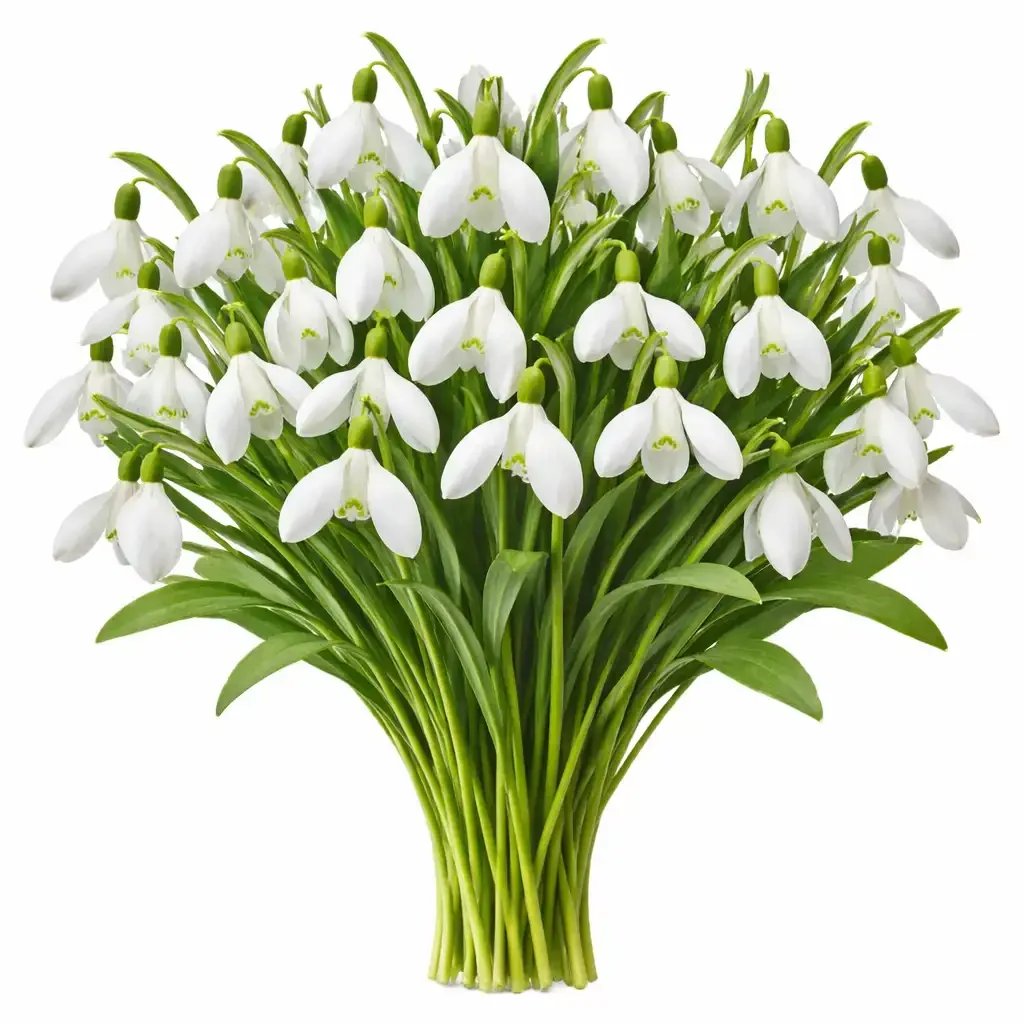
Snowdrops are among the most magical and commercially distinctive flowers a homestead grower can cultivate. Their small, perfectly formed white bells, each inner petal delicately marked with a green chevron, emerge from the frozen ground in the darkest and coldest weeks of late winter when virtually no other flower dares to bloom, creating a quality of gentle, persistent beauty that has made Galanthus one of the most beloved and emotionally resonant flowers in the entire horticultural world. At a farmers market or farm stand in late winter when almost nothing else is available locally, a small bunch of freshly cut Snowdrops is one of the most powerful and emotionally compelling products a homestead grower can offer, triggering an immediate and deeply felt response in customers who associate these delicate bells with the first promise of spring.
For homestead growers, Snowdrops represent one of the most distinctive and commercially underserved specialty niches available in the late winter cut flower market. While their small size and short stem length make them unsuitable for the kind of large-scale bouquet production that characterizes most commercial cut flower operations, their extraordinary seasonal timing, genuine emotional power, and the extraordinary collector enthusiasm that surrounds rare Galanthus varieties creates multiple commercial opportunities that are genuinely unavailable from any other winter or early spring crop. A well-established Snowdrop planting that naturalizes freely provides cut material during the most commercially underserved period of the entire cut flower year, and the growing collector market for rare and unusual Galanthus varieties represents one of the most premium-priced specialty plant sales opportunities available to any homestead operation.
Here is why Snowdrops deserve a prominent spot on your homestead:
They bloom in late winter when virtually no other locally grown flowers are available. Snowdrops fill the single most commercially underserved period of the cut flower year with a product of extraordinary emotional power and genuine scarcity that commands premium prices with minimal local competition.
They naturalize prolifically to provide an expanding supply of cut material each year. Once established in appropriate conditions, Snowdrops multiply reliably through both bulb offsets and self-seeding, providing an increasing supply of harvestable stems each season from a fixed initial investment.
The collector market for rare Galanthus varieties is extraordinary. Galanthophiles, the dedicated collectors of rare Snowdrop varieties, represent one of the most passionate and premium-spending specialty plant collector communities in horticulture. Rare named Galanthus varieties can sell for prices ranging from tens to hundreds of dollars per single bulb, creating an income opportunity that has no parallel among other homestead bulb crops.
They thrive in shade where almost nothing else grows commercially. Snowdrops are perfectly adapted to partial shade under deciduous trees, one of the most underutilized growing environments on most homesteads, converting shaded woodland areas into genuinely productive commercial growing space.
They provide a genuinely unique and emotionally powerful market experience. The sight and fragrance of freshly cut Snowdrops at a late winter market creates an immediate, deeply emotional customer response that is genuinely unlike the experience of selling any other cut flower.
Growing Conditions
Sunlight
Snowdrops perform best in partial shade to full shade. They are adapted to the woodland floor environment where they receive bright, indirect light or dappled sunlight filtered through the canopy of deciduous trees. In their natural habitat they emerge and bloom in late winter before the deciduous canopy leafs out, receiving significant winter and early spring sunlight when the canopy is bare, and are then shaded throughout the summer dormancy period. This seasonal light pattern of winter brightness and summer shade is ideal for Snowdrops and is perfectly replicated under deciduous trees where they naturally thrive. Direct summer afternoon sun causes leaf scorch and reduces bulb vigor over time. The shade tolerance of Snowdrops makes them excellent choices for the underutilized shaded areas of most homesteads.
Soil
Snowdrops prefer well-drained, humus-rich, moderately fertile soil with consistent moisture throughout the growing season. They perform best in the kind of woodland soil created by years of leaf litter decomposition under deciduous trees, which is naturally high in organic matter, well-structured, and consistently moist without becoming waterlogged. In gardens without established woodland soil, incorporating generous amounts of leaf mold or well-rotted compost before planting creates appropriately humus-rich conditions. Soil pH between 6.0 and 7.5 is suitable. Good drainage is important as Snowdrop bulbs rot in consistently waterlogged conditions during their dormant summer period.
Water
Snowdrops need consistent moisture during their growing and blooming season in late winter and spring. The cool, often wet conditions of late winter in most cold climate regions typically provide adequate natural moisture during the blooming period without supplemental irrigation. After blooming, as the foliage begins to die back in late spring, reduce supplemental watering. Snowdrops benefit from relatively dry conditions during their summer dormancy period, which is naturally provided by the shade and reduced rainfall absorption under mature tree canopies. In locations without natural summer dry conditions, excellent drainage is essential to prevent bulb rot during dormancy.
Temperature
Snowdrops are cold-hardy bulbs that require a period of winter cold to bloom reliably. They perform best in climates with cold winters and moderate summers within USDA zones 3 to 7. The cold winter temperatures that are essential for their blooming make them ideally suited to cold winter climates where they naturalize most successfully. In warm winter climates within USDA zones 8 and above, Snowdrops do not receive sufficient winter chilling and typically fail to bloom reliably, making them poorly suited to mild winter regions. Their extreme cold hardiness, blooming through snow and ice in temperatures well below freezing, is one of their most extraordinary and commercially distinctive characteristics.
Planting Guide
Snowdrops can be planted from dry bulbs in fall or from plants transplanted in the green immediately after blooming in late winter and early spring. Planting in the green, where bulbs are moved with their foliage still attached immediately after blooming, is widely considered the most reliable establishment method for Snowdrops as their small bulbs can desiccate easily when stored dry.
Step 1: Choose a planting location with partial to full shade and well-drained, humus-rich soil. Under established deciduous trees is the ideal location. North or east-facing slopes, the shaded side of buildings or walls, and woodland garden areas also provide appropriate conditions.
Step 2: Prepare the planting area by incorporating generous amounts of leaf mold or well-rotted compost to create the humus-rich soil conditions that Snowdrops prefer. In areas under established trees where soil is already enriched by years of leaf litter, minimal amendment may be needed.
Step 3: For dry bulb planting in fall, plant bulbs with the pointed end facing up at a depth of approximately 2 to 3 inches. Snowdrop bulbs are small and should be planted at a depth of two to three times their own diameter. Space bulbs 3 to 4 inches apart for natural naturalization plantings and 2 to 3 inches apart for denser, more productive cut flower beds.
Step 4: For planting in the green, which is the preferred method for most named varieties and the most reliable approach for establishing productive naturalized drifts, transplant clumps immediately after blooming before the foliage has begun to yellow. Plant at the same depth as they were growing previously.
Step 5: Water thoroughly after planting and apply a light layer of leaf mold or fine compost over the planting area to retain moisture and encourage naturalization.
Step 6: Allow Snowdrops to naturalize undisturbed over subsequent seasons. Established clumps should be left in place for several years to multiply before being divided and spread to new areas of the planting.
Seed vs Bulb: Planting from bulbs or plants in the green is strongly recommended for establishing productive cut flower plantings quickly. Growing from seed is very slow, taking three to five years to produce blooming plants, and is primarily relevant for collectors breeding new varieties.
Spacing: 2 to 4 inches apart depending on the intended naturalization approach and production goals.
Planting Season: Fall for dry bulb planting. Immediately after blooming in late winter to early spring for planting in the green.
Maintenance
Naturalizing Management
The most important ongoing management practice for productive Snowdrop cut flower production is managing the naturalization process to maximize the expansion of productive clumps. Leave established clumps undisturbed for three to four years to allow them to develop into productive masses. Divide overcrowded clumps immediately after blooming in late winter, separating individual bulbs or small groups of bulbs and replanting at appropriate spacing to establish new productive areas. The regular division and redistribution of established clumps is the primary way to increase the overall area and productivity of a Snowdrop planting over time.
Post-Bloom Foliage Management
As with all spring bulbs, allow Snowdrop foliage to die back completely and naturally after blooming rather than cutting it back prematurely. The foliage continues to photosynthesize and feed the bulb for several weeks after blooming, storing energy for the following season's flowers and supporting the bulb multiplication that makes Snowdrops increasingly productive over time. Cutting back foliage before it has fully yellowed and died back weakens the bulbs and reduces blooming and naturalization in subsequent seasons.
Annual Leaf Mold Application
Applying a thin top dressing of leaf mold or well-rotted compost over the Snowdrop planting area each fall, after the deciduous trees have dropped their leaves, mimics the natural woodland leaf litter conditions that Snowdrops evolved in and significantly supports their long-term health and naturalization. This annual organic mulching is the single most beneficial ongoing maintenance practice for a productive Snowdrop planting.
Fertilizing
Snowdrops do not need heavy feeding. The annual leaf mold application provides adequate nutrition for most established plantings. A very light application of balanced slow-release fertilizer in early spring as flowers emerge can support vigorous bulb development in newly established plantings, but established, naturalizing clumps in appropriate woodland soil conditions need essentially no supplemental nutrition.
Harvesting
When to Harvest
Harvest Snowdrop stems when the flowers are just beginning to open, with the outer petals beginning to separate from the bud but not yet fully reflexed back. At this early-open stage the flowers continue to develop after cutting and have their maximum vase life. Snowdrops harvested when already fully open have a shorter remaining vase life. Harvest in the early morning when stems are fully hydrated and the cool morning temperature helps preserve the delicate flowers. Snowdrops are best harvested by gently pulling the entire stem from the bulb rather than cutting, which produces slightly longer stems and does not damage the bulb.
How to Harvest
Grasp the stem at the base as close to the bulb as possible and pull with a gentle, steady upward motion to separate the stem cleanly from the bulb without damaging the bulb or neighboring bulbs. This pulling technique is standard practice for Snowdrop harvesting and is gentler on the naturalized planting than cutting. Immediately place harvested stems in a small container of cool water. Handle harvested stems with care as the delicate white bells bruise easily.
Bundling for Market
Snowdrop stems are naturally short, typically 4 to 6 inches, which means they are best presented and sold in small bundles of ten to twenty-five stems rather than as individual stems or large bundles. Small bundles tied with natural twine or raffia have a traditional, cottage garden aesthetic that complements the intimate scale and delicate beauty of Snowdrop flowers. Wrapping bundles in slightly damp newspaper or tissue during transport helps maintain the delicate flowers in good condition.
How Often to Harvest
Snowdrops have a defined bloom window of approximately two to three weeks per variety, though a well-established planting with multiple varieties and clumps at different developmental stages can provide harvestable material over a slightly longer period. Harvest every two to three days during the blooming period as individual stems reach the correct early-open stage.
Vase Life
Snowdrops typically last 5 to 7 days as fresh cut flowers in cool conditions. They perform significantly better in cool temperatures and decline more rapidly in warm indoor conditions. Keep arranged Snowdrops away from heat sources and direct sunlight. Place stems in shallow cool water as the very short stems do not require deep water conditioning. Display in the coolest available location to maximize vase life.
Uses on a Homestead
Cut Flower Use
Snowdrops are used primarily as delicate accent and specialty flowers in small-scale arrangements and seasonal displays rather than as component flowers in large mixed bouquets. Their small size and short stems make them most effective in intimate-scale arrangements such as bud vases, small posies, and miniature botanical displays that showcase their delicate beauty at close range. They are particularly beautiful arranged alongside other late winter flowers including Hellebores, early Narcissus, and Muscari in small seasonal compositions that capture the quiet magic of the late winter garden awakening.
Wedding and Event Flowers
Snowdrops are a sought-after specialty flower for late winter and early spring weddings, particularly for intimate, garden-style, and botanical wedding designs. Their extraordinary delicacy and the genuine emotional resonance of late winter flowers create a uniquely special and memorable quality in wedding bouquets and arrangements that few other flowers can replicate at this time of year. Their rarity and seasonal specificity add a meaningful botanical narrative to wedding flowers that sophisticated wedding clients and florists deeply appreciate.
Farmers Market
Snowdrops at a late winter farmers market create one of the most emotionally powerful and commercially distinctive market experiences available to any homestead grower. The sight of small bundles of freshly cut Snowdrops in late January or February, when almost nothing else is growing or blooming locally, triggers an immediate and deeply felt response in customers who associate these flowers with the first stirrings of spring. Premium pricing is accepted without resistance by customers who understand they are purchasing something genuinely rare and seasonally extraordinary.
Specialist Bulb Sales
The Galanthophile community, dedicated collectors of rare and unusual Snowdrop varieties, represents one of the most passionate and financially committed specialty plant collector communities in horticulture. Rare named Galanthus varieties that have been vegetatively propagated to produce sufficient stock for sale can command extraordinary prices, from tens to hundreds of dollars per bulb, through specialist bulb auctions, mail order operations, and plant society sales. Building a collection of named varieties over time and developing the horticultural skills to propagate them successfully creates a genuinely premium income stream that has no parallel among other homestead bulb crops.
Snowdrop Garden Experience
A well-established Snowdrop planting in full late winter bloom, a carpet of nodding white bells under bare deciduous trees in February, creates one of the most extraordinary and emotionally resonant garden spectacles available to any homestead. This seasonal display generates powerful social media content, press attention, and visitor interest that can support agritourism experiences including timed garden visits during the brief Snowdrop season that generate premium admission revenue from enthusiasts who travel specifically to see spectacular Snowdrop displays.
Can You Make Money With Snowdrops
Yes, Snowdrops can generate meaningful commercial income for homestead growers through multiple distinct channels, from fresh cut flowers at late winter markets to rare bulb sales to the Galanthophile collector community to agritourism experiences during the blooming season. The key is understanding that Snowdrops operate in a fundamentally different commercial context from most other cut flower crops, one defined by genuine seasonal scarcity, emotional resonance, and collector passion rather than high-volume production.
Late winter market timing creates essentially uncontested market position. Snowdrops bloom when virtually no other locally grown flowers are available. This seasonal exclusivity creates a market position with no direct local competition and strong customer willingness to pay premium prices for something genuinely rare and seasonally extraordinary.
Naturalizing habit provides increasing supply from fixed investment. Once established, Snowdrops multiply reliably each season, providing an expanding supply of harvestable stems and surplus bulbs for sale without additional investment. The return on investment improves year after year as naturalized clumps expand.
Rare variety collector market generates extraordinary per-unit prices. The Galanthophile collector community pays prices for rare named Galanthus varieties that have no parallel in the broader horticultural market. Building a collection of rare varieties and developing propagation skills creates income potential that is genuinely extraordinary relative to the growing space required.
Agritourism potential is significant. A spectacular Snowdrop display in late winter bloom represents one of the most distinctive seasonal agritourism experiences available to homesteads in cold winter climates.
Farmers Market: Fresh Snowdrop bundles of ten to twenty-five stems sell for 5 to 12 dollars per bunch during their brief late winter season. The emotional impact of fresh Snowdrops at a late winter market supports premium pricing without resistance.
Specialist Bulb Sales: Named variety Galanthus bulbs sell for prices ranging from a few dollars per bulb for widely available named varieties to tens or hundreds of dollars per bulb for rare and highly sought-after collector varieties. Building a collection of desirable named varieties and developing propagation skills creates an exceptionally premium income stream.
Agritourism: Timed garden visits to a spectacular Snowdrop display can generate premium admission revenue from enthusiastic visitors willing to travel specifically for the experience during the brief blooming window.
Companion Plants
Snowdrops grow beautifully alongside other shade-tolerant woodland plants with similar growing requirements and complementary seasonal interest.
Hellebores: Both bloom in late winter and early spring in partial shade conditions and complement each other magnificently in the late winter garden and in mixed seasonal arrangements. The combination of Snowdrop bells and Hellebore blooms creates one of the most extraordinary and emotionally resonant late winter garden displays available.
Cyclamen coum: Hardy cyclamen varieties bloom at the same time as Snowdrops in late winter, creating beautiful pink and white carpet combinations in the shaded garden and complementary cut flower material for mixed late winter arrangements.
Muscari: Both are small-scale spring bulbs that naturalize readily in similar partial shade conditions and complement each other beautifully in mixed early spring arrangements.
Narcissus: Later-blooming Narcissus varieties follow Snowdrops in the seasonal progression and grow well in similar partial shade conditions under deciduous trees.
Anemone blanda: A low-growing spring bulb that blooms after Snowdrops and creates beautiful naturalistic combinations in the woodland garden.
Ferns: Shade-tolerant ferns emerge after Snowdrops finish blooming and provide beautiful summer and fall foliage interest in the same shaded growing areas.
Common Problems
Failure to Naturalize
The most common frustration with establishing productive Snowdrop plantings. Usually caused by planting dry bulbs that have desiccated during storage, planting at the wrong time, planting in inappropriate conditions, or planting varieties that are not well-suited to the specific climate. Use fresh, plump dry bulbs from reputable suppliers or preferably establish plantings using the in-the-green method immediately after blooming. Choose appropriate planting sites with partial shade and humus-rich soil. Allow several seasons for naturalizing clumps to develop before expecting significant cut flower production.
Narcissus Bulb Fly
Larvae of the Narcissus Bulb Fly can infest Snowdrop bulbs, particularly when bulbs are planted in warm, sunny positions. Plant in appropriate partial shade conditions which are less favorable to the adult flies. Firm the soil around bulb necks after planting to discourage egg laying.
Grey Mould (Botrytis)
Can affect Snowdrop flowers and foliage in cool, humid conditions. Good air circulation and avoiding overhead watering are the most effective preventive measures. Botrytis rarely causes serious production problems in well-managed naturalized plantings with good air circulation.
Snowdrop Yellow Stripe Virus
A virus disease that causes yellow striping on Snowdrop foliage. Spread by aphids. Remove and destroy affected plants immediately. Manage aphid populations to reduce virus transmission risk. Purchase planting stock only from reputable suppliers with healthy, virus-free material.
Slugs and Snails
Can damage emerging Snowdrop shoots and flowers in wet conditions. Iron phosphate slug bait provides effective control. The early emergence of Snowdrops through cold, often frozen soil typically reduces slug pressure compared to warmer-season crops.
Varieties to Consider
Species and Common Varieties
Galanthus nivalis (Common Snowdrop): The most widely grown and most freely naturalizing Snowdrop species. Small, perfectly formed white bells with the characteristic green inner petal marking. Extremely reliable in cold winter climates within USDA zones 3 to 7. The standard starting point for establishing a productive naturalized Snowdrop planting for cut flower production. Very free-seeding and divides readily.
Galanthus elwesii (Giant Snowdrop): Larger than Galanthus nivalis with broader leaves and slightly larger flowers on somewhat taller stems of 6 to 10 inches. Often blooms slightly earlier than the common Snowdrop, extending the overall harvest window. Reliable performance in USDA zones 3 to 8.
Galanthus nivalis Flore Pleno (Double Snowdrop): A double-flowered form of the common Snowdrop with multiple layers of inner petals creating a more substantial, fluffy appearance. Very popular at farmers markets for its unusual double form. Does not seed but divides reliably.
Galanthus woronowii (Green Snowdrop): A species with distinctive bright green, shiny leaves rather than the grey-green foliage of most Snowdrop species. White flowers with green inner markings. Naturalizes well in appropriate conditions.
Named Collector Varieties
S. Arnott: One of the most widely grown named Galanthus varieties for both garden ornament and cut flower use. Large, perfectly rounded flowers with a distinctive sweet honey-like fragrance that is unusually pronounced among Snowdrop varieties. Vigorous growth and good naturalization. One of the most commercially accessible named varieties.
Magnet: A classic named variety with distinctive long, curved pedicels that give the flowers an elegant pendulous habit. The long flower stalks make it one of the better named varieties for cut flower use. Good vigorous growth.
Viridapice: A widely grown variety with distinctive green tips on the outer petals in addition to the standard inner green marking, creating an unusual all-over green-touched appearance. Very popular with collectors and florists for its unusual green-tipped outer petals.
Atkinsii: A classic tall variety, one of the tallest commonly grown Snowdrops, with long stems making it particularly suitable for cut flower use. Large white flowers with good fragrance. Reliable and free-increasing.
Galanthus plicatus (Pleated Snowdrop): A species with distinctive pleated leaf margins and large, handsome flowers. Several named varieties of this species are highly valued by collectors and command premium prices.
Final Thoughts
Snowdrops occupy a unique and genuinely special place among homestead cut flower crops. They are not a high-volume production crop in the conventional sense. They are something more rare and more valuable than that: a genuinely seasonal, genuinely emotional specialty product that blooms at a time when nothing else is available, that naturalizes to provide an expanding annual harvest from a fixed initial investment, and that connects a homestead operation to one of the most passionate and premium-spending specialty plant communities in horticulture. Building a productive Snowdrop planting requires patience during the establishment phase, appropriate site selection under deciduous trees or in other shaded woodland conditions, and the specific cultural knowledge to support naturalizing populations over the long term. But for homestead growers who make that investment, Snowdrops provide one of the most distinctive, most emotionally resonant, and most commercially versatile specialty products available from any late winter perennial planting. Establish them in the shade, allow them to naturalize undisturbed, build a collection of named varieties over time, and Snowdrops will reward your homestead with decades of the most magical late winter blooms available from any garden plant.
FAQ
Why are Snowdrops so expensive as named varieties? The extraordinarily high prices commanded by rare named Galanthus varieties reflect the combination of genuine scarcity, high collector demand, and the very slow rate of vegetative propagation. Most Snowdrop varieties can only be reliably propagated by division of established clumps, which produces only a small number of new bulbs per year even from established plants. A desirable new variety may take many years of careful propagation to produce even modest quantities of saleable stock. The passionate and financially committed Galanthophile collector community creates intense demand for rare varieties that far exceeds the available supply, driving prices to levels that are genuinely extraordinary by any horticultural standard. For homestead growers, this dynamic creates a commercial opportunity that rewards patience and horticultural skill with exceptional financial returns per unit of growing space.
Can Snowdrops be grown in warm winter climates? Snowdrops require a significant period of winter cold to bloom reliably and are fundamentally unsuited to warm winter climates within USDA zones 8 and above. The cold winters that most gardeners in cold climates view as a challenge are actually essential for Snowdrop performance. Without adequate winter chilling the bulbs do not develop the physiological state necessary for spring blooming. Some gardeners in marginally warm climates have attempted to provide supplemental chilling by refrigerating bulbs before planting but results are inconsistent and the practice is impractical at any scale. For warm climate homestead growers, other late winter specialty crops such as Ranunculus, Anemones, and Hellebores provide better commercial alternatives during the cool season.
What is the best method for establishing Snowdrops productively? Planting in the green, where bulbs are moved with their foliage still attached immediately after blooming in late winter and early spring, is widely considered the most reliable establishment method for Snowdrops. The small bulbs can desiccate easily when stored dry and planting in the green avoids the dormancy and desiccation stress of dry bulb storage entirely. Purchase in-the-green plants from specialist nurseries immediately after their blooming season or divide established clumps from existing plantings immediately after blooming. Plant into well-prepared, humus-rich soil in appropriate partial shade conditions and allow clumps to develop undisturbed for three to four years before beginning to divide and spread them.
How long does it take for Snowdrops to naturalize productively? Snowdrops are slow to establish and naturalize, particularly from dry bulbs. In the first two to three years after planting most clumps are developing their root systems and producing limited blooms. From the third to fifth year most established clumps begin producing meaningful quantities of flowers and dividing noticeably. A well-managed Snowdrop planting that is regularly divided and redistributed to new areas of the garden can become genuinely productive for cut flower purposes within five to seven years of initial planting and continues to improve indefinitely as naturalized populations expand. The patience required during establishment is the primary challenge with Snowdrops as a commercial crop.
What is galanthophilia and why does it matter for homestead growers? Galanthophilia is the passionate collecting of Snowdrop varieties, and Galanthophiles are the dedicated enthusiasts who collect, study, and trade rare Galanthus varieties with extraordinary passion and financial commitment. The Galanthophile community is concentrated primarily in the United Kingdom but has significant membership throughout Europe and North America. For homestead growers, this community represents a genuinely extraordinary commercial opportunity because of the premium prices that rare named varieties command and the passionate engagement of collectors who actively seek out new sources of desirable varieties. Connecting with this community through specialist plant society events, online forums, and dedicated Snowdrop auctions and sales opens access to a market where per-bulb prices for the rarest varieties routinely exceed anything available in mainstream horticulture.