
Honesty (Lunaria)
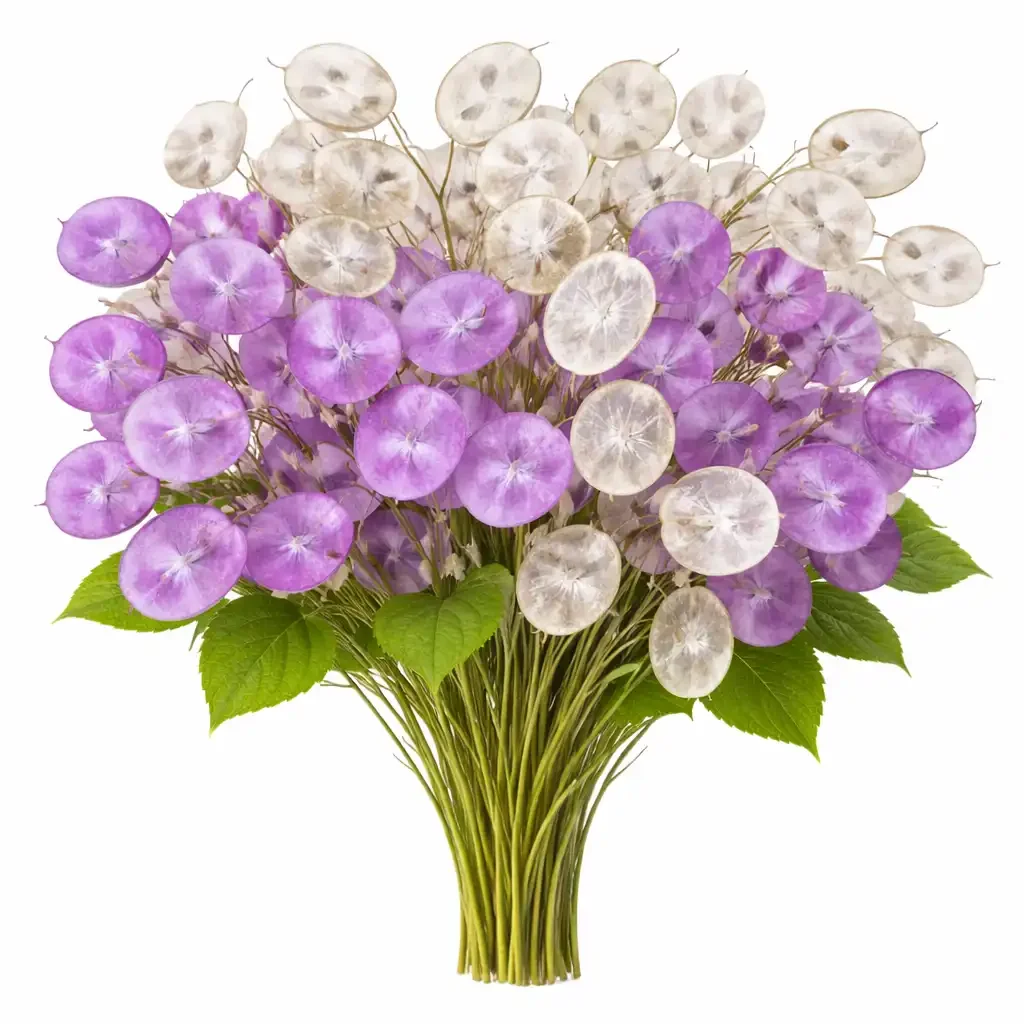
Quick Overview
Common Name: Honesty, Lunaria, Silver Dollar Plant, Money Plant, Pope's Money
Scientific Name: Lunaria annua, Lunaria rediviva
Plant Type: Biennial, perennial in mild climates
USDA Zones: 4 to 9
Sun Requirement: Full Sun to Partial Shade
Soil Type: Well-drained, average to moderately fertile
Bloom Season: Spring for flowers, Summer through Fall for seed pods
Height: 24 to 36 inches
Pollinator Friendly: Yes
Edible: No
Why Grow Honesty on a Homestead
Honesty is one of the most magical and commercially distinctive plants a homestead grower can cultivate. Its translucent, silver-white seed pods, which emerge after the small purple or white spring flowers have finished blooming, are among the most beautiful and enchanting dried flower products available anywhere. The seed pods, flat and round like silver coins with a pearlescent membrane that catches and diffuses light in an almost luminous way, have given this plant more common names than perhaps any other garden plant, each one attempting to capture the extraordinary quality of those remarkable pods. Silver Dollar Plant, Money Plant, Moonwort, Pope's Money, and Satinflower all describe the same extraordinary quality of light and shimmer that makes Honesty one of the most sought-after dried flower products at craft markets, florists, and online shops around the world.
For homestead growers, Honesty represents one of the most financially efficient and strategically distinctive dried flower crops available. It is a biennial that produces flowering stems in its second year followed by the ornamental seed pods that are its primary commercial product, and it self-seeds so prolifically that after the first planting it effectively becomes a self-renewing permanent resource in the garden with minimal ongoing seed investment. The fresh spring flowers are genuinely beautiful in their own right, providing fragrant, delicate purple or white blooms that make useful fresh cut flower material in spring arrangements alongside other cool season flowers. And the dried seed pods, once the outer papery covering is removed to reveal the translucent inner membrane, produce dried stems of such extraordinary beauty that they are genuinely difficult to replicate with any other plant material.
Here is why Honesty deserves a prominent spot on your homestead:
The dried seed pods are genuinely irreplaceable. The translucent, pearlescent seed pods of Honesty are one of the most distinctive and beautiful dried flower products available. No other plant produces anything quite like them and this genuine uniqueness creates strong market demand and premium pricing at craft markets and through florists.
It is extraordinarily economical to produce after the first season. Honesty self-seeds prolifically and after the first planting returns year after year with minimal seed investment. The ongoing cost of production is essentially just the time required to manage and harvest the planting.
It provides two distinct commercial products from a single planting. Fresh spring flowers for cool season cut flower use and dried seed pods for the dried flower and craft market both provide viable income streams from the same permanent planting.
It thrives in partial shade where many other crops struggle. Honesty tolerates and even performs well in partial shade, making it an excellent choice for the shaded areas of homesteads that are difficult to use productively for sun-demanding crops.
It is genuinely unusual at most farmers markets and craft stalls. Despite its extraordinary commercial value as a dried flower product, Honesty remains underutilized by most homestead operations. Growers who develop productive Honesty plantings occupy a genuinely distinctive specialty market position.
Growing Conditions
Sunlight
Honesty performs well in full sun to partial shade. It is one of the more shade-tolerant cool season biennials available and produces good stems with as little as three to four hours of direct sunlight per day. In full sun it produces the tallest, strongest stems with the most abundant flowers and seed pods. In partial shade stems are somewhat taller and more delicate but still produce good quality seed pods for dried use. This shade tolerance makes Honesty an excellent choice for growing under deciduous trees or alongside taller shrubs and plants that provide dappled light conditions.
Soil
Honesty prefers well-drained, average to moderately fertile soil. It performs well in average garden soil with a modest amount of compost incorporated before planting but does not need heavily amended or richly fertile beds. Good drainage is important as it does not tolerate waterlogged conditions. Overly rich soil can produce lush, tall, floppy growth at the expense of the compact, well-branched stems most useful for dried flower production. Soil pH between 6.0 and 7.5 is suitable.
Water
Water consistently during the establishment phase and throughout the growing and blooming season. Honesty needs regular moisture during active growth and seed pod development but does not tolerate waterlogged conditions. Once established it develops moderate drought tolerance. Water at the base of plants rather than overhead to reduce the risk of fungal diseases on the foliage. In climates with regular spring and early summer rainfall, established Honesty often needs minimal supplemental irrigation.
Temperature
Honesty is a cool season biennial that is reliably hardy in USDA zones 4 to 9. It tolerates light frost and actually benefits from cool growing conditions for the strongest stem and seed pod development. As a biennial it germinates and produces vegetative growth in its first year, overwinters as a rosette of leaves, and then flowers, sets seed pods, and completes its life cycle in its second year. In mild winter climates within USDA zones 8 to 9 it may behave as a short-lived perennial, continuing to grow and bloom for more than two seasons. The related perennial species Lunaria rediviva is genuinely perennial and reliably returns year after year in USDA zones 4 to 8.
Planting Guide
Honesty is grown from seed and is most reliably established by direct sowing outdoors. It can also be started indoors but does not always transplant well due to its sensitive taproot. Direct sowing in the garden in late spring to early summer gives the plant an entire growing season to establish before flowering in the following year.
Step 1: Direct sow seeds outdoors in late spring to early summer, typically May through July, for flowers and seed pods the following spring and summer. This timing gives plants a full growing season to develop strong root systems before their flowering year.
Step 2: Choose a location with full sun to partial shade and well-drained, average fertility soil. Honesty is an excellent choice for partially shaded woodland garden areas, under deciduous trees, or alongside fences and structures that provide some shade.
Step 3: Prepare a fine seedbed by loosening the soil surface and removing weeds. Sow seeds on the surface or cover very lightly with a thin dusting of soil. Honesty seeds are large enough to handle individually and can be spaced deliberately rather than broadcast.
Step 4: Space seeds or thin seedlings to 9 to 12 inches apart once they are large enough to handle. Proper spacing produces well-branched plants with multiple stems that provide more harvestable material per plant.
Step 5: Water gently after sowing and keep the soil surface lightly moist until germination, which typically occurs within 10 to 21 days in warm soil. In mild winter climates, seeds can also be sown in fall for spring germination and second-year flowering.
Step 6: Allow a proportion of plants each season to complete their natural life cycle and disperse seeds naturally for a self-renewing supply of volunteer seedlings the following year. Once established in a garden, Honesty typically perpetuates itself without additional seed investment.
Seed vs Transplant: Direct sowing is strongly preferred. Honesty has a sensitive taproot and does not always transplant well. If transplanting is necessary start in biodegradable pots that can be planted out without disturbing the roots.
Spacing: 9 to 12 inches apart for dried flower production.
Planting Season: Late spring to early summer for second-year flowering. Fall sowing works well in mild winter climates within USDA zones 8 to 9.
Maintenance
Managing the Biennial Cycle
The most important management task with Honesty is maintaining a continuous planting that includes both first-year vegetative plants and second-year flowering plants. In the first year of establishing a Honesty planting all plants will be in their vegetative rosette stage and no commercial harvest is possible. From the second year onward, maintaining a self-seeding population that includes both year classes simultaneously ensures a continuous annual harvest.
Allow a proportion of plants each season to set seed and self-sow. Thin volunteer seedlings to appropriate spacing as they emerge. This self-sustaining planting management system is the most economical and practical approach to long-term Honesty production.
Staking
Tall Honesty plants in exposed locations may benefit from light staking to prevent flopping in wind and rain. Install bamboo stakes or horizontal support netting early in the season before stems reach their full height. In sheltered locations most varieties produce stems strong enough to stand without support.
Fertilizing
Honesty does not need heavy feeding. A light application of balanced fertilizer at planting is sufficient for average soil. Avoid excessive nitrogen which promotes lush, floppy growth at the expense of compact, well-branched stem development.
Pest Control
Honesty is a member of the brassica family and shares some of the same pest challenges as other brassicas. Caterpillars from cabbage white butterflies can damage foliage. Monitor plants and treat with Bacillus thuringiensis if caterpillar damage becomes significant. Aphids can appear on stems and developing seed pods. Treat promptly with a strong spray of water or neem oil.
Disease Prevention
Clubroot, a soil-borne brassica disease, can affect Honesty in acidic or poorly drained soil. Maintain appropriate soil pH between 6.0 and 7.5 and ensure good drainage. Practice crop rotation by avoiding planting Honesty or other brassica crops in the same location in consecutive seasons. Downy mildew can affect foliage in cool, humid conditions. Good air circulation and avoiding overhead watering are the most effective preventive measures.
Harvesting
When to Harvest Fresh Cut Flowers
Harvest Honesty flowering stems when approximately one third to one half of the individual florets on each stem are open. The remaining florets will continue to open after cutting, giving the stem a long and evolving display in the vase. Harvest in the early morning when stems are fully hydrated and the fragrance of the flowers is at its most noticeable. Fresh Honesty stems last approximately 5 to 7 days as cut flowers.
When to Harvest Seed Pods for Drying
For dried pod production, the most important commercial use of Honesty, timing is critical. Harvest seed pods when they have fully developed and the outer papery covering of each pod is completely dry and beginning to naturally separate or fall away. The pods should be beige to brown in color and completely papery, not green or leathery. At this stage the inner translucent membrane is fully developed and will be revealed in its most beautiful form when the outer covering is removed.
How to Cut
Use clean, sharp scissors or pruners. For fresh cut flower use cut stems as long as possible, ideally 18 to 24 inches. For dried pod harvest cut the entire stem at the base of the plant to maximize stem length and preserve as many pod clusters as possible on each stem. Place fresh cut flower stems immediately into a bucket of cool water.
Preparing Dried Stems
Once harvested at the correct stage, Honesty seed pod stems need minimal processing to reveal the translucent inner membranes. Hang stems upside down in a warm, dry, well-ventilated space for one to two weeks to complete drying. Once fully dry, gently rub the outer papery covering off each pod between your fingers to reveal the translucent silver inner membrane. This process requires patience and care to avoid damaging the delicate inner membranes. Work from the base of each pod toward the edges and rub gently rather than pulling to prevent tearing.
Alternatively some growers carefully peel the outer papery layers from the pods while they are still slightly fresh before fully drying, which can make the process easier. Experiment with both approaches to find the technique that works best for the specific timing and conditions of your harvest.
How Often to Harvest
Honesty has a defined pod development window. Harvest all seed pod stems at the appropriate stage within a relatively short period as overripe pods that have been on the plant too long lose their inner seeds and the outer covering can become difficult to remove cleanly. A single well-timed harvest of all mature stems is typically the most practical approach.
Vase Life
Fresh Honesty flowers last approximately 5 to 7 days with proper care. Strip all foliage below the waterline, recut stems at an angle, and place in fresh water with a floral preservative. Dried Honesty pods, once properly processed, last for years in appropriate storage conditions away from moisture and direct sunlight.
Uses on a Homestead
Dried Flower Use
The translucent seed pods are the primary and most commercially important use of Honesty. Once the outer papery covering is removed to reveal the silvery inner membrane, the dried stems create one of the most ethereally beautiful dried flower products available. The pods catch and diffuse light in a way that is genuinely luminous, creating an otherworldly quality in dried arrangements, wreaths, and botanical products that customers and florists find immediately compelling and that has no real equivalent in any other plant material.
Fresh Cut Flower Use
The spring flowers of Honesty are genuinely beautiful in their own right. The fragrant, small blooms in purple, lavender, white, or variegated combinations create a delicate, cottage garden quality in spring mixed bouquets alongside sweet peas, Nigella, ranunculus, and other cool season flowers.
Wedding and Event Flowers
Dried Honesty pods are a sought-after specialty element for romantic, boho, and naturalistic wedding designs. Their ethereal translucence and luminous quality create a magical effect in bridal bouquets, dried flower installations, and venue decorations that is impossible to replicate with any other material. Wedding florists and event designers who work with dried and preserved flower materials actively seek out quality Honesty stems and pay premium prices for them.
Craft and Botanical Products
The translucent pods of Honesty are one of the most popular botanical craft ingredients available. They are used in pressed flower art, resin jewelry and crafts, botanical greeting cards, decorative wreaths, and a wide range of creative craft applications. Selling dried Honesty to crafters and through online craft-focused platforms provides strong and consistent demand throughout the year.
Pollinator Support
The spring flowers of Honesty are an important early season nectar source for bees and butterflies, particularly the orange tip butterfly which uses Honesty and other brassica family plants as a larval host plant.
Can You Make Money With Honesty
Yes, Honesty is one of the most financially efficient dried flower crops available to homestead growers, particularly because of its self-seeding habit that dramatically reduces ongoing production costs after the first season.
Genuinely irreplaceable product commands premium pricing. The translucent silver pods of Honesty are unique in the plant world. No other commonly grown plant produces anything quite like them and this genuine uniqueness creates strong market demand that supports premium pricing at craft markets, online shops, and through florists.
Near-zero ongoing seed costs after establishment. Once Honesty is established in a garden it self-seeds prolifically, returning year after year without additional seed investment. The ongoing cost of production is essentially just the time required to manage and harvest the planting.
Strong and consistent craft market demand. Honesty pods are a perennial craft market bestseller with consistent demand from crafters, floral designers, and botanical artists throughout the year. The combination of unusual beauty and genuine scarcity at most local markets supports strong and reliable pricing.
Dual fresh and dried market. Fresh spring flowers for cool season bouquets and dried pods for the craft and dried flower market both provide viable income channels from the same permanent planting.
Farmers Market: Fresh Honesty flower bundles sell for 6 to 10 dollars per bunch in spring. Dried Honesty pod bundles sell for 8 to 18 dollars per bunch depending on stem length, pod count, and quality of the translucent membranes.
Dried Flower and Craft Market: Dried Honesty pods sell consistently well at craft markets, holiday markets, and through online shops year round. Their extraordinary visual quality and genuine botanical uniqueness make them among the most compelling dried flower products available for online sales.
Florists and Wedding Designers: Honesty pods are a sought-after specialty element for florists and wedding designers working with dried, preserved, and botanical design aesthetics. Local supply is genuinely rare and valued.
CSA Flower Subscriptions: Including dried Honesty pods in a fall or winter flower subscription box adds an extraordinary and unexpected botanical element that subscribers find immediately captivating and genuinely distinctive.
Companion Plants
Honesty grows beautifully alongside other cool season and shade-tolerant plants with similar growing requirements.
Sweet Peas: Both are fragrant cool season flowers that bloom at the same time in spring and complement each other beautifully in romantic mixed spring bouquets.
Nigella: Both are delicate, self-seeding cool season annuals that complement each other in mixed spring bouquets and share similar garden management approaches.
Forget-Me-Not: A cool season annual that naturalizes readily alongside Honesty and creates beautiful blue and purple spring combinations in the garden and in mixed bouquets.
Hellebores: Both thrive in partial shade with similar moisture requirements and complement each other beautifully in the partially shaded garden and in mixed spring arrangements.
Foxgloves: Both are biennials that can be managed as self-seeding populations in similar partial shade conditions. The tall vertical spikes of Foxgloves provide complementary form to the more branching habit of Honesty.
Ferns: Shade-tolerant ferns grow naturally alongside Honesty in woodland garden conditions and provide complementary delicate foliage texture in mixed arrangements.
Common Problems
Clubroot
A soil-borne brassica disease that causes distorted, swollen roots and severely stunted plant growth. Prevalent in acidic, poorly drained soils. Maintain soil pH between 6.0 and 7.5, ensure excellent drainage, and practice strict crop rotation by not planting any brassica family crops in the same location for at least three to four years after an infection. Once established in a soil, clubroot is difficult to eradicate.
Caterpillar Damage
Caterpillars from cabbage white butterflies and orange tip butterflies can damage Honesty foliage and developing seed pods. Monitor plants regularly and treat with Bacillus thuringiensis at the first sign of significant caterpillar damage. Note that orange tip butterfly larvae use Honesty as a larval host plant and some growers choose to tolerate moderate orange tip feeding in recognition of the ecological value of supporting this pollinator species.
Failure to Self-Seed
Can occur when all plants are harvested before any seeds mature and disperse, when soil conditions are not suitable for germination of self-sown seeds, or when the garden is too tidy and cultivated for the self-sown seeds to establish naturally. Allow a proportion of plants in a designated area to complete their natural life cycle and disperse seeds. Avoid deep cultivation in areas where you want Honesty to self-seed as this buries seeds too deeply for reliable germination.
Floppy Stems
Can occur in overly rich soil, insufficient sun, or in exposed locations subject to wind and rain. Grow in average soil and provide some shelter from prevailing winds. Staking or horizontal support netting helps in exposed locations. Avoid high-nitrogen fertilizers which promote lush, floppy growth.
Outer Pod Covering Difficult to Remove
Can occur when pods are harvested too early before the outer covering has fully dried and is ready to separate, or when pods are worked while too dry and brittle. Harvest at the correct stage when the outer covering is completely papery and beginning to naturally separate. Work gently and patiently to remove the covering without tearing the delicate inner membrane. Trying different harvest and processing timings with small quantities before committing to full harvest helps identify the optimal timing for your specific growing conditions.
Varieties to Consider
Lunaria annua (Common Honesty): The most widely grown species for dried pod production. Typically produces purple to violet flowers in spring followed by the characteristic round, translucent seed pods. Very prolific self-seeder that establishes a self-renewing garden population readily. The standard variety for homestead dried flower production.
Lunaria annua Alba: A white-flowered variety of Common Honesty with pure white spring flowers followed by the same translucent silver seed pods as the standard species. Very popular with florists and customers for its pure white spring blooms which are useful in wedding arrangements. The dried pods are identical in quality to the standard purple-flowered variety.
Lunaria annua Variegata: A variegated foliage variety with cream and green mottled leaves that provides ornamental interest beyond the flowering period. Purple flowers followed by standard translucent pods. Very popular with customers for its attractive foliage in addition to the flowers and pods.
Lunaria annua Munstead Purple: A selection with particularly rich, deep purple flowers. Very popular at farmers markets for its vivid, saturated spring flower color.
Lunaria rediviva (Perennial Honesty): The true perennial species that returns reliably from the same root system year after year in USDA zones 4 to 8. Produces smaller, more elongated pods than the annual species and pale lavender to white fragrant flowers. Excellent for growers who want a genuine perennial rather than a biennial. The pods are somewhat less round and dramatic than those of the annual species but are still beautiful and commercially useful. Fragrant flowers are a particular asset.
Final Thoughts
Honesty is one of the most genuinely magical and commercially distinctive crops a homestead flower grower can cultivate. Its translucent, luminous seed pods occupy a completely unique position in the dried flower market, one that no other commonly grown plant can fill, creating a product with genuine scarcity value and consistent premium demand at every market channel. It asks for almost nothing in terms of ongoing investment after its first-season establishment, returning year after year through prolific self-seeding with minimal management. It tolerates partial shade that challenges many other crops. And it provides the rare satisfaction of producing something that customers find genuinely extraordinary and that they have never seen at a market stand before. Establish it in the garden, manage the biennial cycle to maintain a continuous self-seeding population, harvest pod stems at the correct stage, and take the time to carefully reveal the luminous inner membranes that make the dried stems so extraordinary. Honesty will reward your homestead with one of the most distinctive, most financially efficient, and most personally satisfying dried flower crops available to any homestead grower.
FAQ
How do I remove the outer covering from Honesty pods without damaging the inner membrane? The most important factor is harvesting at the correct stage when the outer papery covering is completely dry and just beginning to naturally separate or fall away on its own. At this stage the covering peels away relatively easily with gentle handling. Hold the stem firmly and work on individual pods by gently rubbing the outer covering between your fingers, working from the center of the pod toward the edges. Be patient and work gently as the inner membrane tears easily if forced. Some growers find it easier to work with pods that are very slightly damp from early morning dew as this makes the outer covering slightly more pliable. Practicing with a few stems before working through the entire harvest helps develop the feel for the correct technique.
Is Honesty the same as the Money Plant? Yes, Money Plant is one of several common names for Lunaria annua. The name refers to the round, flat, coin-like shape of the translucent seed pods which are said to resemble silver coins. Other common names including Silver Dollar Plant, Moonwort, Satinflower, and Pope's Money all refer to the same extraordinary quality of the translucent pods. In the dried flower trade the plant is most commonly sold under the name Honesty or Lunaria.
How long do dried Honesty pods last? Properly processed and stored dried Honesty pods last for many years. The translucent inner membrane is remarkably durable once the outer covering has been removed and the pods are fully dry. Store dried stems away from moisture and direct sunlight to maximize longevity. In appropriate conditions dried Honesty pods retain their luminous, translucent quality for three to five years or more. This exceptional shelf life is one of the qualities that makes them so commercially valuable as a dried flower and craft market product.
Can Honesty be grown in deep shade? Honesty tolerates partial shade well and produces commercially acceptable stems and pods with as little as three to four hours of indirect or dappled light per day. In very deep shade, such as under dense evergreen canopies, plants become more spindly and produce fewer pods per stem. For the best balance of stem strength and pod production, partial shade with some direct morning light or consistent dappled light is ideal. Full shade significantly reduces production and is not recommended for commercial plantings.
Does Honesty have a fragrance? Yes, the spring flowers of Lunaria annua have a light, pleasant fragrance that is most noticeable in the evening and on warm days. The fragrance is sweet and delicate rather than powerful and is one of the qualities that makes fresh Honesty stems a pleasant addition to spring mixed bouquets. The perennial species Lunaria rediviva is more strongly fragrant than the annual species and the fragrance of its pale lavender flowers is one of its most commercially appealing qualities for fresh cut flower use.