
Lilies (Asiatic and Oriental)
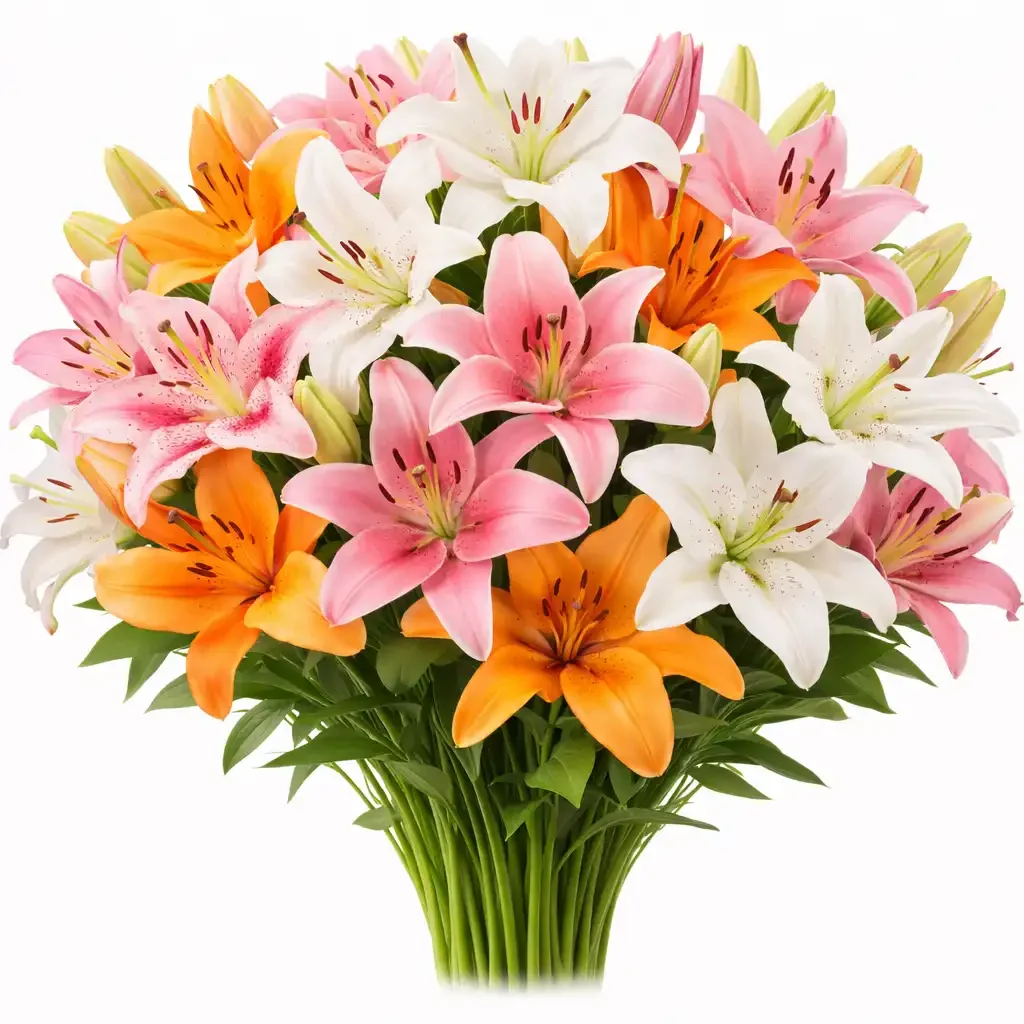
Quick Overview
Common Name: Asiatic Lily, Oriental Lily, Garden Lily
Scientific Name: Lilium spp.
Plant Type: Perennial Bulb
USDA Zones: 3 to 9 depending on species and variety
Sun Requirement: Full Sun to Partial Shade
Soil Type: Well-drained, moderately fertile
Bloom Season: Early Summer through Late Summer depending on type
Height: 24 to 60 inches depending on type and variety
Pollinator Friendly: Yes
Edible: No, toxic to cats
Why Grow Lilies on a Homestead
Lilies are among the most majestic and commercially important cut flowers available to homestead growers. Their large, dramatic blooms carried on tall, strong stems create an immediate visual impact that few other summer flowers can match. Asiatic Lilies provide an extraordinary range of colors in the brightest, most saturated tones available in the summer cut flower market, blooming in early to midsummer on plants that are among the easiest and most reliable bulb crops a homestead grower can establish. Oriental Lilies bring a different and equally compelling set of qualities: enormous, richly fragrant blooms in soft white, pink, and deep crimson that are among the most intensely perfumed flowers available anywhere and that represent the pinnacle of luxury in the summer cut flower market.
For homestead growers, Lilies represent one of the most strategically valuable summer bulb crops available. They naturalize readily in cold winter climates, returning year after year with minimal care and producing an expanding supply of harvestable stems from a fixed initial investment. They bloom at a time when the summer cut flower market is at its most active and competitive, but their combination of exceptional stem length, dramatic bloom size, and in the case of Oriental Lilies extraordinary fragrance, gives them a premium market position that separates them from the zinnias and sunflowers that dominate most market stands.
Here is why Lilies deserve a prominent spot on your homestead:
They produce some of the most dramatic and visually impressive cut flower stems available. The combination of tall, strong stems and large, boldly colored blooms creates an immediate visual impact at farmers markets and in arrangements that is unlike any other summer cut flower.
Oriental Lilies are among the most intensely fragrant cut flowers in the world. The rich, sweet fragrance of Oriental Lilies is one of the most powerful and distinctive market draws available during the summer selling season. Fragrant flowers always command premium prices and Oriental Lilies deliver fragrance at a level that few other flowers can approach.
They naturalize and return with increasing abundance in cold winter climates. Many Lily varieties multiply in the ground over time, producing more stems each season from the same initial bulb investment. The return on investment improves year after year as established clumps expand.
They cover an extended summer harvest window. By combining early-blooming Asiatic Lilies with mid-season LA Hybrids and late-blooming Oriental Lilies, homestead growers can extend the total Lily harvest window from early summer through late summer, maintaining a continuous supply of premium stems throughout the peak selling season.
They are in consistent demand from florists and wedding designers. Lilies are a florist staple used constantly in mixed arrangements and wedding work. Local supply from small farms is rare and highly valued.
Growing Conditions
Sunlight
Lilies perform best in full sun to partial shade. They need at least 6 hours of direct sunlight per day for strong stem production and abundant flowering. In deeper shade stems become weak and elongated and bloom quality decreases significantly. For cut flower production with the longest, strongest stems and the largest, most fully developed blooms, full sun is always the preferred choice.
Soil
Lilies require well-drained, moderately fertile soil above all else. Waterlogged soil causes bulb rot quickly and is the most common cause of Lily failure. A loose, well-drained soil with a pH between 6.0 and 6.5 is ideal. Incorporate generous amounts of compost before planting to improve soil structure, fertility, and drainage. In heavy clay soils, build raised beds or incorporate significant amounts of coarse sand and compost to ensure the excellent drainage that Lilies demand.
Water
Water consistently throughout the growing season to maintain even moisture. Lilies need regular water during active growth and blooming but must never sit in waterlogged soil. Water deeply at the base of plants rather than overhead to keep foliage and flowers dry and reduce the risk of fungal diseases. Reduce watering after blooming as plants enter their post-bloom ripening phase. In climates with dry summers, consistent irrigation through the growing and blooming period is important for producing the longest possible stems and the largest possible blooms.
Temperature
Lilies are cold hardy perennial bulbs that thrive across a wide range of climates within USDA zones 3 to 9. Asiatic Lilies are among the most cold hardy, performing reliably in USDA zones 3 to 9 and tolerating very cold winters without protection. Oriental Lilies are somewhat less cold hardy, performing best in USDA zones 5 to 9, and may need a protective mulch layer in the coldest climates. Both types prefer moderate summer temperatures and perform best when their roots are kept cool, which can be achieved by mulching around the base of plants in climates with hot summers.
Planting Guide
Lilies are planted from bulbs in fall or early spring. Fall planting is preferred in most climates as it gives bulbs time to establish roots before winter and produces the strongest plants and earliest blooms the following summer.
Step 1: Purchase high quality bulbs from a reputable supplier. For cut flower production choose bulbs specifically recommended for cut flower use and select the largest bulb size available. Larger bulbs produce stronger stems and more flowers per plant.
Step 2: Choose a location with full sun and excellent drainage. For Lily plantings that will remain in the ground for multiple years choose a location where summer watering will be moderate and drainage is reliable.
Step 3: Prepare the planting bed thoroughly. Incorporate generous amounts of compost to a depth of at least 12 inches. Good soil preparation done once before planting supports the entire productive life of a permanent Lily planting.
Step 4: Plant bulbs with the pointed end facing up at a depth of approximately three times the diameter of the bulb. For most Lily bulbs this means planting 6 to 8 inches deep. Deeper planting encourages naturalization and provides better stability for tall stems.
Step 5: Space bulbs 6 to 8 inches apart for cut flower production. For naturalizing plantings where bulbs will be left in the ground to multiply, space 8 to 12 inches apart to allow room for clumps to develop over time.
Step 6: Water thoroughly after planting. Apply a generous layer of organic mulch over the planting area to retain soil moisture, keep roots cool during summer heat, and protect bulbs from freeze-thaw cycles in cold winter climates.
Seed vs Bulb: Always grow Lilies from bulbs for cut flower production. Growing from seed takes several years to produce blooming plants and results are highly variable.
Spacing: 6 to 8 inches apart for cut flower production.
Planting Season: Fall in most climates. Early spring planting also works well and is preferred in cold climates where fall-planted bulbs may not establish adequately before deep freezes arrive.
Maintenance
Staking
Tall Lily varieties, particularly Oriental Lilies that can reach 48 to 60 inches, may need staking in exposed locations or when plants are heavily laden with large blooms. Install bamboo stakes or horizontal support netting early in the season before stems reach their full height to prevent wind and rain damage to developing stems.
Post-Bloom Foliage Management
As with all bulb crops, allow Lily foliage to die back completely and naturally after blooming rather than cutting it back prematurely. The foliage continues to feed the bulb for several weeks after blooming, storing energy for the following season's flowers and fueling the bulb multiplication that makes Lilies increasingly productive over time. Allow foliage to yellow and die back naturally before removing it.
Fertilizing
Apply a balanced bulb fertilizer or compost top dressing in early spring as new shoots emerge. A light application of low nitrogen fertilizer after blooming supports bulb ripening and flower bud development for the following season. Avoid excessive nitrogen which promotes lush, floppy foliage at the expense of flower production and bulb development.
Dividing
After several years in the ground, Lily clumps can become overcrowded, resulting in declining stem quality and bloom size. Divide overcrowded clumps every four to six years in fall after the foliage has fully died back. Dig the clump carefully, separate individual bulbs, and replant at the correct spacing and depth.
Pest and Disease Management
Red Lily Beetles are a serious pest in many regions, consuming foliage and flowers and capable of defoliating entire plants quickly. Check plants regularly and remove beetles and their larvae by hand. Neem oil provides some deterrent effect. Botrytis blight can affect foliage and flowers in cool, humid conditions. Good air circulation, avoiding overhead watering, and removing affected plant material promptly are the most effective preventive measures.
Harvesting
When to Harvest
Harvest Lily stems when the lowest bud on the stem is showing full color and is just beginning to open, with the remaining buds still tightly closed or showing color but not yet open. Stems harvested at this stage have the maximum vase life as the remaining buds open progressively after cutting, giving the stem a long and evolving display in the vase. Stems harvested when multiple blooms are already open have a significantly shorter remaining vase life.
How to Cut
Use clean, sharp pruners or scissors. Cut stems as long as possible, ideally leaving at least one third of the stem and foliage on the plant to support continued bulb development. This is an important balance in Lily production as cutting too much stem and foliage weakens the bulb and reduces performance in subsequent seasons. Remove all foliage from the lower two thirds of the cut stem immediately after cutting. Place stems immediately into a bucket of cool water with a floral preservative.
Removing Pollen
Oriental Lily stamens produce large quantities of bright orange pollen that stains clothing, skin, and surfaces intensely and permanently. Remove the pollen-bearing anthers from open flowers as soon as they appear by carefully snipping them off with scissors or pinching them off before they dehisce and release pollen. This is a standard practice in the cut flower industry and significantly increases the commercial value of Oriental Lily stems by protecting customers from accidental staining.
Conditioning
After cutting and stripping lower foliage, place stems in deep cool water in a cool, dark location for several hours or overnight before sale or arrangement. This conditioning period significantly improves vase life and stem firmness. If refrigeration is available, conditioning at 34 to 38 degrees Fahrenheit gives the best results.
How Often to Harvest
During peak bloom, harvest every two to three days as new stems reach the correct harvest stage. A well-established Lily planting with multiple varieties selected for different bloom times can provide a continuous supply of harvestable stems throughout the summer season.
Vase Life
Lilies typically last 10 to 14 days as fresh cut flowers with proper conditioning and care. Strip all foliage below the waterline, remove pollen-bearing anthers from open flowers, recut stems at an angle, and place in fresh water with a floral preservative. Change water every few days to maximize longevity.
Uses on a Homestead
Cut Flower Use
Lilies are primarily grown as premium cut flowers. Asiatic Lilies provide bold, saturated colors in yellow, orange, red, pink, white, and bicolor combinations that add dramatic impact to mixed summer bouquets. Oriental Lilies provide large, richly fragrant blooms in softer tones of white, pink, and deep crimson that are the definition of luxury in summer arrangements. Both types pair beautifully with dahlias, roses, snapdragons, and other summer cut flowers in arrangements that command premium prices at every market level.
Wedding and Event Flowers
Lilies are a wedding and event florist staple. Oriental Lilies in particular are among the most requested flowers for summer weddings for their extraordinary fragrance, large romantic blooms, and elegant presence in both intimate and large-scale floral installations. Asiatic Lilies provide bold color impact in large event installations where their saturated tones create powerful visual statements.
Farmers Market
Lilies are among the most reliably popular and visually impressive summer flowers at any farmers market. Their tall, dramatic stems and large blooms create an immediate presence in a market display that draws customers from across the market. Oriental Lilies with their extraordinary fragrance fill the surrounding area with a distinctive, powerful scent that attracts customers before they even see the flowers.
Pollinator Garden
Lilies attract hummingbirds, bees, and butterflies throughout their summer blooming period. The large, open blooms provide accessible nectar and pollen for a range of summer pollinators.
Can You Make Money With Lilies
Yes, Lilies are one of the most profitable summer bulb crops available to homestead cut flower growers. Their combination of premium pricing, consistent florist demand, and naturalizing habit that delivers increasing returns over time makes them one of the most financially rewarding permanent bulb plantings available.
Premium per-stem pricing. Lily stems, particularly Oriental Lilies, command some of the highest per-stem prices of any summer cut flower. Their large blooms, tall stems, and in the case of Oriental Lilies extraordinary fragrance justify premium pricing at every market level.
Consistent florist demand. Lilies are a florist staple used constantly in mixed arrangements and wedding work. Local supply from small farms is rare and highly valued by florists who are accustomed to sourcing them through wholesale channels.
Naturalizing bulbs provide increasing returns. Many Lily varieties multiply in the ground over time, producing more stems each season from the same initial investment. The return on investment improves every year as established clumps expand.
Extended harvest window with variety selection. Combining early Asiatic, mid-season LA Hybrid, and late Oriental varieties extends the total harvest window across the entire summer season, providing a continuous supply of premium stems throughout the peak market period.
Farmers Market: Fresh Lily bundles sell for 10 to 20 dollars per bunch depending on type, variety, stem length, and bloom count. Oriental Lily stems can sell individually for 3 to 6 dollars each at retail given their exceptional fragrance and bloom size.
Florists and Wedding Designers: Lilies are in consistent demand from florists for mixed arrangements and wedding work. Oriental Lilies command the highest wholesale prices. Establishing supply relationships with local florists and wedding designers is one of the most profitable uses of a Lily crop.
CSA Flower Subscriptions: Lilies are one of the most impressive and eagerly anticipated additions to a summer flower subscription box. Their dramatic blooms and in the case of Oriental Lilies extraordinary fragrance make them an instant highlight of any subscription delivery.
Companion Plants
Lilies grow beautifully alongside many other summer cut flowers and perennials with complementary bloom times and growing requirements.
Dahlias: Both are summer bulb crops that bloom at overlapping times and complement each other beautifully in high-end mixed summer arrangements.
Roses: Both are premium summer cut flowers with similar market positioning that pair magnificently in mixed bouquets and wedding arrangements.
Echinacea: Both are summer-blooming perennials that grow well together and complement each other in naturalistic mixed summer arrangements.
Rudbeckia: Both bloom in summer and complement each other in warm-toned mixed arrangements where Lily provides premium focal interest and Rudbeckia provides cheerful filler color.
Ornamental Grasses: Provide beautiful structural contrast to the bold, upright form of Lily stems in naturalistic mixed arrangements and in the landscape.
Catmint (Nepeta): A classic companion plant that grows beautifully at the base of Lily stems, keeps the soil cool around the roots, and provides soft blue-purple filler color in the cutting garden.
Common Problems
Botrytis Blight
Can devastate Lily plantings in cool, humid conditions or when plants are overcrowded. Brown spots and lesions appear on leaves and flowers and spread rapidly in favorable conditions. Improve air circulation by spacing plants properly, avoid overhead watering, remove and destroy affected plant material immediately, and apply preventive organic fungicide sprays in susceptible climates.
Red Lily Beetle
A serious pest in many regions that can defoliate plants rapidly if not managed. Bright red adult beetles and their larvae consume foliage and flowers. Check plants regularly and remove beetles and larvae by hand. Neem oil provides some deterrent effect. Early detection and prompt removal are the most effective management strategies.
Bulb Rot
Caused by poorly drained or waterlogged soil. Bulbs sitting in wet conditions rot quickly and do not bloom reliably. Plant in well-drained soil, build raised beds if necessary, and avoid overwatering. Inspect bulbs before planting and discard any that show signs of rot or damage.
Pollen Staining
The bright orange pollen of Oriental Lilies stains clothing, skin, and surfaces intensely and permanently. Remove pollen-bearing anthers from all open flowers by snipping them off before they release pollen. Inform customers and florists to remove anthers immediately when arranging Oriental Lily stems. If pollen staining does occur on fabric, allow the pollen to dry completely before brushing it away gently without rubbing, as rubbing drives the stain deeper into fabric fibers.
Virus Diseases
Several mosaic viruses can affect Lilies, causing distorted, mottled, or streaked foliage and reduced bloom quality. Viruses are spread by aphids and through infected planting material. Purchase virus-free bulbs from reputable suppliers, manage aphid populations promptly, and remove and destroy any plants showing virus symptoms immediately.
Varieties to Consider
Asiatic Lilies
Asiatic Lilies are the most cold hardy, earliest-blooming, and easiest-to-grow group for cut flower production. They do not have fragrance but compensate with the widest and most saturated color range of any Lily group.
Navona: Pure white blooms on strong stems. One of the most widely grown white Asiatic Lilies for cut flower production. Very popular with florists and wedding designers for its clean white color and reliable performance.
Cancun: Vivid orange blooms on strong stems. Very popular at farmers markets for its bold, saturated color that creates immediate visual impact in market displays.
Lollypop: White blooms with a deep pink center that creates a distinctive bicolor effect. Very popular with florists and customers for its unusual and beautiful two-toned appearance.
Tiny Bee: A dwarf Asiatic variety with deep yellow blooms. Useful for smaller spaces and container production.
LA Hybrid Lilies
LA Hybrids are crosses between Longiflorum and Asiatic Lilies. They bloom between Asiatic and Oriental types, bridging the mid-season gap, and offer some fragrance along with larger blooms than standard Asiatic varieties.
Brindisi: Soft pink blooms with a light fragrance on very strong stems. Extremely popular with wedding florists for its soft color and reliable cut flower performance.
Royal Sunset: Warm orange to apricot blooms on strong stems. Very popular at farmers markets for its warm, sunset tones that complement the late summer aesthetic beautifully.
Oriental Lilies
Oriental Lilies are the most fragrant and most premium-priced Lily group. They bloom in midsummer to late summer and produce the largest, most richly perfumed blooms of any Lily type.
Stargazer: The most iconic and widely recognized Oriental Lily variety in the world. Deep crimson-pink blooms with white edges and dark spots on strong upright stems. Extraordinarily fragrant. One of the most commercially powerful cut flower varieties available in any category.
Casa Blanca: Pure white blooms of extraordinary size and purity with an intense, sweet fragrance. The definitive white Oriental Lily for wedding work. Commands the highest prices of any white summer cut flower.
Dizzy: White blooms with a deep pink center stripe and spot pattern on each petal. Very popular with florists and customers for its distinctive striped pattern and intense fragrance.
Muscadet: Pure white blooms with delicate pink spotting and an intense fragrance. Very popular with wedding florists for its refined appearance and exceptional fragrance.
OT Hybrid Lilies (Orienpets)
OT Hybrids are crosses between Oriental and Trumpet Lilies. They combine the fragrance and large bloom size of Oriental Lilies with greater cold hardiness and stronger stems, making them excellent choices for homestead cut flower production across a wider range of climates.
Silk Road: White blooms with soft pink centers on exceptionally strong stems reaching 48 to 60 inches. Outstanding fragrance and exceptional stem strength make this one of the most commercially powerful Lily varieties available.
Conca d'Or: Soft yellow blooms with white edges and a sweet fragrance. Very popular with florists for its unusual yellow color in an Oriental-type Lily and its exceptional stem strength.
Final Thoughts
Lilies are one of the most majestic and commercially rewarding permanent plantings a homestead cut flower grower can establish. Their dramatic blooms, exceptional stem length, and in the case of Oriental varieties the most extraordinary fragrance available in the summer cut flower market combine to create a premium product that stands apart from every other summer flower at the farmers market and in the florist supply channel. Plant in well-drained, moderately fertile soil with full sun, choose a combination of early, mid-season, and late-blooming varieties to extend the harvest window across the full summer season, remove pollen-bearing anthers from Oriental Lily blooms before sale, and allow foliage to die back naturally after blooming to support strong bulb development for the following year. A well-established Lily planting will become one of the most visually spectacular, most commercially powerful, and most personally rewarding crops on your entire homestead.
FAQ
What is the difference between Asiatic and Oriental Lilies? Asiatic Lilies are the earliest-blooming, most cold-hardy, and most widely grown Lily group for cut flower production. They produce upward-facing blooms in a very wide range of highly saturated colors including yellow, orange, red, pink, white, and bicolors but have little to no fragrance. Oriental Lilies bloom later in the season and produce larger, outward or downward-facing blooms primarily in white, pink, and deep crimson with an intense, rich fragrance that is one of the most powerful and distinctive scents in the entire cut flower world. Oriental Lilies are generally considered more premium-priced than Asiatics due to their larger blooms and extraordinary fragrance.
Are Lilies toxic to cats? Yes, all true Lilies in the genus Lilium are extremely toxic to cats. Even small amounts of pollen, water from a vase containing Lilies, or consumption of any part of the plant can cause acute kidney failure in cats that is rapidly fatal without immediate veterinary treatment. Always inform customers of this risk when selling Lily cut flowers, particularly when selling to customers who mention having cats. This is one of the most important safety communications a homestead grower selling Lilies should make at every point of sale.
How do I prevent Oriental Lily pollen from staining? Remove the pollen-bearing anthers from all open flowers as soon as they appear by carefully snipping them off with scissors before they open and release pollen. This is standard practice in the professional cut flower industry. Always remove anthers before displaying Lilies at market or handing them to customers. If pollen staining does occur on fabric, allow the pollen to dry completely before brushing it away gently. Never rub pollen stains as this drives them deeper into the fabric. Tape can also be used to lift dried pollen from fabric surfaces.
Can Lilies be left in the ground year round? In cold winter climates within USDA zones 3 to 7, most Lily varieties can be left in the ground year round with excellent results. Cold winters provide the natural dormancy period that Lilies need and many varieties naturalize readily in these climates, multiplying over time to produce an expanding supply of stems. In warm winter climates within USDA zones 8 and above, Lilies may not receive sufficient winter cold for reliable annual blooming and may need to be dug and refrigerated during winter or treated as an annual crop with fresh bulbs planted each season.
How do I extend the Lily harvest season? The most effective strategy for extending the Lily harvest season is planting a combination of varieties with different natural bloom times. Asiatic Lilies bloom in early to midsummer. LA Hybrid Lilies bridge the mid-season gap with blooms in midsummer. Oriental and OT Hybrid Lilies bloom in mid to late summer. By planting all three groups together a homestead grower can extend the total Lily harvest window from early summer through late summer, maintaining a continuous supply of premium stems throughout the entire peak selling season.