
Roses (Modern Garden)
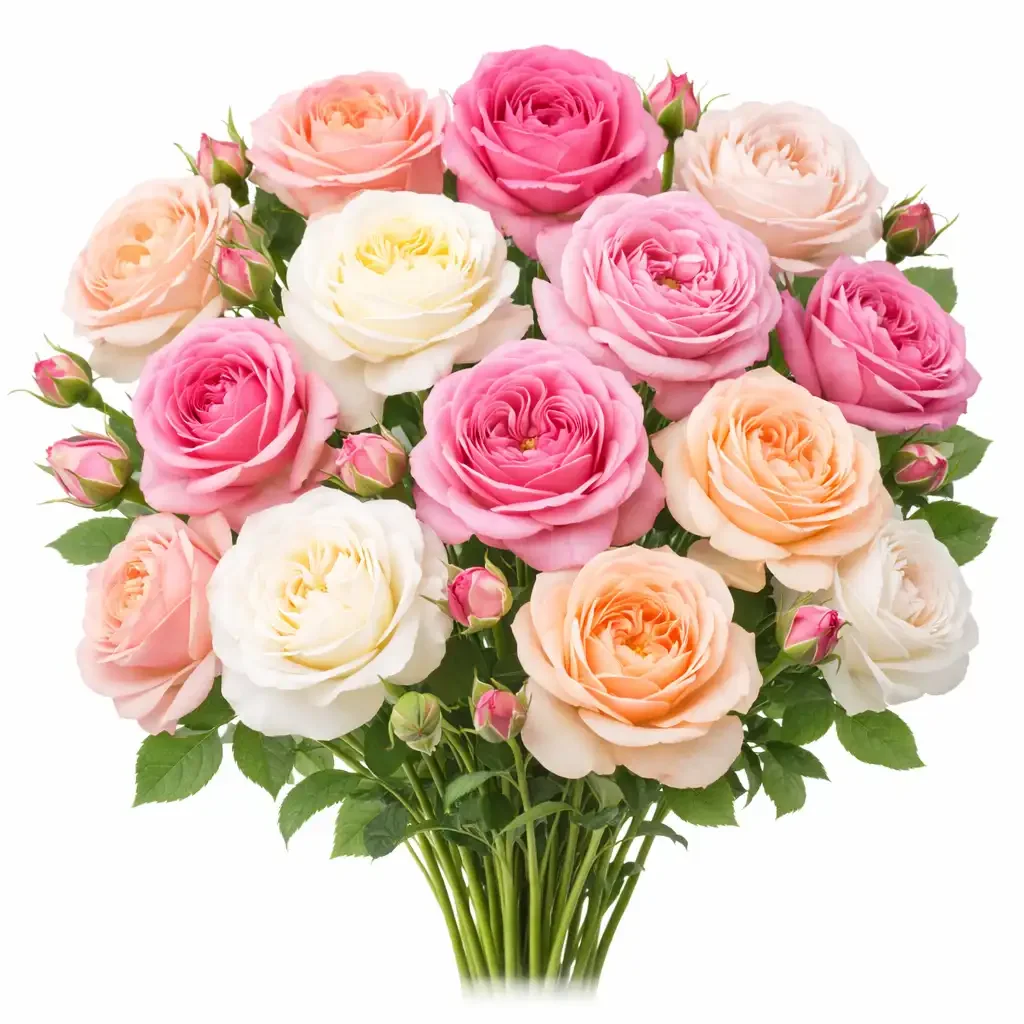
Quick Overview
Common Name: Modern Garden Roses
Scientific Name: Rosa spp.
Plant Type: Perennial Shrub
USDA Zones: 4 to 9 depending on class and variety
Sun Requirement: Full Sun
Soil Type: Well-drained, richly fertile
Bloom Season: Late Spring through Fall, nearly year round in mild winter climates
Height: 2 to 8 feet depending on class and variety
Pollinator Friendly: Yes
Edible: Yes, petals are edible if unsprayed
Why Grow Modern Garden Roses on a Homestead
Modern Garden Roses are any rose introduced after 1867, the year that marked the beginning of the modern rose era with the introduction of the first Hybrid Tea rose. They represent over 150 years of intensive breeding focused on longer vase life, larger blooms, more repeat flowering, greater disease resistance, and a wider color range than any previous generation of roses. For homestead cut flower growers, they offer the most commercially reliable, the most florist-ready, and in many cases the most profitable rose crop available.
The cut flower industry worldwide is built largely on Modern Garden Roses. The classic high-centered Hybrid Tea bloom, the abundant cluster-flowered Floribunda, the tough and disease-resistant Shrub rose, and the explosive spray-flowering Grandiflora are all modern creations that dominate flower markets around the world. On a homestead scale, the right selection of modern varieties gives you a rose crop that blooms repeatedly from spring through fall, produces long, straight stems ideal for cut flower use, and meets the expectations of florists and customers who know exactly what a rose should look like.
Here is why Modern Garden Roses deserve a place on your homestead:
They are the most commercially recognized cut flower in the world. Roses are the number one selling cut flower globally. Growing them on a homestead connects you to the most universally understood and demanded flower in any market.
They bloom repeatedly throughout the season. Unlike once-blooming Old Garden Roses, nearly all Modern Garden Roses are repeat-blooming, providing a continuous supply of harvestable stems from late spring through fall and nearly year round in mild winter climates within USDA zones 8 to 11.
Modern breeding has produced exceptional disease-resistant varieties. A new generation of disease-resistant Shrub roses and Landscape roses has dramatically reduced the maintenance demands of growing roses, making them far more practical for homestead growers who prefer minimal spray programs.
They produce the long, straight stems that florists expect. Modern Hybrid Tea and Grandiflora roses in particular produce the long, straight stems with high-centered blooms that are the standard in the professional cut flower market.
They come in the widest color range of any flower. From pure white through every shade of cream, yellow, apricot, pink, red, orange, lavender, and near-black, Modern Garden Roses offer a color for every market preference and every floral design need.
Growing Conditions
Sunlight
Modern Garden Roses require full sun without compromise. They need at least 6 to 8 hours of direct sunlight per day for strong growth, abundant flowering, long straight stems, and adequate disease resistance. In partial shade they become weak, disease-prone, and significantly less productive. For cut flower production the sunniest location on your homestead is always the correct choice for roses.
Soil
Modern Garden Roses, particularly Hybrid Teas and Grandifloras, are heavy feeders that perform best in deeply prepared, richly fertile, well-drained soil. Prepare rose beds thoroughly before planting by incorporating generous amounts of compost, well-rotted manure, and a balanced rose fertilizer into the soil to a depth of at least 18 inches. Good drainage is essential as roses do not tolerate waterlogged conditions. Soil pH between 6.0 and 6.5 is ideal.
Water
Modern Garden Roses need regular, deep watering throughout the growing season. They do not tolerate drought stress, which leads to reduced bloom size, shortened stems, and increased disease susceptibility. Water deeply at the base of the plant two to three times per week during dry periods, or more frequently in very hot conditions. Drip irrigation is the ideal watering method for roses as it delivers water directly to the root zone without wetting the foliage, which significantly reduces disease pressure.
Temperature
Modern Garden Roses are bred for a wide range of climates but most classes perform best in moderate temperatures between 60 and 80 degrees Fahrenheit. They are generally less cold-hardy than Old Garden Roses and most classes need winter protection in climates colder than USDA zone 5. In mild winter climates within USDA zones 8 to 11, Modern Garden Roses can bloom nearly continuously throughout the year, making them exceptionally productive cut flower crops. In cold winter climates within USDA zones 4 to 6, choose cold-hardy varieties and provide appropriate winter protection to ensure plants survive and thrive season after season.
Planting Guide
Modern Garden Roses are best planted from bare root plants in late winter to early spring or from container-grown plants at any time during the growing season. Proper soil preparation before planting is the single most important factor in long-term rose health and productivity.
Step 1: Prepare the planting bed thoroughly before planting. Dig beds to a depth of at least 18 inches and incorporate generous amounts of compost, well-rotted manure, and a balanced rose or garden fertilizer. Good soil preparation done once before planting pays dividends for the entire life of the rose planting.
Step 2: Choose varieties carefully for your climate, your market, and your disease management philosophy. For low-spray homestead production, prioritize disease-resistant varieties such as the Knock Out series, David Austin English Roses, and disease-resistant Hybrid Teas like those in the Kordes and Meilland breeding programs.
Step 3: For bare root plants, soak roots in water for 12 to 24 hours before planting. Dig a hole wide and deep enough to accommodate the root system without bending or cramping the roots. Create a small mound in the center of the hole and spread roots over it.
Step 4: Plant the bud union at or just above soil level in mild winter climates within USDA zones 8 to 11. In cold winter climates within USDA zones 4 to 7, plant the bud union 1 to 2 inches below soil level for winter protection.
Step 5: Backfill with amended soil, firm gently, and water thoroughly. Apply a generous layer of organic mulch around the base of the plant, keeping mulch several inches away from the canes to prevent crown rot.
Step 6: Water regularly throughout the first growing season to establish a strong root system. Begin a regular fertilization program after the first bloom cycle in the first season.
Seed vs Transplant: Always plant from bare root or container plants. Growing Modern Garden Roses from seed is not practical for cut flower production.
Spacing: 2 to 4 feet apart for Hybrid Teas and Floribundas in a cut flower production setting. Shrub roses need 3 to 5 feet depending on the variety.
Planting Season: Bare root in late winter to early spring. Container plants in spring or fall.
Maintenance
Pruning
Pruning is one of the most important annual maintenance tasks for Modern Garden Roses. Unlike once-blooming Old Garden Roses, modern varieties bloom on new wood and benefit from regular pruning to encourage vigorous new growth and abundant flowering.
Annual pruning in late winter or early spring, just as the buds begin to swell, is the standard approach for most Modern Garden Rose classes. Remove all dead, diseased, and weak canes. Cut remaining healthy canes back by about one third to one half of their height, making cuts at a 45-degree angle just above an outward-facing bud. Remove any canes that cross through the center of the plant to improve air circulation.
For cut flower production, deadheading spent blooms throughout the season is equally important. Remove spent blooms by cutting back to the first set of five-leaflet leaves below the spent bloom. This encourages the rapid development of the next flowering stem.
Fertilizing
Modern Garden Roses are heavy feeders and require regular fertilization throughout the growing season to perform at their best. Apply a balanced rose fertilizer in early spring as new growth begins. Follow with regular applications every four to six weeks throughout the growing season, stopping approximately six weeks before the first expected frost in cold climates to allow plants to harden off properly. In mild winter climates within USDA zones 8 to 11 where roses grow almost year round, a lighter year-round fertilization program is appropriate.
Disease Management
Disease management is the most demanding aspect of growing Modern Garden Roses, particularly for Hybrid Tea varieties that were bred for bloom quality at a time when chemical spray programs were the norm. For homestead growers preferring a low-spray or organic approach, variety selection is the single most important decision.
Choose disease-resistant varieties from programs like David Austin English Roses, Kordes Roses, and Meilland Roses that have made disease resistance a primary breeding priority. The Knock Out series and related landscape roses offer exceptional disease resistance for growers who want minimal intervention.
For varieties that need some disease management, preventive applications of neem oil, copper fungicide, or sulfur-based organic fungicides applied on a regular schedule before disease appears are far more effective than reactive treatment after disease is established.
Pest Control
Aphids, Japanese beetles, thrips, and spider mites are the most common rose pests. Aphids appear on new growth in spring and are usually managed by beneficial insects. Japanese beetles can be controlled by hand-picking or neem oil. Thrips damage petals and are difficult to control once established. Choosing thrips-resistant varieties and maintaining good garden hygiene reduces thrip pressure. Spider mites appear in hot, dry conditions and are managed by increasing humidity and applying neem oil.
Harvesting
When to Harvest
Harvest Modern Garden Roses when the bud is showing full color and has reached what is known as the marshmallow stage, where the bud feels slightly soft when gently squeezed but the outer petals have not yet begun to unfurl. Roses harvested at this stage have the longest vase life and open slowly and gracefully after cutting. Roses harvested too early may fail to open properly. Roses harvested when already open have a much shorter remaining vase life. Harvest in the early morning when stems are fully hydrated and temperatures are cool.
How to Cut
Use clean, sharp pruners. Cut stems as long as possible for cut flower production, ideally 18 to 24 inches for Hybrid Teas and Grandifloras. Make cuts at a 45-degree angle just above an outward-facing set of five-leaflet leaves. Remove all foliage from the lower two thirds of the stem immediately after cutting. Place stems immediately into a bucket of cool water with a commercial floral preservative.
Conditioning
Thorough conditioning is essential for maximizing the vase life of Modern Garden Roses. After cutting and stripping lower foliage, place stems in deep cool water in a cool, dark location, ideally between 34 and 38 degrees Fahrenheit if refrigeration is available, for a minimum of four hours and ideally overnight. This hydration period dramatically improves vase life and petal firmness.
How Often to Harvest
Modern Garden Roses produce new flowering stems in regular cycles throughout the growing season. In mild winter climates within USDA zones 8 to 11, new flowering cycles occur every five to seven weeks throughout the year. In cold winter climates, flowering cycles occur from late spring through fall before plants go dormant. Harvest every few days as individual stems reach the correct harvest stage. Regular harvesting and deadheading maintains the productivity of the planting throughout the season.
Vase Life
Modern Garden Roses typically last 7 to 14 days as fresh cut flowers with proper conditioning and care. Disease-resistant varieties with thick petals and strong stems generally have the longest vase life. Strip all foliage below the waterline, recut stems at an angle, and place in fresh water with a floral preservative. Change water every two to three days and recut stems to maximize longevity.
Uses on a Homestead
Cut Flower Use
Modern Garden Roses are the world's most commercially important cut flower and their uses in mixed bouquets, single-variety bundles, and arrangements are virtually unlimited. Hybrid Tea roses provide the classic high-centered long-stemmed blooms that are the standard in professional floristry. Floribundas and Spray roses provide abundant clusters of smaller blooms on branching stems that are extremely popular for wedding and event work. David Austin English Roses provide large, full, cupped blooms in soft antique tones that bridge the gap between Old Garden Rose aesthetics and modern performance.
Wedding and Event Flowers
Roses are the single most requested flower for weddings across every style, budget, and aesthetic. Modern Garden Roses cover every wedding aesthetic from the classic elegance of Hybrid Teas to the romantic garden style of David Austin varieties to the abundant spray work of Floribundas and Miniature roses. Establishing a supply relationship with local wedding florists is one of the most profitable uses of a productive rose planting.
Farmers Market
Roses are among the most reliably popular flowers at any farmers market. Single-variety bundles of fragrant or unusually colored varieties, mixed rose bouquets, and single premium stems all sell consistently and at strong prices throughout the long blooming season.
Value-Added Products
Unsprayed rose petals can be used in culinary products, herbal teas, rose water, natural skincare products, and potpourri. Fragrant varieties produce the most useful and commercially valuable petals for these applications.
Can You Make Money With Modern Garden Roses
Yes, Modern Garden Roses are one of the most commercially valuable crops available to homestead cut flower growers. Roses are the world's number one cut flower and local, organically or sustainably grown roses command significant premium pricing over imported commercial roses.
Universal market demand. Roses are the most universally understood and requested cut flower in the world. Every customer at every market knows what a rose is and wants one.
Premium local pricing. Locally grown roses, particularly fragrant and unusual varieties not available in grocery stores, command significant premium prices over imported commercial roses.
Nearly year-round production in mild winter climates. In mild winter climates within USDA zones 8 to 11, a well-maintained rose planting can produce harvestable stems throughout most of the year, providing an exceptionally long and productive income window. In cold winter climates, the long spring through fall season still delivers exceptional returns from a well-managed planting.
Enormous variety selection. The extraordinary range of Modern Garden Rose varieties allows homestead growers to target specific market niches, from classic florist-quality Hybrid Teas to romantic David Austin varieties to disease-resistant landscape roses, with the most commercially appropriate varieties for their market and their management philosophy.
Farmers Market: Fresh rose bundles sell for 12 to 25 dollars per bunch depending on variety, fragrance, and stem quality. Single premium Hybrid Tea stems can sell for 3 to 6 dollars each. David Austin and specialty varieties command the highest prices.
Florists and Wedding Designers: Locally grown roses are extremely valued by florists, particularly fragrant varieties and unusual colors not available through wholesale channels. Establishing supply relationships with local florists and wedding designers is one of the most profitable and stable income sources for a homestead rose operation.
CSA Flower Subscriptions: Roses are one of the most anticipated and valued additions to a weekly flower subscription box. A CSA subscription built around seasonal rose production commands premium subscription pricing and generates strong customer loyalty.
U-Pick Experiences: A rose garden u-pick experience is one of the most popular and premium-priced agritourism activities available to homestead growers. The combination of beauty, fragrance, and the experience of choosing and cutting your own roses creates a memorable and highly shareable experience that generates powerful word-of-mouth marketing.
Companion Plants
Modern Garden Roses grow beautifully alongside many other cutting garden and homestead plants.
Lavender: The classic rose companion. Planted at the base of rose shrubs, lavender repels aphids, attracts beneficial insects, and creates a beautiful fragrant combination that is extraordinarily popular with customers and at markets.
Salvia: Attracts beneficial insects that help manage rose pests and provides complementary vertical color alongside rose blooms.
Catmint (Nepeta): A classic rose garden companion that suppresses weeds, attracts pollinators, and provides a soft blue-purple foil for rose blooms of almost any color.
Allium: Planted among roses, allium is believed to deter aphids and other rose pests. Its spherical blooms in spring provide beautiful cut flower material alongside the first rose blooms of the season.
Clematis: Climbing clematis varieties growing alongside or through taller rose shrubs and climbing roses extend the flowering season and create spectacular color combinations.
Echinacea: A tough, pollinator-friendly perennial that grows well alongside roses in the cutting garden and provides complementary late summer color.
Common Problems
Black Spot
The most serious and widespread disease of Modern Garden Roses. Dark spots with irregular, fringed edges appear on leaves followed by yellowing and defoliation. Prevalent in humid climates and wherever overhead watering wets the foliage. Choose disease-resistant varieties, apply preventive organic fungicide sprays, avoid overhead watering, remove and dispose of affected foliage, and never leave fallen leaves around the base of plants where spores overwinter.
Powdery Mildew
White powdery coating on new growth, buds, and stems. Common in conditions of warm days and cool nights with poor air circulation. Space plants for good air circulation, avoid overhead watering, choose resistant varieties, and apply preventive organic fungicide if needed.
Rose Rosette Disease
A serious viral disease spread by eriophyid mites that causes distorted, bright red new growth and witches-broom symptoms. There is no cure and affected plants must be removed and destroyed immediately to prevent spread. Controlling the mite vector with miticide applications and removing affected plants promptly are the only management strategies.
Thrips
Tiny insects that damage petals, causing browning of petal edges and distortion of developing buds. Particularly damaging to light-colored varieties. Difficult to control once established. Preventive neem oil applications and choosing thrips-resistant varieties with thicker petals reduce damage.
Japanese Beetles
Can skeletonize rose foliage and damage blooms rapidly in affected regions. Hand-pick in the early morning when beetles are slow. Neem oil provides some deterrent effect. Japanese beetle traps are controversial as they may attract more beetles than they catch.
Varieties to Consider
Hybrid Tea Roses
Mr. Lincoln: A classic deep red Hybrid Tea with an intense, classic rose fragrance. One of the most fragrant and widely recognized red roses ever bred. Very popular at farmers markets and with florists for its exceptional fragrance and classic form.
Peace: Perhaps the most famous rose in the world. Large, cream to yellow blooms edged with pink on very strong stems. A historic variety with excellent vigor and good disease resistance.
Double Delight: Cream blooms with deep red edges and an exceptional spicy fragrance. One of the most distinctive and popular Hybrid Tea roses at farmers markets. The bicolor pattern makes it immediately eye-catching.
Fragrant Cloud: Deep coral-red blooms with one of the most intense fragrances of any modern rose. A florist and market favorite.
Floribunda Roses
Iceberg: One of the most widely grown Floribunda roses in the world. Pure white cluster blooms on strong stems with good disease resistance. Extremely versatile and popular with florists.
Julia Child: Warm buttery yellow blooms with a strong licorice fragrance. Extremely popular at farmers markets for its warm color and memorable fragrance.
Cinco de Mayo: Unusual smoky orange and mauve tones that are very popular with florists working with vintage and earthy color palettes.
David Austin English Roses
Juliet: A large, peachy-apricot cupped bloom with a warm, myrrh-like fragrance. One of the most commercially successful David Austin roses for cut flower production. Extremely popular with wedding florists.
Patience: Large, soft blush-pink cupped blooms with a delicate fragrance. Strong stems and good disease resistance. A wedding florist favorite.
Darcey Bussell: Deep crimson blooms with a rich, fruity fragrance. One of the strongest and most disease-resistant red David Austin roses. Very popular for wedding work with deep, jewel-toned color palettes.
Olivia Rose: Soft pink cupped blooms on strong, upright stems. Exceptional disease resistance and very good cut flower performance. One of the most recommended David Austin varieties for homestead cut flower production.
Shrub and Landscape Roses
Knock Out: Extraordinary disease resistance and nearly continuous blooming from spring through fall with minimal care. Single to semi-double blooms in cherry red. Not a traditional cut flower rose but extremely useful as low-maintenance filler material in mixed market bouquets.
Carefree Beauty: Large, semi-double pink blooms on an arching shrub with exceptional disease resistance. Produces large orange hips in fall. Very useful as a low-maintenance dual-purpose cut flower and hip-bearing crop.
Climbing Roses
New Dawn: A classic climbing rose with soft blush-pink blooms and a light, sweet fragrance. Extremely vigorous and disease resistant. Produces an abundance of cut flower stems from long, arching canes. One of the most beautiful and productive climbing roses for homestead production.
Fourth of July: Deep red and white striped blooms with a strong apple fragrance. An All-America Rose Selection winner with good disease resistance and abundant flowering.
Final Thoughts
Modern Garden Roses represent the pinnacle of centuries of rose breeding, combining the natural beauty and fragrance of the rose with modern performance standards that make them the most commercially reliable and florist-ready cut flower crop you can grow. They ask more of the homestead grower than many other flowers, requiring good soil preparation, consistent fertilization, thoughtful variety selection, and attentive disease management. But the return on that investment is equally exceptional. In mild winter climates within USDA zones 8 to 11 where roses bloom almost continuously throughout the year, a well-managed rose planting becomes one of the most productive, most profitable, and most permanently valuable crops on the entire homestead. In cold winter climates, the long spring through fall blooming season still delivers one of the most commercially powerful and universally beloved harvests available to any homestead cut flower grower. Choose your varieties with care, prepare your soil generously, manage disease proactively with resistant varieties and organic practices, and Modern Garden Roses will reward you with one of the most beautiful and commercially powerful harvests available to any homestead cut flower grower.
FAQ
What is the difference between a Hybrid Tea rose and a Floribunda rose? Hybrid Tea roses produce one large, high-centered bloom per stem, which is the classic long-stemmed rose of florist shops and formal gardens. Floribunda roses produce clusters of smaller blooms on each stem, providing more total blooms per plant and a more abundant, informal appearance. Both are widely grown for cut flower production. Hybrid Teas are preferred for single-stem premium sales and formal floral work. Floribundas are preferred for mixed bouquets, event work, and situations where volume of bloom is more important than individual stem quality.
What are David Austin English Roses and why are they so popular for homestead cut flower production? David Austin English Roses are a class of modern shrub roses bred by British rose breeder David Austin starting in the 1960s. They combine the full, cupped, quartered bloom forms and rich fragrances of Old Garden Roses with the repeat-flowering habit and wider color range of modern roses. For homestead cut flower production they occupy an ideal middle ground between the maintenance demands of classic Hybrid Teas and the once-blooming limitation of most Old Garden Roses. Their soft antique tones, full romantic blooms, and rich fragrances make them enormously popular in the wedding and specialty flower market.
How do I grow roses organically without spraying? The most important strategy for organic rose growing is variety selection. Choose varieties with strong natural disease resistance such as David Austin English Roses, Knock Out roses, and Kordes disease-resistant varieties. Supplement with good cultural practices including full sun, excellent drainage, drip irrigation, proper spacing for air circulation, and regular removal of affected foliage. Preventive organic treatments including neem oil, copper fungicide, and sulfur-based sprays applied on a schedule before disease appears are far more effective than reactive treatment.
Can Modern Garden Roses bloom year round? In mild winter climates within USDA zones 8 to 11, Modern Garden Roses can bloom nearly continuously given adequate water, regular fertilization, and proper care. The mild winters allow roses to continue growing and blooming when they would be dormant in colder climates. An annual light pruning in late winter combined with a fresh application of compost and fertilizer is the standard approach for year-round rose production in these zones. In cold winter climates, roses go dormant in winter and resume blooming in late spring for a long and productive season through fall.
What is the most important factor in getting long stems from cut flower roses? Vigorous root development supported by deeply prepared, fertile soil is the foundation of long stem production. Beyond soil preparation, consistent deep watering, regular fertilization, full sun, and the selection of varieties bred for long stems such as Hybrid Teas and Grandifloras are the key factors. Regular harvesting that cuts stems as long as possible while leaving adequate foliage on the plant for photosynthesis also trains the plant over time to produce progressively longer stems.