
Roses (Old Garden)
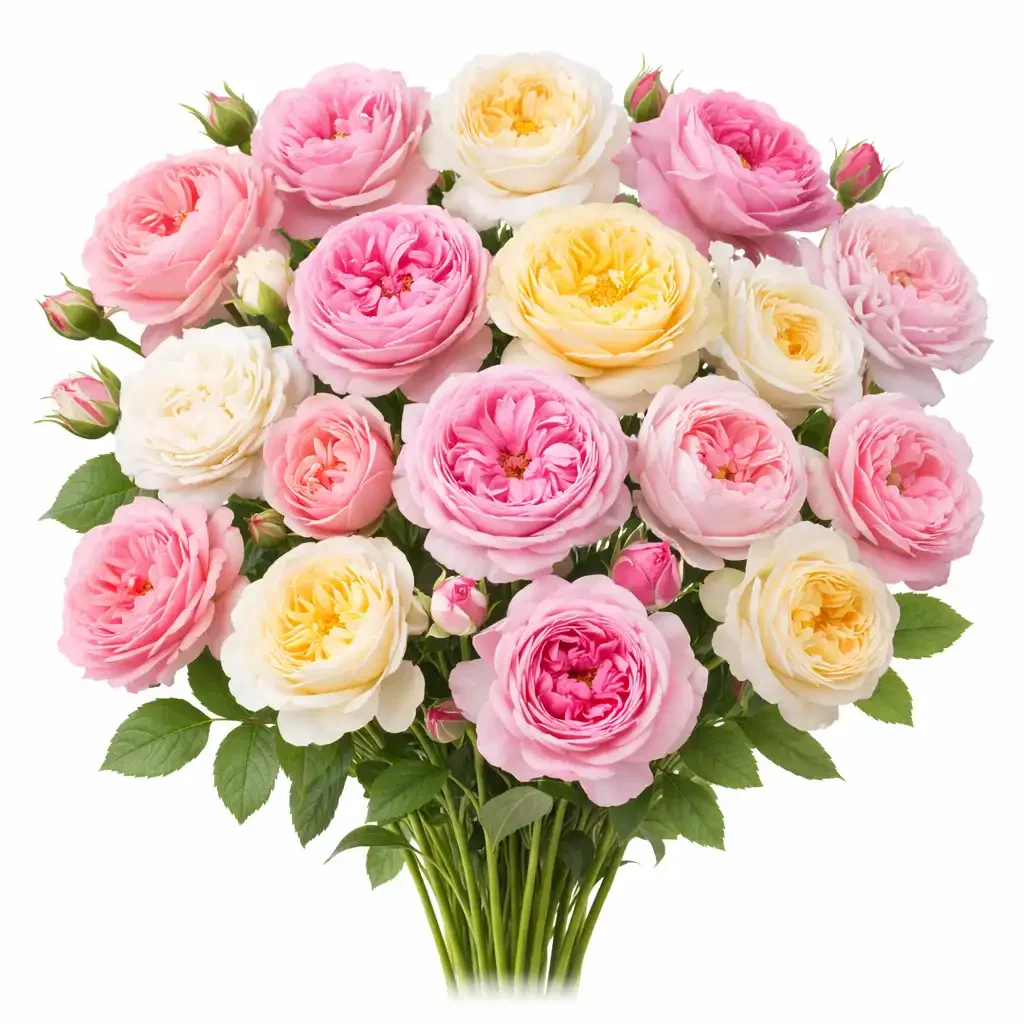
Quick Overview
Common Name: Old Garden Roses, Antique Roses, Heirloom Roses
Scientific Name: Rosa spp.
Plant Type: Perennial Shrub
USDA Zones: 3 to 9 depending on class and variety
Sun Requirement: Full Sun
Soil Type: Well-drained, moderately to richly fertile
Bloom Season: Late Spring through Summer, many rebloom through Fall
Height: 2 to 15 feet depending on class and variety
Pollinator Friendly: Yes
Edible: Yes, petals and hips of most varieties are edible
Why Grow Old Garden Roses on a Homestead
Old Garden Roses are any class of rose that existed before 1867, the year that the first Hybrid Tea rose was introduced and the modern rose era began. They represent centuries of rose history, from the ancient Gallica roses cultivated by the Romans to the richly fragrant Damask roses prized for perfume production to the generous, repeat-blooming China roses that transformed what gardeners expected from a rose. On a homestead, they bring a depth of character, fragrance, and historical significance that no modern rose can offer.
For homestead cut flower growers, Old Garden Roses occupy a unique and premium market position. Their full, quartered, or cupped blooms in soft antique tones of blush, cream, apricot, deep pink, and magenta have an old-world beauty that is enormously popular with wedding florists and customers drawn to a romantic, vintage aesthetic. Their fragrance, in many cases extraordinary and unlike anything produced by modern roses, creates an immediate sensory connection that commands premium prices at every market level. And their toughness, refined over centuries of cultivation before the era of chemical pesticides and fertilizers, makes many of them significantly more disease resistant and self-sufficient than their modern counterparts.
Here is why Old Garden Roses deserve a place on your homestead:
They are among the most fragrant cut flowers in the world. The fragrance of Old Garden Roses is legendary. Damask roses in particular have been cultivated for their perfume for thousands of years. A bucket of fresh Old Garden Rose blooms at a farmers market stand creates a sensory experience that customers remember for years.
They command premium prices in the wedding and specialty flower market. Old Garden Rose blooms in their characteristic soft, antique tones and full, cupped forms are among the most sought after flowers in the wedding industry. Wedding florists pay premium prices for quality stems and a reliable local source is enormously valuable.
Many classes are significantly more disease resistant than modern roses. Gallicas, Rugosas, and many Alba roses have natural disease resistance refined over centuries that makes them far easier to grow organically than most modern rose varieties.
They produce rose hips and edible petals as additional harvests. Many Old Garden Rose varieties produce generous crops of rose hips in fall and edible petals that can be used in culinary and herbal products, adding additional income streams beyond cut flowers.
They are permanent, long-lived perennial shrubs. Well-established Old Garden Roses can live for decades or even centuries. The investment made in establishing a productive Old Garden Rose planting pays dividends for a lifetime and beyond.
Growing Conditions
Sunlight
Old Garden Roses require full sun to perform their best. They need at least 6 hours of direct sunlight per day for strong growth, abundant flowering, and good disease resistance. In partial shade they grow but produce fewer flowers and become significantly more susceptible to disease. For cut flower production, the sunniest available location is always the best choice.
Soil
Old Garden Roses prefer well-drained, moderately to richly fertile soil. Unlike Wild Roses that thrive in lean conditions, most Old Garden Rose classes benefit from soil improved with generous amounts of compost or well-rotted manure. However, they are generally less demanding than modern Hybrid Tea roses and many classes perform admirably in average garden soil with basic preparation. Soil pH between 6.0 and 6.5 is ideal.
Water
Old Garden Roses need regular watering throughout the growing season, particularly during dry periods and when plants are establishing in their first one to two years. Once established, many classes including Gallicas, Albas, and Rugosa-based varieties develop considerable drought tolerance. Water deeply at the base of the plant rather than overhead to reduce disease pressure on the foliage. In dry summer climates within USDA zones 8 to 11, supplemental irrigation throughout the dry summer months is important for maintaining bloom quality and plant health. In humid climates with regular summer rainfall, established plants often need less supplemental irrigation but good drainage becomes even more critical to prevent root and crown rot.
Temperature
Old Garden Roses encompass an enormous range of cold hardiness depending on the class. Gallica, Alba, Damask, and Centifolia roses are among the most cold hardy, surviving temperatures well below zero degrees Fahrenheit within USDA zones 3 to 4. China and Tea roses are less cold hardy and perform best in mild winter climates within USDA zones 8 to 11 where they can bloom almost continuously throughout the year. Bourbon roses and Noisette roses, developed in part from China roses, also perform exceptionally well in mild winter climates. Growers in cold winter climates within USDA zones 3 to 6 are best served by the once-blooming European classes including Gallicas, Albas, Damasks, and Centifolias which are among the most cold hardy roses ever cultivated.
Planting Guide
Old Garden Roses are best planted from bare root plants in late winter to early spring or from container-grown plants at any time during the growing season in mild climates. Bare root planting is the most economical option for establishing multiple plants and gives excellent results when done correctly.
Step 1: Choose a location with full sun and well-drained soil. Consider the mature size of your chosen variety and allow adequate space. Old Garden Roses range from compact 3-foot shrubs to vigorous climbing roses that can reach 15 feet or more.
Step 2: Prepare the planting hole generously. Dig a hole at least 18 inches wide and 18 inches deep. Incorporate a generous amount of compost or well-rotted manure into the backfill soil.
Step 3: For bare root plants, soak roots in water for 12 to 24 hours before planting. Create a small mound of soil in the center of the hole and spread roots over it naturally without bending or cramping them.
Step 4: Plant the bud union, the swollen point where the rose was grafted onto its rootstock, at or just above soil level in mild winter climates within USDA zones 8 to 11. In cold winter climates within USDA zones 3 to 7, plant the bud union 1 to 2 inches below soil level for winter protection.
Step 5: Backfill with amended soil, firm gently, and water thoroughly. Apply a generous layer of organic mulch around the base, keeping mulch away from the canes.
Step 6: Water regularly throughout the first growing season to establish a strong root system. After the first season, reduce watering frequency but maintain deep, thorough irrigation during dry periods.
Seed vs Transplant: Always plant from bare root or container plants. Growing Old Garden Roses from seed is impractical for cut flower production and results are highly variable.
Spacing: 3 to 6 feet apart depending on the class and mature size of the variety.
Planting Season: Bare root in late winter to early spring. Container plants in spring or fall in mild climates.
Maintenance
Pruning
Pruning requirements vary significantly between Old Garden Rose classes. Understanding which class you are growing is essential before pruning.
Once-blooming classes including Gallicas, Albas, Damasks, and Centifolias bloom only in late spring to early summer on old wood. These roses should be pruned only after flowering is complete, removing spent canes and shaping the shrub. Pruning in late winter or early spring as is standard for modern roses will remove the flowering wood and result in no blooms for that season.
Repeat-blooming classes including China, Tea, Bourbon, and Noisette roses bloom on both old and new wood and can be pruned more extensively in late winter to encourage vigorous new flowering growth throughout the season. A moderate pruning in late winter that removes dead and weak growth and reduces overall height by about one third is appropriate for these classes.
Fertilizing
Old Garden Roses benefit from regular fertilization during the growing season. Apply a balanced rose fertilizer or generous compost dressing in early spring as new growth begins. For repeat-blooming classes, additional light applications every four to six weeks through summer encourage continued flowering. Avoid fertilizing after midsummer in cold climates as this can promote soft growth that is vulnerable to frost damage.
Disease Management
Old Garden Roses vary widely in their disease resistance depending on the class. Gallicas, Albas, and Rugosa-derived varieties have excellent natural disease resistance and rarely need intervention. Hybrid Perpetuals, Bourbons, and some Tea roses are more susceptible to black spot and powdery mildew and may need preventive care. Choose disease-resistant varieties for your climate, ensure good air circulation, avoid overhead watering, and remove affected foliage promptly.
Deadheading
For repeat-blooming classes, remove spent blooms promptly to encourage the next flush of flowers. Cut back to the first set of five leaves below the spent bloom. For once-blooming classes, allow hips to develop after flowering for their ornamental and culinary value.
Harvesting
When to Harvest
Harvest Old Garden Rose blooms when the bud is showing full color and is just beginning to unfurl, with the outer petals starting to open but the bloom still firmly cupped. Old Garden Roses with their many petals open more slowly than single Wild Roses and last longer in the vase when harvested at the right stage. Avoid harvesting blooms that are already fully open as these have a very short remaining vase life.
How to Cut
Use clean, sharp pruners. Cut stems as long as possible, ideally 12 to 18 inches, making cuts just above an outward-facing leaf with five leaflets. Remove all foliage from the lower two thirds of the stem and place cut stems immediately into a bucket of cool water with a floral preservative.
Conditioning
Old Garden Roses benefit greatly from thorough conditioning before sale or use in arrangements. After cutting, strip lower foliage, recut stems under water at an angle, and place in deep cool water in a cool, dark location for several hours or overnight. This conditioning period significantly improves vase life and petal firmness.
How Often to Harvest
For repeat-blooming classes, harvest every few days as new blooms reach the correct stage throughout the blooming season. For once-blooming classes, harvest during their concentrated two to four week bloom period and plan production and sales accordingly.
Vase Life
Old Garden Roses typically last 5 to 8 days as fresh cut flowers with proper conditioning and care. Their many-petaled blooms open slowly and gracefully, creating a beautiful evolving display over their vase life. Strip all foliage below the waterline, recut stems at an angle, and place in fresh water with a floral preservative. Change water every two to three days to maximize longevity.
Uses on a Homestead
Cut Flower Use
Old Garden Roses are among the most beautiful and commercially valuable cut flowers available. Their full, quartered, or cupped blooms in soft antique tones create arrangements of extraordinary beauty and character. They pair magnificently with other old-fashioned flowers including peonies, sweet peas, ranunculus, and lisianthus in romantic, garden-style bouquets that command premium prices at every market level.
Wedding and Event Flowers
Old Garden Roses are among the most sought after flowers in the high-end wedding market. Their soft, antique tones, extraordinary fragrance, and full, romantic bloom form make them the defining flower for garden-style, romantic, and vintage wedding aesthetics. Wedding florists actively seek out local sources of authentic Old Garden Rose stems and will pay premium prices for quality material throughout the blooming season.
Rose Water and Culinary Products
The intensely fragrant petals of Damask and other fragrant Old Garden Rose classes are the traditional source of rose water, rose oil, and rose absolute, some of the most valuable natural fragrance ingredients in the world. Homesteaders can produce rose water and rose petal products for local sale as premium culinary and natural beauty products.
Herbal and Medicinal Use
Rose petals have a long history of use in herbal medicine and culinary applications. Dried petals from fragrant Old Garden Rose varieties are valuable in herbal teas, culinary preparations, natural skincare, and potpourri. Rose hips from hip-bearing varieties provide all the same culinary and herbal value as those from Wild Roses.
Pollinator Support
The more open-centered varieties of Old Garden Roses, particularly the single and semi-double forms found in some Gallica and Alba classes, are significantly more accessible to pollinators than the densely petaled modern roses. Old Garden Roses support bees and beneficial insects throughout their blooming season.
Can You Make Money With Old Garden Roses
Yes, Old Garden Roses are among the most premium and profitable cut flower crops available to homestead growers. Their extraordinary fragrance, romantic beauty, and strong positioning in the high-end wedding and specialty flower market make them one of the most valuable perennial plants you can establish on a homestead.
Premium wedding market positioning. Old Garden Rose stems in authentic antique tones and full cupped forms command some of the highest prices in the cut flower market. Wedding florists working with romantic and garden-style designs actively seek out local sources and pay accordingly.
Extraordinary fragrance commands extraordinary prices. The legendary fragrance of Old Garden Roses, particularly Damasks and some Gallicas, is unmatched by modern roses. Fragrance at this level is rare and enormously valuable in the cut flower market.
Long-term low-maintenance investment. Once established, many Old Garden Rose classes require significantly less chemical intervention than modern roses and continue producing for decades, making the initial investment in plants and establishment highly cost-effective over time.
Multiple income streams. Cut flowers, dried petals, rose water, culinary products, rose hips, and value-added herbal products all provide complementary income channels from a single productive Old Garden Rose planting.
Farmers Market: Fresh Old Garden Rose bundles sell for 15 to 30 dollars per bunch depending on variety, fragrance, and bloom quality. Single premium stems can sell for 4 to 8 dollars each.
Florists and Wedding Designers: Old Garden Roses are a premium specialty item for wedding florists. Establishing a supply relationship with florists working in the romantic and garden-style wedding market is one of the most profitable uses of an Old Garden Rose planting.
Rose Water and Culinary Products: Distilled rose water from Damask or other fragrant varieties sells for 15 to 40 dollars per small bottle as a premium culinary and natural beauty product.
Dried Petals and Herbal Products: Dried Old Garden Rose petals sell well at craft markets, herbal markets, and through online shops for culinary, herbal, and craft use.
Companion Plants
Old Garden Roses grow beautifully alongside many other classic cottage garden and homestead plants.
Peonies: Both bloom in late spring and early summer in complementary soft tones. Together they create one of the most beautiful and commercially powerful seasonal cut flower combinations available. Sweet Peas: A natural companion for Old Garden Roses in both the cutting garden and in bouquets. Both are fragrant and bloom at overlapping times in spring and early summer. Lavender: Planted at the base of Old Garden Rose shrubs, lavender repels aphids, attracts beneficial insects, and creates a beautiful fragrant combination. Allium: The spherical purple blooms of ornamental allium contrast beautifully with the full, cupped blooms of Old Garden Roses in arrangements and in the garden. Salvias: Provide complementary color and attract beneficial insects when planted near Old Garden Roses. Clematis: Climbing clematis varieties growing through or alongside Old Garden Roses create stunning color combinations and extend the flowering season of the planting.
Common Problems
Black Spot
The most common fungal disease of roses. Dark spots with yellowing surrounding tissue appear on leaves and can cause significant defoliation in susceptible varieties. Choose disease-resistant varieties, ensure good air circulation, avoid overhead watering, remove and dispose of affected foliage, and apply preventive organic fungicide sprays in climates where black spot is prevalent.
Powdery Mildew
White powdery coating on new growth and buds. Common in conditions of warm days and cool nights with low air circulation. Space plants properly, avoid overhead watering, and choose resistant varieties. Remove affected growth promptly.
Aphids
Common on new spring growth and developing buds. Usually managed by ladybugs and other beneficial insects attracted to roses. A strong spray of water dislodges most populations. Neem oil or insecticidal soap can be used for persistent infestations.
Rose Slug
Larvae of a sawfly species that skeletonize rose leaves. Can cause significant aesthetic damage in affected plantings. Hand-pick larvae or treat with neem oil at the first sign of damage.
Failure to Rebloom
Once-blooming classes including Gallicas, Albas, Damasks, and Centifolias bloom only once per year. This is natural and not a problem. If a repeat-blooming class such as China, Tea, or Bourbon fails to rebloom, the most common causes are insufficient sun, lack of deadheading, excessive nitrogen fertilization, or drought stress during the growing season.
Varieties to Consider
Rosa gallica Officinalis (Apothecary Rose): One of the oldest roses in cultivation. Semi-double deep pink blooms with golden stamens and an intense fragrance. Used for centuries in herbal medicine and culinary applications. Very disease resistant and cold hardy. A true piece of rose history.
Rosa damascena (Damask Rose): The classic rose of perfumery. Intensely fragrant, soft pink, loosely double blooms on arching canes. The source of rose water and rose otto used in perfumery for thousands of years. A once-blooming variety with exceptional fragrance value.
Madame Hardy: A classic Damask-Alba hybrid with pure white, quartered blooms and a green button eye at the center. One of the most beautiful roses ever bred. Exceptional fragrance and good disease resistance.
Cardinal de Richelieu: A Gallica rose with deep purple to near-black blooms that are among the most dramatically colored of all Old Garden Roses. Very popular with florists working with moody, dark color palettes.
Tuscany Superb: A Gallica rose with deep velvety crimson-maroon semi-double blooms and golden stamens. Exceptional disease resistance and extraordinary historic beauty.
Souvenir de la Malmaison: A Bourbon rose with large, flat, quartered blush-pink blooms of extraordinary beauty. One of the most popular Old Garden Roses for cut flower production. Repeat-blooming and performs exceptionally well in mild winter climates within USDA zones 8 to 11 where it can bloom almost continuously with adequate water and nutrition.
Cecile Brunner (Sweetheart Rose): A China-Polyantha hybrid with small, perfectly formed blush-pink blooms in the classic high-centered form. Produces an abundance of stems and is one of the most useful and commercially popular Old Garden Roses for cut flower production.
Climbing Cecile Brunner: The climbing form of Cecile Brunner that produces enormous quantities of small blush blooms on long, arching canes. Spectacular in full bloom and one of the most productive Old Garden Roses for cut flower production in mild climates.
Mutabilis (Butterfly Rose): A China rose with single blooms that open yellow, change to pink, and deepen to crimson as they age, giving a multicolor effect on the plant at all times. Almost continuously blooming in mild climates. Very popular with florists for its unusual and romantic multicolor quality.
Final Thoughts
Old Garden Roses connect your homestead to thousands of years of human history with roses. They were grown by ancient Romans, prized by medieval herbalists, cultivated in the gardens of Renaissance Europe, and carried by settlers to new continents where many have naturalized and survived for centuries without human care. On a modern homestead they bring all of that history and character to your cutting garden in a plant that, once established, rewards you with extraordinary flowers, legendary fragrance, and a market position that no modern rose can replicate. Grow them in full sun with good soil preparation, learn the pruning requirements of your specific class, harvest at the right stage, and Old Garden Roses will become the most distinctive, most fragrant, and most premium crop on your entire homestead for decades to come.
FAQ
What makes a rose an Old Garden Rose? Any rose belonging to a class that existed before 1867 is classified as an Old Garden Rose. The year 1867 marks the introduction of La France, the first Hybrid Tea rose, which began the modern rose era. Classes that qualify as Old Garden Roses include Gallicas, Damasks, Albas, Centifolias, Mosses, Chinas, Teas, Bourbons, Noisettes, Hybrid Perpetuals, and several others. The defining characteristic is that the class existed before the modern era began, not that any individual variety is old.
Which Old Garden Rose classes perform best in mild winter climates? Mild winter climates within USDA zones 8 to 11 are particularly well suited to the China, Tea, Noisette, and Bourbon classes, all of which thrive with limited winter chilling and bloom repeatedly throughout the year. Rosa Mutabilis, Cecile Brunner, Climbing Cecile Brunner, Souvenir de la Malmaison, and many Tea roses perform exceptionally well in mild winter climates and can bloom almost continuously given adequate water and nutrition. Growers in cold winter climates within USDA zones 3 to 6 are better served by the once-blooming European classes including Gallicas, Albas, Damasks, and Centifolias which deliver spectacular spring blooms and exceptional cold hardiness without the need for winter protection.
Do Old Garden Roses need as much care as modern Hybrid Tea roses? Many Old Garden Rose classes, particularly Gallicas, Albas, and Rugosa-derived varieties, are significantly less demanding than modern Hybrid Tea roses. They have stronger natural disease resistance, need less fertilizing, and are generally more self-sufficient once established. However, classes with China or Tea rose in their parentage, such as Bourbons and Noisettes, can be somewhat more susceptible to disease than the once-blooming European classes and benefit from more attentive care.
How do I know if my Old Garden Rose is once-blooming or repeat-blooming? Once-blooming classes including Gallicas, Albas, Damasks, and Centifolias produce their flowers on old wood from the previous year and bloom only once in late spring to early summer. Repeat-blooming classes including Chinas, Teas, Bourbons, and Noisettes bloom on both old and new wood and produce multiple flushes of flowers throughout the growing season. If your rose blooms beautifully in late spring and then produces no further flowers, it is almost certainly a once-blooming class.
Are Old Garden Rose petals edible? Yes, the petals of most Old Garden Rose varieties are edible and have been used in culinary and herbal applications for centuries. Fragrant varieties produce the most flavorful petals for culinary use. The most important consideration is to use only petals from roses that have not been treated with pesticides or other chemicals. The white heel at the base of each petal can have a slightly bitter taste and is often removed before culinary use.