
Ranunculus
Quick Overview
Common Name: Ranunculus, Persian Buttercup
Scientific Name: Ranunculus asiaticus
Plant Type: Tender Perennial Grown from Corms
USDA Zones: 8 to 11 as perennial, grown as annual in cooler zones
Sun Requirement: Full Sun
Soil Type: Well-drained, moderately fertile
Bloom Season: Late Winter through Late Spring
Height: 12 to 24 inches
Pollinator Friendly: Yes
Edible: No, toxic if ingested
Why Grow Ranunculus on a Homestead
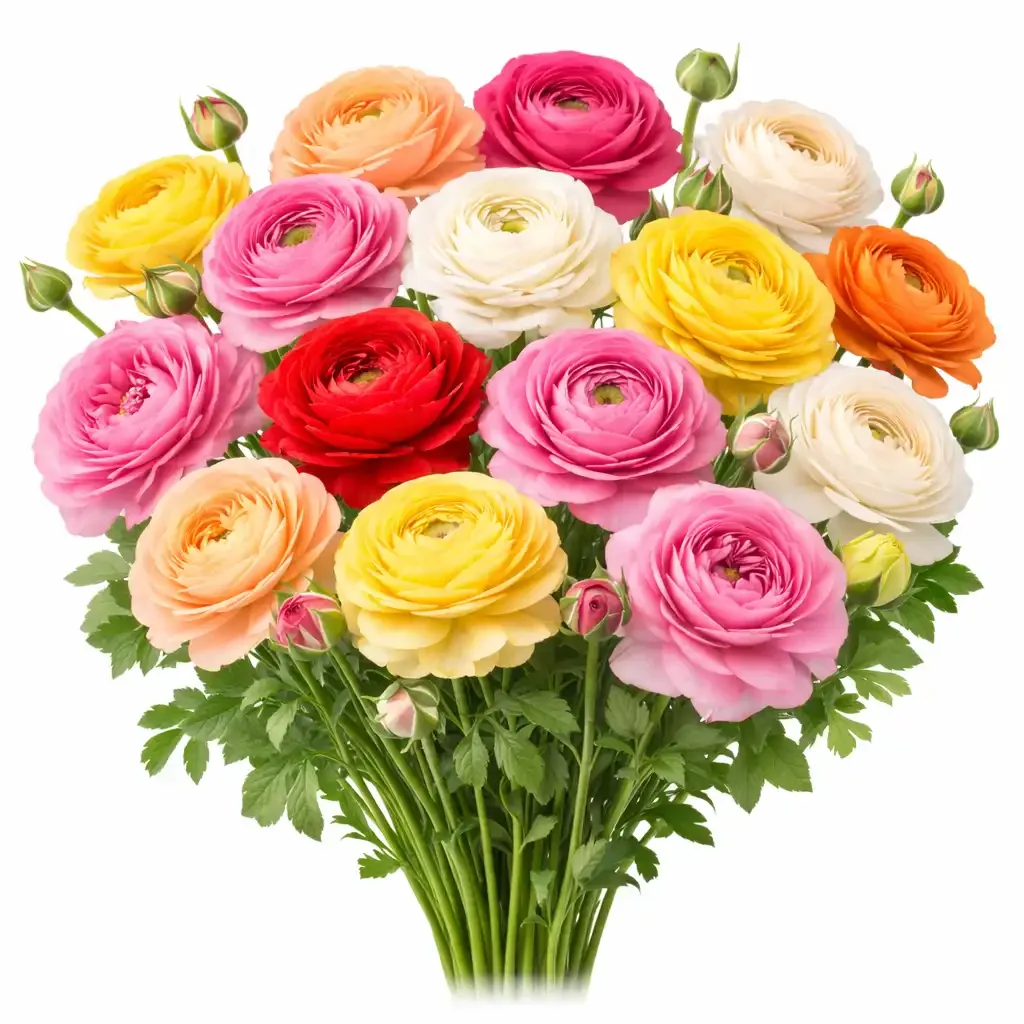
Ranunculus is one of the most breathtakingly beautiful cut flowers available to homestead growers and one of the most strategically valuable cool season crops you can produce. Its tightly packed, tissue-paper-thin petals layered in perfect concentric circles create a bloom of extraordinary refinement that florists describe as the rose of the cool season. In shades ranging from pure white and palest cream through every tone of blush, apricot, coral, salmon, yellow, orange, pink, red, and deep burgundy, Ranunculus offers a color palette so rich and so subtle that it has become the defining flower of the romantic, garden-style floral aesthetic that dominates the wedding market.
For homestead growers in mild winter climates within USDA zones 8 to 11, Ranunculus is a particularly extraordinary opportunity. It thrives in exactly the cool, mild conditions that these climates provide, blooming prolifically from late winter through late spring while cold-region growers are still waiting for their soil to thaw. This seasonal advantage means that growers in mild winter regions can supply locally grown Ranunculus to florists and wedding designers at a time when most of the country cannot grow them at all, commanding premium prices with minimal local competition.
Here is why Ranunculus deserves a prominent spot on your homestead:
It is one of the most valuable and sought after cool season cut flowers available. Ranunculus consistently ranks among the top specialty cut flowers requested by wedding florists and demanded by discerning farmers market customers. Its extraordinary beauty and refined color palette justify premium pricing at every market level.
It has an exceptional vase life. Ranunculus typically lasts 7 to 14 days as a cut flower, which is remarkable for such a delicate-looking bloom. This long vase life makes it enormously popular with florists who value longevity in the flowers they use for wedding and event work.
It thrives in mild winter climates. The cool, mild winters of USDA zones 8 to 11 are nearly ideal for Ranunculus production. Growers in these zones can harvest and sell Ranunculus from January through May, filling a market gap with a premium product at a time of year when competition is minimal.
It blooms during the premium wedding season. Late winter and spring are among the busiest seasons for weddings. Ranunculus blooming precisely during this period makes it one of the most commercially well-timed crops a homestead grower can produce.
It is a cut and come again crop. Each Ranunculus corm produces multiple stems over its blooming period, and regular harvesting encourages continued stem production throughout the cool season.
Growing Conditions
Sunlight
Ranunculus requires full sun to perform its best. It needs at least 6 hours of direct sunlight per day for strong stem production and abundant flowering. In partial shade it produces weak, elongated stems with fewer and smaller blooms. Full sun combined with cool temperatures produces the ideal growing conditions for the longest stems and most fully developed blooms.
Soil
Ranunculus requires well-drained, moderately fertile soil above all else. Waterlogged soil is the primary cause of corm rot, which is the most common and most devastating problem with Ranunculus. A loose, well-drained soil with a pH between 6.0 and 6.5 is ideal. In heavy clay soils, build raised beds with added compost and coarse sand to ensure the excellent drainage that Ranunculus demands. Sandy loam is the ideal soil type for Ranunculus production.
Water
Water consistently but carefully throughout the growing season. Ranunculus needs regular moisture during active growth and blooming but must never sit in waterlogged soil. The key is consistent moisture with excellent drainage. Water deeply two to three times per week during the growing season and reduce watering as plants approach the end of their productive life in late spring as temperatures rise. Drip irrigation is the ideal watering method as it delivers moisture directly to the root zone without wetting the foliage.
Temperature
Ranunculus is a cool season plant that performs best in temperatures between 45 and 65 degrees Fahrenheit. It does not tolerate frost once actively growing, though the corms themselves can handle light frost in the ground. It declines rapidly when temperatures consistently exceed 75 to 80 degrees Fahrenheit. In mild winter climates within USDA zones 8 to 11, the cool winters provide an exceptionally long and favorable growing window that is simply not available to growers in colder climates. In cold winter climates within USDA zones 3 to 7, Ranunculus is grown as a spring annual with a shorter but still productive and profitable cool season window.
Planting Guide
Ranunculus is grown from small, claw-shaped corms that look somewhat like a dried octopus. Proper pre-soaking and planting technique are critical to success. Corms planted incorrectly or in cold, wet soil are prone to rotting before they establish.
Step 1: In mild winter climates within USDA zones 8 to 11, plant Ranunculus corms in October through December for blooms from January through May. In cold winter climates, plant corms in early spring after the last frost date or start them indoors in late winter for transplanting outdoors when conditions allow.
Step 2: Before planting, pre-soak corms in cool water for 3 to 4 hours. This rehydrates the dried corms and dramatically improves establishment rates. Do not soak for longer than 4 hours as over-soaking can cause rot. Some growers prefer to soak in water for 3 hours and then allow corms to partially dry for 30 minutes before planting.
Step 3: Choose a location with full sun and excellent drainage. In raised beds or mounded rows, drainage is easiest to control. Prepare the soil by loosening it to a depth of 12 inches and incorporating compost to improve fertility and structure.
Step 4: Plant corms with the claw side facing down and the rounded side facing up, approximately 2 inches deep and 6 to 8 inches apart for cut flower production. Planting depth and orientation are critical. Corms planted upside down or too deep are prone to rotting and failure to emerge.
Step 5: Water gently after planting. In cool, mild winter conditions the soil often stays moist naturally and supplemental watering should be minimal until shoots emerge. Overwatering at this stage is one of the most common causes of corm rot.
Step 6: Expect shoots to emerge within 3 to 4 weeks in mild conditions. Once shoots are actively growing, increase watering to maintain consistent soil moisture throughout the growing and blooming period.
Seed vs Corm: Always grow Ranunculus from corms for cut flower production. Growing from seed is very slow and results are highly variable compared to corm production.
Spacing: 6 to 8 inches apart for cut flower production. Closer spacing produces taller, straighter stems.
Planting Season: October through December in mild winter climates within USDA zones 8 to 11. Early spring after last frost in cold winter climates.
Maintenance
Fertilizing
Ranunculus is a moderate feeder that benefits from regular fertilization throughout its growing and blooming season. Apply a balanced fertilizer or a low nitrogen, high phosphorus fertilizer at planting to encourage strong root and corm development. Follow with light applications every three to four weeks throughout the growing season to support continued stem and flower production. Avoid excessive nitrogen which promotes lush foliage at the expense of flower stem development.
Pest Control
Ranunculus is generally pest resistant in cool conditions. Aphids can appear on stems and developing buds and should be treated promptly with a strong spray of water or neem oil. Thrips can occasionally damage developing blooms, causing browning and distortion of petals. Preventive neem oil applications help reduce thrip pressure. Slugs and snails can damage emerging shoots in wet conditions. Iron phosphate slug bait around plants provides effective control.
Disease Prevention
Powdery mildew and botrytis gray mold can affect Ranunculus in humid or overcrowded conditions. Space plants properly for good air circulation, avoid overhead watering, and remove affected plant material promptly. Root and corm rot caused by waterlogged soil is the most serious threat and is entirely preventable with excellent drainage and careful watering.
End of Season Corm Management
In mild winter climates within USDA zones 8 to 11, Ranunculus corms can sometimes be left in the ground to dry out naturally as the foliage dies back in late spring. However, summer irrigation from neighboring crops and the risk of corm rot during hot summer periods means that most cut flower growers choose to dig and store corms after the foliage has died back completely.
Dig corms carefully after foliage has yellowed and died back. Allow them to dry in a warm, well-ventilated location for two to three weeks. Once fully dry, store in paper bags or mesh bags in a cool, dry location until replanting time in fall. Properly cured and stored corms can be replanted the following season, though commercial cut flower growers often choose to plant fresh corms each season for the most uniform and productive results.
Harvesting
When to Harvest
Harvest Ranunculus when the bud is showing full color and feels soft when gently squeezed, with the bloom just beginning to unfurl at the outermost petals. This is often described as the marshmallow stage. Ranunculus harvested at this stage opens slowly and gracefully after cutting and has the longest possible vase life. Blooms harvested when already open have a significantly shorter remaining vase life. Harvest in the early morning when stems are fully hydrated and temperatures are at their coolest.
How to Cut
Use clean, sharp scissors or pruners. Cut stems as long as possible, ideally 14 to 18 inches, cutting at the base of the stem as close to the corm as possible while still leaving some foliage on the plant for continued photosynthesis. Remove all foliage from the lower two thirds of the stem immediately after cutting. Place stems immediately into a bucket of cool water with a floral preservative.
Conditioning
Ranunculus benefits greatly from thorough conditioning before sale or arrangement. After cutting and stripping lower foliage, place stems in deep cool water in a cool, dark location for several hours or overnight. This conditioning period significantly improves vase life and petal firmness. If refrigeration is available, conditioning at 34 to 38 degrees Fahrenheit gives the best results.
How Often to Harvest
Each Ranunculus corm produces a succession of stems over its blooming period of approximately four to six weeks. Harvest every two to three days as new stems reach the correct stage. Regular harvesting encourages continued stem production from each corm and keeps the planting tidy and productive throughout the blooming season.
Vase Life
Ranunculus typically lasts 7 to 14 days as a fresh cut flower with proper conditioning and care. Strip all foliage below the waterline, recut stems at an angle, and place in fresh water with a floral preservative. Change water every two to three days and recut stems to maximize longevity. Keep arrangements away from heat, direct sunlight, and ripening fruit to maximize vase life.
Uses on a Homestead
Cut Flower Use
Ranunculus is primarily grown as a premium cut flower. Its extraordinary layered blooms in a magnificent range of soft, subtle colors make it one of the most beautiful and versatile flowers available for mixed bouquets, single-variety bundles, and wedding arrangements. It pairs magnificently with sweet peas, anemones, stock, tulips, and other cool season flowers in romantic spring arrangements that command the highest prices at every market level.
Wedding and Event Flowers
Ranunculus is one of the most requested flowers for spring weddings across every style from the most intimate and casual to the most elaborate and formal. Its refined beauty, extraordinary color range, and long vase life make it a natural centerpiece of romantic and garden-style wedding designs. Wedding florists pay premium prices for quality Ranunculus stems and a reliable local source during the spring wedding season is one of the most valuable supplier relationships a florist can have.
Farmers Market
Ranunculus is one of the most instantly compelling flowers at any farmers market during its blooming season. Its beauty stops customers in their tracks and its relatively short local season creates a natural sense of urgency that drives purchasing decisions. Single-variety bundles in unusual and soft color combinations are particularly popular with customers who recognize quality and are willing to pay for it.
Photography and Events
The extraordinary photogenic quality of Ranunculus, its layered petals catching light in a way that no other flower quite matches, makes it one of the most popular flowers for photography. Food photographers, interior stylists, and event designers all seek out Ranunculus during its season. Building relationships in these communities provides additional sales channels beyond traditional flower markets.
Can You Make Money With Ranunculus
Yes, Ranunculus is one of the most profitable cool season cut flower crops available to homestead growers, particularly in mild winter climates within USDA zones 8 to 11 where the production window aligns perfectly with the spring wedding season.
Premium pricing justified by extraordinary beauty. Ranunculus is universally recognized as one of the most beautiful flowers available and its pricing reflects that. It commands some of the highest per-stem prices of any cut flower in the cool season market.
Strong and consistent wedding market demand. Ranunculus is among the top five most requested flowers for spring weddings. Wedding florists will pay premium prices for quality stems and a reliable local supply during the peak spring wedding season is genuinely scarce and valuable.
Mild winter climate production advantage. Growers in mild winter climates within USDA zones 8 to 11 can produce and sell Ranunculus from January through May, during a period when most of the country cannot grow it at all. This seasonal advantage creates a premium market position with minimal local competition. In cold winter climates, the shorter spring season still delivers strong returns given the high demand and premium pricing Ranunculus commands.
Multiple sales channels. Farmers markets, florist supply, wedding flowers, CSA subscriptions, and direct-to-customer sales through social media and online platforms all provide strong and complementary income channels for Ranunculus production.
Farmers Market: Fresh Ranunculus bundles sell for 12 to 22 dollars per bunch of five to seven stems depending on variety, color, and bloom quality. Single premium stems can sell for 2 to 4 dollars each.
Florists and Wedding Designers: Ranunculus is among the most sought after specialty flowers for spring wedding work. Wholesale pricing of 1.50 to 3.00 dollars per stem reflects the premium nature of the product. Establishing a supply relationship with local wedding florists is one of the most profitable uses of a Ranunculus crop.
CSA Flower Subscriptions: Ranunculus is one of the most eagerly anticipated flowers in a cool season flower subscription box. Its inclusion during peak bloom justifies premium subscription pricing and generates extraordinary customer enthusiasm.
Photography and Styling: Selling directly to food photographers, interior stylists, and event designers is a growing and premium-priced sales channel for Ranunculus. These buyers often purchase in small quantities but at full retail prices and with very little market preparation required on the grower's part.
Companion Plants
Ranunculus grows beautifully alongside other cool season flowers and bulbs with similar growing requirements and overlapping bloom times.
Anemones: Both are cool season bulb crops that bloom at overlapping times and complement each other beautifully in romantic spring arrangements. They share nearly identical growing requirements.
Sweet Peas: The fragrant, delicate blooms of sweet peas pair magnificently with Ranunculus in spring bouquets. Both thrive in similar cool conditions and bloom at the same time.
Tulips: Both are cool season bulb crops that create beautiful combinations in spring arrangements. Specialty tulip varieties in soft and unusual colors pair particularly well with the subtle tones of premium Ranunculus.
Stock: The fragrant, vertical spikes of Stock provide structural contrast to the round, layered blooms of Ranunculus in mixed spring arrangements.
Snapdragons: Both are cool season crops that bloom at overlapping times and complement each other beautifully in tall, romantic spring bouquets.
Lisianthus: Both are premium cool season cut flowers with a romantic aesthetic that pair beautifully in high-end bouquets and wedding arrangements.
Common Problems
Corm Rot
The most serious and most common problem with Ranunculus. Corms planted in poorly drained or waterlogged soil rot before they establish. Excellent drainage is the single most important preventive measure. Build raised beds if necessary, avoid overwatering especially before shoots emerge, and never plant corms in cold, wet soil. Once rot sets in it cannot be reversed and affected corms should be removed immediately.
Failure to Emerge
Usually caused by planting corms upside down, planting in cold soil, overwatering before emergence, or using old or poorly stored corms. Ensure corms are planted with the claw side down, pre-soak before planting, plant in well-drained soil at the correct time of year, and purchase fresh, high-quality corms from a reputable supplier each season.
Powdery Mildew
Can appear on foliage late in the season as temperatures rise and humidity increases. Space plants properly for air circulation, avoid overhead watering, and remove affected foliage promptly. Mildew late in the season rarely significantly affects yield as plants are naturally approaching the end of their productive life.
Aphids
Can appear on stems and developing buds in significant numbers. Treat promptly with a strong spray of water or neem oil. Aphid damage to developing buds can result in distorted or shortened blooms that are not marketable.
Short Stems
A common frustration in Ranunculus production. Short stems are usually caused by insufficient sun, warm temperatures that accelerate development, overcrowding, or inadequate nutrition. Ensure full sun, cool growing temperatures, proper spacing, and consistent fertilization throughout the growing season. In mild winter climates, planting as early as possible in fall gives the longest cool growing season before spring warmth arrives and helps maximize stem length.
Varieties to Consider
Cloni Success Series: One of the most widely grown Ranunculus series for commercial cut flower production. Very large, fully double blooms with an extraordinary petal count. Available in a wide range of colors including white, cream, yellow, apricot, salmon, coral, pink, red, and burgundy. Long strong stems and excellent vase life. The standard for premium cut flower production.
Elegance Series: Another widely grown commercial series with large, double blooms and strong stems. Available in a similar color range to Cloni. Reliable performance and consistent quality make this series a popular choice for both homestead and commercial cut flower production.
Aviv Series: A series developed specifically for field production in mild winter climates. Strong stems, good disease resistance, and excellent performance in the cool season conditions of USDA zones 8 to 11 and similar climates.
Amandine Series: A large-flowered series with very full, peony-like blooms. Extremely popular with wedding florists for its exceptional flower size and refined color range. Commands premium prices at market.
Cafe au Lait Ranunculus: Not a formal series name but a popular descriptor for the soft, warm, dusty tones of peach, caramel, and muted coral that are among the most sought after Ranunculus colors in the current wedding market. These tones pair beautifully with the cafe au lait Dahlia and other warm, earthy-toned flowers in contemporary romantic designs.
Picotee Varieties: Ranunculus varieties with a contrasting edge color on the petals. Very popular with florists and wedding designers for their distinctive, two-toned appearance that adds visual interest to arrangements and bouquets.
Final Thoughts
Ranunculus is one of the most rewarding and commercially valuable crops a homestead flower grower can add to their cool season production. Its extraordinary beauty, refined color range, strong wedding market demand, and excellent vase life combine to create a premium product that commands the highest prices in the cool season cut flower market. In mild winter climates within USDA zones 8 to 11 where it can be grown through the winter months and harvested from January through May, Ranunculus delivers an exceptional return on the investment of corms and care. In cold winter climates, the shorter spring growing window is still one of the most profitable and beautiful cool season harvests available. Plant in well-drained soil with excellent preparation, pre-soak corms before planting, provide full sun and consistent moisture, and Ranunculus will reward you with some of the most beautiful and commercially powerful blooms your homestead cutting garden can produce.
FAQ
Can Ranunculus corms be reused from year to year? Yes, Ranunculus corms can be dug, dried, and stored after the foliage dies back and replanted the following season. However, many commercial cut flower growers choose to plant fresh corms each season for the most uniform and productive results. Corms that have been grown and stored properly typically perform reasonably well in their second season but may produce somewhat fewer and smaller blooms than fresh corms. For the highest-quality cut flower production, starting with fresh, high-quality corms each season gives the most reliable results.
How many stems does one Ranunculus corm produce? A healthy, well-established Ranunculus corm typically produces 4 to 7 or more harvestable stems over its blooming period of approximately four to six weeks. Larger, higher-quality corms from premium suppliers generally produce more stems than smaller or lower-quality corms. Providing optimal growing conditions including full sun, excellent drainage, consistent moisture, and regular fertilization maximizes the number of stems per corm.
What is the best time to plant Ranunculus in mild winter climates? In mild winter climates within USDA zones 8 to 11, the optimal planting window for Ranunculus is October through December. Earlier planting in October produces the earliest blooms, typically starting in January or February, and gives the longest possible growing season before spring heat arrives. Later planting in November or December produces blooms from February through May. A succession of plantings every two to three weeks through this window extends the overall harvest period and provides a more continuous supply of stems throughout the cool season.
Why are my Ranunculus stems short? Short stems are one of the most common challenges in Ranunculus production and are usually caused by insufficient sun, warm temperatures that accelerate development at the expense of stem elongation, overcrowding, inadequate nutrition, or planting too late in the season when cool growing conditions are limited. Address short stems by ensuring full sun, planting as early as possible in the fall for the longest cool growing season, maintaining proper spacing, providing regular balanced fertilization, and choosing large, high-quality corms from premium suppliers that are bred specifically for cut flower production.
Is Ranunculus difficult to grow for beginners? Ranunculus has a reputation for being somewhat demanding compared to simpler annuals like zinnias or sunflowers, primarily because of its sensitivity to drainage and its specific cool temperature requirements. However, in mild winter climates within USDA zones 8 to 11 where the growing conditions are naturally favorable, and with attention to the critical requirements of excellent drainage, correct planting orientation, pre-soaking before planting, and cool growing temperatures, Ranunculus is entirely manageable for a dedicated beginner. In cold winter climates, timing the spring planting correctly and ensuring excellent drainage are the most important factors for success. The extraordinary commercial value of the crop makes the learning curve well worth the effort.