
Nigella
Quick Overview
Common Name: Nigella, Love-in-a-Mist, Devil-in-a-Bush
Scientific Name: Nigella damascena, Nigella hispanica
Plant Type: Annual
USDA Zones: 2 to 11
Sun Requirement: Full Sun to Partial Shade
Soil Type: Well-drained, average fertility
Bloom Season: Late Spring through Summer
Height: 12 to 24 inches
Pollinator Friendly: Yes
Edible: Seeds of some species are edible and used as a spice
Why Grow Nigella on a Homestead
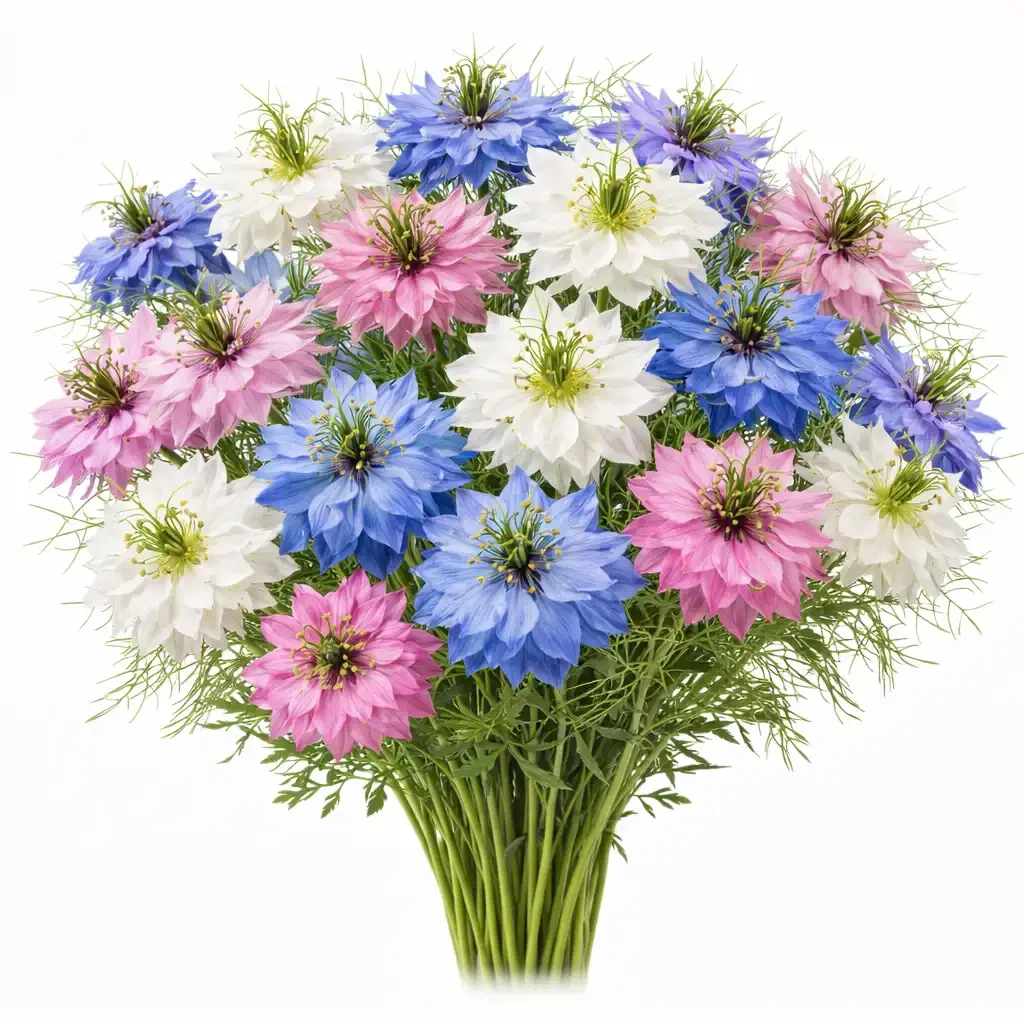
Nigella is one of the most enchanting and commercially versatile flowers available to homestead cut flower growers. Its delicate, jewel-like blooms in shades of soft blue, white, pink, and deep purple, each nestled within a cloud of finely cut ferny foliage that gives the flower its common name Love-in-a-Mist, create a quality of delicate, intricate beauty that is virtually impossible to replicate with any other flower. And unlike many beautiful flowers that offer only a fresh cut bloom, Nigella gives homestead growers two distinct harvestable products from a single planting: the flowers themselves and the extraordinary ornamental seed pods that follow, which are among the most popular and commercially valuable dried flower products available.
For homestead growers, Nigella represents one of the most strategically valuable cool season annuals available. It direct sows easily in cool conditions, requires very little ongoing care, and provides harvestable material across two very different market channels, fresh flowers in spring and early summer, and dried seed pods through fall, winter, and beyond. This dual-harvest capability, combined with its low seed cost and minimal input requirements, makes Nigella one of the highest-return crops per square foot in a diversified homestead flower operation.
Here is why Nigella deserves a prominent spot on your homestead:
It provides two distinct harvests from a single planting. Fresh Nigella blooms are beautiful filler flowers for spring and early summer bouquets. The ornamental seed pods that follow are among the most popular and commercially valuable dried flower products available. One planting, two income streams.
It is one of the most delicately beautiful flowers in the cutting garden. The intricate, jewel-like blooms of Nigella nestled within their cloud of ferny foliage have a quality of natural beauty that customers and florists find immediately compelling and genuinely unique.
It is extremely easy to grow from seed. Nigella direct sows readily in cool soil and establishes quickly with minimal care. It is one of the most beginner-friendly cool season annuals for cut flower production.
It is a valuable pollinator plant. Nigella attracts bees, butterflies, and beneficial insects throughout its blooming season, contributing to the health and productivity of your entire homestead garden.
It self-seeds readily. In a managed cutting garden, allowing a small proportion of plants to set seed provides a self-renewing source of free plants each season with no additional investment in seeds.
Growing Conditions
Sunlight
Nigella performs best in full sun but tolerates partial shade reasonably well. It needs at least 4 to 6 hours of direct sunlight per day for the strongest stems and most abundant flowering. In deeper shade stems become weak and elongated and the intricate blooms lose some of their visual impact. For cut flower production with the longest, most marketable stems full sun is always the preferred choice.
Soil
Nigella prefers well-drained soil with average fertility. It does not need heavily amended or richly fertile beds and actually performs better in average conditions than in overly rich soil. Good drainage is more important than fertility. Overly rich soil produces lush, floppy foliage at the expense of flower and seed pod production. Soil pH between 6.0 and 7.0 is ideal.
Water
Water consistently throughout the growing season to maintain even soil moisture. Nigella needs regular moisture during active growth and blooming but does not tolerate waterlogged conditions. Water at the base of plants rather than overhead to keep the delicate ferny foliage dry and reduce the risk of fungal diseases. Once established, Nigella is moderately drought tolerant but produces the best stems with consistent moisture.
Temperature
Nigella is a cool season annual that performs best in moderate temperatures between 50 and 70 degrees Fahrenheit. It tolerates light frost and germinates best in cool soil. It declines and bolts quickly when temperatures consistently exceed 80 degrees Fahrenheit. In mild winter climates within USDA zones 8 to 11, Nigella is best grown as a fall through spring crop. In cold winter climates within USDA zones 3 to 7, it is grown as an early spring through early summer annual sown as soon as the soil can be worked.
Planting Guide
Nigella grows best from direct sowing. It has a delicate taproot that makes it difficult to transplant successfully and it establishes most readily when sown directly in the garden at the correct time.
Step 1: In cold winter climates within USDA zones 3 to 7, direct sow Nigella as early as possible in spring, even while light frosts are still possible. Nigella tolerates light frost and germinates best in cool soil. In mild winter climates within USDA zones 8 to 11, sow in fall for winter and spring blooming.
Step 2: Choose a location with full sun and well-drained soil with average fertility. Avoid heavily amended beds.
Step 3: Sow seeds directly onto the soil surface or cover with the very lightest dusting of soil. Seeds need cool temperatures and adequate light to germinate. Water gently after sowing and keep the soil surface lightly moist until germination, which typically occurs within 10 to 14 days in cool conditions.
Step 4: Thin seedlings to 6 to 9 inches apart once they are a few inches tall. Proper thinning is important for cut flower production as crowded plants produce shorter, weaker stems.
Step 5: For a continuous harvest, succession sow every two to three weeks from early spring through mid spring in cold winter climates. In mild winter climates, a single fall sowing often provides blooms through the entire cool season.
Step 6: Allow a small proportion of plants in a designated area to go to seed naturally each season to provide a self-renewing crop of volunteer seedlings for the following year.
Seed vs Transplant: Direct sowing is strongly preferred. Nigella does not transplant well due to its delicate taproot. If transplanting is necessary, use biodegradable pots started very early before the taproot becomes established.
Spacing: 6 to 9 inches apart for cut flower production.
Planting Season: Early spring in cold winter climates within USDA zones 3 to 7. Fall through early spring in mild winter climates within USDA zones 8 to 11.
Maintenance
Deadheading and Seed Pod Management
Managing the balance between fresh flower production and seed pod development is the most important maintenance task with Nigella. Deadheading spent blooms promptly encourages continued flower production. Allowing selected blooms to develop into seed pods, which typically happens naturally as the season progresses and temperatures rise, provides the dried flower harvest. For maximum fresh flower production, deadhead aggressively throughout the cool season. As summer heat approaches and bolting becomes inevitable, allow plants to develop their seed pods for the dried flower harvest.
Fertilizing
Nigella does not need heavy feeding. A light application of balanced fertilizer at planting is sufficient for average soil. Avoid high nitrogen fertilizers which promote lush foliage at the expense of flowers and seed pods.
Pest Control
Nigella is generally pest resistant. Aphids can occasionally appear on stems and developing seed pods. Treat with a strong spray of water or neem oil if populations become problematic. The delicate ferny foliage is attractive to slugs and snails in wet conditions. Iron phosphate slug bait provides effective control if needed.
Disease Prevention
Good drainage and air circulation prevent most disease issues. Avoid overhead watering to protect the delicate ferny foliage from water-related fungal diseases. Space plants properly for good air circulation.
Harvesting
When to Harvest Fresh Flowers
Harvest Nigella blooms when they are fully open and at their most visually impressive, with all petals fully extended and the characteristic ferny bracts fully developed around the bloom. Unlike many flowers that are harvested before full opening, Nigella looks its best and lasts longest when harvested at full bloom. Harvest in the early morning when stems are fully hydrated and temperatures are cool.
How to Cut Fresh Flowers
Use clean, sharp scissors or pruners. Cut stems as long as possible, ideally 12 to 18 inches. Cut just above a set of leaves or a side shoot to encourage new stem production. Place cut stems immediately into a bucket of cool water with a floral preservative.
When to Harvest Seed Pods
For dried seed pods, allow blooms to fully open, shed their petals, and develop the large, round, ornamental seed pod. Harvest seed pods when the pod is fully inflated and showing its distinctive striped pattern of green with maroon to purple veining, but before the pod begins to turn papery brown and open at the top to release seeds. At this stage the pods are at their most visually striking and dry beautifully with their characteristic patterning intact.
Drying Seed Pods
To dry Nigella seed pods, gather stems into small bundles and hang upside down in a warm, dry, well-ventilated space away from direct sunlight. Drying takes approximately two to three weeks. The pods retain their distinctive striped pattern and three-dimensional form exceptionally well when dried and can last for years in dried arrangements.
How Often to Harvest
During peak bloom, harvest fresh flowers every two to three days. Regular cutting encourages continued flower production throughout the cool season. As the season progresses and temperatures rise, shift from harvesting fresh flowers to allowing seed pods to develop for the dried flower harvest.
Vase Life
Nigella typically lasts 5 to 7 days as a fresh cut flower with proper care. Strip all foliage below the waterline, recut stems at an angle, and place in fresh water with a floral preservative. Change water every two to three days to maximize longevity.
Uses on a Homestead
Cut Flower Use
Nigella is primarily used as a delicate filler flower in mixed bouquets and arrangements. Its intricate, jewel-like blooms nestled within clouds of ferny foliage add a distinctive, romantic quality to arrangements that no other flower quite replicates. It pairs beautifully with sweet peas, ranunculus, poppies, anemones, and other cool season flowers in loose, romantic spring and early summer bouquets. Even a few stems of Nigella transform the character of an arrangement from structured to enchanting.
Dried Seed Pods
The ornamental seed pods of Nigella are among the most popular and versatile dried flower products available. Their large, round, inflated form with distinctive green and maroon striping creates a striking three-dimensional element in dried wreaths, arrangements, and botanical craft products. Dried Nigella pods sell consistently well at craft markets, holiday markets, and through online shops throughout the year. They are a staple ingredient in dried flower arrangements and wreaths and pair beautifully with dried lavender, strawflower, statice, and grasses.
Wedding and Event Flowers
Nigella is a sought-after specialty filler for garden-style, romantic, and wildflower wedding designs. Its delicate, intricate blooms and ethereal ferny foliage create an instantly romantic quality in bridal bouquets, centerpieces, and ceremony installations. Wedding florists value Nigella highly for its distinctive appearance and consistent popularity with clients seeking a naturalistic, garden-style aesthetic.
Pollinator Garden
Nigella is an excellent pollinator plant. Bees and butterflies are strongly attracted to its blooms throughout the cool season, contributing to the overall health and productivity of your homestead garden ecosystem.
Can You Make Money With Nigella
Yes, Nigella is a highly profitable specialty crop for homestead flower operations, particularly because of its dual-harvest capability that generates income from both the fresh flower and dried seed pod markets from a single planting.
Dual income streams from one planting. Fresh flowers generate income in spring and early summer. Dried seed pods generate income from late summer through the following winter. This extended income window from a single low-cost planting is one of the most financially efficient crop strategies available to homestead growers.
Low input costs. Nigella seeds are inexpensive, the plant needs no fertilizing, and it has minimal pest and disease management requirements. The return on investment per seed packet is exceptional.
Strong dried pod market. Dried Nigella seed pods are a consistently popular and distinctive dried flower product with strong year-round demand from crafters, florists, and wreath makers.
Premium filler positioning. Nigella occupies a specialty position in the filler flower market. Its distinctive appearance and rarity at most farmers markets justify premium pricing above common filler flowers.
Farmers Market: Fresh Nigella bundles sell for 6 to 10 dollars per bunch. Dried Nigella pod bundles sell for 7 to 12 dollars per bunch depending on size and quality.
Florists and Wedding Designers: Nigella is a consistently sought-after specialty filler for wedding florists working in garden-style and romantic design aesthetics. A reliable local source of quality stems and dried pods is valued.
Dried Flower Market: Dried Nigella pod bundles and individual stems sell well at craft markets, holiday markets, and through online shops year round. Their long shelf life and distinctive appearance make them ideal online products.
CSA Flower Subscriptions: Nigella adds a magical, distinctive quality to spring and early summer flower subscription boxes that subscribers find immediately enchanting. Its inclusion elevates the perceived quality and uniqueness of every bouquet it appears in.
Companion Plants
Nigella grows beautifully alongside other cool season flowers and pollinator plants with similar growing preferences.
Sweet Peas: Both are fragrant cool season flowers that complement each other naturally in the spring cutting garden and in mixed bouquets. Ranunculus: Both are cool season favorites that bloom at overlapping times and complement each other beautifully in romantic spring arrangements. Poppies: Both are delicate, intricate cool season flowers that complement each other beautifully in loose, romantic spring and early summer bouquets. Orlaya: Both are delicate, lacy cool season annuals with similar growing requirements that complement each other magnificently in mixed spring bouquets. Larkspur: A cool season annual with tall vertical spikes that provides structural contrast to the delicate horizontal form of Nigella blooms in mixed arrangements. Bachelor's Button: A related cool season annual with similar growing requirements and overlapping bloom times that pairs naturally with Nigella in mixed spring bouquets.
Common Problems
Short Vase Life
Nigella has a somewhat shorter vase life than many other cut flowers, typically five to seven days. Proper conditioning in deep cool water overnight before sale or arrangement significantly improves vase life. Strip all foliage below the waterline, recut stems at an angle, and use a commercial floral preservative to maximize longevity.
Bolting in Heat
Nigella bolts and declines quickly when temperatures rise above 75 to 80 degrees Fahrenheit. There is no way to prevent bolting entirely once summer heat arrives. Plan for plants to decline as temperatures rise and use this natural transition as the signal to shift from harvesting fresh flowers to allowing seed pods to develop for the dried flower harvest.
Poor Germination in Warm Soil
Nigella germinates best in cool soil between 60 and 65 degrees Fahrenheit. Sowing in warm summer soil leads to poor and uneven germination. Always sow in cool conditions for the best germination rates.
Floppy Stems
Can occur in overly rich soil, insufficient sun, or when plants are overcrowded. Grow in average soil with full sun and thin seedlings properly to ensure adequate spacing. Avoid high nitrogen fertilizers.
Slugs and Snails
Can damage young plants and emerging seedlings in wet conditions. Use iron phosphate slug bait around plants. Remove debris and mulch where slugs hide during the day.
Varieties to Consider
Miss Jekyll Series: One of the most popular Nigella varieties for cut flower production. Semi-double blooms in a beautiful range of sky blue, white, and rose pink. Strong stems and good overall performance for both fresh flower and seed pod production. The classic choice for homestead cut flower growers.
Miss Jekyll Blue: The iconic sky blue individual variety from the Miss Jekyll series. Pure, clear blue blooms with the characteristic ferny foliage. One of the most popular and widely grown Nigella varieties available. Extremely popular with florists and customers for its distinctive blue color.
Oxford Blue: A deeper, richer blue than Miss Jekyll Blue with a more intense color. Very popular with florists working with romantic and moody color palettes.
Persian Jewels Mix: A classic seed mix that includes white, pink, blue, and bicolor varieties. A mixed planting gives you a range of colors for bouquets and adds visual interest to the cutting garden and market display.
Albion Black Pod: A white-flowered variety with dramatically dark, near-black seed pods. Extremely popular for dried flower use and with florists working with dark, dramatic color palettes. The contrast between white flowers and dark pods makes this variety visually striking at every stage.
Midnight: A deep, inky blue-purple variety with unusually dark coloring. Very popular with florists working with deep, jewel-toned color palettes and with customers seeking something beyond the standard blue Nigella.
Cramers Plum: Soft dusky plum-purple blooms with a romantic, vintage quality. Very popular with wedding florists for its unusual and sophisticated color.
Final Thoughts
Nigella is one of the most magical and commercially versatile flowers a homestead grower can cultivate. Its intricate, jewel-like blooms and extraordinary ornamental seed pods together provide two genuinely distinctive and commercially valuable products from a single low-cost planting. In a diversified homestead flower operation where maximizing the income potential of every square foot of growing space is essential, few crops match Nigella's combination of low input requirements, dual-harvest capability, and genuine market distinctiveness. Sow it early in cool conditions, harvest the blooms regularly through the cool season, then allow the plants to develop their remarkable seed pods as summer approaches, and Nigella will reward your homestead with one of the most enchanting and financially rewarding harvests available to any cut flower grower.
FAQ
What are Nigella seed pods used for? Nigella seed pods are among the most popular dried flower products available. Their large, round, inflated form with distinctive green and maroon striping creates a striking three-dimensional element in dried wreaths, arrangements, and botanical craft products. They sell consistently well at craft markets, holiday markets, and through online shops year round and are a staple ingredient in dried flower arrangements, wreaths, and botanical home decor products.
Is Nigella the same as Love-in-a-Mist? Yes, Love-in-a-Mist is the most widely used common name for Nigella damascena. The name refers to the characteristic cloud of finely cut ferny bracts that surround each bloom, giving the flower the appearance of being nestled within a mist of fine foliage. Other common names include Devil-in-a-Bush, referring to the spiny seed pods that develop after flowering.
Can Nigella be grown as a long season crop? In mild winter climates within USDA zones 8 to 11, Nigella can be grown from fall through late spring as a long-season cool weather crop before summer heat causes bolting and decline. In cold winter climates within USDA zones 3 to 7, it is grown as a spring through early summer annual with a generous harvest window when sown as early as possible. Succession sowing every two to three weeks from early spring through mid spring in cold winter climates extends the overall fresh flower harvest period.
Are Nigella seeds edible? The seeds of Nigella sativa, a related but distinct species also known as Black Seed or Black Cumin, are widely used as a culinary spice and have a long history of use in Middle Eastern and South Asian cooking. The seeds of Nigella damascena, the common Love-in-a-Mist grown as a cut flower, are not typically used as food. If you are interested in growing edible Nigella for culinary use, look specifically for Nigella sativa rather than the ornamental cut flower species.
Does Nigella self-seed? Yes, Nigella self-seeds readily if seed heads are allowed to mature and disperse. In a managed cutting garden this self-seeding habit can be a valuable asset, providing free plants each season in areas where self-seeding is permitted. Allow a small proportion of plants in a designated area to go to seed deliberately each season. Harvesting all seed pods before they open and deadheading promptly throughout the season prevents unwanted self-seeding in areas where it is not desired.