
Roses (Wild)
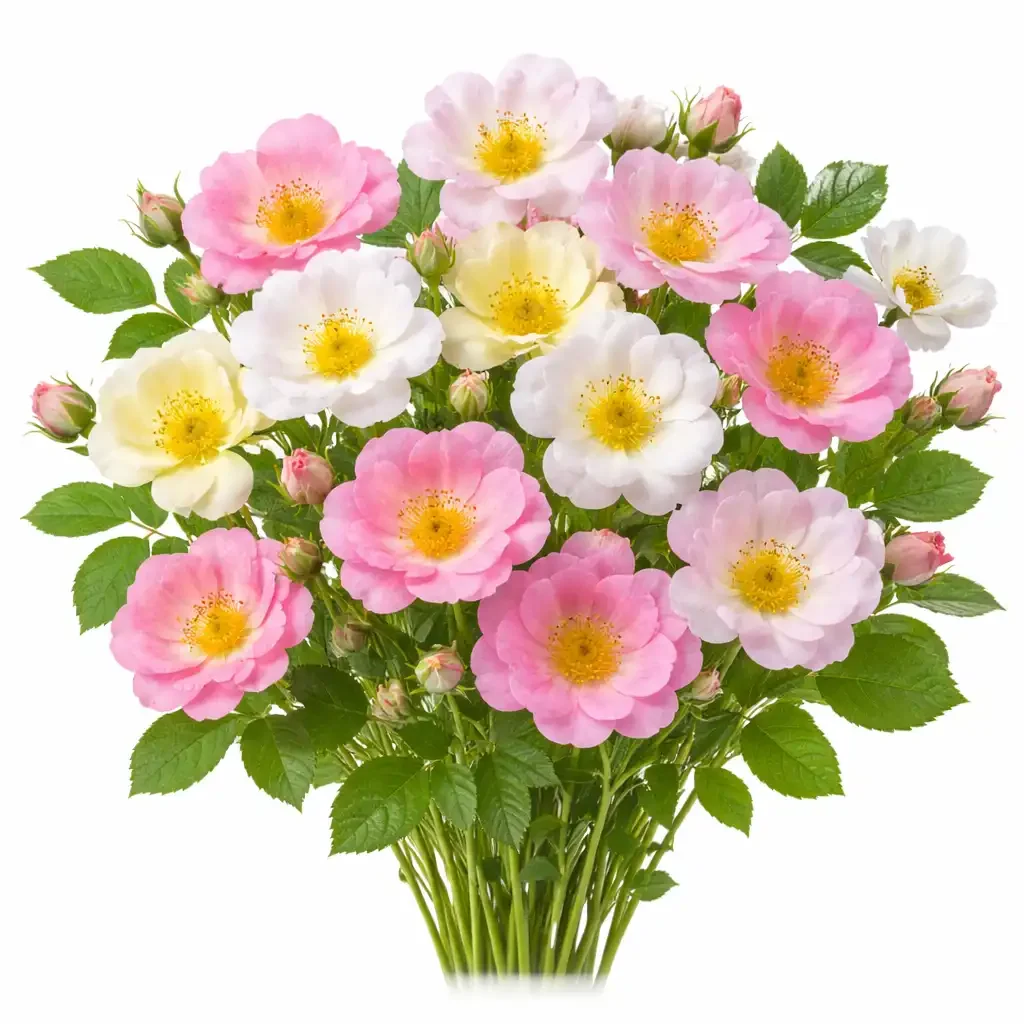
Quick Overview
Common Name: Wild Roses, Species Roses
Scientific Name: Rosa spp.
Plant Type: Perennial Shrub
USDA Zones: 2 to 9 depending on species
Sun Requirement: Full Sun to Partial Shade
Soil Type: Well-drained, average to moderately fertile
Bloom Season: Late Spring through Early Summer, Rose Hips Fall through Winter
Height: 3 to 15 feet depending on species
Pollinator Friendly: Yes
Edible: Yes, rose hips and petals are edible
Why Grow Wild Roses on a Homestead
Wild Roses, also known as Species Roses, are the original roses. They are the unaltered, naturally occurring roses that have grown across the northern hemisphere for millions of years, long before human breeders began crossing and selecting for the elaborate blooms found in modern roses. On a homestead, they represent something fundamentally different from any other rose you can grow: a plant so deeply adapted to its environment that it requires almost no human intervention to thrive, bloom, and produce abundantly year after year.
For homestead growers, Wild Roses offer a compelling combination of practical utility and natural beauty that modern roses simply cannot match. Their single, five-petaled blooms in white, pink, and deep rose are deceptively simple yet extraordinarily beautiful, particularly to florists and customers drawn to a naturalistic, unmanufactured aesthetic. After the blooms fade, Wild Roses produce generous crops of rose hips in shades of orange, red, and burgundy that are among the most nutritious and commercially valuable fruits available from any garden shrub. And throughout the season, they provide wildlife habitat, soil stabilization, natural fencing, and one of the most powerful pollinator resources on the entire homestead.
Here is why Wild Roses deserve a place on your homestead:
They are virtually maintenance free once established. Wild Roses have evolved over millions of years to survive without human help. Once planted in appropriate conditions they need almost no watering, fertilizing, or pest management. They are among the lowest-maintenance productive plants you can grow.
They produce valuable rose hips in addition to flowers. Wild Roses produce some of the largest and most nutritious rose hips available. Rose hips are commercially valuable for herbal teas, culinary products, natural health products, and dried floral use. This dual harvest of flowers and hips gives Wild Roses a unique income potential among homestead plants.
They attract an extraordinary range of pollinators. The open, single flowers of Wild Roses are far more accessible to bees and other pollinators than the multi-petaled blooms of modern roses. They are among the most ecologically important flowering shrubs you can plant on a homestead.
They are extraordinarily cold hardy and disease resistant. Most Wild Rose species are naturally resistant to the diseases that plague modern roses and are cold hardy to temperatures that would kill many cultivated varieties. They are built to survive.
They fill multiple homestead roles simultaneously. As a cut flower, a hip-bearing fruiting shrub, a natural hedge, a wildlife habitat plant, and a soil stabilizer, Wild Roses earn their place on the homestead in more ways than almost any other plant.
Growing Conditions
Sunlight
Wild Roses perform best in full sun but are more tolerant of partial shade than most modern rose varieties. They need at least 4 to 6 hours of direct sunlight per day for good flowering and hip production. In deeper shade they will grow but bloom and fruit production decreases significantly. For cut flower and hip production, choose the sunniest available location.
Soil
Wild Roses are remarkably adaptable to a wide range of soil types. They perform well in average to moderately fertile, well-drained soil and many species tolerate poor, sandy, or rocky soils that would challenge other plants. They do not perform well in waterlogged or compacted conditions. Soil pH between 5.5 and 7.0 is ideal. Unlike modern roses that often need heavily amended, rich soil to perform well, Wild Roses generally prefer lean to average conditions.
Water
Once established, most Wild Rose species are moderately to highly drought tolerant. They need regular watering during the first growing season to establish a strong root system but after that require very little supplemental irrigation. In dry climates within USDA zones 8 to 11, established Wild Roses often need only occasional deep watering during the driest summer periods. In more humid climates, established plants generally manage well on natural rainfall with minimal supplemental irrigation. Their drought tolerance makes them one of the most water-efficient flowering shrubs available for homesteads across a wide range of climates.
Temperature
Wild Roses are exceptionally cold hardy. Many species tolerate temperatures well below zero degrees Fahrenheit and thrive in climates far colder than any modern rose could survive within USDA zones 2 to 4. In mild winter climates within USDA zones 8 to 11, choosing species that are adapted to limited winter chilling gives the best results. Rosa rugosa and Rosa canina perform well across a very wide range of climates. In humid climates choose species with strong disease resistance to manage the increased black spot and mildew pressure that comes with higher humidity.
Planting Guide
Wild Roses can be planted from bare root plants, container-grown nursery plants, or rooted cuttings. Bare root planting in late winter or early spring gives excellent results and is often the most economical option for establishing multiple plants for a hedge or large cutting garden planting.
Step 1: Choose a location with full sun and well-drained soil. Consider the mature size of your chosen species and allow adequate space. Many Wild Roses spread through suckers and can colonize a significant area over time. This spreading habit is an asset for hedgerow plantings but requires management in a more controlled cutting garden.
Step 2: Dig a hole wide and deep enough to accommodate the root system without bending or cramping the roots. For bare root plants, create a small mound of soil in the center of the hole to spread roots over.
Step 3: Plant the rose at the same depth it was growing previously. For bare root plants, the bud union or crown should be at or just above soil level. Backfill with native soil and firm gently around the roots.
Step 4: Water thoroughly after planting and keep soil consistently moist during the first growing season. After establishment, reduce watering to occasional deep irrigation during dry periods.
Step 5: Apply a light layer of organic mulch around the base of the plant to conserve moisture and suppress weeds. Keep mulch away from the stem to prevent crown rot.
Step 6: For hedgerow or naturalized plantings, space plants 4 to 6 feet apart to allow for their natural spreading habit. For more controlled cutting garden plantings, space 3 to 4 feet apart and manage suckers regularly.
Seed vs Transplant: Always plant from bare root or container plants for reliable results. Growing Wild Roses from seed is very slow and results are highly variable.
Spacing: 3 to 6 feet apart depending on species and intended use.
Planting Season: Bare root planting in late winter to early spring. Container plants can be planted any time during the growing season in mild climates.
Maintenance
Pruning
Wild Roses need far less pruning than modern roses. The most important pruning tasks are removing dead, damaged, or crossing branches in early spring and thinning older canes every few years to encourage vigorous new growth from the base. Unlike modern roses that need heavy annual pruning to perform well, Wild Roses bloom on old wood and benefit from a lighter touch. Removing one third of the oldest canes each year in late winter keeps the shrub productive and well-shaped without disrupting its natural form.
Managing Suckers
Many Wild Rose species spread by underground suckers, sending up new shoots from the root system around the base of the plant. In naturalized or hedgerow plantings this spreading is desirable. In more controlled settings, remove unwanted suckers by pulling them away from the root rather than cutting them, which encourages regrowth.
Fertilizing
Wild Roses do not need regular fertilizing. A light application of compost around the base of the plant in early spring is sufficient for most soils. Avoid high nitrogen fertilizers which produce lush, disease-prone growth at the expense of flowers and hips. Wild Roses are accustomed to lean conditions and perform best when not over-fed.
Pest and Disease Management
Wild Roses are significantly more disease resistant than modern roses. Most species show good to excellent resistance to black spot, powdery mildew, and rust, the three diseases that most commonly afflict cultivated roses. Aphids can appear on new growth in spring but are usually managed quickly by ladybugs and other beneficial insects that Wild Roses attract. In most cases Wild Roses require no spraying or chemical intervention of any kind.
Harvesting
Harvesting Cut Flowers
Wild Rose blooms are fleeting. Most species produce their main flush of single flowers over a period of two to four weeks in late spring to early summer. Harvest blooms when they are just beginning to open, showing full color but with the petals still cupped rather than fully flat. Wild Rose blooms open quickly after cutting and have a shorter vase life than modern roses, so harvesting at the right stage is critical.
How to Cut
Use clean, sharp pruners. Cut stems 12 to 18 inches long if possible, selecting stems with well-developed buds. Make cuts just above an outward-facing leaf node to encourage new growth in the desired direction. Place cut stems immediately into a bucket of cool water. Handle with care as Wild Rose stems are typically armed with sharp thorns.
Harvesting Rose Hips
Rose hips are harvested in fall after the first light frosts, which improve their flavor and sweetness. Harvest hips when they have reached full color, typically bright orange to deep red, and are firm but beginning to soften slightly. Use scissors or pruners to cut individual hips with a short stem attached. Rose hips continue to develop and deepen in color after the first frosts and can be harvested over an extended period through fall into early winter.
Vase Life
Wild Rose cut flowers typically last 4 to 6 days in a vase, shorter than modern roses but still quite adequate for market sales and arrangements. Strip all foliage below the waterline, recut stems at an angle, and place in fresh water with a floral preservative. The natural, unstructured beauty of Wild Rose blooms more than compensates for their shorter vase life in the eyes of customers and florists who value their authenticity.
Uses on a Homestead
Cut Flower Use
Wild Rose blooms add an unparalleled naturalness and authenticity to mixed spring bouquets and arrangements. Their simple five-petaled form, range of pink tones, and clusters of golden stamens create a wildflower quality that cannot be replicated by any cultivated rose. They pair beautifully with other spring and early summer flowers including peonies, ranunculus, sweet peas, and allium in romantic, garden-style arrangements.
Rose Hips
Wild Rose hips are among the most nutritious and commercially valuable fruits available from any homestead shrub. They are extraordinarily rich in vitamin C, containing many times more vitamin C per gram than citrus fruit. Rose hips can be used fresh, dried, or processed into teas, syrups, jams, jellies, vinegars, and a wide range of culinary and herbal health products. Dried rose hips and rose hip bundles are also popular in the dried flower and wreath-making market.
Natural Hedgerow and Fencing
Wild Roses planted in a row create a living fence that is virtually impenetrable due to their thorny canes. A well-established Wild Rose hedgerow provides effective fencing for livestock, a windbreak for other crops, habitat for beneficial wildlife, and a seasonal harvest of flowers and hips all in one permanent, self-sustaining planting.
Herbal and Culinary Products
Rose petals from Wild Roses can be used fresh or dried in herbal teas, culinary preparations, rose water, natural skincare products, and potpourri. Combined with the rose hips, a productive Wild Rose planting on a homestead provides raw materials for an extensive range of value-added herbal and culinary products.
Pollinator and Wildlife Habitat
Wild Roses are among the most ecologically important shrubs you can plant on a homestead. Their open single flowers are accessible to an extraordinary range of pollinators including native bees, bumblebees, honeybees, butterflies, and beneficial insects. The hips feed birds and small mammals through fall and winter. The dense, thorny canes provide nesting habitat for birds and shelter for beneficial insects. Few plants contribute as much to the ecological health of a homestead as a well-established Wild Rose planting.
Can You Make Money With Wild Roses
Yes, Wild Roses offer multiple and complementary income streams that together make them one of the most financially productive perennial shrubs on the homestead. The combination of cut flowers, rose hips, and value-added products gives Wild Roses an earning potential that extends across multiple seasons and multiple market channels.
Multiple harvest seasons. Spring cut flowers and fall rose hips provide two distinct harvesting and selling periods from the same planting, maximizing the return from established shrubs.
Rose hip demand is growing. The market for rose hips in herbal teas, natural health products, and culinary applications is growing steadily. Local, organically grown rose hips command strong prices from health food stores, herbalists, and direct customers.
Cut flower niche market. Wild Rose blooms are genuinely unusual at farmers markets and appeal strongly to customers and florists seeking something authentic and naturalistic. Their rarity and distinctive beauty justify premium pricing.
Extremely low ongoing input costs. Wild Roses need almost no water, fertilizer, or pest management once established. The return on investment per unit of effort is exceptional.
Farmers Market: Fresh Wild Rose bundles sell for 10 to 18 dollars per bunch during their short spring bloom season. The rarity and beauty of the blooms justify premium pricing.
Rose Hips Fresh and Dried: Fresh rose hips sell for 4 to 8 dollars per half pint at farmers markets. Dried rose hip bundles sell for 6 to 12 dollars each at craft and herbal markets.
Herbal Products: Rose hip tea, rose hip syrup, rose petal tea blends, rose water, and rose-infused culinary products all provide strong value-added income streams for homesteaders interested in herbal product development.
Florists and Wedding Designers: Wild Rose stems are a sought-after specialty item for florists and wedding designers working with naturalistic and garden-style designs. A reliable local source of authentic Wild Rose stems is extremely valuable to this market.
Wreaths and Dried Arrangements: Dried rose hip branches are a beautiful and long-lasting ingredient in fall and winter wreaths and dried arrangements, providing an additional income stream well beyond the fresh flower season.
Companion Plants
Wild Roses grow well alongside many other homestead plants and create beautiful and productive plant communities.
Echinacea: Both are native plants that thrive in similar lean, well-drained conditions and bloom at overlapping times. Together they create a powerful pollinator planting.
Yarrow: Grows well at the base of Wild Rose shrubs, fills in around them attractively, and shares similar lean-soil preferences.
Lavender: Both prefer well-drained soil and full sun. Lavender planted near Wild Roses creates a beautiful and fragrant combination.
Native Grasses: Ornamental native grasses planted alongside Wild Roses create a naturalistic landscape planting that provides year-round interest and excellent wildlife habitat.
Elderberry: Both are native fruiting shrubs that thrive in similar conditions and together create a productive wildlife-friendly hedgerow planting.
Hawthorn: Another thorny native shrub that pairs naturally with Wild Roses in hedgerow plantings and provides complementary wildlife habitat and spring bloom interest.
Common Problems
Aphids
The most common pest on Wild Roses, particularly on new spring growth. Wild Roses attract a strong community of beneficial insects including ladybugs that typically manage aphid populations without intervention. If populations become very heavy on young plants, a strong spray of water or neem oil can be used. Established Wild Roses generally manage aphids naturally.
Black Spot
Less common on Wild Roses than on modern cultivated varieties but can occur in humid conditions. Most Wild Rose species show good natural resistance. Remove affected foliage promptly and avoid overhead watering. Choose species with strong black spot resistance for your climate, particularly in hot, humid growing regions.
Powdery Mildew
Can appear in late summer on some species. Good air circulation and avoiding overhead watering are the primary prevention strategies. Most Wild Rose species have good natural resistance.
Aggressive Spreading
Many Wild Rose species spread vigorously through underground suckers and can colonize large areas over time if not managed. This is an asset in hedgerow and naturalized plantings but requires regular management in more controlled settings. Remove unwanted suckers by pulling rather than cutting to discourage regrowth.
Thorns
Wild Roses are often more heavily armed with thorns than modern cultivated roses. Always wear heavy gloves when pruning, harvesting, and handling Wild Rose stems. Use long-handled pruners for branches deep in the shrub and bundle cut stems carefully when preparing market bouquets.
Varieties to Consider
Rosa californica (California Wild Rose): A native Wild Rose well suited to dry, warm climates within USDA zones 7 to 9. Pink single blooms in late spring to early summer followed by small red hips. Extremely drought tolerant once established and well adapted to lean, well-drained soils. Spreads to form a dense thicket and provides exceptional wildlife habitat.
Rosa canina (Dog Rose): One of the most widely grown Wild Roses in the world. Large pale pink to white single blooms followed by long, oval, bright red hips that are among the most commercially valuable for herbal and culinary use. Vigorous, cold hardy, and extremely productive across USDA zones 3 to 8. A classic hedgerow plant.
Rosa rugosa (Rugosa Rose): Technically a species rose from Japan rather than a true native wildflower but extremely well adapted to a wide range of climates from USDA zones 2 to 9. Large, fragrant single to semi-double blooms in deep pink, white, or magenta followed by large, tomato-shaped hips that are among the largest and most nutritious available. Extremely disease resistant, cold hardy, and drought tolerant. One of the most productive rose hip crops available.
Rosa eglanteria (Sweetbriar Rose): Famous for the apple-like fragrance of its foliage when wet or brushed. Pink single blooms in early summer followed by small red hips. The fragrant foliage is itself a harvestable and saleable product for herbal and culinary use.
Rosa woodsii (Wood's Rose): A cold-hardy North American native with soft pink single blooms and small red hips. Very adaptable to a range of soils and climates including cold winter regions within USDA zones 3 to 6.
Rosa palustris (Swamp Rose): A North American native adapted to moist conditions. Useful for homesteads with wet areas or drainage issues where other roses would struggle.
Final Thoughts
Wild Roses are one of the most fundamentally rewarding plants you can bring onto a homestead. They do not ask for much and they give back in ways that extend far beyond the cutting garden. Their fleeting spring blooms are among the most beautiful and authentic cut flowers available at any price. Their autumn hips are a genuine superfood and a growing commercial product. Their presence on the homestead improves the health of the soil, the diversity of the pollinator community, the productivity of neighboring crops, and the beauty of the landscape in every season of the year. Plant them where they have room to grow, manage their spreading with a light hand, and Wild Roses will become one of the most permanently valuable and ecologically important plants on your entire homestead regardless of where you farm.
FAQ
Are Wild Rose blooms good for cut flower use? Yes, Wild Rose blooms make beautiful and distinctive cut flowers, particularly for florists and customers who value a naturalistic, authentic aesthetic. Their simple five-petaled form and clusters of golden stamens have a genuine wildflower quality that is impossible to replicate with cultivated roses. Their vase life of 4 to 6 days is shorter than modern roses but more than adequate for market sales and arrangements.
Which Wild Rose species perform well across a wide range of climates? Rosa rugosa is one of the most adaptable Wild Rose species available, performing reliably from USDA zones 2 to 9 in climates ranging from cold winters to warm summers. Rosa canina is another excellent choice for its wide climate adaptability, large commercially valuable hips, and strong disease resistance. Both are good starting points for homestead growers in any region looking to add a productive, low-maintenance Wild Rose planting.
How do I use Wild Rose hips? Wild Rose hips can be used in a wide range of culinary and herbal applications. Fresh hips can be made into teas, syrups, jams, and jellies. Dried hips are excellent in herbal tea blends. Rose hip oil extracted from the seeds is a valuable natural skincare ingredient. Whole dried hip branches are beautiful in fall and winter wreaths and dried arrangements.
Do Wild Roses need spraying for disease? In most cases Wild Roses do not need any chemical spraying. Most species have strong natural resistance to the diseases that commonly affect cultivated roses. Good air circulation, well-drained soil, and avoiding overhead watering are sufficient to maintain healthy Wild Rose plantings in most climates and conditions.
How long do Wild Roses live? Wild Roses are extraordinarily long-lived plants. Well-established Wild Rose thickets can persist for decades or even centuries with minimal human intervention. As perennial shrubs they represent a permanent, long-term investment in the productivity and ecological health of your homestead that appreciates in value every year as the plants mature and expand.