
Oxeye Daisy
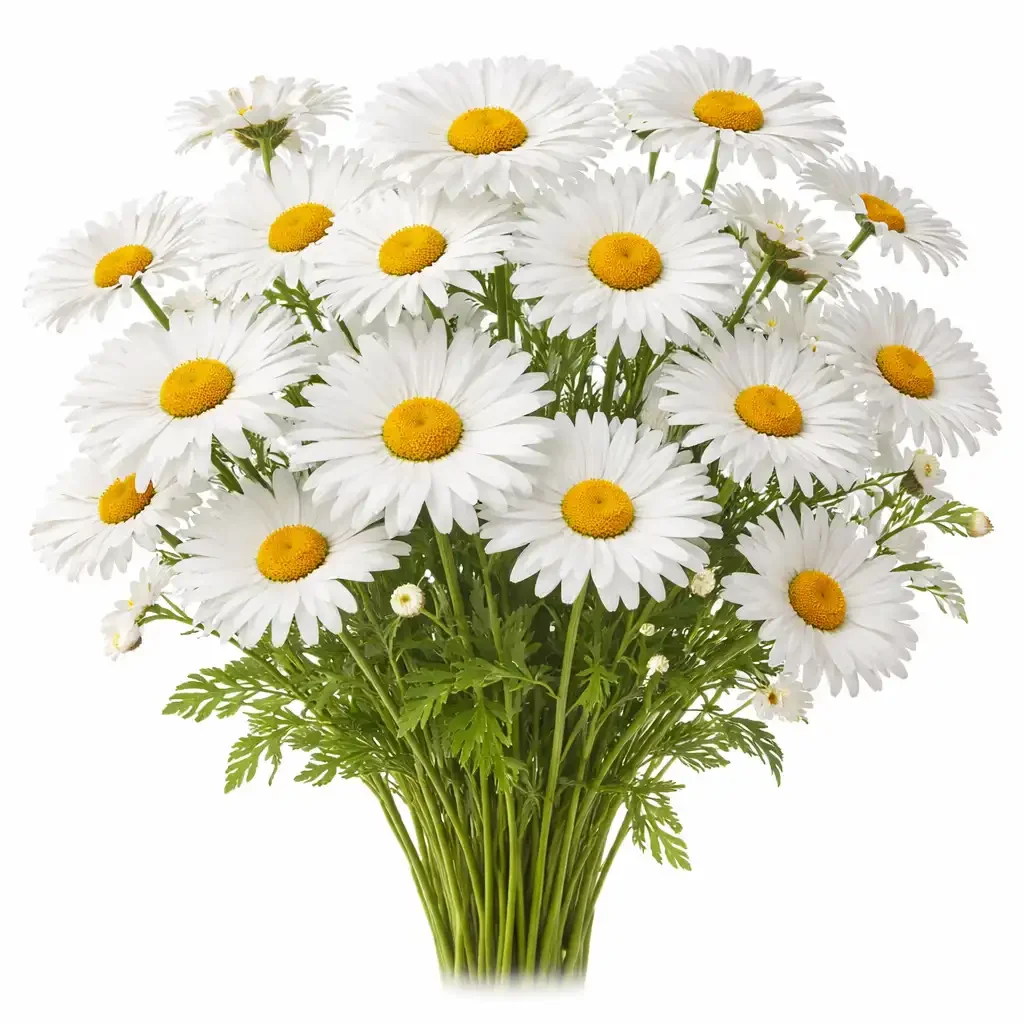
Quick Overview
Common Name: Oxeye Daisy, Common Daisy, Moon Daisy
Scientific Name: Leucanthemum vulgare
Plant Type: Perennial
USDA Zones: 3 to 8
Sun Requirement: Full Sun to Partial Shade
Soil Type: Well-drained, average to poor fertility
Bloom Season: Late Spring through Summer
Height: 18 to 36 inches
Pollinator Friendly: Yes
Edible: No
Why Grow Oxeye Daisy on a Homestead
Oxeye Daisy is one of the most cheerful, recognizable, and ecologically valuable wildflowers available to homestead cut flower growers. Its classic white petals surrounding a bright yellow center create the definitive daisy form that customers of all ages respond to immediately and warmly. It is a flower that feels genuinely wild and natural in a bouquet, adding the kind of unmanufactured meadow quality that customers and florists increasingly seek in an era of garden-style and naturalistic floral design.
For homestead growers, Oxeye Daisy offers a compelling combination of low input costs, perennial longevity, and genuine market appeal. It thrives in lean, well-drained soil without fertilizing, returns year after year with minimal care, and provides an abundance of long-stemmed blooms throughout the late spring and summer season. As a companion to other cut flowers in mixed bouquets it is virtually without equal as a white filler, providing a bright, clean contrast to bolder focal flowers that makes the whole arrangement more dynamic and visually compelling.
Here is why Oxeye Daisy deserves a place on your homestead:
It is one of the most recognizable and universally loved flowers available. The classic daisy form is universally recognized and loved across all ages and demographics. It creates immediate customer appeal at farmers markets and generates consistent sales throughout its long blooming season.
It is an extremely low-input perennial. Oxeye Daisy thrives in lean, well-drained soil without fertilizing or intensive management. Once established it returns year after year with minimal care, making it one of the most cost-efficient cut flower crops available.
It is a powerful pollinator plant. Oxeye Daisy is among the most ecologically important flowering perennials available to homestead growers. Its open, accessible blooms attract an extraordinary range of bees, butterflies, beetles, and beneficial insects throughout its long blooming season.
It dries reasonably well. Oxeye Daisy can be dried for use in dried arrangements and wreaths, adding an additional market channel beyond fresh cut flowers.
It fills a valuable niche as a white filler. Clean, bright white filler flowers are always in demand from florists and in mixed market bouquets. Oxeye Daisy provides that white in a natural, unstructured form that complements virtually every other flower it accompanies.
Growing Conditions
Sunlight
Oxeye Daisy performs best in full sun but tolerates partial shade reasonably well. It needs at least 4 to 6 hours of direct sunlight per day for the strongest stems and most abundant flowering. In deeper shade stems become weak and elongated and flower production decreases significantly. For cut flower production with the longest, strongest stems, full sun is always the preferred choice.
Soil
Oxeye Daisy strongly prefers well-drained soil with average to poor fertility. Like many wildflowers, it thrives in lean conditions and actually produces better, more upright stems in soil that is not overly rich. Overly fertile soil produces lush, floppy growth at the expense of the tall, straight stems most valuable for cut flower use. Sandy or gravelly well-drained soil is ideal. Soil pH between 5.5 and 7.0 is suitable.
Water
Once established, Oxeye Daisy is moderately drought tolerant. It needs regular watering during the first growing season to establish a strong root system but after that requires less supplemental irrigation than most other cut flower crops. Water deeply once or twice a week during extended dry periods. In hot, humid climates ensure excellent drainage to prevent the root rot and crown rot that can occur in consistently wet conditions.
Temperature
Oxeye Daisy is extremely cold hardy and thrives across a wide range of climates within USDA zones 3 to 8. It handles cold winters reliably and emerges dependably in spring. In hot, humid climates at the warmer end of its range it can struggle with intense summer heat and humidity. Ensuring excellent drainage, good air circulation, and avoiding overhead watering helps maintain plant health in humid growing regions.
Planting Guide
Oxeye Daisy can be started from seed, planted from divisions, or purchased as nursery transplants. All three approaches work well and the best choice depends on the scale of your planting and your timeline for first blooms.
Step 1: Choose a location with full sun and well-drained soil. Avoid recently amended beds with heavy compost additions as this encourages lush, floppy growth. Average to lean soil is ideal for Oxeye Daisy.
Step 2: For seed starting, sow seeds indoors 6 to 8 weeks before the last frost date or direct sow in early spring as soon as the soil can be worked. Oxeye Daisy seeds are small and need light to germinate. Press seeds onto the soil surface and cover very lightly.
Step 3: Transplant seedlings or nursery plants outdoors after the last frost date when soil has warmed. Space plants 12 to 18 inches apart for cut flower production.
Step 4: For divisions, dig up an established clump in early spring or fall, separate sections with healthy roots and shoots, and replant immediately at the correct spacing.
Step 5: Water thoroughly after planting and keep soil consistently moist until plants are well established. After establishment, reduce watering to occasional deep irrigation during dry periods.
Step 6: Note that Oxeye Daisy self-seeds prolifically. Manage self-seeding by harvesting all blooms before seed heads mature or deadheading spent flowers promptly throughout the season.
Seed vs Transplant: All approaches work well. Seeds are the most economical option for large plantings. Transplants and divisions give faster results and more predictable performance in the first season.
Spacing: 12 to 18 inches apart for cut flower production.
Planting Season: Early spring after last frost. Fall planting works well in mild climates.
Maintenance
Deadheading and Harvesting
Regular harvesting and deadheading are the most important maintenance tasks for keeping Oxeye Daisy productive throughout its season. Like most cut and come again flowers, Oxeye Daisy responds to regular cutting by producing new flowering stems from lateral shoots. Keeping flowers harvested or deadheaded prevents seed set and encourages continued production throughout the season.
Dividing
Divide Oxeye Daisy clumps every two to three years in early spring or fall to maintain vigor, prevent the center of the clump from dying out, and expand your planting. Division is straightforward and gives you free new plants to increase your production area at no cost.
Managing Self-Seeding
Oxeye Daisy self-seeds prolifically and can spread aggressively if seed heads are allowed to mature and disperse. In some regions it is considered an invasive weed. Harvest all blooms before seed heads develop and deadhead promptly to prevent unwanted spread. Check local regulations before planting as Oxeye Daisy is classified as a noxious weed in some areas.
Fertilizing
Oxeye Daisy does not need fertilizing. It thrives in lean conditions and actually produces better cut flower stems in soil of average to poor fertility. Adding fertilizer is more likely to cause problems than to improve performance.
Pest Control
Oxeye Daisy is largely pest resistant. Aphids can occasionally appear on stems and developing buds but are usually managed naturally by the beneficial insects that Oxeye Daisy attracts in abundance. Its flat, open blooms are a favorite landing platform for predatory insects that quickly manage pest populations.
Harvesting
When to Harvest
Harvest Oxeye Daisy when the bloom is fully open and the yellow central disk is firm and bright. Unlike many flowers that are harvested before full opening, Oxeye Daisy looks best and lasts longest when harvested at full bloom. The central disk should be fully formed and the white petals should be fully extended and flat. Harvest in the early morning when stems are fully hydrated and temperatures are cool.
How to Cut
Use clean, sharp scissors or pruners. Cut stems as long as possible, ideally 14 to 20 inches. Cut just above a set of leaves or a side shoot to encourage new stem production from lateral branches. Strip all foliage from the lower half of the stem immediately after cutting and place stems in cool water with a floral preservative.
Conditioning
After cutting, place stems in deep cool water in a cool, dark location for several hours or overnight before selling or arranging. This conditioning period significantly improves vase life and stem strength. Properly conditioned Oxeye Daisy holds up well in arrangements and at market displays.
Drying
To dry Oxeye Daisy, gather stems into small bundles and hang upside down in a warm, dry, well-ventilated space away from direct sunlight. The blooms dry reasonably well and retain their classic daisy form, though the white petals may fade slightly. Dried Oxeye Daisy can be used in dried wreaths, arrangements, and botanical craft products.
How Often to Harvest
During peak bloom, harvest every two to three days. Regular cutting encourages the plant to continue producing new stems. Do not allow blooms to go to seed as this signals the plant to slow down production and can lead to aggressive self-seeding throughout your garden.
Vase Life
Oxeye Daisy typically lasts 7 to 10 days as a fresh cut flower with proper conditioning and care. Strip all foliage below the waterline, recut stems at an angle, and place in fresh water with a floral preservative. Change water every few days to maximize longevity.
Uses on a Homestead
Cut Flower Use
Oxeye Daisy is primarily used as a filler and accent flower in mixed bouquets and arrangements. Its classic white blooms add a bright, clean contrast to virtually every other flower and create an informal, wildflower quality that is increasingly popular in garden-style and naturalistic floral design. It pairs beautifully with echinacea, rudbeckia, yarrow, lavender, and grasses in summer wildflower bouquets that are extremely popular at farmers markets.
Wedding and Event Flowers
Oxeye Daisy is a natural choice for garden-style, wildflower, and rustic wedding designs. Its informal, naturalistic quality and bright white color make it a useful filler and accent in bridal bouquets, centerpieces, and ceremony installations where a meadow aesthetic is desired.
Dried Flower Use
Dried Oxeye Daisy bundles add a delicate, naturalistic touch to dried wreaths and arrangements. They pair beautifully with dried lavender, yarrow, statice, and grasses in naturalistic dried designs.
Pollinator and Beneficial Insect Support
Oxeye Daisy is one of the most important beneficial insect plants available to homestead growers. Its flat, open blooms are accessible to an extraordinary range of pollinators and beneficial insects including parasitic wasps, hoverflies, lacewings, native bees, and butterflies. Planting Oxeye Daisy throughout your homestead creates a powerful beneficial insect corridor that reduces pest pressure on every other crop.
Can You Make Money With Oxeye Daisy
Yes, Oxeye Daisy is a profitable low-input filler crop for homestead flower operations, particularly for growers who value near-zero ongoing input costs and strong ecological benefits alongside commercial value.
Near-zero ongoing input costs. Oxeye Daisy thrives in lean soil without fertilizing, needs minimal watering once established, and has virtually no pest or disease management requirements. The return on investment per unit of effort is exceptional.
Consistent market appeal. The classic daisy form is universally recognized and consistently popular at farmers markets. Bunches of Oxeye Daisy sell reliably throughout their long blooming season.
Strong value as a bouquet component. Oxeye Daisy elevates every mixed bouquet it appears in by providing bright white contrast and a naturalistic quality. Bouquets containing Oxeye Daisy command higher prices than those without it, making it a value-adding ingredient even when it is not the featured flower.
Farmers Market: Fresh Oxeye Daisy bundles sell for 5 to 9 dollars per bunch. Their inclusion in mixed bouquets adds perceived value that supports higher overall bouquet pricing.
Florists: Florists working with garden-style and naturalistic designs actively seek out Oxeye Daisy as a white filler alternative to more structured options. Local supply is valued.
CSA Flower Subscriptions: Oxeye Daisy is a natural component of summer flower subscription boxes. Its bright white color and classic form complement bolder summer flowers beautifully and add a wildflower quality that subscribers appreciate.
Dried Flower Market: Dried Oxeye Daisy bundles sell well at craft markets and through online shops for use in dried arrangements and wreaths.
Companion Plants
Oxeye Daisy grows beautifully alongside many other summer cut flowers and wildflowers with similar growing preferences.
Echinacea: Both are native and naturalized wildflowers that bloom at overlapping times, share similar lean-soil preferences, and create beautiful naturalistic combinations in mixed bouquets and cutting garden beds.
Yarrow: Both are low-maintenance perennials that complement each other beautifully in mixed summer arrangements and share similar lean-soil and drought-tolerant characteristics.
Rudbeckia: Both are daisy-family flowers that bloom at overlapping times in summer and create warm, cheerful combinations in mixed wildflower bouquets.
Lavender: Both prefer well-drained, lean soil and full sun. Lavender planted near Oxeye Daisy creates a beautiful and fragrant combination in the garden and in bouquets.
Ornamental Grasses: Native grasses pair beautifully with Oxeye Daisy in naturalistic arrangements and in the landscape, adding movement and texture to mixed bouquets.
Salvia: Both attract beneficial insects and complement each other beautifully in naturalistic mixed arrangements with complementary blue-purple and white tones.
Common Problems
Aggressive Self-Seeding and Spread
The most significant management challenge with Oxeye Daisy. It self-seeds prolifically and can spread aggressively throughout the garden and into surrounding areas if seed heads are allowed to mature. Harvest all blooms before they go to seed and deadhead promptly throughout the season. In some regions Oxeye Daisy is classified as a noxious invasive weed. Always check local regulations before planting and manage self-seeding carefully to prevent escape into natural areas.
Floppy Stems
Can occur in overly rich soil, insufficient sun, or when plants are overcrowded. Grow in average to lean soil with full sun and divide regularly to maintain strong, upright growth. Avoid fertilizing. Horizontal support netting can help in exposed locations where stems are prone to flopping in wind or rain.
Powdery Mildew
Can appear on foliage late in the season, particularly in humid conditions or when plants are overcrowded. Divide clumps regularly, space plants properly for good air circulation, and avoid overhead watering. Remove affected foliage promptly.
Crown Rot
Can occur in poorly drained or consistently wet soil, particularly in humid climates. Ensure excellent drainage and avoid heavy mulching directly against the crown of the plant. In hot, humid climates raised beds may be necessary for reliable performance.
Center Die-Out
Established clumps can develop dead centers over time as the plant ages. Divide clumps every two to three years in early spring to refresh the planting and maintain vigorous, productive growth throughout the bed.
Varieties to Consider
Leucanthemum vulgare (Common Oxeye Daisy): The standard species. Classic white petals surrounding a bright yellow central disk on tall, branching stems. Very productive and well suited to both cut flower and dried flower production. The most widely available form.
Leucanthemum vulgare Maikonikgin (May Queen): An early-blooming selection that produces its first flowers significantly earlier in the season than the standard species. Useful for extending the harvest window and for growers targeting early season markets.
Leucanthemum superbum (Shasta Daisy): A closely related species with larger blooms and stronger stems than the common Oxeye Daisy. Available in single and double-flowered forms. The double-flowered forms are particularly popular with florists for their more substantial appearance. Performs well across a similar range of climates to Oxeye Daisy within USDA zones 4 to 9.
Leucanthemum superbum Becky: One of the most widely grown Shasta Daisy varieties for cut flower production. Very large single blooms on exceptionally strong, tall stems up to 36 inches. Outstanding heat tolerance compared to most Shasta Daisy varieties. Very popular with florists and at farmers markets.
Leucanthemum superbum Aglaia: A semi-double to double variety with fringed petals that create a more refined, ornamental appearance than the single-flowered species. Very popular with florists and wedding designers for its elegant, distinctive form.
Final Thoughts
Oxeye Daisy is one of those plants that earns its place on a homestead in multiple ways simultaneously. It asks for almost nothing and gives back with an abundance of cheerful, universally loved blooms that brighten every bouquet and every market stand they appear in. Its extraordinary ecological value as a beneficial insect habitat, its near-zero input requirements, and its consistent market appeal make it one of the most strategically sensible perennial filler crops a homestead flower grower can establish. Manage its spreading habit carefully, respect local regulations around its planting, divide it regularly to maintain vigor, and Oxeye Daisy will become one of the most reliably productive, ecologically enriching, and commercially useful permanent plants on your entire homestead.
FAQ
Is Oxeye Daisy invasive? Oxeye Daisy can be invasive in some regions of the United States, particularly in areas where it can naturalize in open fields, roadsides, and disturbed habitats. It is classified as a noxious weed in some states. Always check local regulations before planting and manage self-seeding carefully by harvesting all blooms before they set seed. In a controlled cutting garden where self-seeding is managed diligently, it is not a significant invasive risk.
Is Oxeye Daisy the same as Shasta Daisy? Oxeye Daisy and Shasta Daisy are related but distinct species. Oxeye Daisy is Leucanthemum vulgare, a naturalized wildflower with smaller blooms on somewhat finer stems. Shasta Daisy is Leucanthemum superbum, a garden hybrid with larger blooms and stronger stems developed by Luther Burbank in the late 19th century. Both are excellent cut flowers with similar cultural requirements. Shasta Daisy varieties are generally preferred for cut flower production due to their larger blooms and stronger stems, while Oxeye Daisy offers a more naturalistic wildflower aesthetic.
How do I prevent Oxeye Daisy from spreading too aggressively? Harvest all blooms before they go to seed and deadhead spent flowers promptly throughout the season. This is the single most effective way to prevent aggressive self-seeding. Dividing clumps every two to three years also helps manage the spread of established plants through their root system. Installing a root barrier around your planting area can prevent underground spread into neighboring beds and borders.
Can Oxeye Daisy tolerate heat and humidity? Oxeye Daisy is best suited to USDA zones 3 to 8 and can struggle with intense summer heat and humidity at the warmer end of its range. In hot, humid climates ensure excellent drainage, good air circulation, and avoid overhead watering to manage the powdery mildew and crown rot that can occur in warm, wet conditions. Choosing a location with afternoon shade in the hottest climates helps extend plant health and productivity through the warmest months.
How long does Oxeye Daisy last as a cut flower? With proper conditioning in deep cool water overnight before sale or arrangement, Oxeye Daisy typically lasts 7 to 10 days as a fresh cut flower. Strip all foliage below the waterline, recut stems at an angle, and place in fresh water with a floral preservative. Keeping arrangements cool and away from direct sunlight maximizes vase life.