
Peonies
Quick Overview
Common Name: Peonies
Scientific Name: Paeonia spp.
Plant Type: Perennial
USDA Zones: 3 to 8
Sun Requirement: Full Sun to Partial Shade
Soil Type: Well-drained, rich, deeply cultivated
Bloom Season: Late Spring through Early Summer
Height: 18 to 36 inches
Pollinator Friendly: Yes
Edible: No
Why Grow Peonies on a Homestead
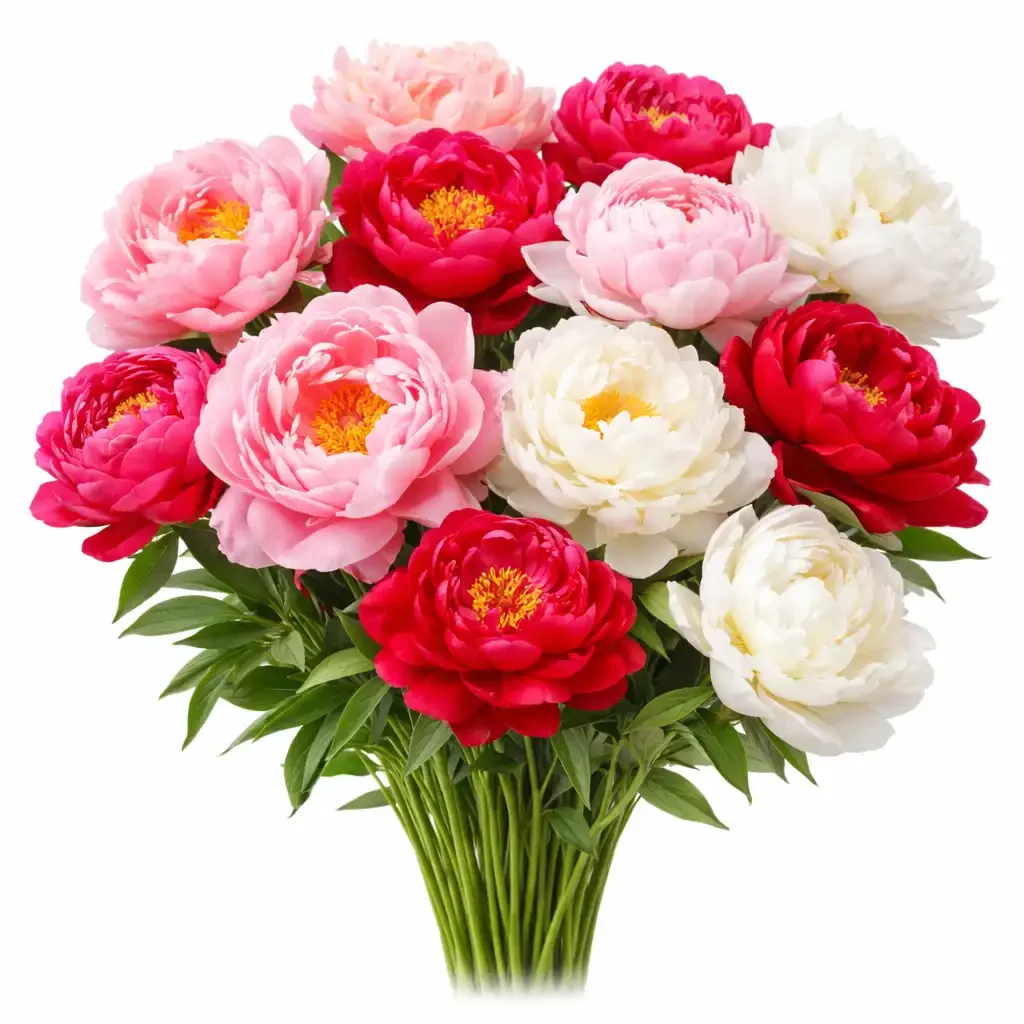
Peonies are among the most beloved and commercially valuable cut flowers available to homestead growers. Their enormous, lush blooms in shades of pure white, cream, blush, soft pink, deep rose, coral, and rich magenta are the definition of luxury in the cut flower world. Florists describe peonies as one of the most universally requested flowers for weddings and spring events, and customers at farmers markets respond to them with an enthusiasm that few other flowers can match.
For homestead growers, peonies represent one of the most compelling long-term perennial investments available. A well-established peony planting returns year after year with increasing vigor, requiring very little ongoing input while producing some of the most premium-priced stems available in the late spring and early summer market. They are a luxury perennial that, once established, can remain productive for decades, even outliving the gardener who planted them.
Here is why Peonies deserve a prominent spot on your homestead:
They are among the most premium-priced cut flowers available. Peony stems consistently command some of the highest per-stem prices at farmers markets and from florists. Their brief seasonal availability creates a natural scarcity that supports premium pricing.
They are extraordinarily popular for weddings. Peonies are consistently ranked among the top three most requested flowers for spring and early summer weddings. A reliable local source of quality peony stems is one of the most valued supplier relationships a wedding florist can have.
They are a permanent, long-term investment. A well-planted peony requires cold winters to thrive and once established in the right climate returns year after year for decades with minimal care. The return on investment per year increases as plants mature and expand.
They require cold winters. Peonies need a period of winter cold to set flower buds reliably. This makes them ideally suited to cold winter climates within USDA zones 3 to 7 where they thrive naturally, giving growers in those regions a significant production advantage.
They have extraordinary fragrance. Many peony varieties carry a rich, sweet fragrance that is one of the most powerful market draws available to a homestead flower grower during the spring selling season.
Growing Conditions
Sunlight
Peonies perform best in full sun. They need at least 6 hours of direct sunlight per day for the strongest stems and most abundant flowering. In partial shade they will grow and bloom but produce fewer flowers on weaker stems. For cut flower production, the sunniest available location is always the best choice.
Soil
Peonies prefer well-drained, rich, deeply cultivated soil. They are long-lived perennials that will occupy the same ground for decades, so thorough soil preparation before planting is one of the most important investments you can make. Incorporate generous amounts of compost or well-rotted manure to a depth of at least 18 inches before planting. Soil pH between 6.0 and 7.0 is ideal. Good drainage is essential as peonies do not tolerate waterlogged conditions.
Water
Water peonies regularly throughout the growing season, particularly during bud development and blooming. Consistent moisture during these critical periods is important for producing the largest, most fully developed blooms and the longest possible stems. Once established, peonies develop considerable drought tolerance but perform best with consistent deep watering during dry periods. Reduce watering after blooming as plants enter their summer growing phase.
Temperature
Peonies are cold hardy perennials that require a period of winter cold to set flower buds reliably. They perform best in climates with cold winters and moderate summers within USDA zones 3 to 7. The cold requirement, typically six weeks or more of temperatures below 40 degrees Fahrenheit, is what makes peonies such reliable bloomers in cold winter regions. In warm winter climates within USDA zones 8 and above, peonies do not receive sufficient chilling and typically fail to bloom reliably, making them poorly suited to mild winter regions without significant effort to provide artificial chilling.
Planting Guide
Peonies are planted from bare root divisions in fall. Fall planting gives roots time to establish before winter and produces the strongest plants and the earliest blooms the following spring.
Step 1: Choose a permanent location with full sun and well-drained soil. Peonies resent being moved once established and a well-chosen planting location will serve the plant for decades. Take time to choose the right spot before planting.
Step 2: Prepare the planting bed thoroughly. Dig to a depth of at least 18 inches and incorporate generous amounts of compost, well-rotted manure, and a balanced fertilizer. Good soil preparation done once pays dividends for the entire productive life of the planting.
Step 3: Plant bare root divisions in fall, typically September through October in cold winter climates. Each division should have three to five healthy eyes, the pink buds that will develop into stems the following spring.
Step 4: Plant the division with the eyes facing upward, no more than one to two inches below the soil surface. This is the single most critical planting detail for peonies. Eyes planted too deeply will produce lush foliage but fail to bloom. In cold winter climates within USDA zones 3 to 4, plant eyes no more than two inches deep. In warmer climates within USDA zones 6 to 7, plant eyes no more than one inch below the surface.
Step 5: Backfill with amended soil, firm gently, and water thoroughly. Apply a light layer of mulch after the ground freezes in cold climates to protect the planting from freeze-thaw cycles in early spring.
Step 6: Be patient. Peonies are slow to establish. Most divisions produce limited blooms in the first one to two years and reach full productive maturity in their third year. Do not judge the planting by its early performance.
Seed vs Division: Always plant from bare root divisions for cut flower production. Growing peonies from seed takes four to five years to produce first blooms and seedling performance is highly variable.
Spacing: 3 to 4 feet apart for cut flower production.
Planting Season: Fall, typically September through October in cold winter climates.
Maintenance
Staking
Peony stems, particularly those of double-flowered varieties with very large blooms, can become top-heavy and flop over under the weight of the flowers or after rain. Install support rings or horizontal netting over peony beds in early spring before stems emerge. This is far easier than staking individual stems after the fact and prevents the stem damage that occurs when heavy-headed blooms collapse.
Fertilizing
Apply a balanced fertilizer or top dressing of compost in early spring as new growth emerges. A light application of a low nitrogen, high phosphorus fertilizer after blooming helps support root and bud development for the following season. Avoid excessive nitrogen which produces lush, floppy foliage at the expense of flower production.
Deadheading
Remove spent blooms promptly after flowering to prevent seed set and keep the planting looking tidy. Do not cut back the foliage after blooming as it continues to feed the roots and build energy for the following season. Allow foliage to die back naturally in fall.
Dividing
Established peony clumps can be divided every ten to fifteen years if they become overcrowded or if you wish to expand your planting. Divide in fall after the foliage has died back. Dig the entire clump carefully, wash off the soil, and use a sharp knife to divide into sections with three to five healthy eyes each. Replant immediately at the correct depth.
Pest Control
Peonies are generally pest resistant. Botrytis blight is the most common problem and is managed through good air circulation and avoiding overhead watering. Ants are commonly seen on peony buds and are harmless, attracted by the sweet nectar the buds produce. They do not damage the flowers and require no intervention.
Disease Prevention
Botrytis blight is the most common peony disease, causing blackening and collapse of stems and buds in cool, humid conditions. Prevent it by spacing plants properly for good air circulation, avoiding overhead watering, removing and disposing of all plant debris in fall, and applying preventive organic fungicide sprays in climates where botrytis is prevalent.
Harvesting
When to Harvest
Harvest peonies when the bud has reached what is known as the soft marshmallow stage. At this stage the bud feels soft when gently squeezed, like a soft marshmallow, and is showing full color but the petals have not yet begun to unfurl. Peonies harvested at this stage open slowly and fully after cutting and have the longest possible vase life. Buds harvested too early, when they still feel firm, often fail to open properly after cutting. Buds harvested when already open have a much shorter vase life.
How to Cut
Use clean, sharp pruners. Cut stems as long as possible, ideally 16 to 24 inches, making cuts just above a set of leaves lower on the stem. Leave at least two or three sets of leaves on the plant to support continued growth and root development. Place cut stems immediately into a bucket of cool water with a floral preservative.
Cold Storage
One of the most valuable techniques for peony cut flower production is cold storage. Peonies harvested at the soft marshmallow stage can be stored in sealed plastic sleeves in a refrigerator at 32 to 35 degrees Fahrenheit for four to six weeks without significant loss of quality. This allows growers to harvest the entire crop during the brief bloom window and release stems to market over an extended period, dramatically increasing the commercial value of a single season's harvest.
How Often to Harvest
Peonies have a defined bloom window of approximately two to three weeks per planting. Harvest daily during this period as individual buds reach the correct stage. For a longer overall harvest window, choose varieties with different bloom times within the same season, selecting early, mid, and late season varieties to extend the total harvest period.
Vase Life
Peonies typically last 5 to 7 days as fresh cut flowers at room temperature. With cold storage and proper conditioning they can last significantly longer. Strip all foliage below the waterline, recut stems at an angle, and place in fresh water with a floral preservative. Keep arrangements away from heat and direct sunlight to maximize vase life.
Uses on a Homestead
Cut Flower Use
Peonies are primarily grown as premium cut flowers. Their enormous, lush blooms in soft, romantic colors make them one of the most beautiful and commercially valuable flowers available for mixed bouquets, single-variety bundles, and wedding arrangements. They pair magnificently with garden roses, sweet peas, ranunculus, and other romantic spring flowers in arrangements that command the highest prices at every market level.
Wedding and Event Flowers
Peonies are consistently among the most requested flowers for spring and early summer weddings. Their lush, opulent blooms, wide color range, and extraordinary beauty make them the defining flower of the romantic spring wedding aesthetic. Wedding florists pay premium prices for quality peony stems and a reliable local source during the brief peony season is one of the most valued relationships in the wedding flower market.
Farmers Market
Peonies are one of the most powerful and reliable sellers at any farmers market during their brief season. Their beauty, fragrance, and universal recognition create immediate customer excitement and urgency. Single-variety bundles in unusual colors and double-flowered forms sell particularly well at premium price points.
Pollinator Garden
Peonies attract bees and other pollinators, particularly single and semi-double varieties whose pollen is more accessible than fully double types. Planting peonies throughout your homestead provides an important late spring nectar source for beneficial insects.
Can You Make Money With Peonies
Yes, peonies are one of the most profitable perennial cut flower crops available to homestead growers, particularly those in cold winter climates within USDA zones 3 to 7 where they thrive naturally.
Premium per-stem pricing. Peony stems consistently command some of the highest per-stem prices available at farmers markets and from florists. Their brief seasonal availability creates natural scarcity that supports premium pricing year after year.
Strong wedding market demand. Peonies are consistently among the top three most requested flowers for spring weddings. Wedding florists pay premium prices for quality local stems and a reliable supply during the brief peony season is genuinely scarce and valuable.
Cold climate production advantage. Peonies require cold winters to bloom reliably, making them ideally suited to cold winter climates within USDA zones 3 to 7. Growers in these zones have a natural production advantage for this premium crop that cannot be easily replicated in warmer regions.
Long-term low-input production. A well-established peony planting requires minimal ongoing input and returns year after year for decades, delivering exceptional long-term return on the initial investment in plants and soil preparation.
Cold storage income management. The ability to cold store harvested peony stems for four to six weeks gives growers exceptional flexibility in managing market supply and extending income beyond the brief natural bloom window.
Farmers Market: Fresh peony bundles sell for 15 to 30 dollars per bunch depending on variety, color, and bloom quality. Single premium stems can sell for 4 to 8 dollars each during peak season.
Florists and Wedding Designers: Peonies are among the most sought after flowers for spring wedding work. Wholesale pricing of 2.00 to 5.00 dollars per stem reflects the premium nature of the product. Establishing a supply relationship with local wedding florists is one of the most profitable uses of a peony crop.
CSA Flower Subscriptions: Peonies are one of the most eagerly anticipated additions to a spring flower subscription box. Their inclusion justifies premium subscription pricing and generates extraordinary customer enthusiasm during their brief season.
Companion Plants
Peonies grow beautifully alongside many other spring blooming perennials and cut flowers with complementary bloom times and growing requirements.
Iris: Both bloom in late spring and early summer in complementary colors and create beautiful combinations in mixed spring bouquets. Allium: The spherical purple blooms of ornamental allium contrast beautifully with the full, lush blooms of peonies in arrangements and in the garden. Salvia: Provides complementary vertical color and attracts beneficial insects alongside peony plantings. Catmint (Nepeta): A classic cottage garden companion that fills in beautifully around peony stems and provides soft blue-purple color throughout the garden. Sweet Peas: Both bloom in late spring and early summer and complement each other magnificently in romantic spring bouquets. Garden Roses: Both bloom at overlapping times in late spring and early summer and together create one of the most commercially powerful and beautiful spring cut flower combinations available.
Common Problems
Failure to Bloom
The most common complaint with peonies. Usually caused by one of four factors: eyes planted too deeply, insufficient sun, plants that are too young and have not yet reached blooming maturity, or insufficient winter cold. Check planting depth first as this is the most common cause. Eyes buried more than two inches deep in cold climates or more than one inch deep in warmer climates will produce foliage but rarely flower. Insufficient winter cold is the primary reason peonies fail in warm winter climates beyond USDA zone 7.
Botrytis Blight
The most common disease of peonies. Caused by the fungus Botrytis cinerea in cool, humid conditions. Stems and buds blacken and collapse rapidly. Remove and destroy affected plant material immediately. Space plants for good air circulation, avoid overhead watering, remove all plant debris in fall, and apply preventive organic fungicide sprays in susceptible climates.
Ants on Buds
Extremely common and completely harmless. Ants are attracted to the sweet nectar secreted by peony buds and are often seen in large numbers on developing blooms. They do not damage the flowers in any way and do not need to be managed. Shake cut stems gently before bringing them indoors to remove any ants.
Floppy Stems
Very common in double-flowered varieties with large, heavy blooms. The most effective prevention is installing support rings or horizontal netting over the bed in early spring before stems emerge. Once stems have flopped and been damaged by the weight of blooms, there is little that can be done to restore them for cut flower use.
Root Rot
Caused by poorly drained or waterlogged soil, particularly during winter when plants are dormant and cannot process excess moisture. Plant in well-drained soil, avoid heavy mulching that retains moisture against the crown, and never allow water to pool around established plants.
Varieties to Consider
Early Season Varieties
Coral Charm: One of the most popular peony varieties for cut flower production. Large, semi-double blooms that open coral-orange and fade to soft peach and cream as they mature, creating a multicolor effect that is extraordinarily popular with wedding florists. Strong stems and excellent vase life. One of the most commercially valuable peony varieties available.
Coral Sunset: Similar to Coral Charm with large semi-double blooms in coral tones that fade gracefully as they open. Excellent stem strength and good vase life. Very popular with florists working with warm, romantic color palettes.
Mid Season Varieties
Sarah Bernhardt: The classic peony. Large, fully double apple-blossom pink blooms with a sweet fragrance. One of the most widely grown and recognized peony varieties in the world. Consistently popular at farmers markets and with florists for its classic beauty and reliable performance.
Festiva Maxima: A classic white double peony with flecks of crimson at the center of the bloom. Exceptional fragrance and strong stems. A florist favorite for wedding work requiring pure white with vintage character.
Karl Rosenfield: Deep magenta-red double blooms on strong stems. One of the most reliably productive red peonies available. Very popular with florists and at markets for its rich, saturated color.
Duchesse de Nemours: Pure white, fully double blooms with a strong, sweet fragrance. One of the most fragrant peonies available. Extremely popular for wedding work and with customers seeking a classic, elegant white peony.
Late Season Varieties
Bowl of Beauty: Large, anemone-form blooms with deep rose-pink outer petals surrounding a mass of creamy white inner petals. Very distinctive and popular at farmers markets for its unusual and beautiful form.
Moonrise: Soft yellow blooms that are extremely rare in peonies. Commands premium prices for its unusual color and is highly sought after by florists working with soft, romantic color palettes.
Intersectional (Itoh) Peonies
Bartzella: A stunning intersectional peony with large, fully double yellow blooms on strong, self-supporting stems. Intersectional peonies are crosses between herbaceous and tree peonies and combine the best qualities of both. Longer blooming season than standard herbaceous peonies and extremely strong stems ideal for cut flower production.
Julia Rose: An intersectional peony with large blooms that open orange-red and change to pink, salmon, and yellow as they age, creating a spectacular multicolor effect. Very popular with wedding florists for its unusual and romantic color range.
Final Thoughts
Peonies are one of the most rewarding and financially compelling long-term investments available to homestead flower growers in cold winter climates. Their extraordinary beauty, universal market appeal, premium pricing, and decades-long productive life make them one of the most strategically valuable permanent plants you can establish on a homestead. They ask for patience during their establishment period, careful planting at the correct depth, and the cold winters that are their primary requirement. Give them those things and peonies will reward your homestead with some of the most beautiful and commercially powerful blooms available anywhere, season after season, for the rest of your farming life.
FAQ
Why are my peonies not blooming? The most common causes are eyes planted too deeply, insufficient sun, plants that have not yet reached blooming maturity, or insufficient winter cold. Check planting depth first. Eyes buried more than two inches deep in cold climates rarely bloom regardless of other conditions. Ensure full sun of at least six hours per day. Be patient with young plants as most reach full productive maturity in their third year. In warm winter climates beyond USDA zone 7, insufficient chilling is the primary reason for bloom failure and peonies are generally not well suited to those regions without significant intervention.
Can peonies be grown in warm winter climates? Peonies require a period of winter cold, typically six weeks or more of temperatures below 40 degrees Fahrenheit, to set flower buds reliably. In warm winter climates within USDA zones 8 and above, natural chilling is typically insufficient for reliable blooming. Some growers in marginal climates attempt to provide supplemental chilling by digging and refrigerating roots before replanting but results are inconsistent and the effort required is significant. For most homestead growers in warm winter climates, peonies are not a practical cut flower crop and other premium spring flowers such as ranunculus, anemones, and sweet peas are better suited alternatives.
How long do peonies take to reach full production? Most peony divisions produce limited blooms in their first year and moderate blooms in their second year. Full productive maturity, where plants are producing maximum stem yield, typically arrives in the third year after planting. From that point forward, a well-maintained peony planting improves with age and can remain productive for thirty years or more with minimal division or replanting required.
How do I cold store peony stems? Harvest stems at the soft marshmallow stage when buds feel soft but have not yet begun to open. Remove all foliage, place stems in plastic sleeves or wrap loosely in plastic, and store horizontally in a refrigerator at 32 to 35 degrees Fahrenheit. Properly stored peony stems can be held for four to six weeks without significant quality loss. When ready to sell or arrange, remove from cold storage, recut stems under water at an angle, and place in fresh water with a floral preservative at room temperature. Buds will begin to open within 12 to 24 hours.
What are the best peony varieties for cut flower production? For homestead cut flower production, focus on varieties with strong stems, large blooms, good fragrance, and reliable productivity. Coral Charm and Coral Sunset are among the most commercially valuable varieties for their unusual color range and strong florist demand. Sarah Bernhardt is the classic market peony with universal appeal. Festiva Maxima and Duchesse de Nemours are the top white varieties for wedding work. For unusual colors that command premium prices, Moonrise in yellow and the intersectional varieties Bartzella and Julia Rose offer something genuinely distinctive that most other growers cannot supply.