
Rudbeckia
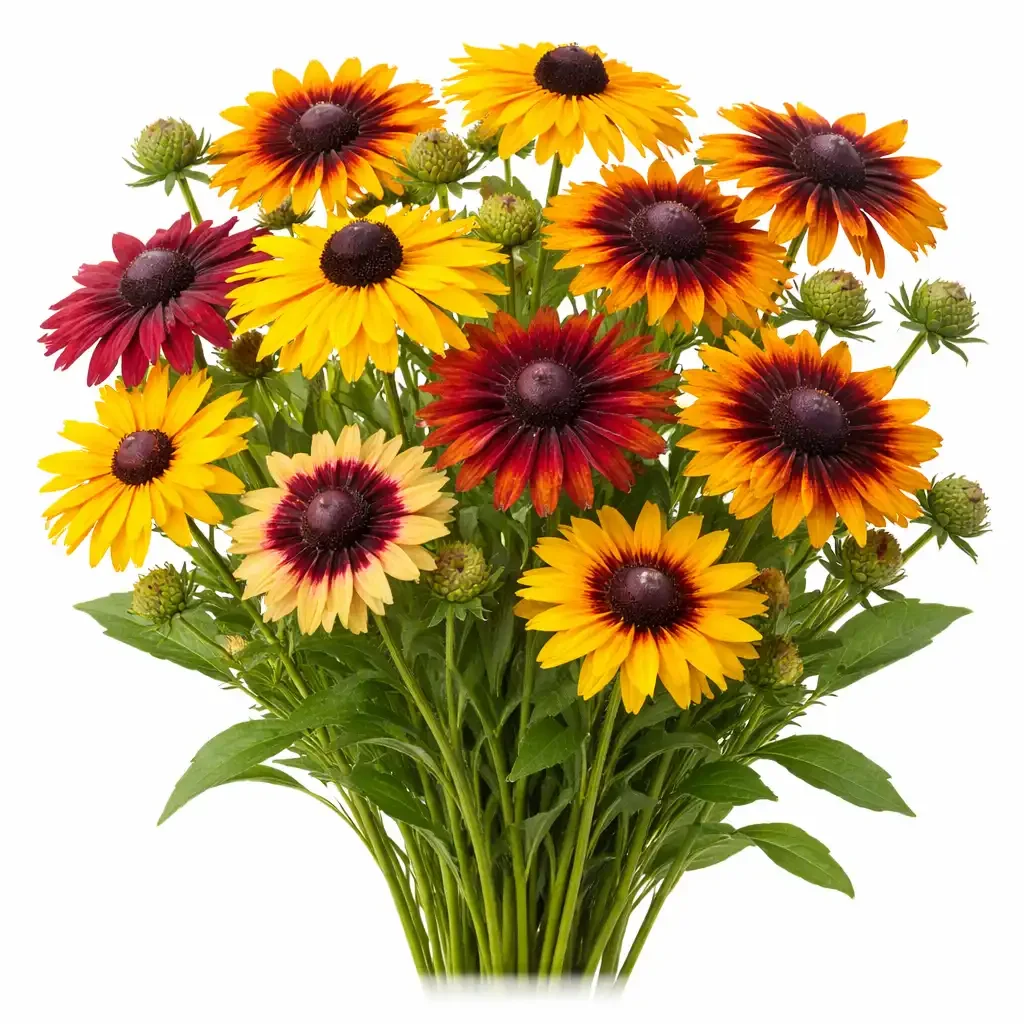
Quick Overview
Common Name: Rudbeckia, Black-Eyed Susan, Coneflower
Scientific Name: Rudbeckia hirta, Rudbeckia fulgida
Plant Type: Annual, biennial, and perennial varieties available
USDA Zones: 3 to 9
Sun Requirement: Full Sun to Partial Shade
Soil Type: Well-drained, average to poor fertility
Bloom Season: Summer through Fall
Height: 18 to 36 inches depending on variety
Pollinator Friendly: Yes
Edible: No
Why Grow Rudbeckia on a Homestead
Rudbeckia is one of the most cheerful, productive, and ecologically valuable plants you can grow on a homestead. Its bold, golden-yellow daisy-like blooms with distinctive dark brown to black centers are an iconic symbol of late summer and fall, and they are among the most reliably popular flowers at farmers markets from midsummer all the way through the first frost. For homestead growers looking for a low-maintenance, high-yield cut flower that delivers season after season, Rudbeckia is one of the smartest choices available.
Beyond its commercial value as a cut flower, Rudbeckia is one of the most important native wildflowers in North America. It supports an enormous range of pollinators, provides seeds for birds in fall and winter, and improves the overall ecological health of any homestead where it is grown. Many varieties are perennial or biennial, meaning that once established they return reliably year after year with minimal input, reducing the ongoing cost and labor of maintaining a productive cutting garden.
Here is why Rudbeckia deserves a prominent spot on your homestead:
It is one of the most productive and long-blooming cut flowers available. Rudbeckia begins blooming in midsummer and continues producing new flowers right through the first hard frost, giving you one of the longest harvest windows of any cut flower crop.
It is a native plant with enormous ecological value. Rudbeckia supports bees, butterflies, beetles, and countless other beneficial insects throughout its long blooming season and provides seeds for birds and wildlife well into fall and winter.
Many varieties are perennial or biennial. Once established, perennial Rudbeckia varieties return year after year with minimal care, reducing replanting costs and labor while building a permanent, productive planting that improves with age.
It thrives in average to poor soil. Rudbeckia does not need rich, heavily amended beds. It performs admirably in lean, well-drained conditions where more demanding crops struggle.
It is universally loved at farmers markets. The warm golden tones and familiar daisy form of Rudbeckia create immediate customer appeal and it sells reliably and consistently throughout its long season.
Growing Conditions
Sunlight
Rudbeckia performs best in full sun but is more tolerant of partial shade than many other cut flowers. In full sun it produces the strongest stems and most abundant flowering. In partial shade with 4 to 6 hours of direct sun it remains productive, though stems may be slightly weaker and flower production somewhat reduced. For cut flower production, full sun is always the preferred choice.
Soil
Rudbeckia is remarkably adaptable and actually prefers average to poor, well-drained soil over rich, heavily amended conditions. Overly fertile soil produces lush, floppy growth with fewer flowers. It tolerates a wide range of soil types including clay, loam, and sandy soils as long as drainage is adequate. Soil pH between 6.0 and 7.0 is ideal. Rudbeckia is one of the most soil-tolerant cut flower crops available.
Water
Once established, Rudbeckia is moderately drought tolerant and one of the more water-efficient cut flower crops available. Water regularly during the first growing season to establish a strong root system. After establishment, deep watering once or twice a week during dry periods is sufficient. Rudbeckia does not tolerate waterlogged conditions but handles dry spells far better than many other cut flowers.
Temperature
Rudbeckia loves heat and performs exceptionally well in warm summers across a wide range of climates. It is also cold hardy in most of its growing range with perennial varieties surviving winter temperatures well below freezing in USDA zones 3 to 4. In hot, humid climates ensure good air circulation and well-drained soil to reduce the risk of powdery mildew during the warmest and most humid months. The combination of heat tolerance, cold hardiness, and drought resistance makes Rudbeckia one of the most climatically adaptable cut flower crops available, performing reliably in climates ranging from the coldest winters to the hottest summers across USDA zones 3 to 9.
Planting Guide
Rudbeckia can be started from seed indoors, direct sown, or planted from divisions or nursery transplants. The best approach depends on whether you are growing annual or perennial varieties and the length of your growing season.
Step 1: For annual varieties, start seeds indoors 8 to 10 weeks before the last frost date. For perennial varieties, start indoors 10 to 12 weeks before the last frost date or purchase nursery transplants for the fastest path to a productive planting.
Step 2: Sow seeds on the surface of moist seed starting mix and cover very lightly. Rudbeckia seeds need light to germinate. Keep seed trays at 65 to 70 degrees Fahrenheit until germination, which typically occurs within 10 to 21 days.
Step 3: Once seedlings have developed two to three sets of true leaves, transplant into individual pots and grow on in a bright, warm location until outdoor planting time.
Step 4: After the last frost date when soil has warmed, transplant seedlings outdoors to a location with full sun and well-drained soil. Space plants 12 to 18 inches apart.
Step 5: Water thoroughly after transplanting and keep soil consistently moist until plants are well established. After establishment, reduce watering to deep, infrequent irrigation.
Step 6: For perennial varieties already in the garden, divide established clumps every two to three years in early spring to maintain vigor and expand your planting.
Seed vs Transplant: Both work well. Transplants give faster blooms in the first season. Starting from seed is more economical for large plantings.
Spacing: 12 to 18 inches apart for cut flower production.
Planting Season: After last frost in spring. Perennial varieties can also be planted in fall in mild climates.
Maintenance
Deadheading and Harvesting
Regular harvesting and deadheading are the most important maintenance tasks for keeping Rudbeckia productive throughout its long season. Like most cut and come again flowers, Rudbeckia responds to regular cutting by producing new flowering stems from lateral shoots. Keeping flowers harvested or deadheaded prevents seed set and encourages the plant to continue producing new blooms throughout the season. In fall, allowing some seed heads to remain on the plant provides food for birds and adds ornamental interest to the garden.
Dividing
Perennial Rudbeckia varieties benefit from division every two to three years in early spring to maintain vigor, prevent the center of the clump from dying out, and expand your planting. Division is straightforward and gives you free new plants to increase your production area at no cost.
Fertilizing
Rudbeckia does not need heavy feeding. A light application of balanced fertilizer at planting is sufficient for most soils. Avoid high nitrogen fertilizers which produce lush, floppy growth at the expense of flowers. In very poor soil, a single midseason application of balanced fertilizer helps maintain productivity through the long blooming season.
Pest Control
Rudbeckia is largely pest resistant. Aphids can occasionally appear on new growth but are usually managed by the beneficial insects that Rudbeckia attracts in abundance. Powdery mildew is the most common disease issue and is managed through proper spacing and avoiding overhead watering.
Disease Prevention
Powdery mildew is the most common problem with Rudbeckia, particularly in late summer when humidity rises and air circulation is reduced. Space plants properly, avoid overhead watering, and choose mildew-resistant varieties where available. Remove affected foliage promptly to slow the spread.
Harvesting
When to Harvest
Harvest Rudbeckia when the outer ring of petals is fully extended and the dark central cone is firm and fully formed but before the petals begin to curl back or fade. Blooms harvested at full open have a reasonable vase life and look their best in arrangements. For the longest vase life, some growers prefer to harvest when petals are just beginning to extend from the central cone. Harvest in the early morning when stems are fully hydrated and temperatures are cool.
How to Cut
Use clean, sharp scissors or pruners. Cut stems as long as possible, ideally 14 to 20 inches. Cut just above a set of leaves or a side shoot to encourage new stem production from lateral branches. Place cut stems immediately into a bucket of cool water. Strip all foliage below the waterline as Rudbeckia foliage degrades quickly in water.
Conditioning
After cutting, place stems in deep cool water in a cool, dark location for several hours or overnight before selling or arranging. This conditioning period improves vase life significantly.
How Often to Harvest
During peak bloom in late summer and fall, harvest every two to three days. Regular cutting keeps the plant productive and prevents seed set that would signal the plant to slow down flower production. During the height of the season a well-established planting may need daily harvesting to keep up with production.
Vase Life
Rudbeckia typically lasts 7 to 10 days as a fresh cut flower with proper care. Strip all foliage below the waterline, recut stems at an angle, and place in fresh water with a floral preservative. Change water every few days to maximize longevity.
Uses on a Homestead
Cut Flower Use
Rudbeckia is primarily grown as a cut flower. Its bold golden blooms add warm, sunny color to mixed summer and fall bouquets and arrangements. It pairs beautifully with sunflowers, zinnias, celosia, grasses, and other warm-toned late summer flowers. Single-variety bundles of Rudbeckia are extremely popular at farmers markets for their clean, cheerful appearance and the nostalgic quality of their classic daisy form.
Native Plant and Pollinator Garden
Rudbeckia is a North American native wildflower and one of the most important pollinator plants available to homestead growers. It supports an extraordinary range of bees, butterflies, beetles, and other beneficial insects throughout its long blooming season. Integrating Rudbeckia throughout your homestead creates a powerful pollinator corridor that benefits every other crop on your property.
Bird and Wildlife Support
Allowing some Rudbeckia seed heads to remain on the plant through fall and winter provides an important food source for goldfinches, chickadees, and other seed-eating birds. This wildlife value adds an additional dimension of ecological worth to an already productive and ecologically important plant.
Dried Seed Heads
The dramatic dark seed heads of Rudbeckia are highly ornamental when dried and are popular in fall and winter dried arrangements. Allowing selected stems to go to seed and drying the seed heads provides an additional harvestable product beyond the fresh cut flowers.
Can You Make Money With Rudbeckia
Yes, Rudbeckia is a reliably profitable cut flower crop for homestead operations, particularly for growers focused on the late summer and fall market when warm-toned flowers are in peak demand.
Long late-season production. Rudbeckia blooms from midsummer through the first frost, filling the late-season market gap when many other summer annuals are winding down.
Low ongoing input costs. As a drought-tolerant, low-fertility plant that returns as a perennial in many varieties, Rudbeckia has very low ongoing input costs after establishment.
Strong farmers market appeal. The warm golden tones and classic daisy form of Rudbeckia are universally appealing and sell consistently throughout its long season.
Native plant premium. As awareness of native plants and their ecological value grows, Rudbeckia commands increasing interest and premium pricing from environmentally conscious customers.
Farmers Market: Fresh Rudbeckia bundles sell for 6 to 12 dollars per bunch depending on stem length and variety. Mixed warm-toned bundles with sunflowers and zinnias are particularly popular.
Florists: Rudbeckia is a useful and popular late-season filler and focal flower for florists working with warm, autumnal color palettes. Local supply is valued particularly in fall.
Fall and Harvest Market: Rudbeckia is a natural fit for fall farmers markets, harvest festivals, and seasonal market displays. Its warm golden tones align perfectly with the fall aesthetic that drives strong market sales in September and October.
Dried Seed Heads: Ornamental dried Rudbeckia seed heads sell well at craft markets and through online shops in fall and winter, providing an additional income stream beyond fresh cut flowers.
Companion Plants
Rudbeckia grows well alongside many other late summer and fall blooming plants and native wildflowers with similar growing requirements.
Echinacea: A native companion that blooms at overlapping times, shares similar growing requirements, and creates beautiful naturalistic combinations in both the garden and the bouquet. Sunflowers: Both are warm-toned late summer flowers that complement each other beautifully in mixed bouquets and market displays. Zinnias: Both love heat and full sun and pair naturally in warm-toned summer and fall bouquets. Ornamental Grasses: Native grasses pair beautifully with Rudbeckia in naturalistic arrangements and in the landscape, adding movement and texture to mixed bouquets. Yarrow: Both are low-maintenance plants that complement each other in mixed summer arrangements and share similar lean-soil preferences. Celosia: Shares similar heat and sun requirements and pairs beautifully with Rudbeckia in bold, warm-toned late summer arrangements.
Common Problems
Powdery Mildew
The most common problem with Rudbeckia, particularly in late summer when humidity rises. White powdery coating appears on leaves and can spread rapidly in overcrowded conditions. Space plants properly for good air circulation, avoid overhead watering, and remove affected foliage promptly. Choose mildew-resistant varieties where available.
Floppy Stems
Can occur in overly rich soil, insufficient sun, or when plants are overcrowded. Grow in average to lean soil with full sun and space plants properly. Avoid high nitrogen fertilizers. Regular harvesting also helps maintain the upright growth habit by preventing plants from becoming top-heavy with blooms.
Aphids
Occasionally appear on new growth and developing buds. Usually managed naturally by the beneficial insects that Rudbeckia attracts. Treat with a strong spray of water or neem oil if populations become problematic before beneficial insects arrive.
Crown Rot
Can occur in poorly drained or consistently wet soil, particularly with perennial varieties during winter. Good drainage is the most important preventive measure. Avoid heavy mulching directly against the crown of the plant and ensure excellent drainage around the root zone.
Short Vase Life
Rudbeckia sometimes disappoints with shorter than expected vase life when stems are not properly conditioned after cutting. Always condition cut stems in deep cool water in a cool, dark location for several hours or overnight before selling or arranging. Strip all foliage below the waterline immediately after cutting as submerged foliage is one of the most common causes of shortened vase life.
Varieties to Consider
Rudbeckia hirta Indian Summer: One of the most popular annual Rudbeckia varieties for cut flower production. Very large blooms up to 6 inches across in golden yellow with dark centers on strong stems. An All-America Selections winner with reliable performance and excellent market appeal.
Rudbeckia hirta Cherry Brandy: A striking variety with unusual burgundy, orange, and gold tones. Very popular with florists working with warm, autumnal color palettes and with customers looking for something beyond standard golden yellow. Commands premium prices for its distinctive color.
Rudbeckia hirta Prairie Sun: A golden yellow variety with a green center rather than the traditional dark cone. Unusual and eye-catching at farmers markets. Very popular for its bright, cheerful appearance.
Rudbeckia hirta Cappuccino: Rich coffee, mahogany, and gold tones in a compact, branching plant. Very popular for fall arrangements and farmers market bouquets with warm, earthy color palettes.
Rudbeckia fulgida Goldsturm: The classic perennial Black-Eyed Susan. Reliable, long-lived, and extremely productive. Strong stems, classic golden yellow blooms, and exceptional longevity as a perennial planting. One of the most widely grown perennial cut flowers available.
Rudbeckia hirta Denver Daisy: Golden yellow blooms with a distinctive mahogany zone around the dark central cone. Very eye-catching and popular at farmers markets for its two-toned appearance.
Rudbeckia laciniata: A tall perennial species with deeply cut leaves and large, drooping yellow petals around a green central cone. Produces very long stems ideal for cut flower use and adds an unusual architectural quality to arrangements.
Final Thoughts
Rudbeckia is the workhorse of the late summer and fall cutting garden. It asks for very little, tolerates heat, drought, and poor soil with equal equanimity, and rewards you with an abundance of warm golden blooms from midsummer all the way through the first hard frost. As a native plant it contributes enormously to the ecological health of your homestead while simultaneously filling your buckets with some of the most reliably popular and cheerfully beautiful flowers available at any market. Whether you grow it as an annual for maximum stem length or as a perennial for long-term low-maintenance production, Rudbeckia will prove itself one of the most consistently valuable and dependable flowers in your entire cutting garden operation year after year.
FAQ
Is Rudbeckia the same as Echinacea? No, Rudbeckia and Echinacea are different plants although they are related and sometimes confused. Both are native North American wildflowers with daisy-like blooms but they are distinct genera. Rudbeckia typically has golden yellow petals with a dark brown to black central cone. Echinacea typically has pink, purple, or white petals with a spiny, raised central cone. Both are excellent cut flowers and pollinator plants that complement each other beautifully in the cutting garden.
Is Rudbeckia annual or perennial? Both annual and perennial Rudbeckia varieties are available. Rudbeckia hirta varieties are typically annual or biennial and bloom in their first year from seed. Rudbeckia fulgida varieties such as Goldsturm are perennial and return reliably year after year. Many homestead growers grow both to combine the first-year productivity of annuals with the long-term low-maintenance value of perennials.
How do I maximize stem length for cut flower production? Plant in full sun with average to lean soil. Avoid excessive nitrogen fertilization which produces short, bushy growth. Space plants properly and harvest regularly and deeply, cutting stems as close to the base of the plant as possible while still leaving enough foliage for continued growth. Consistent deep watering during dry periods also helps maintain stem length throughout the season.
Can Rudbeckia grow in poor soil? Yes, Rudbeckia is one of the most soil-tolerant cut flower crops available. It actually performs better in average to poor, well-drained soil than in rich, heavily amended beds. Overly fertile soil produces lush, floppy growth with fewer flowers and shorter stems. If your soil is poor, Rudbeckia is one of the best cut flower choices available.
Does Rudbeckia come back every year? Perennial varieties such as Rudbeckia fulgida Goldsturm return reliably year after year across most of their growing range within USDA zones 3 to 9. In mild winter climates within USDA zones 8 to 11, perennial varieties may grow semi-evergreen and produce an extended blooming season due to the lack of hard freezes. Annual varieties such as Rudbeckia hirta are best replanted each season for the strongest performance, though they may self-seed and produce volunteer plants the following year in mild climates where winters are not severe enough to kill off fallen seeds.