
Sunflowers
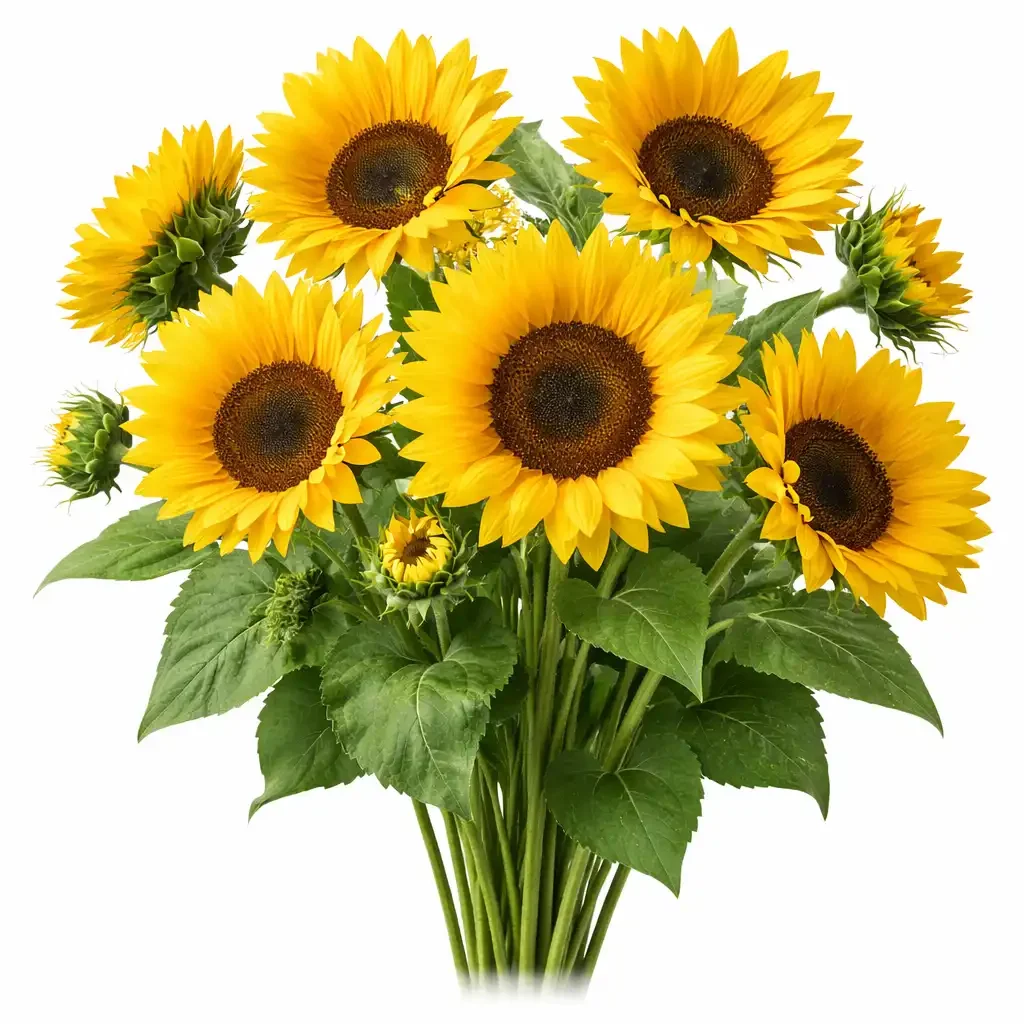
Quick Overview
Common Name: Sunflowers
Scientific Name: Helianthus annuus
Plant Type: Annual
USDA Zones: 2 to 11
Sun Requirement: Full Sun
Soil Type: Well-drained, moderately fertile
Bloom Season: Summer through Fall
Height: 2 to 12 feet depending on variety
Pollinator Friendly: Yes
Edible: Yes, seeds are edible
Why Grow Sunflowers on a Homestead
Sunflowers are the quintessential farmers market flower. Bold, cheerful, and instantly recognizable, they are one of the first flowers customers reach for when they approach a market stand. Their warm golden tones, impressive size, and long vase life make them one of the most reliably profitable cut flower crops a homestead grower can produce, and their ease of cultivation makes them an ideal starting point for growers at every level of experience.
Beyond their obvious visual appeal, sunflowers are one of the most ecologically valuable plants on the homestead. They attract an enormous range of pollinators, provide food for birds from their seed heads, and improve soil structure with their deep, extensive root systems. For a homestead flower operation, they are the backbone of the summer lineup and the flower that anchors every farmers market display from midsummer through fall.
Here is why sunflowers deserve a prominent spot on your homestead:
They are the most recognizable and reliable market flower. Sunflowers sell themselves. Their bold color and familiar form create immediate customer appeal and they move quickly at every price point.
Branching varieties produce multiple harvests per plant. Choosing pollenless, branching varieties like ProCut and Moulin Rouge allows each plant to produce multiple harvestable stems over an extended period rather than a single stem, dramatically increasing yield per plant.
They have a long selling season. With succession planting every two to three weeks, sunflowers can provide a continuous supply of harvestable stems from early summer all the way through the first frost.
They are one of the easiest cut flowers to grow. Sunflowers are forgiving, fast growing, and highly adaptable. They are an ideal crop for beginning homestead flower growers and continue to reward experienced growers with consistent, high-volume production.
They attract pollinators and support the entire homestead ecosystem. Sunflowers are among the most important pollinator plants available. Their pollen and nectar support bees, butterflies, and beneficial insects throughout the summer season.
Growing Conditions
Sunlight
Sunflowers require full sun without exception. They need at least 6 to 8 hours of direct sunlight per day and perform best with even more. Insufficient sun produces weak, elongated stems and significantly reduces flower size and quality. Choose the sunniest location on your homestead for your sunflower planting.
Soil
Sunflowers are adaptable to a wide range of soil types but prefer well-drained, moderately fertile soil. They do not perform well in waterlogged or compacted conditions. A loose, well-drained soil with a pH between 6.0 and 7.5 is ideal. Sunflowers are drought tolerant once established but produce the best cut flower stems with consistent moisture and moderate fertility.
Water
Water regularly during establishment and throughout the growing season. Once established, sunflowers are moderately drought tolerant but produce the longest, strongest stems and largest blooms with consistent moisture. Deep watering once or twice a week is preferable to frequent shallow watering. Avoid waterlogged conditions as sunflowers are susceptible to root rot in poorly drained soil.
Temperature
Sunflowers love heat and perform exceptionally well in long, hot summers across a wide range of climates. They do not tolerate frost and should not be planted until after the last frost date when soil has warmed to at least 55 to 60 degrees Fahrenheit. They thrive in high temperatures and are one of the most heat-tolerant cut flower crops available, performing well in both dry heat and the warm, humid summers of cold winter climates.
Planting Guide
Sunflowers grow best from direct sowing. They establish quickly in warm soil and do not transplant well due to their sensitive taproot. Direct sowing is the preferred method for cut flower production.
Step 1: Wait until after your last frost date and soil has warmed to at least 55 to 60 degrees Fahrenheit. In mild winter climates within USDA zones 9 to 11, sowing can begin in late winter to early spring and continue through midsummer for a long succession harvest. In cold winter climates within USDA zones 3 to 7, sowing begins after the last frost date and continues through midsummer with succession plantings every two to three weeks.
Step 2: Choose the sunniest location on your homestead with well-drained soil. Prepare the bed by loosening the soil and removing weeds.
Step 3: For single-stem varieties grown for cut flower production, sow seeds 3 to 4 inches apart in rows 12 to 18 inches apart. Closer spacing produces taller, straighter stems with smaller heads, which are generally preferred for cut flower use.
Step 4: For branching varieties, space seeds 12 to 18 inches apart to allow room for the plant to develop multiple lateral branches.
Step 5: Sow seeds 1 inch deep and water thoroughly after planting. Germination typically occurs within 7 to 10 days in warm soil.
Step 6: For a continuous harvest, succession plant every 2 to 3 weeks from after the last frost through midsummer. This is the single most important practice for maintaining a steady supply of stems throughout the summer and fall selling season.
Seed vs Transplant: Direct sowing is strongly preferred. Sunflowers develop a long taproot quickly and do not respond well to transplanting.
Spacing: 3 to 4 inches for single-stem cut flower production. 12 to 18 inches for branching varieties.
Planting Season: After last frost through midsummer for succession planting.
Maintenance
Succession Planting
Succession planting is the most important maintenance practice for sunflower cut flower production. A single planting of sunflowers produces a concentrated flush of blooms over approximately two to three weeks before the plants decline. By sowing a new batch of seeds every two to three weeks throughout the spring and summer, you create a continuous conveyor belt of blooms that keeps your market stand stocked with fresh sunflowers from early summer through fall.
Fertilizing
Sunflowers are moderate feeders. Apply a balanced fertilizer at planting and a midseason side dressing of compost or low nitrogen fertilizer to support continued stem and flower development. Avoid excessive nitrogen which produces very tall, lush plants with smaller blooms and weaker stems.
Pest Control
Sunflowers are generally pest resistant. Deer are the most significant threat in rural areas and can destroy a planting overnight. Physical fencing is the most reliable deterrent. Aphids can appear on stems and buds but are usually managed by the beneficial insects that sunflowers attract. Headclipping weevils can damage developing buds in some regions and can be managed with row cover during the vulnerable bud stage.
Disease Prevention
Downy mildew and powdery mildew can affect sunflowers in humid conditions. Space plants properly for air circulation and avoid overhead watering. Sclerotinia stem rot can occur in wet conditions. Good drainage is the best preventive measure.
Harvesting
When to Harvest
Harvest sunflowers when the outer ring of petals has just begun to open and the center disk is still tight and showing no pollen. This stage is often called the first color break. Sunflowers harvested at this stage have the longest vase life, typically 10 to 14 days, and continue to open fully after cutting. Sunflowers allowed to open fully before cutting have a significantly shorter vase life.
How to Cut
Use clean, sharp pruners. Cut stems as long as possible, ideally 18 to 24 inches or more. Cut in the early morning when stems are fully hydrated. Place cut stems immediately into a bucket of cool water. Strip all leaves below the waterline as sunflower foliage degrades quickly in water and significantly shortens vase life if left submerged.
Conditioning
After cutting, place sunflower stems in deep cool water in a cool, dark location for several hours or overnight before selling or arranging. This conditioning period significantly improves vase life and stem strength.
How Often to Harvest
With succession planting, harvest windows overlap and stems are available continuously throughout the summer and fall. Within each planting, harvest daily or every other day as individual stems reach the correct harvest stage.
Vase Life
Pollenless sunflower varieties typically last 10 to 14 days in a vase. Varieties that produce pollen have a shorter vase life as pollen drop is messy and accelerates decline. Strip all foliage below the waterline, recut stems at an angle, and change water every few days to maximize longevity.
Uses on a Homestead
Cut Flower Use
Sunflowers are primarily grown as cut flowers. Their bold, cheerful blooms work beautifully as focal flowers in mixed summer bouquets, as single-variety bundles, and in large-scale event and wedding installations. They pair naturally with zinnias, celosia, grasses, and other warm-season summer flowers.
Seed Production
Sunflower heads allowed to fully mature produce large quantities of edible seeds that can be harvested for personal consumption, sold as a food product, or left on the plant to feed birds through the fall and winter. Seed production provides an additional income stream beyond cut flowers.
Pollinator Support
Sunflowers are among the most important pollinator plants on the homestead. Their large, pollen-rich centers support bees, butterflies, and beneficial insects throughout the summer, contributing to the productivity of every other crop on your property.
Livestock Feed
Sunflower seeds are a nutritious supplement for chickens and other homestead livestock. Plants can be harvested whole after cutting season and fed to animals as a nutritious seasonal feed supplement.
Can You Make Money With Sunflowers
Yes, sunflowers are one of the most reliably profitable cut flower crops for homestead operations. Their universal appeal, ease of production, and long selling season make them a cornerstone of a successful market garden flower business.
Universal market appeal. Sunflowers are immediately recognized and loved by customers of all ages and demographics. They sell quickly at every price point.
High volume production. With succession planting and branching varieties, a relatively small planting area can produce an impressive volume of harvestable stems throughout the season.
Long selling season. From early summer through the first frost, a well-managed sunflower planting provides a continuous supply of market-ready stems.
Low input cost. Sunflower seeds are inexpensive and plants need very little attention once established. The return on investment per seed is excellent.
Farmers Market: Fresh sunflower bundles sell for 8 to 15 dollars per bunch depending on variety, stem length, and head size. Single large stems can sell individually for 2 to 4 dollars each.
Florists and Wholesalers: Sunflowers are in constant demand from florists. Local pollenless varieties on long stems command premium prices from florists who prefer them for their cleanliness and vase life.
Wedding and Event Flowers: Sunflowers are a popular choice for summer and fall weddings, particularly for rustic, barn, and outdoor event aesthetics. Large-scale event installations can use hundreds of stems.
U-Pick Experiences: A sunflower u-pick field is one of the most popular and profitable agritourism activities available to homestead growers. Customers of all ages are drawn to the experience and social media sharing of sunflower field visits generates enormous organic marketing value.
Companion Plants
Sunflowers grow well alongside many other summer crops and flowers with similar growing requirements.
Zinnias: Both love heat and full sun and complement each other beautifully in warm-toned summer bouquets and market displays. Celosia: Shares similar heat and sun requirements and pairs beautifully with sunflowers in bold summer arrangements. Basil: Grows well under sunflowers and is said to repel aphids that can affect sunflower stems. Cucumbers and Squash: Sunflowers attract pollinators that benefit cucumbers, squash, and other fruiting vegetables nearby. Marigolds: Both are heat-loving summer annuals that attract pollinators and deter pests. A natural garden companion. Corn: A traditional Three Sisters companion. Sunflowers and corn share similar growing conditions and complement each other in the market garden.
Common Problems
Deer Damage
Deer will eat sunflower buds, flowers, and foliage and can destroy an entire planting overnight. Physical fencing is the most reliable deterrent in areas with high deer pressure.
Downy Mildew
Causes yellowing of leaves and a white-gray coating on leaf undersides. Prevalent in cool, humid conditions. Space plants for air circulation and avoid overhead watering. Choose resistant varieties where available.
Sclerotinia Stem Rot
Causes white, cottony growth at the base of stems and rapid wilting. Associated with wet, poorly drained conditions. Good drainage and crop rotation are the best preventive measures.
Headclipping Weevils
Weevils that sever developing buds from the stem, causing significant crop losses in affected regions. Row cover during the vulnerable bud development stage provides effective protection.
Aphids
Can appear in large numbers on stems and developing buds. Usually managed by beneficial insects attracted to sunflowers. Treat with neem oil or insecticidal soap if populations become problematic before beneficial insects arrive.
Varieties to Consider
ProCut Series: The gold standard for cut flower sunflower production. Pollenless, single-stem varieties available in a range of colors from classic yellow to orange, red, and bicolor. Strong stems, uniform heads, and excellent vase life. The most widely grown commercial cut flower sunflower series.
Moulin Rouge: A deep burgundy-red pollenless sunflower on strong stems. One of the most popular specialty sunflower varieties for florists and wedding designers. Commands premium prices for its unusual color.
Lemon Queen: Soft pale yellow blooms with a dark center. A more delicate, sophisticated look than standard golden sunflowers. Very popular with florists working with soft color palettes.
Chocolate Cherry: Deep burgundy and chocolate tones with a dark center. Extremely popular for fall arrangements and wedding work with warm, earthy color palettes.
Autumn Beauty: A branching variety that produces multiple stems per plant in a warm mix of gold, orange, rust, and burgundy. Excellent for mixed bouquets and u-pick operations.
Teddy Bear: A compact, double-flowered variety with fluffy, pompom-like blooms. Very popular at farmers markets for its unusual appearance and child-friendly appeal.
Sunrich Series: A pollenless series bred specifically for cut flower production with very uniform head size and excellent stem length. A reliable choice for florist supply.
Final Thoughts
Sunflowers are the heartbeat of the summer homestead flower operation. They are the flower that anchors your farmers market display, fills your buckets with bold color, and draws customers to your stand from across the market. Their ease of production, long selling season, and universal appeal make them one of the most important and reliable crops in any homestead cut flower business. Focus on pollenless branching varieties, succession plant every two to three weeks, harvest at first color break, and sunflowers will reward you with an abundance of beautiful, marketable stems from the first warm days of summer all the way through the last gasp of fall. Every homestead flower operation should have sunflowers at its core.
FAQ
What is the difference between pollenless and regular sunflowers for cut flower production? Pollenless sunflowers are bred specifically for cut flower use. They do not drop pollen onto surfaces, which is important for florists and customers who use flowers in the home. They also tend to have a longer vase life than pollen-producing varieties. For cut flower production, pollenless varieties are almost always the better choice.
How do I keep sunflowers producing all summer? Succession planting is the key. Sow a new batch of seeds every two to three weeks from after the last frost through midsummer. This creates a continuous pipeline of plants at different stages of development, ensuring a steady supply of harvestable stems throughout the summer and fall.
Why are my sunflower stems too short for cut flower production? Short stems are usually caused by insufficient spacing or planting in soil that is too fertile. For the longest stems, plant single-stem varieties at close spacing of 3 to 4 inches in rows 12 to 18 inches apart. Close spacing encourages plants to compete for light, producing tall, straight stems with proportionally sized heads ideal for cut flower use.
Can sunflowers be grown for an extended season in mild winter climates? Yes, in mild winter climates within USDA zones 9 to 11 sunflowers can be grown for much of the year given the limited frost risk. They can be planted from late winter through early fall for blooms from spring through late fall, giving growers in these zones a significantly longer production window than cold winter climates allow. Succession planting every two to three weeks throughout the growing season provides the longest possible continuous harvest window regardless of your climate.
Are branching or single-stem sunflower varieties better for homestead production? Both have their advantages. Single-stem varieties produce one large, uniform head per plant and are preferred for florist supply where consistency is important. Branching varieties produce multiple smaller heads per plant over a longer period and are better suited to farmers markets, mixed bouquets, and u-pick operations where variety and extended production are priorities. Many homestead growers grow both to serve different markets.