
Sweet Peas
Quick Overview
Common Name: Sweet Peas
Scientific Name: Lathyrus odoratus
Plant Type: Annual
USDA Zones: 2 to 11
Sun Requirement: Full Sun to Partial Shade
Soil Type: Well-drained, rich, deeply cultivated
Bloom Season: Spring through Early Summer
Height: 4 to 8 feet as climbing vine, 12 to 18 inches for bush types
Pollinator Friendly: Yes
Edible: No, seeds are toxic if ingested
Why Grow Sweet Peas on a Homestead
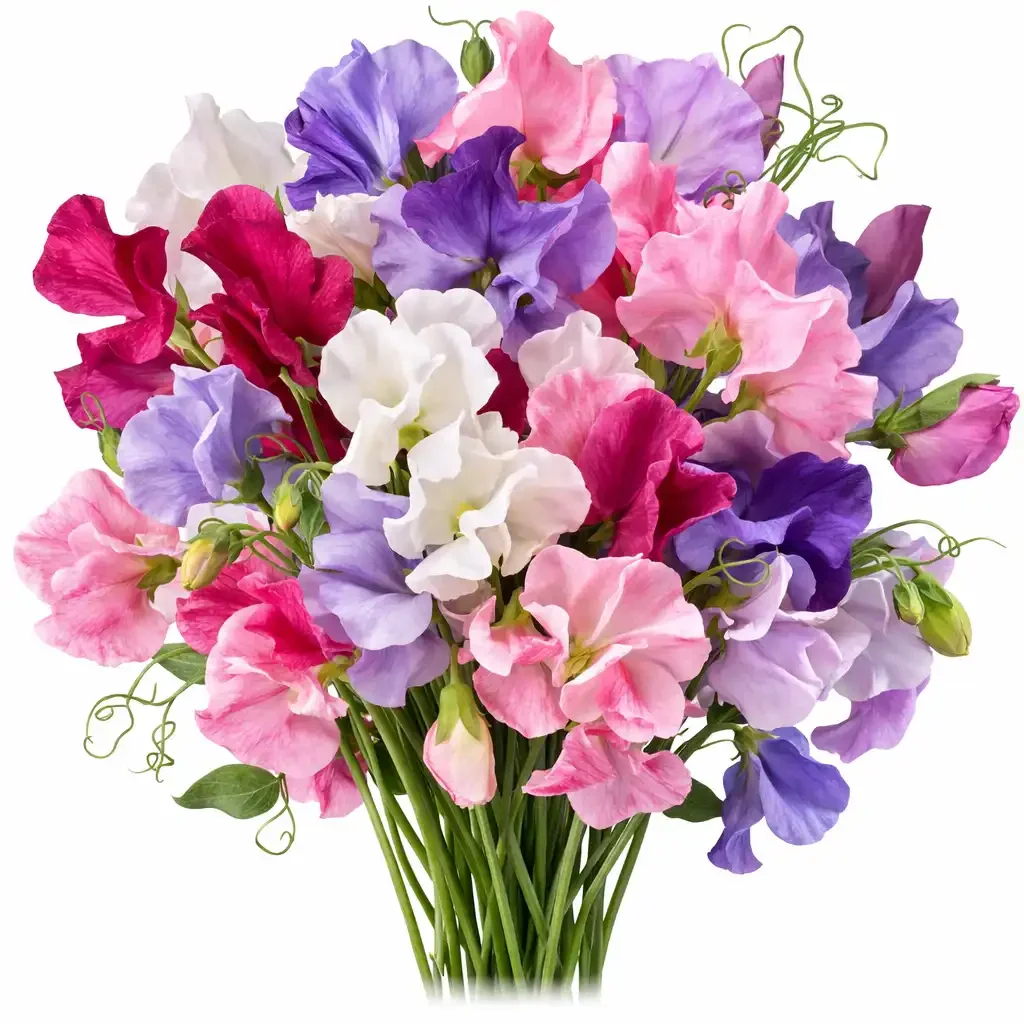
Sweet Peas are one of the most beloved and sought after flowers in the entire cut flower world. Their delicate, ruffled blooms in an extraordinary range of colors from pure white through every shade of pink, lavender, purple, and red carry a fragrance so sweet and distinctive that it is immediately recognizable and deeply evocative. A single bunch of Sweet Peas at a farmers market will stop customers in their tracks before they even see the flowers, drawn in purely by the scent.
For homestead growers, Sweet Peas represent one of the most rewarding and profitable cool season crops available. They bloom in spring and early summer before most summer annuals are producing, filling a critical gap in the harvest calendar with an exceptionally high-value, high-demand product. Wedding florists in particular seek out Sweet Peas eagerly during their short season, and the prices they command reflect just how highly valued these flowers are.
Here is why Sweet Peas deserve a prominent spot on your homestead:
They are among the most fragrant cut flowers in the world. The sweet, distinctive fragrance of freshly cut Sweet Peas is unmatched by almost any other spring flower. Fragrant flowers always command premium prices and Sweet Peas are at the top of that category.
They are extraordinarily popular with wedding florists. Sweet Peas are one of the most requested flowers for spring and early summer weddings. Their delicate, romantic form and extraordinary fragrance make them a natural choice for bridal bouquets and event work.
They bloom in early spring when competition is low. Sweet Peas fill the cutting garden with harvestable stems at a time when very few other flowers are available, allowing you to sell premium-priced stems with minimal market competition.
They are a cut and come again flower. Regular harvesting encourages continuous bloom production throughout their season. The more you pick, the more they produce.
They come in an extraordinary range of colors and forms. From pure white to deep burgundy, bicolors, picotees, and ruffled heritage varieties, Sweet Peas offer a range of options that allows you to cater to every market preference and price point.
Growing Conditions
Sunlight
Sweet Peas perform best in full sun to partial shade. They need at least 6 hours of direct sunlight per day for strong growth and abundant flowering. In very hot climates, afternoon shade helps extend the blooming season by keeping roots cooler during the hottest part of the day.
Soil
Sweet Peas are heavy feeders and prefer deeply cultivated, rich, well-drained soil. They have deep root systems and benefit from soil that has been loosened to a depth of 12 to 18 inches before planting. Incorporate generous amounts of compost or well-rotted manure into the planting bed. Soil pH between 6.5 and 7.5 is ideal. Unlike many cut flowers, Sweet Peas genuinely thrive in fertile soil.
Water
Sweet Peas need consistent, deep watering throughout the growing season. They do not tolerate drought and will stop blooming and decline quickly if allowed to dry out. Water deeply at the base of the plant rather than overhead. Consistent soil moisture is one of the most important factors in keeping Sweet Peas productive throughout their season.
Temperature
Sweet Peas are cool season plants that thrive in mild temperatures between 50 and 65 degrees Fahrenheit. They do not tolerate heat and will stop blooming and decline rapidly when temperatures consistently exceed 80 to 85 degrees Fahrenheit. In mild winter climates within USDA zones 8 to 11, Sweet Peas are best grown as a fall through spring crop, taking advantage of the cool growing season for an exceptionally long blooming period. In cold winter climates within USDA zones 3 to 7, grow as an early spring crop sown as soon as the soil can be worked and harvested through early summer before heat arrives.
Planting Guide
Sweet Peas benefit from an early start and deep, well-prepared soil. In mild winter climates, fall planting produces the best results. In cold winter climates, planting as early as possible in spring is the key to a productive season before summer heat arrives.
Step 1: Prepare the planting bed deeply, loosening soil to at least 12 inches and incorporating generous amounts of compost or well-rotted manure. Sweet Peas reward deep soil preparation more than almost any other annual.
Step 2: Soak seeds overnight in water before planting to soften the hard seed coat and improve germination rates. Some growers also lightly nick the seed coat with a nail file before soaking.
Step 3: In mild winter climates within USDA zones 8 to 11, sow seeds directly in the ground in October through November for winter and spring blooming. In cold winter climates, start seeds indoors 4 to 6 weeks before the last frost date or direct sow as soon as the soil can be worked in early spring.
Step 4: Plant seeds 1 inch deep and 3 to 4 inches apart at the base of a trellis, fence, or other support structure. Sweet Peas are climbing vines and must have something to climb.
Step 5: Water well after planting and keep soil consistently moist until germination, which typically occurs within 10 to 21 days.
Step 6: Install a trellis, netting, or wire support at least 6 feet tall before or immediately after planting. Sweet Peas climb by tendrils and need a structure they can grip as they grow.
Seed vs Transplant: Direct sowing or starting in root trainers indoors is preferred. Sweet Peas resent root disturbance and transplant best when started in deep root trainers that can be planted out without disturbing the roots.
Spacing: 3 to 4 inches apart at the base of support structures for cut flower production.
Planting Season: Fall in mild winter climates within USDA zones 8 to 11. Early spring in cold winter climates as soon as soil can be worked.
Maintenance
Supporting and Training
Sweet Peas climb by tendrils and need regular guiding onto their support structure, particularly in the early weeks of growth. Check plants every few days and gently guide wayward tendrils onto the trellis or netting. Once established, plants climb naturally with minimal intervention.
Pinching
Pinch out the growing tip of each seedling when it has produced two to three pairs of leaves. This encourages the development of multiple basal shoots from the base, which produces a bushier plant with many more flowering stems than an unpinched plant.
Watering
Consistent deep watering is one of the most critical maintenance tasks for Sweet Peas. Never allow the soil to dry out completely. In warm, dry conditions water every day or two at the base of the plant. A thick layer of mulch around the base helps retain soil moisture and keep roots cool.
Fertilizing
Sweet Peas are heavy feeders and benefit from regular fertilization throughout the growing season. Apply a balanced fertilizer at planting and follow with regular applications of a low nitrogen, high potassium and phosphorus fertilizer throughout the blooming period. Avoid excessive nitrogen which produces lush foliage at the expense of flowers.
Mulching
Apply a thick layer of organic mulch around the base of Sweet Pea plants to retain soil moisture, suppress weeds, and keep roots cool. Cool roots are one of the most important factors in extending the blooming season of Sweet Peas in warm climates.
Harvesting
When to Harvest
Harvest Sweet Peas when the lowest one to two flowers on each stem are open and the remaining buds are well developed and showing color. Harvesting at this stage gives the longest vase life and allows the remaining buds to open progressively after cutting, extending the display in the vase. Harvest in the early morning when stems are fully hydrated and temperatures are cool.
How to Cut
Use clean, sharp scissors. Cut stems as long as possible, ideally 8 to 14 inches. Cut just above a leaf node or tendril to encourage new shoot production. Do not leave old stems on the plant as they will go to seed and reduce future flower production. Place cut stems immediately into a bucket of cool water.
How Often to Harvest
Harvest Sweet Peas every day or every other day during peak bloom. This is both a harvesting and a maintenance task. Sweet Peas that are allowed to set seed stop producing new flowers almost immediately. Keeping every flower picked is the single most important factor in maximizing the length and productivity of your Sweet Pea season.
Vase Life
Sweet Peas typically last 5 to 7 days as a fresh cut flower. They have a shorter vase life than many other cut flowers but their extraordinary fragrance and beauty more than compensate for this limitation. Strip all foliage below the waterline, recut stems at an angle, and place in cool fresh water. Keep arrangements away from heat and direct sunlight to maximize vase life.
Uses on a Homestead
Cut Flower Use
Sweet Peas are grown almost exclusively as cut flowers. Their delicate, ruffled blooms and extraordinary fragrance make them one of the most beautiful and evocative flowers available in the spring cutting garden. They work beautifully in informal mixed bouquets, single-variety bundles, and high-end wedding arrangements. Their relatively short stems are part of their charm and experienced florists know how to use them to maximum effect.
Wedding and Event Flowers
Sweet Peas are among the most popular flowers for spring and early summer weddings. Their delicate form, romantic color range, and extraordinary fragrance make them a natural choice for bridal bouquets, flower crowns, boutonnieres, and table arrangements. Wedding florists will pay premium prices for quality Sweet Pea stems during their short season.
Fragrance at the Farm Stand
Like Tuberose and Waxflower, Sweet Peas create a powerful and immediate sensory experience at a farmers market stand. A bucket of fresh Sweet Peas draws customers from across the market purely on the strength of their fragrance. Few flowers generate as much immediate excitement and customer engagement at market.
Pollinator Garden
Sweet Peas are excellent pollinator plants, particularly for bees and bumblebees. Their blooms provide an important early season nectar source at a time when many other plants are not yet flowering.
Can You Make Money With Sweet Peas
Yes, Sweet Peas are one of the most profitable cool season cut flower crops available to homestead growers. Their combination of extraordinary fragrance, romantic beauty, and strong market demand makes them a premium product that commands prices well above most common cut flowers.
Premium fragrance commands premium prices. Sweet Peas are among the most intensely fragrant cut flowers available. Fragrant flowers consistently command higher prices at market and from florists.
Exceptional wedding market demand. Sweet Peas are one of the most requested flowers for spring weddings. Wedding florists will pay premium prices for quality local stems and a reliable supply is extremely valuable to them.
Early season market advantage. Sweet Peas bloom before most summer annuals are producing, allowing you to sell premium-priced stems during a period of low market competition.
Strong customer loyalty. Customers who discover Sweet Peas at a farmers market often become deeply loyal buyers who return every week throughout the season specifically for them.
Farmers Market: Fresh Sweet Pea bundles sell for 10 to 20 dollars per bunch depending on stem length, color, and variety. Heritage and specialty varieties command the highest prices.
Florists and Wedding Designers: Sweet Peas are among the most sought after specialty flowers for spring wedding work. Establishing a supply relationship with local wedding florists is one of the most profitable uses of a Sweet Pea crop.
CSA Flower Subscriptions: Sweet Peas are one of the most eagerly anticipated additions to a spring flower subscription box. Their inclusion justifies premium subscription pricing and generates enormous customer excitement.
U-Pick Experiences: A Sweet Pea picking experience on your homestead can be an extremely popular agritourism activity during peak bloom season. Customers love the experience of picking their own fragrant blooms directly from the vine.
Companion Plants
Sweet Peas grow well alongside other cool season crops and spring blooming flowers with similar growing requirements.
Ranunculus: Both are cool season favorites that bloom at the same time and complement each other beautifully in romantic spring bouquets. Sweet Sultan: Another fragrant cool season annual that pairs naturally with Sweet Peas in the spring cutting garden and in bouquets. Larkspur: A cool season annual with tall spikes that provide vertical contrast to the delicate Sweet Pea blooms in mixed arrangements. Anemones: A cool season bulb that blooms alongside Sweet Peas and creates beautiful combinations in spring arrangements. Nigella: A delicate, distinctive cool season annual that complements Sweet Peas beautifully in mixed spring bouquets. Bachelor's Button: A cool season annual with similar growing requirements that pairs naturally with Sweet Peas in the cutting garden and at market.
Common Problems
Failure to Germinate
Sweet Pea seeds have a hard seed coat that can inhibit germination. Soaking seeds overnight in water before planting and lightly nicking the seed coat with a nail file significantly improves germination rates. Cold, wet soil can also inhibit germination. Wait until conditions are right before sowing.
Powdery Mildew
One of the most common problems with Sweet Peas, particularly later in the season as temperatures rise. Space plants properly for good air circulation, avoid overhead watering, and choose mildew-resistant varieties where possible. Remove affected growth promptly.
Heat Stress and Early Decline
Sweet Peas decline rapidly when temperatures consistently exceed 80 to 85 degrees Fahrenheit. In warm climates, keeping roots cool with mulch, providing afternoon shade, and consistent deep watering extend the season as long as possible. Eventually summer heat will end the Sweet Pea season and this is a natural limitation of the crop.
Bud Drop
Buds that fall off the plant before opening are usually caused by inconsistent watering, heat stress, or root disturbance. Maintain consistent soil moisture, keep roots cool, and avoid disturbing the root zone once plants are established.
Aphids
Sweet Peas are particularly attractive to aphids. Check plants regularly and treat at the first sign of infestation with a strong spray of water, neem oil, or insecticidal soap. Aphid populations can build up quickly and cause significant damage to flower buds if left unchecked.
Varieties to Consider
Matucana: A heritage variety with deep magenta and purple bicolor blooms and an exceptionally strong fragrance. One of the most fragrant Sweet Peas available and extremely popular with both growers and customers.
Cupani: Another ancient heritage variety with deep purple and maroon bicolor blooms. Intensely fragrant and one of the parents of most modern Sweet Pea varieties. Highly sought after by connoisseurs and wedding florists.
Spencer Mixed: The Spencer series produces large, ruffled, wavy-petaled blooms on long stems. The classic choice for cut flower production. Available in a wide range of colors.
Painted Lady: One of the oldest known Sweet Pea varieties. Pale pink and white bicolor with a strong fragrance. Very popular for heritage and cottage-style wedding designs.
Black Knight: Deep maroon to almost black blooms with a strong fragrance. Extremely dramatic and popular with florists working with dark, moody color palettes.
Mrs. Collier: A pure cream to pale yellow variety that is extremely rare and highly sought after. Commands premium prices at market and from wedding florists.
Nimbus: Soft lavender and white bicolor with a classic Sweet Pea fragrance. Very popular for romantic and soft color palette wedding designs.
King Size Navy Blue: One of the best true navy blue Sweet Peas available. Long stems and strong fragrance make it excellent for cut flower production.
Final Thoughts
Sweet Peas are one of the most magical and rewarding flowers you can grow on a homestead. Their extraordinary fragrance, romantic beauty, and the sheer joy they generate in customers and florists alike make them one of the most special crops in any cut flower operation. They ask for careful soil preparation, consistent moisture, and the right timing, but when those conditions are met they reward you with an abundance of blooms that can transform your farmers market presence and your relationship with local florists. In mild winter climates within USDA zones 8 to 11 where they can be grown through the cool months as a long-season crop, Sweet Peas are one of the most valuable and profitable flowers you can put in the ground. In cold winter climates within USDA zones 3 to 7, their shorter spring season is still one of the most eagerly anticipated and commercially rewarding harvests of the entire year. Grow them with care, harvest them daily, and they will become the flower that customers come back for week after week throughout their glorious and all too brief season.
FAQ
Why do my Sweet Peas stop blooming? The most common causes are allowing seed pods to form on the plant, heat stress, inconsistent watering, or plants that have simply reached the end of their natural season. Harvest every single flower without exception, maintain consistent deep watering, keep roots cool with mulch, and ensure plants have afternoon shade in warm climates to extend the blooming period as long as possible.
How do I get the longest possible Sweet Pea season in mild winter climates? In mild winter climates within USDA zones 8 to 11, sow seeds in October through November for the earliest possible start. Prepare the soil deeply with generous amounts of compost. Mulch heavily to keep roots cool. Water consistently and deeply at the base of the plant. Provide afternoon shade as temperatures rise in spring. Harvest every single flower without exception. Under ideal conditions in mild winter climates, Sweet Peas can bloom from January through May or even into June depending on your specific location and microclimate.
Are all Sweet Peas fragrant? No, not all modern Sweet Pea varieties are equally fragrant. Many modern varieties bred for larger blooms and more colors have reduced fragrance compared to heritage varieties. For maximum fragrance, choose heritage varieties like Matucana, Cupani, and Painted Lady, or specifically look for varieties described as highly fragrant in seed catalogs.
Can Sweet Peas be grown in containers? Bush type Sweet Peas can be grown in large containers with a support structure. Climbing varieties need very deep, large containers to accommodate their extensive root systems. Container growing is possible but in-ground planting generally produces stronger, more productive plants with a longer blooming season.
Are Sweet Pea seeds toxic? Yes, Sweet Pea seeds are toxic if ingested and should be kept away from children and animals. The seeds contain a compound called aminopropionitrile that can cause serious neurological problems if consumed in quantity. The flowers and stems are not typically considered toxic but the seeds should be handled and stored carefully.