
Sweet Sultan
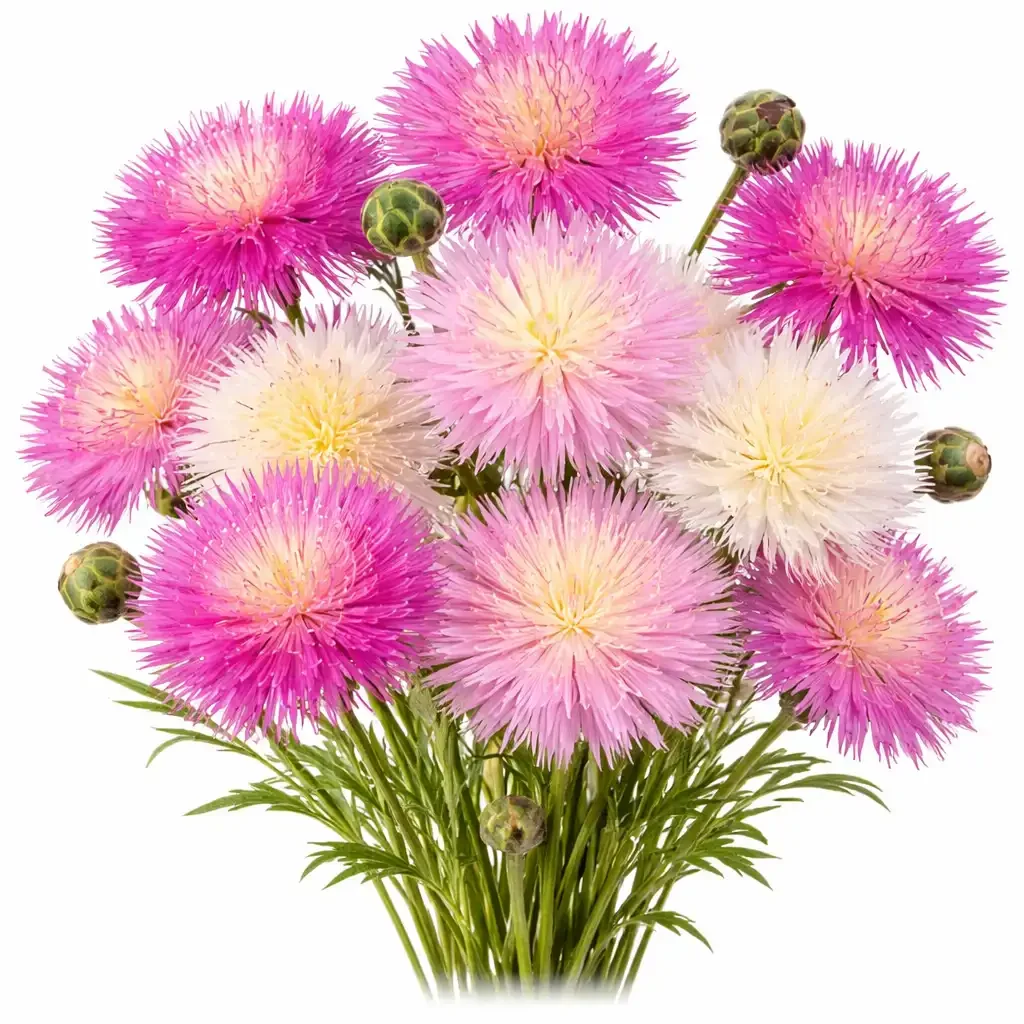
Quick Overview
Common Name: Sweet Sultan
Scientific Name: Centaurea moschata, Amberboa moschata
Plant Type: Annual
USDA Zones: 2 to 11
Sun Requirement: Full Sun
Soil Type: Well-drained, average fertility
Bloom Season: Late Spring through Summer
Height: 18 to 30 inches
Pollinator Friendly: Yes
Edible: No
Why Grow Sweet Sultan on a Homestead
Sweet Sultan is one of the most charming and underappreciated flowers available to homestead cut flower growers. Its large, feathery, thistle-like blooms in shades of white, pink, purple, and yellow carry a sweet, honey-like fragrance that makes them instantly appealing to customers at the farmers market. It is a cool season annual that blooms prolifically in spring and early summer, filling a gap in the harvest calendar before the heat-loving summer annuals hit their stride.
For homestead growers looking to add something fragrant, distinctive, and genuinely beautiful to their early season lineup, Sweet Sultan is an excellent choice. It is easy to grow from seed, direct sows readily in cool soil, and produces an abundance of long-stemmed blooms that florists and customers find irresistible. It is similar in some ways to Scabiosa but with a larger, more dramatic bloom and a fragrance that sets it apart from almost everything else in the cutting garden.
Here is why Sweet Sultan deserves a spot on your homestead:
It is one of the few fragrant cool season annuals. Most fragrant cut flowers bloom in summer. Sweet Sultan brings fragrance to the spring cutting garden at a time when few other flowers can offer it.
It fills the early season gap. Sweet Sultan blooms in late spring and early summer before most summer annuals are producing. This gives you harvestable stems during a period when market competition is low.
It is easy to grow from seed. Sweet Sultan direct sows readily in cool soil and establishes quickly, making it one of the more beginner-friendly annuals for a cut flower operation.
It attracts pollinators in abundance. Butterflies and bees are strongly attracted to Sweet Sultan blooms throughout its season.
It is genuinely distinctive at market. The large, feathery blooms and sweet fragrance make Sweet Sultan an immediate conversation starter at the farmers market and a flower that customers remember.
Growing Conditions
Sunlight
Sweet Sultan requires full sun to perform its best. It needs at least 6 hours of direct sunlight per day. In partial shade it will produce weak, leggy growth and significantly fewer blooms. Full sun combined with cool temperatures produces the strongest stems and most abundant flowering.
Soil
Sweet Sultan prefers well-drained soil with average fertility. It does not perform well in waterlogged or overly rich soil. A loose, well-drained soil with a pH between 6.0 and 7.0 is ideal. In overly rich soil it produces lush foliage at the expense of flowers.
Water
Water regularly during the growing season to maintain consistent soil moisture. Sweet Sultan does not tolerate drought as well as some other annuals and performs best with consistent moisture, particularly during bud development. Avoid waterlogged conditions and overhead watering which can damage the delicate blooms.
Temperature
Sweet Sultan is a cool season annual that thrives in the mild temperatures of spring and early summer. It performs best when daytime temperatures are between 55 and 75 degrees Fahrenheit. In hot summer temperatures above 85 to 90 degrees Fahrenheit it tends to bolt, go to seed quickly, and decline. In mild winter climates within USDA zones 8 to 11 it is best grown as a fall through spring crop, taking advantage of the cool growing season to extend the blooming period well beyond what is possible in colder climates. In cold winter climates within USDA zones 3 to 7, grow as an early spring through early summer crop, sowing as soon as the soil can be worked and harvesting before summer heat arrives.
Planting Guide
Sweet Sultan grows best from direct sowing in cool soil. It does not transplant well due to its sensitive taproot and establishes most successfully when sown directly in the ground.
Step 1: In cold winter climates, direct sow seeds in early spring as soon as the soil can be worked, even while light frosts are still possible. Sweet Sultan tolerates light frost and actually performs better when started in cool conditions.
Step 2: In mild winter climates within USDA zones 8 to 11, direct sow in fall for winter and spring blooming. A fall sowing takes advantage of the cool, mild growing conditions and produces the longest possible bloom season.
Step 3: Choose a location with full sun and well-drained soil. Prepare the bed by loosening the soil and removing weeds.
Step 4: Sow seeds directly into the ground at a depth of about one quarter inch. Water gently after sowing and keep the soil lightly moist until germination, which typically occurs within 7 to 14 days in cool soil.
Step 5: Thin seedlings to 9 to 12 inches apart once they are a few inches tall. Tighter spacing encourages taller, straighter stems for cutting.
Step 6: For a continuous harvest, succession sow every 3 to 4 weeks from early spring through mid spring in cool climates. In mild climates, a single fall sowing often provides blooms through the entire cool season.
Seed vs Transplant: Direct sowing is strongly preferred. If transplanting is necessary, use biodegradable pots to avoid disturbing the taproot.
Spacing: 9 to 12 inches for cut flowers.
Planting Season: Early spring in cold winter climates. Fall through early spring in mild winter climates within USDA zones 8 to 11.
Maintenance
Pinching
Pinching the central growing tip when seedlings reach 6 to 8 inches tall encourages branching and increases the number of stems produced per plant. This is especially important for cut flower production where multiple long stems per plant are the goal.
Deadheading
Deadhead spent blooms promptly to extend the blooming season and prevent the plant from going to seed prematurely. In warm weather Sweet Sultan can bolt and go to seed quickly. Regular deadheading and harvesting are the most effective ways to extend the productive life of each plant.
Fertilizing
Sweet Sultan does not need heavy feeding. A light application of balanced fertilizer at planting is sufficient. Avoid high nitrogen fertilizers which promote foliage over flowers. In average soil, no additional fertilizing is usually needed.
Pest Control
Sweet Sultan is generally pest resistant. Aphids can occasionally appear on new growth and flower buds. Treat with a strong spray of water or neem oil if populations become problematic.
Disease Prevention
Good drainage and air circulation prevent most disease issues. Avoid overhead watering to protect the delicate blooms from water damage and reduce the risk of fungal diseases on foliage.
Harvesting
When to Harvest
Harvest Sweet Sultan when the bloom is about three quarters open and the fragrance is at its peak. Fully open blooms do not last as long after cutting. The feathery petals should be fully extended but the center of the flower should still show some structure. Harvest in the early morning when stems are fully hydrated and temperatures are cool.
How to Cut
Use clean, sharp scissors or pruners. Cut stems as long as possible, ideally 14 to 20 inches. Cut just above a set of leaves or a side shoot to encourage new branching and continued bloom production throughout the season. Place cut stems immediately into a bucket of cool water.
How Often to Harvest
Harvest every 2 to 3 days during peak bloom. Regular cutting is essential for keeping Sweet Sultan productive and preventing premature bolting. Do not let blooms go to seed on the plant as this signals the plant to slow down production significantly.
Vase Life
Sweet Sultan typically lasts 7 to 10 days as a fresh cut flower with proper care. Strip all foliage below the waterline, recut stems at an angle, and place in fresh water immediately after cutting.
Uses on a Homestead
Cut Flower Use
Sweet Sultan is primarily grown as a fragrant cut flower. Its large, feathery blooms add a soft, romantic texture to mixed spring bouquets and arrangements. The sweet honey-like fragrance makes every bouquet containing Sweet Sultan an immediate sensory experience. It pairs beautifully with ranunculus, anemones, sweet peas, and other cool season favorites.
Fragrance at the Farm Stand
Like Tuberose and Waxflower, Sweet Sultan creates a powerful sensory draw at a farmers market stand. A bucket of fresh Sweet Sultan fills the surrounding area with its distinctive sweet fragrance, attracting customers from across the market.
Pollinator Garden
Sweet Sultan is an excellent pollinator plant, particularly for butterflies. Planting it throughout your homestead contributes to the health and productivity of your entire garden ecosystem during the important early season period.
Can You Make Money With Sweet Sultan
Yes, Sweet Sultan is a profitable specialty crop for homestead flower operations, particularly for growers focused on the early spring market and fragrant flower niche.
Early season market advantage. Sweet Sultan blooms before most summer annuals are producing, allowing you to sell premium-priced stems with reduced competition.
Fragrance premium. Fragrant flowers command premium prices at farmers markets and from florists. Sweet Sultan delivers fragrance at a time of year when very few other flowers can.
Distinctive appearance. The large, feathery blooms are genuinely unusual and eye-catching at market. Customers who discover Sweet Sultan often become loyal buyers.
Low input cost. Seeds are inexpensive and plants need very little attention once established in cool conditions.
Farmers Market: Fresh Sweet Sultan bundles sell for 7 to 12 dollars per bunch depending on stem quality and color.
Florists: Florists working with spring arrangements and weddings will appreciate a local source of fragrant, distinctive blooms during the early season.
Wedding and Event Flowers: Sweet Sultan is a natural choice for spring weddings, particularly for garden-style and romantic designs where fragrance is a priority.
CSA Flower Subscriptions: Sweet Sultan adds fragrance and a genuinely distinctive early season bloom to spring flower subscription boxes.
Companion Plants
Sweet Sultan grows well alongside other cool season annuals and spring blooming flowers with similar growing requirements.
Ranunculus: Both are cool season favorites that bloom at the same time and complement each other beautifully in spring bouquets. Sweet Peas: Both are fragrant cool season annuals that pair naturally in the spring cutting garden and in bouquets. Anemones: Another cool season bloom that overlaps with Sweet Sultan and creates beautiful combinations in spring arrangements. Larkspur: A cool season annual with similar growing conditions that pairs beautifully with Sweet Sultan in tall, romantic spring arrangements. Nigella: Both are delicate, distinctive cool season annuals that complement each other in mixed spring bouquets. Bachelor's Button: A related cool season annual with similar growing requirements that pairs naturally with Sweet Sultan in the cutting garden.
Common Problems
Bolting in Heat
The most common problem with Sweet Sultan. Plants bolt and go to seed quickly when temperatures rise above 85 to 90 degrees Fahrenheit. In warm climates, time plantings carefully to take advantage of cool weather and plan for plants to decline as summer heat arrives. Regular deadheading and succession sowing extend the productive period as much as possible.
Poor Germination in Warm Soil
Sweet Sultan germinates best in cool soil. Sowing in warm summer soil leads to poor and uneven germination. Always sow in cool conditions in early spring or fall for the best germination rates.
Aphids
Occasionally appear on new growth and flower buds. Usually manageable with a strong spray of water. Neem oil can be used if populations become problematic.
Floppy Stems
Can occur in overly rich soil, insufficient sun, or when plants are overcrowded. Grow in average soil with full sun and thin seedlings properly to ensure adequate spacing and air circulation.
Short Season in Hot Climates
In hot climates, Sweet Sultan has a naturally short productive season before heat causes bolting and decline. Planning for succession sowings and combining Sweet Sultan with other cool season crops helps maximize the value of this crop within its natural seasonal window.
Varieties to Consider
The Bride: Pure white blooms with an elegant, clean appearance. Very popular for wedding work and for adding brightness to mixed spring bouquets.
Dairy Maid: Soft cream to pale yellow blooms. A warm-toned alternative to the more common purple and white varieties. Very popular at farmers markets for its unusual color.
Imperialis Mixed: A classic seed mix that includes white, pink, purple, and yellow varieties. A mixed planting gives you a range of colors for bouquets and adds visual interest to your cutting garden.
Purple Splendour: Rich purple blooms with a strong fragrance. One of the most striking and popular colors at farmers markets and for wedding work.
Final Thoughts
Sweet Sultan is one of those flowers that reminds you why growing a diverse range of crops on your homestead is always worthwhile. It occupies a unique niche in the cutting garden as a fragrant, early season annual with a distinctive bloom form that customers and florists genuinely love. In mild winter climates within USDA zones 8 to 11 where it can be grown through the cool months as a long-season crop, it delivers exceptional value for very little input. In cold winter climates within USDA zones 3 to 7, its shorter spring season is still well worth the planting as few other cool season annuals offer the same combination of fragrance, distinctive bloom form, and early market timing. Grow it alongside other cool season favorites, harvest it regularly, and Sweet Sultan will become one of the most anticipated and appreciated flowers in your spring lineup.
FAQ
Is Sweet Sultan the same as Bachelor's Button? No, Sweet Sultan and Bachelor's Button are different plants although they are related. Both belong to the Centaurea genus but Sweet Sultan produces larger, more dramatic blooms with a distinctive sweet fragrance, while Bachelor's Button has smaller, simpler blooms and very little fragrance.
How do I prevent Sweet Sultan from bolting in warm weather? Regular deadheading, consistent harvesting, and timing plantings to take advantage of cool weather are the most effective strategies. In mild winter climates, a fall sowing that blooms through winter and spring naturally avoids the heat that causes bolting. In cold winter climates, sowing as early as possible in spring maximizes the cool growing window before summer heat arrives. There is no way to prevent bolting entirely once summer heat arrives.
Does Sweet Sultan have a strong fragrance? Yes, Sweet Sultan has a distinctively sweet, honey-like fragrance that is one of its most appealing qualities. The fragrance is strongest when blooms are freshly opened and is noticeable from several feet away, making it a powerful draw at farmers markets and farm stands.
Can Sweet Sultan be grown as a long season crop? In mild winter climates within USDA zones 8 to 11, Sweet Sultan can be grown from fall through spring as a long-season cool weather crop, taking advantage of mild winters for an extended blooming period. In cold winter climates within USDA zones 3 to 7 it is grown as a spring annual, sown as early as possible and harvested through early summer before heat causes bolting.
What does Sweet Sultan pair well with in bouquets? Sweet Sultan pairs beautifully with other cool season flowers including ranunculus, anemones, sweet peas, larkspur, and nigella. Its feathery bloom form and sweet fragrance complement almost any spring flower combination.