
Tansy
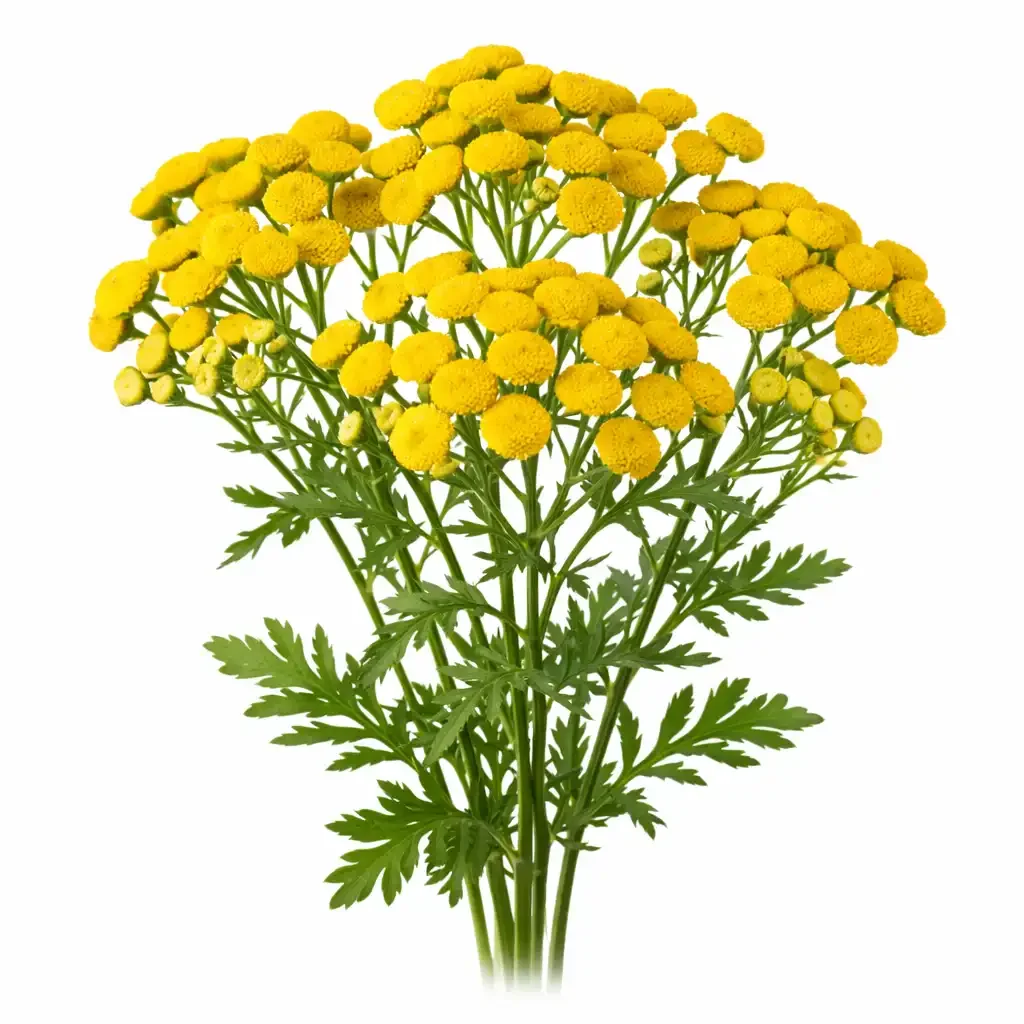
Quick Overview
Common Name: Tansy, Golden Buttons, Bitter Buttons
Scientific Name: Tanacetum vulgare
Plant Type: Perennial
USDA Zones: 3 to 9
Sun Requirement: Full Sun to Partial Shade
Soil Type: Well-drained, average to poor fertility
Bloom Season: Mid Summer through Early Fall
Height: 24 to 48 inches
Pollinator Friendly: Yes
Edible: No, toxic if ingested in large quantities
Why Grow Tansy on a Homestead
Tansy is one of those old-fashioned homestead plants that has quietly served farms and gardens for centuries. Its bright yellow button-like flowers are cheerful, distinctive, and highly useful both in the garden and in the dried flower market. For homestead growers looking for a low-maintenance perennial that earns its keep in multiple ways, Tansy delivers year after year with almost no input required.
As a cut flower, Tansy adds a warm pop of yellow to mixed bouquets and arrangements. As a dried flower, its button blooms hold their shape and color exceptionally well, making them a staple ingredient in dried wreaths, arrangements, and herbal craft products. Beyond its ornamental value, Tansy has a long history of use as a natural pest repellent on homesteads, earning it a practical place in the working farm garden as well as the cutting garden.
Here is why Tansy deserves a spot on your homestead:
It is a tough, low-maintenance perennial. Once established, Tansy requires virtually no attention and returns reliably year after year, spreading slowly to give you more and more harvestable stems over time.
It is excellent for drying. Tansy button blooms dry beautifully, holding their bright yellow color and compact round form for years in dried arrangements and wreaths.
It has natural pest repellent properties. Tansy has been used for centuries as a companion plant to repel ants, beetles, flies, and other insects from neighboring crops, adding genuine practical value to your homestead garden.
It fills a yellow color gap. Bright, warm yellow flowers are always in demand at markets and from florists. Tansy provides that color in a distinctive button form that stands out from more common yellow flowers.
It is a prolific producer. A single established Tansy plant produces dozens of harvestable stems per season, and a small planting quickly provides more than enough material for market sales and personal use.
Growing Conditions
Sunlight
Tansy performs best in full sun but tolerates partial shade reasonably well. In full sun it produces the strongest stems and most abundant flowering. In partial shade stems may become slightly taller and looser as the plant reaches for light, but it remains productive and harvestable.
Soil
Tansy is remarkably undemanding about soil quality. It thrives in average to poor, well-drained soil and actually performs better in lean conditions than in rich, heavily amended beds. Overly fertile soil produces lush, floppy growth at the expense of compact, upright stems. Soil pH between 5.5 and 7.5 is ideal, making Tansy one of the most pH-adaptable perennials you can grow.
Water
Once established, Tansy is very drought tolerant. It needs very little supplemental watering and actually prefers drier conditions to consistently wet soil. Water new plantings regularly until established, then reduce watering significantly. Tansy is one of the most drought tolerant flowering perennials available, making it an excellent choice for water-conscious homesteads in warm, dry climates.
Temperature
Tansy is extremely cold hardy and handles heat well. It is a tough, adaptable plant that thrives across a wide range of climates from the coldest winters within USDA zones 3 to 4 all the way through the warm summers of USDA zones 8 and 9. In mild winter climates it may grow semi-evergreen and produce an extended blooming season due to the lack of hard freezes. In hot, humid climates ensure good air circulation and well-drained soil to reduce the risk of powdery mildew during the warmest and most humid months of the growing season.
Planting Guide
Tansy can be started from seed, divisions, or transplants. Divisions from established plants are the fastest and most reliable way to establish a productive planting.
Step 1: Choose a location with full sun to partial shade and well-drained soil. Be aware that Tansy can spread aggressively through underground rhizomes and self-seeding. Choose a location where spreading is manageable or plan to contain it.
Step 2: If starting from seed, sow indoors 6 to 8 weeks before the last frost date or direct sow in early spring. Seeds need cold stratification for best germination results. Press seeds lightly onto the soil surface as they need light to germinate.
Step 3: Transplant seedlings or divisions outdoors after the last frost date when soil has warmed.
Step 4: Space plants 18 to 24 inches apart. Tansy spreads over time so give it plenty of room from the start.
Step 5: Water after planting and keep soil moist until established. After that, reduce watering to occasional deep waterings during dry periods.
Step 6: For divisions, dig up an established clump in early spring, separate sections with healthy roots, and replant immediately at the correct spacing.
Seed vs Transplant: Divisions and transplants give faster results for cut flower production. Seeds can take one to two years to produce strong blooming plants.
Spacing: 18 to 24 inches apart.
Planting Season: Spring after last frost, or fall in mild climates.
Maintenance
Pruning and Cutting Back
Cut Tansy back by about one third after the first flush of blooms fades to encourage a second wave of flowering later in the season. In late fall, cut plants back to a few inches above the ground to tidy the planting and encourage strong new growth in spring.
Containing Spread
Tansy is a vigorous spreader and can become invasive if not managed. Divide clumps every 2 to 3 years to keep them in bounds and deadhead spent blooms before they go to seed to reduce self-seeding. Installing a root barrier around plantings is an effective way to prevent underground rhizome spread into neighboring areas.
Fertilizing
Tansy does not need fertilizing. It thrives in lean soil and actually becomes too lush and floppy if given rich conditions. Leave it in average to poor soil and let it do what it does naturally.
Pest Control
Tansy is largely pest free due to its strong aromatic oils, which naturally deter many insects. It is one of the most pest-resistant perennials you can grow. Ironically, the same properties that make it useful as a pest repellent in companion planting protect it from most insect pests itself.
Disease Prevention
Good drainage and air circulation prevent most disease issues with Tansy. It is a naturally robust plant with few serious disease problems. Powdery mildew can occasionally occur in humid conditions on overcrowded plants. Divide regularly and space plants properly to maintain good air circulation.
Harvesting
When to Harvest
For fresh cut flowers, harvest Tansy when the button blooms are just fully open and showing their brightest yellow color. For drying, harvest at the same stage or just slightly before full opening for the best color retention after drying. Harvest in the early morning when stems are fully hydrated and temperatures are cool.
How to Cut
Use clean, sharp scissors or pruners. Cut stems as long as possible, ideally 12 to 18 inches. Cut just above a set of leaves or a side shoot to encourage new branching and continued production throughout the season. The foliage has a strong, distinctive aromatic scent when cut, which is normal and dissipates after a short time.
How Often to Harvest
Harvest every few days during peak bloom in midsummer. Regular cutting encourages the plant to continue producing new stems. Do not let flower heads go to seed if you want continued blooming and to manage the plant's tendency to self-seed.
Drying
To dry Tansy, gather stems into small bundles and hang upside down in a warm, dry, well-ventilated space away from direct sunlight. The button blooms dry beautifully and retain their bright yellow color and compact round form exceptionally well. Drying takes approximately 2 to 3 weeks. Dried Tansy can last for years in arrangements and wreaths.
Vase Life
As a fresh cut flower, Tansy typically lasts 7 to 10 days in a vase. Strip all foliage below the waterline, recut stems at an angle, and place in fresh water immediately after cutting.
Uses on a Homestead
Cut Flower Use
Tansy adds bright yellow button blooms and attractive ferny foliage to mixed bouquets and arrangements. Its warm yellow color and distinctive round button form pair beautifully with other summer flowers including sunflowers, rudbeckia, yarrow, and grasses. The ferny foliage itself is attractive as a filler in fresh arrangements.
Dried Flower Use
Tansy is primarily valued as a dried flower on the homestead. Its button blooms dry beautifully and are a staple ingredient in dried wreaths, everlasting arrangements, herbal swags, and botanical craft products. Dried Tansy retains its bright yellow color for a long time, making it one of the most cheerful and long-lasting dried flowers available.
Natural Pest Repellent
Tansy has been used for centuries as a companion plant to repel pests. Planting it near vegetable gardens, fruit trees, and other crops is believed to deter ants, beetles, squash bugs, Colorado potato beetles, and various flies. Its strong aromatic oils are the active ingredient in this natural pest control function.
Herbal and Household Use
Historically, Tansy was used in herbal medicine and as a household strewing herb. While its internal use is not recommended due to its toxicity, dried Tansy bundles placed in closets, pantries, and around the home have been used traditionally to deter moths and other insects.
Pollinator Support
Despite its pest-repellent properties toward many insects, Tansy blooms attract beneficial insects including certain bees and parasitic wasps that provide natural pest control throughout the homestead garden.
Can You Make Money With Tansy
Yes, Tansy is a profitable low-input crop for homestead flower operations, particularly for growers focused on the dried flower and herbal products markets.
Near-zero ongoing input costs. Once established, Tansy needs virtually no watering, fertilizing, or pest management. It is one of the lowest input crops you can grow for market.
Strong dried flower market demand. The market for naturally dried flowers continues to grow and Tansy button blooms are a popular and distinctive ingredient in wreaths, arrangements, and botanical craft products.
Long shelf life. Dried Tansy can be stored and sold over a long period, unlike fresh flowers that must be sold quickly.
Multiple income streams. Fresh bouquets, dried bundles, wreaths, herbal products, and companion planting transplants all provide viable income opportunities with Tansy.
Farmers Market: Fresh Tansy bundles sell for 5 to 8 dollars per bunch. Dried bundles sell for 6 to 10 dollars per bunch.
Dried Flower Market: Tansy button blooms are a popular ingredient in dried wreaths and arrangements. Selling directly at craft markets and through online shops works well.
Herbal Products: Dried Tansy can be incorporated into natural moth-repellent sachets, herbal bundles, and homestead apothecary products for an additional income stream.
Companion Plant Divisions: Tansy divisions sold as natural pest-repellent companion plants can be a popular product at farmers markets and plant sales among gardeners interested in organic growing methods.
Companion Plants
Tansy has been used as a companion plant for centuries and is believed to benefit many homestead crops when planted nearby.
Roses: Tansy planted near roses is believed to repel aphids and other rose pests. Raspberries and Fruit Bushes: Companion planting with Tansy is said to deter beetles and other fruit pests. Potatoes: Tansy planted near potato beds is believed to repel Colorado potato beetles. Squash and Cucumbers: Said to deter squash bugs and cucumber beetles when planted nearby. Yarrow: Both are low-maintenance perennials with similar growing requirements that complement each other in dried arrangements and in the cutting garden. Echinacea: Both are tough, pollinator-friendly perennials that grow well together and provide complementary colors in mixed bouquets.
Common Problems
Invasive Spreading
The most significant management challenge with Tansy. It spreads aggressively through both underground rhizomes and prolific self-seeding. Divide clumps regularly, deadhead before seeds form, and consider installing a root barrier to keep it contained. Never plant Tansy near natural areas or waterways as it can escape cultivation and become invasive.
Floppy Stems
Can occur in overly rich soil, insufficient sun, or when plants are overcrowded. Grow in average to poor soil with full sun and divide regularly to maintain strong upright growth.
Powdery Mildew
Can occur in humid conditions on overcrowded plants late in the season. Improve air circulation by dividing clumps regularly and spacing plants properly. Remove affected foliage promptly.
Skin Irritation
The aromatic oils in Tansy foliage can cause skin irritation in sensitive individuals. Wear gloves when handling Tansy, particularly when cutting large quantities for market preparation.
Toxicity Concerns
Tansy contains thujone, a toxic compound that can cause serious harm if ingested in large quantities. Keep Tansy away from areas where children or livestock may access it. Do not use internally or recommend internal use to customers. Always label dried Tansy products clearly when selling.
Varieties to Consider
Tanacetum vulgare: The common species. Bright yellow button blooms on tall, ferny stems. The most widely grown and commercially available form. Very productive and well suited to both cut flower and dried flower production.
Tanacetum vulgare Crispum: A curly-leaved ornamental variety with attractive, deeply ruffled foliage. Grown primarily for its decorative foliage rather than its flowers. Very attractive as a foliage filler in fresh arrangements.
Tanacetum vulgare Isla Gold: A golden-leaved variety with yellow-green foliage that brightens shaded spots in the garden. Attractive as a foliage plant as well as a flowering cut flower crop.
Tanacetum parthenium (Feverfew): A closely related species that is sometimes grouped with Tansy. Produces small white daisy-like flowers rather than yellow buttons. Often grown alongside Tansy in the cutting garden for complementary color and texture.
Final Thoughts
Tansy is one of the most self-sufficient and genuinely useful plants on a homestead. It asks for almost nothing and gives back abundantly in the form of cheerful yellow blooms, beautiful dried material, natural pest protection, and a steady stream of market-ready product season after season. It is the kind of plant that working homesteaders have relied on for centuries for good reason. Manage its spreading habit, respect its toxicity, and Tansy will become one of the most consistently productive and low-maintenance crops in your cutting garden for years to come.
FAQ
Is Tansy safe to grow around children and animals? Tansy contains thujone, a toxic compound that can cause serious harm if ingested. Keep Tansy away from areas where young children or livestock may access it and never recommend internal use. It is safe to grow and handle with normal precautions but should always be treated with respect for its toxicity.
Does Tansy really repel pests? Tansy has a long traditional history as a pest-repellent companion plant and there is anecdotal evidence supporting its effectiveness against certain pests including ants, beetles, and flies. Scientific evidence is limited but many organic and traditional growers report positive results. At minimum, its strong aromatic oils are a plausible natural deterrent.
How do I stop Tansy from taking over my garden? Divide clumps every 2 to 3 years, deadhead spent blooms before they go to seed, and consider installing a root barrier around plantings to prevent underground rhizome spread. Regular harvesting throughout the season also helps keep plants productive and manageable.
Can Tansy be used in floral arrangements? Yes, Tansy works well in both fresh and dried floral arrangements. Its bright yellow button blooms and attractive ferny foliage add a warm, naturalistic quality to mixed bouquets. It pairs particularly well with other summer perennials and dried everlasting flowers in rustic and cottage-style arrangements.
Is Tansy the same as Feverfew? No, Tansy and Feverfew are different plants, though they are related and sometimes confused. Tansy produces bright yellow button blooms on tall stems. Feverfew produces small white daisy-like flowers. Both are useful cut and dried flowers for the homestead but they are distinct plants with different characteristics.