
Trachelium
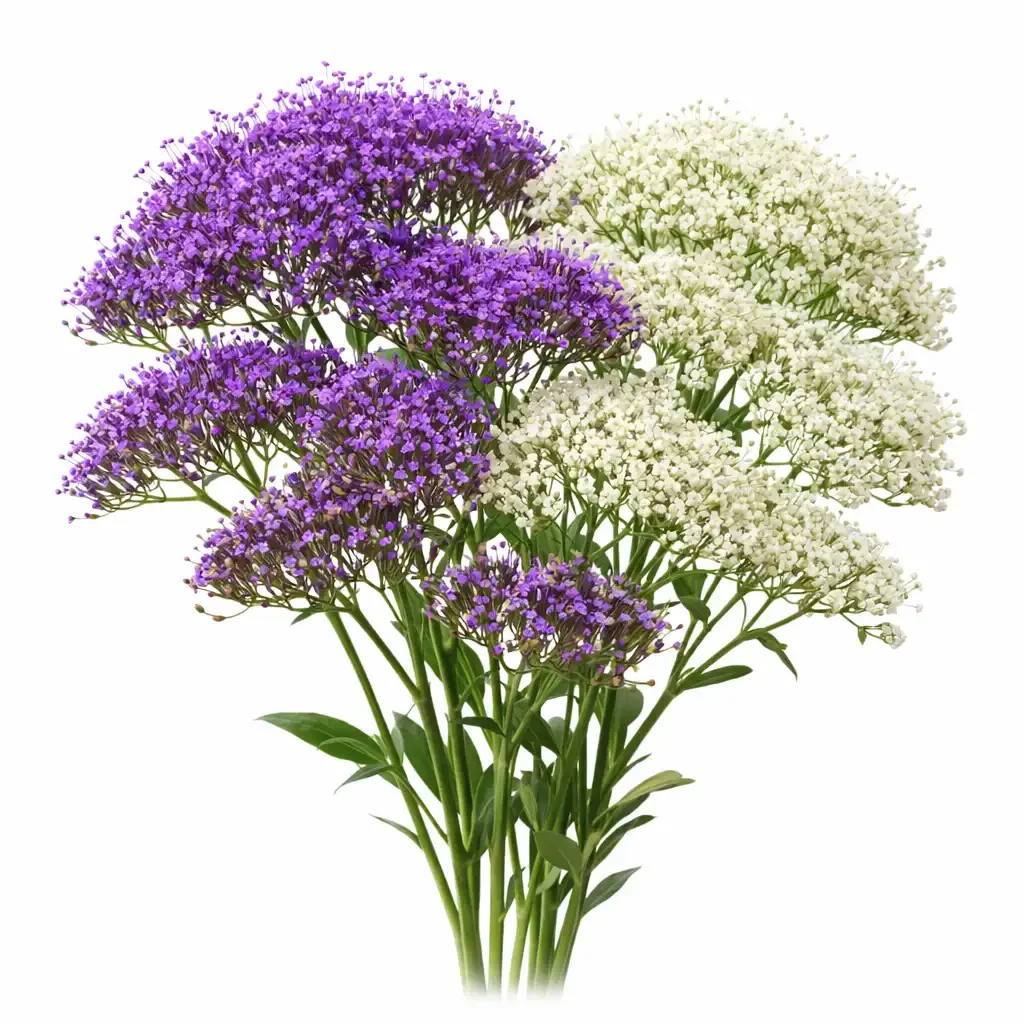
Quick Overview
Common Name: Trachelium, Throatwort, Blue Throatwort
Scientific Name: Trachelium caeruleum
Plant Type: Tender Perennial grown as Annual
USDA Zones: 8 to 11 as perennial, grown as annual in cooler zones
Sun Requirement: Full Sun to Partial Shade
Soil Type: Well-drained, moderately fertile
Bloom Season: Summer through Fall
Height: 24 to 36 inches
Pollinator Friendly: Yes
Edible: No
Why Grow Trachelium on a Homestead
Trachelium is one of the most valuable and versatile filler flowers available to cut flower growers and yet it remains surprisingly underutilized by small homestead operations. Its large, domed clusters of tiny flowers in deep purple, lavender, white, and pink create a rich, textural cloud effect in arrangements that florists find irresistible. It is a staple in the professional floral industry, appearing in wedding bouquets, event installations, and mixed arrangements around the world.
For homestead growers, Trachelium represents an opportunity to supply florists with a product they use constantly but rarely source locally. It is productive, relatively easy to grow, and performs exceptionally well as both a fresh cut flower and a dried flower. In mild winter climates within USDA zones 8 to 11 it can behave as a short-lived perennial, returning from established root systems where winters are mild enough to allow year round survival in the ground. In colder climates it is grown as an annual and replanted each season, still delivering excellent returns given its high florist demand and premium pricing.
Here is why Trachelium deserves a spot on your homestead:
It is a florist staple with consistent demand. Trachelium is used by professional florists constantly as a filler and texture flower in mixed arrangements and wedding work. Local supply is rare and highly valued.
It provides unique texture and depth. The large, domed clusters of tiny flowers create a rich, velvety texture that is unlike any other filler flower. It adds depth and complexity to arrangements that simpler fillers cannot match.
It has a long vase life. Trachelium regularly lasts 10 to 14 days as a fresh cut flower, making it extremely popular with florists who value longevity in the products they use.
It dries beautifully. Trachelium holds its color and dome-shaped form exceptionally well when dried, making it a valuable crop for the dried flower market as well.
It is productive and long blooming. With proper pinching and succession planting, Trachelium provides a continuous supply of harvestable stems from summer through fall.
Growing Conditions
Sunlight
Trachelium performs best in full sun but tolerates partial shade reasonably well. In full sun it produces the strongest stems and most abundant flowering. In partial shade with 4 to 6 hours of direct sun, it remains productive but stems may be slightly weaker and flower clusters somewhat smaller.
Soil
Trachelium prefers well-drained, moderately fertile soil. It does not perform well in waterlogged or compacted conditions. A loose, well-drained soil with a pH between 6.0 and 7.0 is ideal. Amend heavy clay soils with compost to improve drainage and soil structure before planting.
Water
Water regularly and consistently throughout the growing season. Trachelium needs consistent moisture to produce the strongest stems and largest flower clusters but does not tolerate waterlogged conditions. Water deeply once or twice a week and allow the soil to dry slightly between waterings. Avoid overhead watering to reduce the risk of fungal diseases.
Temperature
Trachelium prefers warm temperatures and performs exceptionally well in long, warm summers across a wide range of climates. It does not tolerate hard frost but can survive light frost in mild winter climates within USDA zones 8 to 11. In very hot conditions above 95 degrees Fahrenheit, providing light afternoon shade can help maintain quality during peak summer heat. In hot, humid climates ensure good air circulation and avoid overhead watering to reduce the risk of botrytis gray mold during the warmest and most humid periods of the growing season.
Planting Guide
Trachelium is best started from seed indoors well ahead of the outdoor planting season. Its tiny seeds require a long lead time and careful handling to produce transplant-ready seedlings.
Step 1: Start seeds indoors 10 to 12 weeks before the last frost date or before your target outdoor planting time. Trachelium seeds are extremely tiny and need light to germinate. Press seeds onto the surface of moist seed starting mix without covering them.
Step 2: Keep seed trays consistently moist and warm, ideally between 65 and 75 degrees Fahrenheit. Germination typically occurs within 14 to 21 days but can be slow and irregular.
Step 3: Provide bright light immediately after germination to prevent seedlings from becoming leggy. A grow light positioned close to seedlings is ideal.
Step 4: Once seedlings are large enough to handle, prick them out into individual small pots and grow on in a warm, bright location until they are robust enough for outdoor planting.
Step 5: After the last frost date when soil has warmed, transplant seedlings outdoors to a location with full sun and well-drained soil. Space plants 9 to 12 inches apart.
Step 6: Water thoroughly after transplanting and keep soil consistently moist until plants are well established.
Seed vs Transplant: Starting from seed is the most cost-effective approach for large plantings. Nursery transplants are sometimes available and give faster results but are less commonly found than seeds.
Spacing: 9 to 12 inches apart for cut flower production.
Planting Season: Start seeds indoors in late winter. Transplant outdoors after last frost in spring.
Maintenance
Pinching
Pinching the central growing tip when seedlings reach 8 to 10 inches tall is one of the most important steps for cut flower production. Pinching forces the plant to branch out and produce multiple flowering stems instead of a single central stem, dramatically increasing overall yield throughout the season.
Fertilizing
Apply a balanced fertilizer at planting and follow with regular light applications throughout the growing season to maintain productivity. Avoid excessive nitrogen which promotes lush foliage at the expense of flower cluster development. A balanced or slightly phosphorus-rich fertilizer encourages the largest, most fully developed flower domes.
Staking
Trachelium stems can become top-heavy when the large flower clusters are fully developed. In exposed locations or when growing tall varieties, light staking or the use of a horizontal support net helps keep stems upright and protects them from wind damage.
Pest Control
Trachelium is generally pest resistant. Aphids can occasionally appear on new growth and flower clusters. Treat with a strong spray of water or neem oil if populations become problematic. Whitefly can sometimes be an issue in greenhouse production but is less common in outdoor plantings.
Disease Prevention
Good air circulation and consistent but not excessive moisture are the most important disease prevention measures. Botrytis gray mold can be a problem in cool, humid conditions or when plants are overcrowded. Space plants properly, avoid overhead watering, and remove any affected plant material promptly.
Harvesting
When to Harvest
Harvest Trachelium when approximately half to three quarters of the tiny individual florets within the dome-shaped cluster are open. Clusters harvested at this stage have the longest vase life and continue to develop fully after cutting. Fully open clusters do not last as long after harvest. Harvest in the early morning when stems are fully hydrated and temperatures are cool.
How to Cut
Use clean, sharp scissors or pruners. Cut stems as long as possible, ideally 18 to 24 inches. Cut just above a set of leaves or a side branch to encourage new stem production. Place cut stems immediately into a bucket of cool water with a floral preservative.
Conditioning
Trachelium benefits from a conditioning period before use in arrangements. After cutting, place stems in deep cool water in a cool, dark location for several hours or overnight. This significantly improves vase life and stem strength.
Drying
To dry Trachelium, gather stems into small bundles and hang upside down in a warm, dry, well-ventilated space away from direct sunlight. The dome-shaped flower clusters dry beautifully and retain their rich color and form exceptionally well. Drying takes approximately 2 to 3 weeks.
Vase Life
Trachelium typically lasts 10 to 14 days as a fresh cut flower with proper conditioning and care. Strip all foliage below the waterline, recut stems at an angle, and place in fresh water with a floral preservative. Change water every few days to maximize longevity.
Uses on a Homestead
Cut Flower Use
Trachelium is primarily used as a filler and texture flower in mixed bouquets and arrangements. Its large, domed clusters add a rich, velvety depth and complexity to arrangements that simpler fillers cannot match. It pairs beautifully with roses, lisianthus, dahlias, and other round-headed focal flowers, providing a striking textural contrast.
Dried Flower Use
Trachelium is one of the best flowers for drying. Its dome-shaped clusters hold their color and form exceptionally well when dried, making it a valuable ingredient in dried wreaths, arrangements, and botanical craft products.
Wedding and Event Flowers
Trachelium is a staple in the wedding flower industry. Its rich purple and lavender tones are particularly popular for romantic and garden-style wedding designs. Florists use it constantly in bridal bouquets, boutonnieres, centerpieces, and large event installations.
Pollinator Garden
Trachelium attracts bees and butterflies throughout its long blooming season, contributing to the overall health and productivity of your homestead garden ecosystem.
Can You Make Money With Trachelium
Yes, Trachelium is a highly profitable crop for homestead flower operations, particularly for growers supplying florists and the wedding market.
Consistent florist demand. Trachelium is used by professional florists constantly and local supply is rare, making you a valued supplier to florists in your area.
Premium texture and vase life. Florists pay more for flowers with long vase life and distinctive texture. Trachelium delivers both.
Strong wedding market. Trachelium is a wedding florist favorite, particularly in purple and white. Establishing relationships with local wedding florists creates a reliable and profitable sales channel.
Dual market crop. Trachelium works equally well in the fresh flower market and the dried flower market, giving you two distinct income streams from a single planting.
Farmers Market: Fresh Trachelium bundles sell for 8 to 14 dollars per bunch depending on stem quality and color.
Florists and Wedding Designers: Trachelium is in consistent demand from florists. Supplying local florists directly is one of the most profitable sales channels for this crop.
Dried Flower Market: Dried Trachelium bundles and wreaths sell well at craft markets, holiday markets, and through online shops.
CSA Flower Subscriptions: Trachelium adds a distinctive, professional quality to weekly flower subscription boxes and helps differentiate your subscription from competitors.
Companion Plants
Trachelium grows well alongside many other summer cut flowers with similar growing requirements.
Lisianthus: Both are premium filler and focal flowers that thrive in similar warm conditions and complement each other beautifully in high-end bouquets. Roses: Trachelium's textured domes provide a striking contrast to the classic round form of rose blooms. A natural and highly marketable pairing. Dahlias: Both bloom in summer through fall and complement each other in bold, colorful mixed arrangements. Scabiosa: Both are airy, textured flowers with similar growing requirements that pair naturally in mixed bouquets. Veronica: Both provide structural elements in arrangements and grow well together in the cutting garden. Celosia: Shares similar heat and sun requirements and complements Trachelium in bold, textured summer arrangements.
Common Problems
Slow or Uneven Germination
Trachelium seeds are tiny and can be slow and irregular in germinating. Keep seed trays consistently warm and moist and be patient. Do not cover seeds as they need light to germinate. Germination can take up to 3 weeks.
Botrytis Gray Mold
Can affect flower clusters in cool, humid conditions or when plants are overcrowded. Improve air circulation, avoid overhead watering, and remove affected material immediately. Good spacing and well-drained soil are the best preventive measures.
Aphids
Occasionally appear on new growth and within flower clusters. Usually manageable with a strong spray of water. Neem oil or insecticidal soap can be used if populations become problematic.
Floppy Stems
Can occur when plants are grown in insufficient sun, overly rich soil, or without adequate support. Grow in full sun, avoid excessive nitrogen fertilization, and provide light staking or support netting for tall varieties.
Whitefly
Can occasionally be a problem, particularly in warm, sheltered conditions. Yellow sticky traps help monitor and reduce populations. Neem oil or insecticidal soap can be used for treatment if needed.
Varieties to Consider
Lake Series: One of the most widely grown Trachelium series for cut flower production. Available in deep purple, lavender, white, and pink. Strong stems, large flower domes, and excellent vase life. A reliable choice for commercial cut flower production.
Devotion Purple: A rich, deep purple variety with large flower clusters on strong stems. Very popular with florists and wedding designers for its dramatic color.
Devotion White: Clean white flower clusters that are extremely versatile in mixed arrangements. A florist favorite for wedding work and mixed bouquets.
Blue Wonder: A classic blue-purple variety with good stem length and reliable performance. One of the most widely available Trachelium varieties for home and small farm growers.
Pink Panda: Soft pink flower clusters that are popular for romantic and feminine floral designs. Less common than purple and white varieties, giving it a niche market appeal.
Final Thoughts
Trachelium is one of the most rewarding and commercially valuable filler flowers a homestead grower can add to their cut flower operation. Its rich, velvety flower domes, exceptional vase life, and consistent demand from florists and wedding designers make it a premium product that earns its place in the cutting garden season after season. For homestead growers looking to build strong relationships with local florists and establish a reputation for growing something genuinely special, Trachelium is one of the smartest investments you can make. Grow it well, supply it consistently, and it will become one of the most profitable crops on your homestead.
FAQ
Is Trachelium easy to grow from seed? Trachelium can be grown from seed but requires patience. The seeds are tiny, need light to germinate, and can take up to 3 weeks to emerge. Starting seeds indoors 10 to 12 weeks before outdoor planting time and maintaining consistent warmth and moisture gives the best germination results.
How long does Trachelium last in a vase? With proper conditioning and care, Trachelium typically lasts 10 to 14 days in a vase, making it one of the longer lasting filler flowers available.
Can Trachelium grow as a perennial? In mild winter climates within USDA zones 8 to 11, Trachelium can sometimes overwinter and return in spring as a short-lived perennial. In most cases however it is grown as an annual and replanted each season for the most reliable and productive results. In colder climates outside USDA zones 8 to 11, it is always grown as an annual with consistent and reliable results when started fresh each season.
What colors does Trachelium come in? Trachelium is available in deep purple, lavender, white, and pink. Purple and lavender are the most commonly grown and widely available colors. White is extremely popular for wedding work. Pink varieties are less common and can command premium prices for their rarity.
Does Trachelium dry well? Yes, Trachelium is one of the best flowers for drying. Its dome-shaped flower clusters hold their color and form exceptionally well when dried, making it a valuable ingredient in dried wreaths, arrangements, and botanical craft products.