
Tuberose
Quick Overview
Common Name: Tuberose
Scientific Name: Polianthes tuberosa
Plant Type: Tender Perennial Bulb
USDA Zones: 8 to 11 as perennial, grown as annual in cooler zones
Sun Requirement: Full Sun
Soil Type: Well-drained, moderately fertile
Bloom Season: Mid Summer through Fall
Height: 24 to 42 inches
Pollinator Friendly: Yes
Edible: No
Why Grow Tuberose on a Homestead
Tuberose is one of the most intensely fragrant flowers in the world. Its rich, sweet, almost intoxicating scent is legendary in the perfume industry and equally beloved by florists, wedding designers, and customers at farmers markets. A single stem of Tuberose can fill an entire room with fragrance, and that quality alone makes it one of the most memorable and marketable cut flowers you can grow on a homestead.
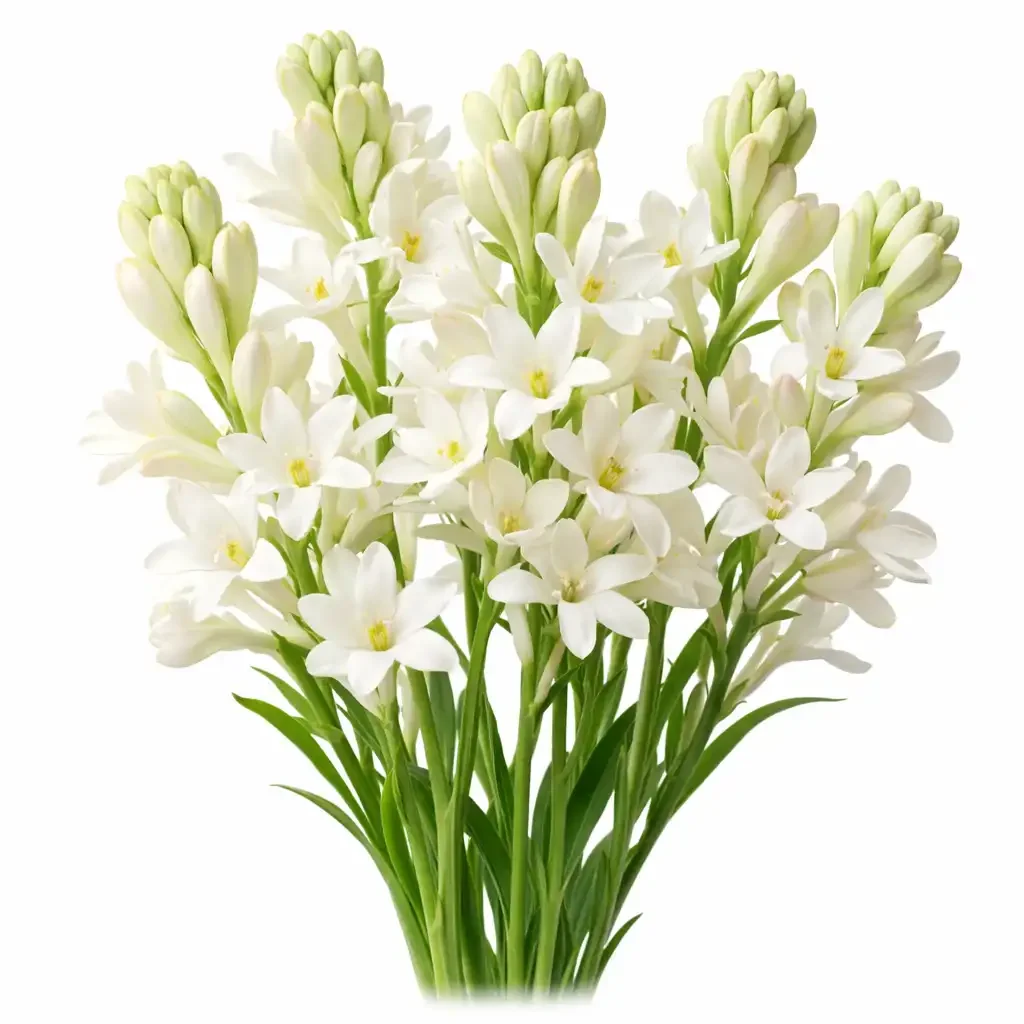
Beyond its extraordinary fragrance, Tuberose produces tall, elegant spikes of creamy white flowers that are stunning in arrangements and have an excellent vase life. It is a staple in the wedding flower industry, particularly for bouquets and table arrangements where fragrance is as important as visual beauty. For homestead growers in warm climates within USDA zones 8 to 11, Tuberose is an ideal crop that thrives in heat, grows reliably from bulbs, and delivers a premium product that commands strong prices at market and from florists.
Here is why Tuberose deserves a spot on your homestead:
It is one of the most fragrant cut flowers in the world. The intense, sweet fragrance of Tuberose is unmatched by almost any other cut flower. Fragrant flowers are always in high demand at farmers markets, from florists, and for wedding work.
It is a premium cut flower with strong market demand. Tuberose is widely used by florists and wedding designers and is not commonly grown by small homestead operations, giving you a niche market advantage.
It thrives in warm climates. Tuberose loves heat and performs exceptionally well in warm climates within USDA zones 8 to 11, making it a natural fit for homesteads in mild winter areas.
It behaves as a perennial in warm climates. In USDA zones 8 to 11, Tuberose bulbs can be left in the ground year round and will return each season, reducing replanting costs over time.
It has an excellent vase life. Tuberose stems typically last 7 to 14 days in a vase, making it a reliable and valued product for florists and event designers.
Growing Conditions
Sunlight
Tuberose requires full sun to perform its best. It needs at least 6 to 8 hours of direct sunlight per day. In partial shade it will produce weak stems, reduced fragrance, and significantly fewer blooms. Full sun is essential for the strong growth and abundant flowering that makes Tuberose a worthwhile cut flower crop.
Soil
Tuberose prefers well-drained, moderately fertile soil. It does not perform well in waterlogged or overly compacted soil. A loose, well-drained soil with a pH between 6.5 and 7.5 is ideal. Amend heavy clay soils with compost and coarse sand to improve drainage and aeration before planting.
Water
Water regularly and consistently throughout the growing season. Tuberose needs more moisture than many other bulb crops and benefits from consistent soil moisture during active growth. However it does not tolerate waterlogged conditions. Water deeply once or twice a week during the growing season and reduce watering significantly once foliage begins to die back in fall.
Temperature
Tuberose is a heat-loving plant that thrives in warm temperatures. It does not tolerate frost and should not be planted outdoors until soil has warmed to at least 60 degrees Fahrenheit. In USDA zones 8 to 11 the warm climate is ideal for Tuberose production and bulbs can often be left in the ground year round in frost-free areas. In colder climates outside of USDA zones 8 to 11, dig bulbs after the first frost, dry them, and store in a cool dry location over winter for replanting the following spring.
Planting Guide
Tuberose is grown from small bulbs called tubers or pips. Larger, more mature bulbs with multiple offsets produce the strongest plants and the most flowers in the first season.
Step 1: Wait until after your last frost date and soil has warmed to at least 60 degrees Fahrenheit. In USDA zones 8 to 11 this is typically early spring. In colder climates wait until soil has reliably warmed before planting.
Step 2: Choose a location with full sun and well-drained soil. Prepare the bed by loosening soil to a depth of 12 inches and amending with compost if needed.
Step 3: Plant bulbs 2 to 3 inches deep and 6 to 8 inches apart for cut flower production. Plant with the pointed growing tip facing up.
Step 4: Water thoroughly after planting. Keep soil consistently moist but not waterlogged as the plant establishes.
Step 5: Expect a long wait before blooming. Tuberose typically takes 90 to 120 days from planting to first bloom, so timing your planting for the desired harvest window is important.
Step 6: In USDA zones 8 to 11, bulbs can be left in the ground after the foliage dies back in fall. They will multiply over time and return each spring. In cooler climates outside USDA zones 8 to 11, dig bulbs after the first frost, dry them, and store in a cool dry location over winter.
Seed vs Bulb: Always grow Tuberose from bulbs. Growing from seed is impractical for cut flower production.
Spacing: 6 to 8 inches apart for cut flowers.
Planting Season: Spring after last frost when soil has warmed to at least 60 degrees Fahrenheit.
Maintenance
Fertilizing
Tuberose is a moderate feeder and benefits from regular fertilization throughout the growing season. Apply a balanced fertilizer at planting and follow with monthly applications of a low nitrogen, high phosphorus fertilizer to encourage flower development. Avoid excessive nitrogen which promotes lush foliage at the expense of flowering spikes.
Staking
Tall Tuberose spikes can become top-heavy as flowers open and may need staking in windy locations or in areas where stems grow exceptionally tall. Use bamboo stakes and soft ties to support stems without damaging them.
Dividing
Tuberose bulbs multiply over time, producing offsets around the mother bulb. In warm climates where bulbs are left in the ground, divide clumps every 2 to 3 years in early spring before new growth begins. Separate offsets from the mother bulb and replant at the correct spacing to maintain productivity.
Pest Control
Tuberose is generally pest resistant. Spider mites can be a problem in hot, dry conditions. Aphids occasionally appear on new growth. Treat both with neem oil or insecticidal soap if populations become problematic.
Disease Prevention
Good drainage and air circulation prevent most disease problems. Fusarium basal rot is the most serious disease threat and is almost always associated with poorly drained soil or damaged bulbs. Plant in well-drained soil, handle bulbs carefully to avoid damage, and discard any bulbs that show signs of rot before planting.
Harvesting
When to Harvest
Harvest Tuberose spikes when the bottom two to four florets on the spike are open and the remaining buds are showing color and beginning to swell. The remaining buds will continue to open progressively up the spike over the following days, giving the stem a long and evolving display in the vase. Harvest in the early morning when stems are fully hydrated and temperatures are cool.
How to Cut
Use clean, sharp pruners or a sharp knife. Cut stems as close to the base of the plant as possible to maximize stem length. Tuberose stems can reach 24 to 36 inches in length, and longer stems command higher prices from florists. Place cut stems immediately into a bucket of cool water with a floral preservative.
How Often to Harvest
Each Tuberose plant typically produces one primary flowering spike per season. In established clumps with multiple bulbs, secondary spikes may develop from offsets, extending the harvest window. Plan your planting volume accordingly to ensure an adequate supply of stems throughout your target selling season.
Vase Life
Tuberose typically lasts 7 to 14 days as a fresh cut flower with proper care. Strip all foliage below the waterline, recut stems at an angle, and place in fresh water with a floral preservative. The fragrance intensifies as more florets open up the spike, making the stem more and more impressive over its vase life.
Uses on a Homestead
Cut Flower Use
Tuberose is primarily grown as a fragrant cut flower. Its tall, elegant spikes of creamy white flowers add height, elegance, and extraordinary fragrance to mixed bouquets and arrangements. Even a single stem adds a level of luxury and sensory richness to a bouquet that customers immediately notice and respond to.
Wedding and Event Flowers
Tuberose is one of the most popular flowers for weddings, particularly for fragrant bridal bouquets, boutonnieres, and table arrangements. Its intense fragrance and elegant white form make it a natural choice for romantic and classic wedding designs. Wedding florists pay premium prices for quality Tuberose stems and a reliable local source is highly valued.
Perfume and Essential Oil
Tuberose is one of the most important flowers in the perfume industry. While commercial extraction requires specialized equipment, homesteaders interested in natural perfumery and botanical products may find Tuberose a valuable crop for small-scale fragrance work.
Fragrance at the Farm Stand
A bucket of fresh Tuberose at a farmers market stand or farm stand creates an extraordinary sensory experience that draws customers from a distance. The fragrance alone generates significant interest and sales.
Can You Make Money With Tuberose
Yes, Tuberose is one of the most profitable fragrant cut flower crops available to homestead growers, particularly in warm climates within USDA zones 8 to 11 where it can be grown as a perennial.
Premium fragrance commands premium prices. Intensely fragrant flowers are among the most valued products in the cut flower market. Tuberose is at the top of that category.
Strong wedding market demand. Tuberose is a staple in the wedding flower industry and wedding florists pay well for quality local stems, particularly during the summer and fall wedding season.
Perennial advantage in warm climates. In USDA zones 8 to 11, Tuberose bulbs multiply over time in the ground, giving you an expanding supply of stems each season with minimal replanting cost. In colder climates where bulbs must be dug and stored each winter, the annual replanting investment is still well justified by the premium per-stem pricing Tuberose commands.
Not widely grown by small farms. Tuberose is underutilized by homestead growers, giving you a niche market advantage and the ability to be a primary local source for florists in your area.
Farmers Market: Fresh Tuberose stems sell for 3 to 6 dollars per stem or 15 to 25 dollars per bunch depending on stem length and quality.
Florists and Wedding Designers: Tuberose is in consistent demand from florists for fragrant arrangements and wedding work. A reliable local supply relationship with wedding florists can be extremely profitable.
CSA Flower Subscriptions: A few stems of Tuberose added to a weekly flower subscription box instantly elevate the perceived value of the subscription and justify premium pricing.
Fragrance Products: Dried Tuberose flowers and petals can be incorporated into potpourri, sachets, and small-scale natural fragrance products for an additional income stream.
Companion Plants
Tuberose grows well alongside other warm season bulbs and heat-loving flowers with similar growing requirements.
Dahlias: Both are warm season bulb crops that bloom in summer through fall and complement each other beautifully in arrangements.
Gladiolus: Both produce tall flower spikes and thrive in similar warm, sunny conditions. A natural pairing for summer cut flower production.
Zinnias: Grow well in similar heat and sun conditions and provide colorful companions for Tuberose in mixed summer bouquets.
Lilies: Both are fragrant summer bulbs that pair beautifully in arrangements and have similar growing requirements.
Celosia: A heat-loving annual that grows well alongside Tuberose and adds bold texture and color to mixed summer arrangements.
Lisianthus: Both are premium cut flowers that thrive in warm conditions and complement each other beautifully in high-end bouquets and wedding work.
Common Problems
Failure to Bloom
The most common problem with Tuberose. Usually caused by planting too early in cold soil, insufficient heat during the growing season, immature or undersized bulbs, or overcrowded clumps that need dividing. Ensure soil is warm before planting, use large mature bulbs, and divide established clumps every 2 to 3 years.
Fusarium Basal Rot
A serious fungal disease that causes rotting at the base of the bulb and yellowing, wilting foliage. Caused by poorly drained soil or damaged bulbs. Plant in well-drained soil, handle bulbs carefully, and discard any bulbs showing signs of rot before planting. There is no cure once a plant is infected.
Spider Mites
Can be a problem in hot, dry conditions. Look for fine webbing on stems and leaves and a pale, stippled appearance on foliage. Treat with neem oil and increase humidity around plants if possible.
Aphids
Occasionally appear on new growth and flower buds. Usually manageable with a strong spray of water. Neem oil or insecticidal soap can be used if populations become problematic.
Slow or Uneven Emergence
Tuberose can be slow to emerge from the ground after planting, sometimes taking 3 to 4 weeks before shoots appear. Cold soil is the most common cause. Be patient and ensure soil has warmed adequately before expecting growth. Do not overwater while waiting for emergence as this can cause bulb rot.
Varieties to Consider
The Pearl: The most widely grown double-flowered Tuberose variety. Pure white, heavily doubled flowers with an intense fragrance. The standard for cut flower production and the most popular with florists and wedding designers.
Single Mexican Tuberose: The single-flowered species form. More open, star-shaped flowers than the double form. Slightly less full than The Pearl but equally fragrant and very popular for a more natural, garden-style aesthetic.
Pink Sapphire: A pink-tinged variety with soft blush-pink florets. Very popular with wedding florists working with romantic and feminine color palettes.
Yellow Tuberose: A rare yellow-flowered form that is extremely sought after by florists and commands premium prices due to its rarity.
Dwarf Tuberose: A more compact variety reaching 18 to 24 inches. Better suited to windy locations or container growing where taller varieties might struggle.
Final Thoughts
Tuberose is one of the most luxurious and sensory-rich flowers you can grow on a homestead. Its extraordinary fragrance, elegant white spikes, and strong demand from florists and wedding designers make it a premium product that commands prices well above most common cut flowers. In USDA zones 8 to 11 where it can be grown as a perennial with bulbs multiplying in the ground year after year, the long-term return on investment is exceptional. In colder climates where bulbs must be lifted and stored each winter, the annual investment in bulb management is still well justified by the premium pricing and strong market demand that Tuberose consistently delivers. If you are building a homestead flower operation focused on premium, high-value products that stand out from the competition, Tuberose belongs in your cutting garden without question.
FAQ
How long does Tuberose take to bloom after planting? Tuberose typically takes 90 to 120 days from planting to first bloom. Timing your planting date based on your target harvest window is important, particularly for wedding and event bookings.
Does Tuberose come back every year? In USDA zones 8 to 11, Tuberose is reliably perennial in frost-free areas. Bulbs left in the ground will multiply over time and return each spring, giving you an expanding supply of stems each season. In colder climates outside USDA zones 8 to 11, bulbs must be dug after the first frost, dried, and stored in a cool dry location for replanting the following spring.
Why does my Tuberose not bloom? The most common causes are cold soil at planting time, immature or undersized bulbs, overcrowded clumps that need dividing, or insufficient heat during the growing season. Use large, mature bulbs, ensure soil is warm before planting, and divide established clumps every 2 to 3 years.
How do I maximize stem length for cut flower production? Cut stems as close to the base of the plant as possible. Longer stems command higher prices from florists. Ensuring adequate spacing, full sun, and consistent moisture throughout the growing season also helps produce the longest, strongest stems.
Is Tuberose fragrance stronger at certain times of day? Yes, Tuberose fragrance is generally most intense in the evening and at night. This is a characteristic of many moth-pollinated flowers that release their fragrance to attract nocturnal pollinators. The fragrance is still present and strong during the day but reaches its peak intensity after sunset.