
Waxflower
Quick Overview
Common Name: Waxflower
Scientific Name: Chamelaucium uncinatum
Plant Type: Perennial Shrub
USDA Zones: 9 to 11
Sun Requirement: Full Sun
Soil Type: Well-drained, sandy, low fertility
Bloom Season: Late Winter through Spring
Height: 3 to 8 feet
Pollinator Friendly: Yes
Edible: No
Why Grow Waxflower on a Homestead
Waxflower is one of the most commercially valuable cut flowers in the world and yet it remains surprisingly underutilized by small homestead growers. It is a staple in the wholesale flower industry, appearing in bouquets and arrangements in florist shops around the world, and for good reason. Its tiny, delicate blooms, long vase life, and sweet fragrance make it one of the most sought after filler flowers available.
Originally from Western Australia, Waxflower thrives in conditions of full sun, excellent drainage, low humidity, and mild winters. For homesteaders in warm, dry climates within USDA zones 9 to 11, Waxflower is one of the smartest crops you can add to your flower operation.
Here is why Waxflower deserves a spot on your homestead:
It has an exceptional vase life. Waxflower regularly lasts 2 to 3 weeks in a vase, which makes it extremely popular with florists who value longevity in the flowers they use.
It is a top selling filler flower. Florists use Waxflower constantly as a filler in bouquets, wedding arrangements, and event work. Demand is consistent and strong year round.
It blooms in late winter and early spring. This is a time when very few other cut flowers are available, giving you a significant market advantage and the ability to sell premium stems when competition is low.
It is a perennial shrub. Once established, Waxflower comes back year after year and requires relatively little maintenance.
It thrives in warm, dry climates. The combination of full sun, low humidity, excellent drainage, and mild winters found in USDA zones 9 to 11 creates nearly ideal conditions for Waxflower production, making it a natural fit for homesteads in those regions.
Growing Conditions
Sunlight
Waxflower requires full sun. It needs at least 6 to 8 hours of direct sunlight per day. In partial shade it will produce weak growth and significantly fewer blooms.
Soil
Waxflower is extremely particular about soil drainage. It must have fast-draining, sandy or gravelly soil with low fertility. It is native to sandy soils in Western Australia and replicating those conditions is the key to success. Avoid clay soils, rich amended beds, and any location where water pools after rain. Soil pH between 6.0 and 7.0 is ideal.
Water
Waxflower is drought tolerant once established and actually suffers in overly wet conditions. Water new plantings regularly until established, then reduce watering significantly. In USDA zones 9 to 11, established plants often need little to no supplemental irrigation during the cooler months and only occasional deep watering during dry summer periods. In more humid climates, take extra care to ensure excellent drainage and avoid overwatering as Waxflower is far more likely to fail from excess moisture than from drought.
Temperature
Waxflower prefers mild temperatures and does not tolerate hard freezes. It is best suited to USDA zones 9 to 11 where winters are mild and frost is light or infrequent. It blooms in late winter and early spring when temperatures are cool and mild, which is one of the reasons it is so valuable as a cut flower crop during a time when little else is blooming. In climates with cold winters below USDA zone 9, Waxflower is best grown in containers that can be moved to a protected location during freezing temperatures.
Planting Guide
Waxflower is best planted from nursery transplants or rooted cuttings. Growing from seed is slow and results are variable. Transplants give the most reliable and fastest path to a productive plant.
Step 1: Choose a location with full sun and excellent drainage. If your soil is heavy or clay-based, build raised beds or mounded rows with added sand and gravel to improve drainage.
Step 2: Dig a hole twice as wide and as deep as the root ball. Do not add compost or fertilizer to the planting hole as Waxflower prefers lean soil.
Step 3: Plant the shrub at the same depth it was growing in its container. Backfill with native soil and water thoroughly.
Step 4: Mulch lightly around the base of the plant to conserve moisture but keep mulch away from the stem to prevent rot.
Step 5: Water regularly for the first growing season to help the plant establish. After that, reduce watering significantly.
Step 6: Expect the first significant harvest in year 2 to 3 as the plant matures and fills out.
Seed vs Transplant: Always use transplants or rooted cuttings. Growing from seed is not practical for cut flower production.
Spacing: 4 to 6 feet apart to allow for mature shrub size and air circulation.
Planting Season: Fall or early spring in USDA zones 9 to 11. In colder climates where Waxflower is grown in containers, plant after the last frost date when temperatures have reliably warmed.
Maintenance
Pruning
Pruning is essential for keeping Waxflower productive and well-shaped. After the main bloom period in spring, cut stems back by about one third to encourage bushy new growth and set up next year's flowering. Harvesting stems regularly during bloom season also serves as light pruning and keeps the plant productive.
Fertilizing
Waxflower is very sensitive to phosphorus. Do not use fertilizers that contain phosphorus as it can kill the plant. If fertilizing is needed, use a low phosphorus fertilizer formulated for Australian native plants. In most cases, no fertilizing is needed at all if the soil is adequately lean.
Pest Control
Waxflower is generally pest resistant. Root rot caused by poor drainage is a far greater threat than insect pests. Aphids and scale insects can occasionally appear and can be treated with neem oil or horticultural oil if needed.
Disease Prevention
Good drainage and air circulation are the most important disease prevention measures for Waxflower. Phytophthora root rot is the most serious disease threat and is almost always caused by waterlogged soil. Plant in well-drained soil, avoid overwatering, and never let water pool around the base of the plant.
Harvesting
When to Harvest
Harvest Waxflower when approximately half to three quarters of the tiny blooms on each stem are open. Stems harvested too early may not continue to open properly after cutting. Harvest in the early morning when stems are fully hydrated and temperatures are cool.
How to Cut
Use clean, sharp pruners. Cut stems 12 to 18 inches long, selecting stems with good bloom coverage along the length of the branch. Place cut stems immediately into a bucket of cool water with a floral preservative.
How Often to Harvest
During peak bloom in late winter and spring, harvest every few days. Regular harvesting encourages the plant to continue producing new growth and sets up a stronger plant for the following season.
Drying
Waxflower dries reasonably well. Hang bundles upside down in a warm, dry, well-ventilated space. The tiny blooms shrink slightly when dried but retain much of their color and the overall stem remains attractive for use in dried arrangements.
Vase Life
Waxflower has one of the longest vase lives of any cut flower, typically lasting 2 to 3 weeks with proper care. Strip all foliage below the waterline, recut stems at an angle, and place in fresh water with a floral preservative. Change water every few days to maximize longevity.
Uses on a Homestead
Cut Flower Use
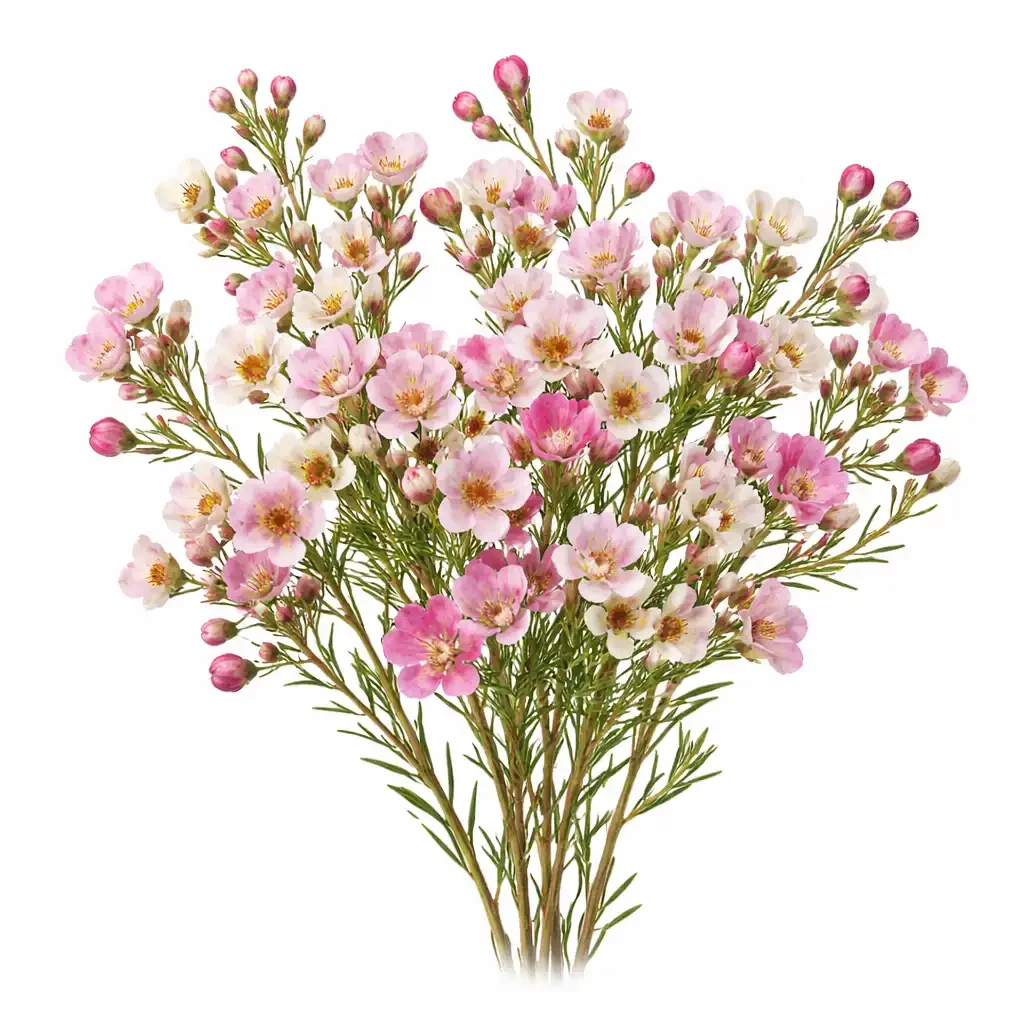
Waxflower is primarily used as a filler flower in mixed bouquets and floral arrangements. Its tiny star-shaped blooms and fine, feathery foliage add a delicate texture and sweet fragrance that complements virtually any other flower. It is one of the most versatile filler flowers available and works equally well in casual farmers market bouquets and high-end wedding arrangements.
Dried Flower Use
Waxflower can be dried and used in dried arrangements, wreaths, and potpourri. While it is most valued as a fresh cut flower, its dried form retains enough character to be useful in everlasting arrangements.
Fragrance
The sweet, honey-like fragrance of Waxflower is one of its most appealing qualities. A bucket of fresh Waxflower at a farmers market stand fills the surrounding area with fragrance that draws customers in.
Pollinator Support
Waxflower is an excellent early season pollinator plant. Its blooms appear in late winter and early spring when few other plants are flowering, providing a valuable nectar source for bees at a critical time of year.
Can You Make Money With Waxflower
Yes, Waxflower is one of the most commercially valuable cut flower crops available to small homestead growers, particularly in warm, dry climates within USDA zones 9 to 11 where it can be grown as a productive perennial shrub with minimal ongoing input.
Consistent florist demand. Waxflower is used by florists constantly and is one of the most reliably purchased filler flowers in the wholesale market.
Premium vase life. Florists pay more for flowers with long vase life. Waxflower at 2 to 3 weeks in the vase is among the best available.
Winter and spring bloom. Blooming when little else is available gives you a significant pricing advantage and makes you a valued supplier to local florists.
Low ongoing input costs. As a drought tolerant perennial shrub, Waxflower requires very little water, fertilizer, or labor once established.
Multiple income streams. Fresh bouquets, florist supply, dried arrangements, and wedding work all provide strong markets for Waxflower.
Farmers Market: Fresh Waxflower bundles sell for 8 to 15 dollars per bunch depending on stem quality and color.
Florists and Wholesalers: Waxflower is in constant demand from florists. Establishing a reliable local supply relationship with florists is one of the most profitable uses of a Waxflower crop.
Wedding and Event Flowers: Waxflower is extremely popular in wedding bouquets, boutonnieres, and table arrangements. Its delicate texture and long vase life make it a wedding florist favorite.
Dried Flower Market: Dried Waxflower bundles sell well at craft markets and through online shops.
Companion Plants
Waxflower grows well alongside other drought tolerant, well-drained soil plants with similar care requirements.
Lavender: Both prefer lean, well-drained soil and full sun. A natural pairing in both the garden and the bouquet. Rosemary: Similar cultural requirements and a good neighbor in a Mediterranean-style cutting garden. Leucadendron: Another Australian and South African native that thrives in similar conditions and pairs beautifully with Waxflower in arrangements. Protea: Shares similar growing requirements and creates a stunning combination in bouquets and arrangements. Yarrow: Both prefer lean soil and full sun and complement each other in mixed arrangements. Statice: Thrives in similar conditions and pairs well with Waxflower in both fresh and dried arrangements.
Common Problems
Root Rot
The most serious and common problem with Waxflower. Caused by poorly drained or waterlogged soil. Plant in fast-draining soil, build raised beds if necessary, and never overwater. Once root rot sets in it is very difficult to reverse.
Phosphorus Toxicity
Waxflower is extremely sensitive to phosphorus and can be killed by fertilizers containing it. Never use standard garden fertilizers on Waxflower. Use only fertilizers formulated for Australian native plants or avoid fertilizing altogether.
Failure to Bloom
Usually caused by insufficient sun, overwatering, or overly rich soil. Ensure full sun, excellent drainage, and lean soil. Avoid high nitrogen fertilizers that promote foliage over flowers.
Scale Insects
Can appear on stems and reduce plant vigor. Treat with horticultural oil in early spring before new growth begins.
Wind Damage
Waxflower stems can be brittle and susceptible to wind damage. In exposed locations, provide some wind protection or choose a sheltered planting site.
Varieties to Consider
Alba: White flowered Waxflower. Clean, elegant, and extremely popular with florists and wedding designers. One of the most widely grown commercial varieties.
University: A classic purple-pink variety widely used in the cut flower industry. Strong stems and reliable performance.
Bundara Excell: A commercial variety bred specifically for cut flower production with longer stems and excellent bloom coverage.
Cascade: A weeping or trailing form with very long, flexible stems. Popular for cascading wedding bouquets and large event installations.
Dancing Queen: White blooms with a pink center. Very popular with wedding florists.
Paddy's Pink: Soft pink blooms on strong stems. A reliable performer and a florist favorite.
Final Thoughts
For homesteaders in warm, dry climates within USDA zones 9 to 11, Waxflower is one of the most strategically valuable crops you can add to your flower operation. It blooms when little else does, lasts longer in the vase than almost any other cut flower, and is in constant demand from florists and wedding designers. The key to success with Waxflower is getting the growing conditions right from the start, particularly soil drainage and avoiding phosphorus fertilizers. Get those two things right and Waxflower will reward you with years of beautiful, fragrant, highly marketable blooms every late winter and spring.
FAQ
Why is my Waxflower not blooming? The most common causes are insufficient sun, overwatering, overly rich soil, or a plant that has not yet fully matured. Ensure full sun, excellent drainage, lean soil, and be patient with young plants in their first year or two.
Is Waxflower well suited to warm, dry climates? Yes, warm dry climates within USDA zones 9 to 11 are nearly ideal for Waxflower production. The combination of mild winters, low humidity, and naturally well-drained soils in these regions closely matches the conditions Waxflower evolved in. Growers in these zones have a significant production advantage over those in colder or more humid regions.
How long does Waxflower last in a vase? With proper care, Waxflower typically lasts 2 to 3 weeks in a vase, making it one of the longest lasting cut flowers available.
Can Waxflower survive frost? Waxflower can tolerate light frost but is damaged by hard freezes. It is best suited to USDA zones 9 to 11. In colder climates it can be grown in containers and brought indoors during winter.
Why should I avoid phosphorus fertilizers with Waxflower? Waxflower is native to phosphorus-poor soils in Western Australia and has evolved without the ability to process high levels of phosphorus. Fertilizers containing phosphorus can cause toxic buildup in the plant and lead to its death. Always use phosphorus-free fertilizers or avoid fertilizing altogether.