
Wisteria
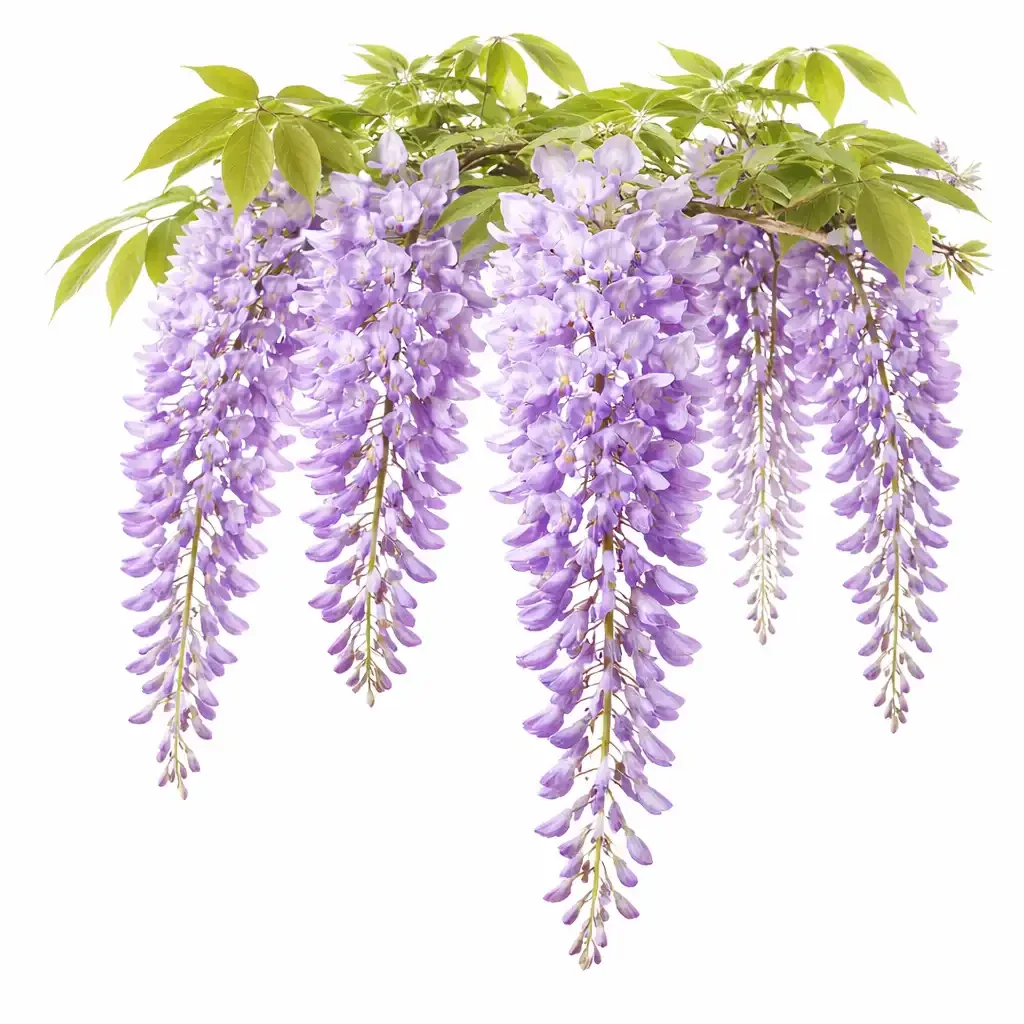
Quick Overview
Common Name: Wisteria
Scientific Name: Wisteria sinensis, Wisteria floribunda
Plant Type: Perennial Vine
USDA Zones: 4 to 9
Sun Requirement: Full Sun to Partial Shade
Soil Type: Well-drained, moderately fertile
Bloom Season: Spring
Height: 10 to 30 feet as a vine
Pollinator Friendly: Yes
Edible: No, toxic if ingested
Why Grow Wisteria on a Homestead
Wisteria is one of the most dramatic and beautiful flowering vines you can grow on a homestead. Its long, cascading clusters of blooms in purple, blue, white, or pink fill the air with an intoxicating fragrance every spring and create a visual display that stops people in their tracks.
While Wisteria is not a traditional cut flower crop in the same way as zinnias or yarrow, it has real value on a homestead as a specialty cut flower, a landscape feature that attracts premium attention, and a powerful pollinator plant. Florists and event designers actively seek out Wisteria blooms during its short spring season, and a well-established vine can produce an abundance of long, elegant flower clusters that command premium prices.
Here is why Wisteria deserves a place on your homestead:
It is a showstopper. Few flowering plants create the kind of visual impact that Wisteria does in full bloom. A homestead with Wisteria in flower is instantly memorable and marketable.
It is a specialty cut flower. Wisteria blooms are highly sought after by florists and wedding designers during their short spring season. The long draping flower clusters are unlike anything else available at that time of year.
It is extremely fragrant. The sweet, rich fragrance of Wisteria is one of its most valued qualities. Fragrant flowers are always in demand at farmers markets and for event work.
It is a perennial investment. Wisteria takes a few years to establish but once mature it blooms reliably every spring with minimal care and can live for decades.
It supports pollinators. Wisteria is an important early season nectar source for bees and other pollinators at a time when not many other plants are in bloom.
Growing Conditions
Sunlight
Wisteria blooms best in full sun. It needs at least 6 hours of direct sunlight per day to produce abundant flowers. In partial shade it will grow vigorously but produce significantly fewer blooms.
Soil
Wisteria is adaptable to a range of soil types but prefers well-drained, moderately fertile soil. Avoid overly rich soil as too much nitrogen encourages lush vine growth at the expense of flowers. Soil pH between 6.0 and 7.0 is ideal.
Water
Water regularly during the first few years while the plant is establishing. Once mature, Wisteria is fairly drought tolerant. During dry spells, deep watering once a week is sufficient. Avoid waterlogged conditions as Wisteria does not tolerate wet feet.
Temperature
Wisteria is cold hardy in USDA zones 4 to 9. It blooms in spring and the flower buds can be damaged by late frosts. In mild winter climates with limited chilling hours, blooming can sometimes be reduced as Wisteria benefits from a period of winter cold to set flower buds reliably. In cold climates like Tennessee and Arkansas, Wisteria receives adequate winter chilling naturally and typically blooms reliably each spring. Choosing varieties suited to your specific climate is important. American Wisteria and Kentucky Wisteria varieties are better adapted to a wider range of climates including both mild winters and cold winters, while Chinese and Japanese Wisteria perform well in climates with reliable winter cold but can be less reliable in areas with inconsistent chilling.
Planting Guide
Wisteria is best planted from nursery transplants or rooted cuttings rather than seed. Growing from seed is very slow and seedlings can take 10 to 15 years to bloom. Transplants typically bloom within 3 to 5 years.
Step 1: Choose a location with full sun and a strong support structure. Wisteria is a vigorous climbing vine and needs a sturdy trellis, pergola, fence, or arbor to grow on.
Step 2: Dig a hole twice as wide and as deep as the root ball. Amend the soil with a small amount of compost if it is very poor, but avoid over-enriching it.
Step 3: Plant the vine at the same depth it was growing in its container. Backfill with soil and water thoroughly.
Step 4: Tie the main stems loosely to the support structure to guide early growth.
Step 5: Water regularly during the first growing season to help the plant establish a strong root system.
Step 6: Be patient. Wisteria is a long-term investment. Most plants take 3 to 5 years to begin blooming reliably.
Seed vs Transplant: Always use transplants or rooted cuttings. Growing from seed is impractical for homestead use.
Spacing: One plant per support structure. Allow at least 10 feet between plants if growing multiple vines.
Planting Season: Spring or fall.
Maintenance
Pruning
Pruning is the single most important maintenance task for Wisteria and the key to keeping it manageable and encouraging abundant blooming. Wisteria should be pruned twice a year.
Summer pruning: In midsummer, cut back the long whippy shoots that have grown since spring, leaving about 5 to 6 leaves on each shoot. This controls the size of the vine and directs energy toward flower bud development.
Winter pruning: In late winter before new growth begins, cut those same shoots back further to just 2 to 3 buds. These short spurs are where next year's flowers will form.
Training
Guide new shoots along the support structure and tie them in place as needed. Remove any shoots growing in unwanted directions. Keep Wisteria away from gutters, roof eaves, and window frames as it can cause structural damage if left unchecked.
Fertilizing
Avoid high nitrogen fertilizers. Too much nitrogen is one of the most common reasons Wisteria fails to bloom. If your soil is very poor, a light application of low nitrogen fertilizer in early spring is sufficient. A phosphorus-rich fertilizer can help encourage flower production.
Pest Control
Wisteria is generally pest resistant. Scale insects and aphids can occasionally appear but are rarely serious. Treat with neem oil or insecticidal soap if needed.
Harvesting
When to Harvest
Harvest Wisteria flower clusters when about half of the individual florets on the cluster are open. Fully open clusters do not last as long after cutting. Harvest in the early morning when stems are fully hydrated.
How to Cut
Use clean, sharp pruners. Cut stems 12 to 18 inches long if possible, selecting stems with well-developed flower clusters. Place cut stems immediately into a bucket of cool water.
How Often to Harvest
Wisteria has a short bloom window of approximately 2 to 3 weeks in spring. During this time harvest as frequently as needed. Because the bloom season is brief, plan ahead and communicate with florists and event clients in advance.
Vase Life
Wisteria is not known for an exceptionally long vase life. Expect approximately 4 to 7 days. Recut stems at an angle, strip foliage below the waterline, and change water every day or two to maximize longevity.
Uses on a Homestead
Cut Flower Use
Wisteria flower clusters are stunning in large arrangements, wedding installations, and event work. Their long, draping form creates a romantic, cascading effect that is extremely popular with wedding designers and florists. Even a few stems can transform an arrangement.
Landscape Feature
A mature Wisteria vine in full bloom is one of the most beautiful sights on any homestead. Growing it over a pergola, barn entrance, or garden arch creates a landmark feature that adds enormous visual and market appeal to your property.
Pollinator Support
Wisteria is an important early season nectar source. Bees, especially bumblebees, are strongly attracted to Wisteria blooms. Planting it on your homestead provides a valuable food source at a time of year when few other plants are flowering.
Fragrance
The fragrance of Wisteria is one of its most prized qualities. A blooming vine near an outdoor seating area, farm stand, or market display creates an atmosphere that customers remember and return to.
Can You Make Money With Wisteria
Yes, although Wisteria is a specialty crop with a short season, it can be highly profitable during its brief bloom window.
Premium pricing. Wisteria is a rare and sought after cut flower. Florists and wedding designers will pay premium prices for quality stems during the spring season.
Wedding market. Spring weddings are one of the biggest markets for Wisteria. A well-established vine can supply a significant number of stems for wedding work.
Short season, high demand. Because Wisteria is only available for a few weeks each year, demand often exceeds supply among local florists and event designers.
Farmers Market: Fresh Wisteria bundles can sell for 12 to 20 dollars per bunch during peak bloom.
Florists and Wedding Designers: Wisteria is a specialty item that florists will pay well for, especially for spring weddings and events.
Agritourism: A homestead with mature Wisteria in bloom is a powerful draw for farm visitors, u-pick events, and photography sessions.
Companion Plants
Wisteria grows well alongside other plants that appreciate similar conditions.
Roses: Both bloom in spring and complement each other beautifully in the landscape and in bouquets. Clematis: Another flowering vine that pairs well with Wisteria on a shared support structure. Lavender: Grows well at the base of a Wisteria pergola and complements the purple blooms. Allium: Spring blooming bulbs that overlap with Wisteria's bloom season and pair well in arrangements. Iris: Another spring bloomer that pairs beautifully with Wisteria in seasonal bouquets. Peonies: Both bloom in spring and together create a powerful seasonal offering for the wedding market.
Common Problems
Failure to Bloom
The most common complaint with Wisteria. Usually caused by too much nitrogen, insufficient sun, improper pruning, or a plant that has not yet matured. Ensure full sun, avoid high nitrogen fertilizers, prune correctly twice a year, and be patient with young plants.
Invasive Growth
Wisteria is a vigorous grower and can become invasive if not pruned regularly. Keep up with the twice yearly pruning schedule and train growth deliberately. Note that Chinese and Japanese Wisteria are considered invasive in some parts of the United States. American Wisteria and Kentucky Wisteria are better choices for gardeners concerned about invasiveness.
Late Frost Damage
Spring frosts can damage or destroy Wisteria flower buds just as they are opening. In frost-prone areas, choose a sheltered planting location and monitor forecasts during bloom time. Covering the vine with frost cloth on cold nights during bloom season can help protect the flowers.
Scale Insects
Can appear on stems and reduce plant vigor. Treat with horticultural oil in late winter before new growth begins.
Root Damage to Structures
Wisteria roots and stems can cause significant damage to buildings, gutters, and foundations if left unchecked. Plant away from structures and prune regularly to keep the vine in bounds.
Varieties to Consider
Amethyst Falls: An American Wisteria variety that is less aggressive than Asian species. Fragrant blue-purple blooms and better suited to mild winter climates within USDA zones 8 to 11 where limited chilling hours can reduce blooming in less adaptable varieties. A reliable choice for homesteads in warm winter regions.
Blue Moon: A Kentucky Wisteria variety that is extremely cold hardy and reblooms in summer. Fragrant lavender-blue flowers.
Caroline: A Japanese Wisteria variety with very fragrant, long purple flower clusters. A classic and widely grown variety.
Alba: White flowered Wisteria. Extremely elegant and highly sought after for wedding work.
Rosea: Pink flowered Wisteria. Unusual and very popular with florists and wedding designers.
Prolific: A Dutch bred variety known for blooming at a younger age than most, making it a good choice for growers who want faster results.
Final Thoughts
Wisteria is a long-term investment in the beauty and productivity of your homestead. It asks for patience in its early years but rewards that patience with decades of spectacular spring blooms, intoxicating fragrance, and a steady stream of premium cut flower stems that few other growers can offer. For homesteads focused on the wedding and event market, a mature Wisteria vine is one of the most valuable plants you can have. Plant it where it has room to grow, give it a strong structure to climb, and prune it faithfully twice a year. The results will be worth every bit of the wait.
FAQ
How long does Wisteria take to bloom? Most Wisteria plants take 3 to 5 years to bloom when grown from transplants. Plants grown from seed can take 10 to 15 years.
Is Wisteria invasive? Chinese and Japanese Wisteria can be invasive in parts of the United States. American Wisteria and Kentucky Wisteria are native alternatives that are less aggressive and better choices for environmentally conscious growers.
How do I get my Wisteria to bloom? Ensure full sun, avoid high nitrogen fertilizers, prune correctly twice a year in summer and late winter, and be patient with young plants. Most blooming problems are related to one of these four factors.
Can Wisteria grow in mild winter climates? Yes, Wisteria can grow in mild winter climates within USDA zones 8 to 11 but the limited chilling hours that come with mild winters can reduce blooming in some varieties. Choosing American Wisteria and Kentucky Wisteria varieties like Amethyst Falls and Blue Moon that are better adapted to a wider range of winter temperatures gives the best results in mild winter climates. In cold winter climates within USDA zones 4 to 7, Wisteria receives adequate natural chilling and typically blooms reliably and abundantly each spring with minimal intervention.
Is Wisteria toxic? Yes, all parts of the Wisteria plant are toxic if ingested, particularly the seeds and seed pods. Keep away from children and livestock.