
Xeranthemum
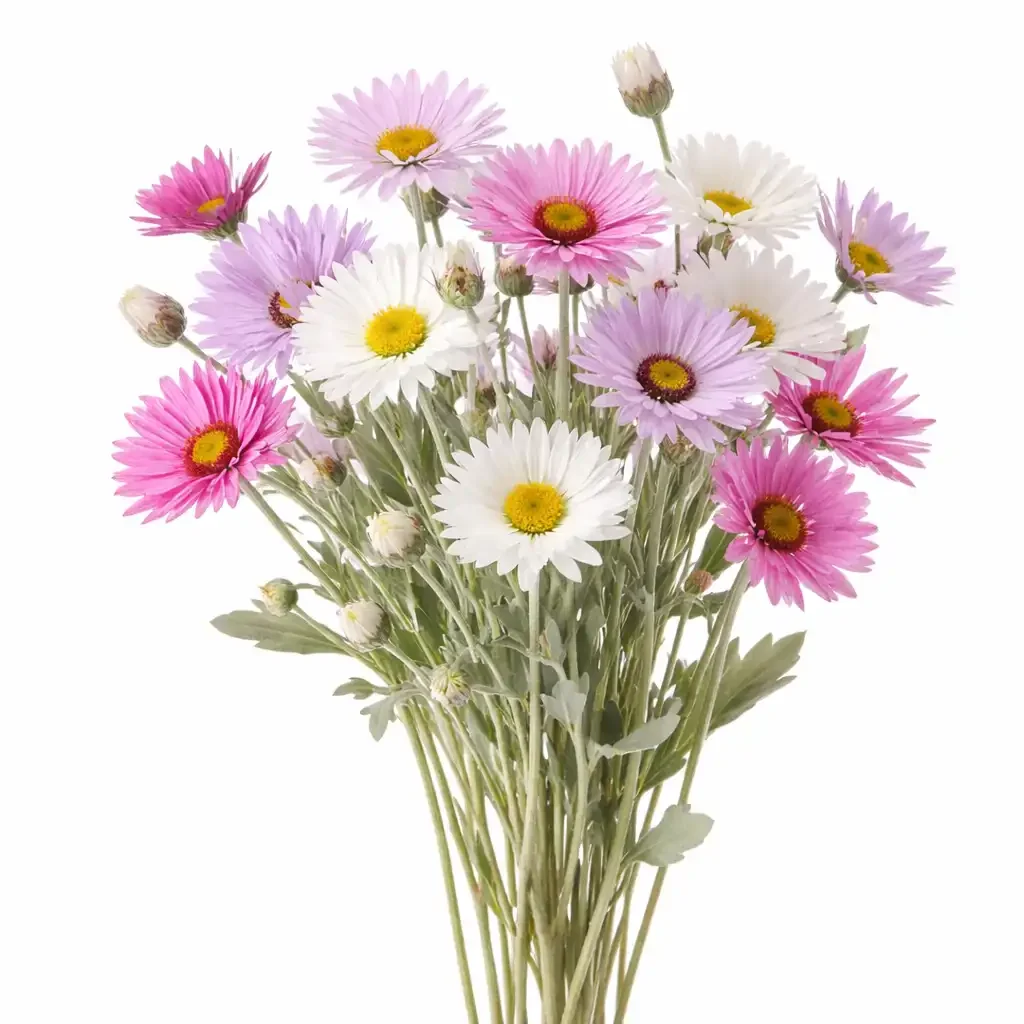
Quick Overview
Common Name: Xeranthemum, Immortelle, Everlasting Flower
Scientific Name: Xeranthemum annuum
Plant Type: Annual
USDA Zones: 2 to 11
Sun Requirement: Full Sun
Soil Type: Well-drained, low to average fertility
Bloom Season: Summer through Fall
Height: 18 to 24 inches
Pollinator Friendly: Yes
Edible: No
Why Grow Xeranthemum on a Homestead
Xeranthemum is one of the most underrated flowers in the cut flower world. It is easy to grow, incredibly productive, and one of the best flowers available for the dried flower market. If you are looking to diversify your homestead flower operation beyond the usual suspects, Xeranthemum is a smart and profitable choice.
Known by the common name Immortelle, Xeranthemum has papery, daisy-like blooms that naturally retain their color and shape when dried, which is exactly what makes it so valuable. You can harvest it fresh for bouquets or dry it for long-lasting arrangements, wreaths, and craft products.
Here is why Xeranthemum deserves a spot on your homestead:
It is one of the true everlasting flowers. Unlike many flowers that lose color and shape when dried, Xeranthemum holds up beautifully and can last for years in dried arrangements.
It is extremely easy to grow from seed. Xeranthemum direct sows easily and needs very little attention once established.
It thrives in poor soil and heat. This makes it an excellent choice for homesteads across a wide range of warm climates, from the dry heat of the Southwest to the warm summers of the mid-South and Southeast.
It fills a niche in the dried flower market. Demand for naturally dried flowers continues to grow and Xeranthemum is a crop that not many small farms are growing, giving you a competitive edge.
It attracts pollinators. Bees and butterflies visit Xeranthemum blooms regularly throughout the season.
Growing Conditions
Sunlight
Xeranthemum requires full sun. It needs at least 6 to 8 hours of direct sunlight per day to bloom well. In partial shade it will produce weak stems and fewer flowers.
Soil
Xeranthemum prefers well-drained soil with low to average fertility. Like yarrow, it actually performs better in lean soil than in rich, heavily amended beds. Overly fertile soil leads to lush foliage at the expense of flowers. Soil pH between 6.0 and 7.5 is ideal.
Water
Once established, Xeranthemum is quite drought tolerant. Water new seedlings regularly until they are established, then reduce watering. Avoid waterlogged conditions as Xeranthemum does not tolerate wet feet.
Temperature
Xeranthemum loves heat and performs exceptionally well in warm climates. It is frost tender and should not be planted until after the last frost date when soil has warmed adequately. In mild winter climates it can be sown earlier in the season and may produce blooms over a very long period due to the extended warm growing season. In hot, humid climates like the mid-South and Southeast, ensure excellent drainage and good air circulation to reduce the risk of fungal diseases during the warmest and most humid periods of the growing season.
Planting Guide
Xeranthemum is best grown by direct sowing. It does not transplant well due to its sensitive taproot, so starting it in the ground is the preferred approach for cut flower production.
Step 1: Wait until after your last frost date and soil has warmed to at least 60 degrees Fahrenheit. In mild winter climates, sowing can begin in late winter to early spring. In colder climates like Tennessee and Arkansas, wait until after the last frost date which typically falls between late March and late April depending on your specific location.
Step 2: Choose a location with full sun and well-drained soil. Avoid rich, heavily amended beds.
Step 3: Sow seeds directly into the ground, pressing them lightly into the soil surface. Seeds need light to germinate so do not bury them deeply.
Step 4: Water gently after sowing and keep the soil lightly moist until germination, which typically occurs within 10 to 14 days.
Step 5: Thin seedlings to 9 to 12 inches apart once they are a few inches tall. Tighter spacing encourages taller, straighter stems for cutting.
Step 6: For a continuous harvest, succession sow every 3 to 4 weeks from early spring through early summer.
Seed vs Transplant: Direct sowing is strongly preferred. If transplanting is necessary, use biodegradable pots to avoid disturbing the taproot.
Spacing: 9 to 12 inches for cut flowers.
Planting Season: After last frost through early summer.
Maintenance
Pinching
Pinching the central growing tip when seedlings reach 6 to 8 inches tall encourages branching and increases the number of stems produced per plant. This is especially important for cut flower production.
Fertilizing
Xeranthemum does not need heavy feeding. A light application of balanced fertilizer at planting is sufficient. Avoid high nitrogen fertilizers as they promote foliage over flowers.
Pest Control
Xeranthemum is largely pest free. Its papery blooms and somewhat aromatic foliage deter many insects. Aphids can occasionally appear but are rarely a serious problem.
Disease Prevention
Good drainage and air circulation prevent most disease issues. Avoid overhead watering and do not crowd plants. Root rot can occur in poorly drained or consistently wet soil.
Harvesting
When to Harvest
For fresh cut flowers, harvest Xeranthemum when blooms are about three quarters open. For drying, harvest when flowers are just fully open. Because the blooms are naturally papery and everlasting, the transition from fresh to dried happens quickly and easily.
How to Cut
Use clean, sharp scissors or pruners. Cut stems as long as possible, ideally 12 to 18 inches. Cut just above a set of leaves to encourage new branching and continued production.
How Often to Harvest
Harvest every few days during peak bloom. Regular cutting encourages the plant to produce more stems. Do not let flowers go to seed if you want continued blooming throughout the season.
Drying
To dry Xeranthemum, gather stems into small bundles and hang upside down in a warm, dry, well-ventilated space away from direct sunlight. Drying takes approximately 2 to 3 weeks. The blooms retain their color and shape exceptionally well and can last for years.
Vase Life
As a fresh cut flower, Xeranthemum lasts approximately 7 to 10 days in a vase. Strip foliage below the waterline and recut stems at an angle before placing in fresh water.
Uses on a Homestead
Dried Flower Use
Xeranthemum is primarily valued as a dried flower. Its papery blooms dry naturally on the stem and hold their color and shape for years. It is a staple ingredient in dried wreaths, everlasting arrangements, and craft projects.
Cut Flower Use
Xeranthemum can also be used as a fresh cut flower. Its delicate, daisy-like blooms add a soft, airy texture to mixed bouquets and pair well with other summer annuals.
Craft Products
Dried Xeranthemum is popular with crafters and can be used in pressed flower art, potpourri, floral crowns, and handmade greeting cards.
Pollinator Support
Xeranthemum attracts bees and butterflies throughout the season, contributing to the overall health and productivity of your homestead garden.
Can You Make Money With Xeranthemum
Yes, Xeranthemum is a profitable specialty crop, particularly for growers focused on the dried flower market.
Low input cost. Seeds are inexpensive and plants need very little fertilizer or water once established.
High demand in the dried flower market. The market for naturally dried flowers is growing rapidly and Xeranthemum is not widely grown by small farms, giving you a niche advantage.
Long shelf life. Dried Xeranthemum can be stored and sold over a long period, unlike fresh flowers that must be sold quickly.
Multiple income streams. Fresh bouquets, dried bundles, wreaths, craft kits, and online sales all work well with Xeranthemum.
Farmers Market: Sell dried Xeranthemum bundles for 8 to 12 dollars per bunch.
Florists and Wholesalers: Florists working with dried or everlasting arrangements are a strong market for Xeranthemum.
Online Shop: Dried flowers ship well and Xeranthemum is well suited to an online dried flower business.
Craft Markets: Xeranthemum is popular with crafters and sells well at craft fairs and holiday markets.
Wreaths and Arrangements: Xeranthemum is a key ingredient in dried wreaths, centerpieces, and everlasting arrangements.
Companion Plants
Xeranthemum grows well alongside other heat loving annuals and drought tolerant plants.
Zinnias: Both love heat and full sun and can be harvested together for mixed bouquets. Strawflower: Another everlasting flower with similar growing requirements. A natural pairing in both the garden and dried arrangements. Statice: Shares similar growing conditions and complements Xeranthemum beautifully in dried arrangements. Gomphrena: Another heat loving annual that dries well and grows in similar conditions. Lavender: Both prefer lean, well-drained soil and full sun. Yarrow: Shares similar low maintenance requirements and works well alongside Xeranthemum in dried arrangements.
Common Problems
Root Rot
The most common problem with Xeranthemum. Caused by poorly drained or consistently wet soil. Plant in well-drained soil and avoid overwatering.
Aphids
Occasionally appear on new growth. Usually manageable with a strong spray of water or by encouraging beneficial insects.
Poor Germination
Xeranthemum seeds need light to germinate. Burying seeds too deeply is a common cause of poor germination. Press seeds lightly onto the soil surface rather than covering them.
Floppy Stems
Caused by too much shade, overly rich soil, or overcrowding. Grow in full sun, lean soil, and space plants properly to encourage strong upright stems.
Powdery Mildew
Can occur in humid conditions. Improve air circulation, avoid overhead watering, and space plants properly to prevent it.
Varieties to Consider
Purple Xeranthemum: The most commonly grown variety. Deep purple to lavender blooms that dry to a rich, warm tone. Very popular in dried arrangements.
White Xeranthemum: Clean white blooms that are extremely versatile in both fresh and dried arrangements.
Mixed Colors: Seed mixes are widely available and include purple, pink, white, and bicolor blooms. A mixed planting gives you a range of colors for bouquets and dried bundles.
Double Flowered Types: Double blooms are fuller and more showy than single types. Highly sought after for dried arrangements and craft use.
Final Thoughts
Xeranthemum is a hidden gem in the homestead flower world. It is easy to grow, low maintenance, and perfectly suited to the growing demand for naturally dried flowers. In a market where most small farms are focused on the same popular fresh flowers, Xeranthemum gives you something different and something that lasts. Whether you are selling at the farmers market, supplying local florists, or building an online dried flower business, Xeranthemum is a crop worth adding to your homestead.
FAQ
How long does Xeranthemum take to bloom from seed? Xeranthemum typically blooms 70 to 90 days after direct sowing.
Does Xeranthemum come back every year? Xeranthemum is an annual and does not come back on its own. However it may self-seed and produce volunteer plants the following season.
How long do dried Xeranthemum flowers last? Dried Xeranthemum blooms can last for several years when kept away from direct sunlight and moisture.
Is Xeranthemum easy to grow for beginners? Yes, Xeranthemum is one of the easiest everlasting flowers to grow. It needs very little attention once established and thrives in poor soil and heat.
Can Xeranthemum be grown in containers? Xeranthemum can be grown in large containers but performs best in the ground where its taproot can develop freely.