
Burnet (Salad Burnet)
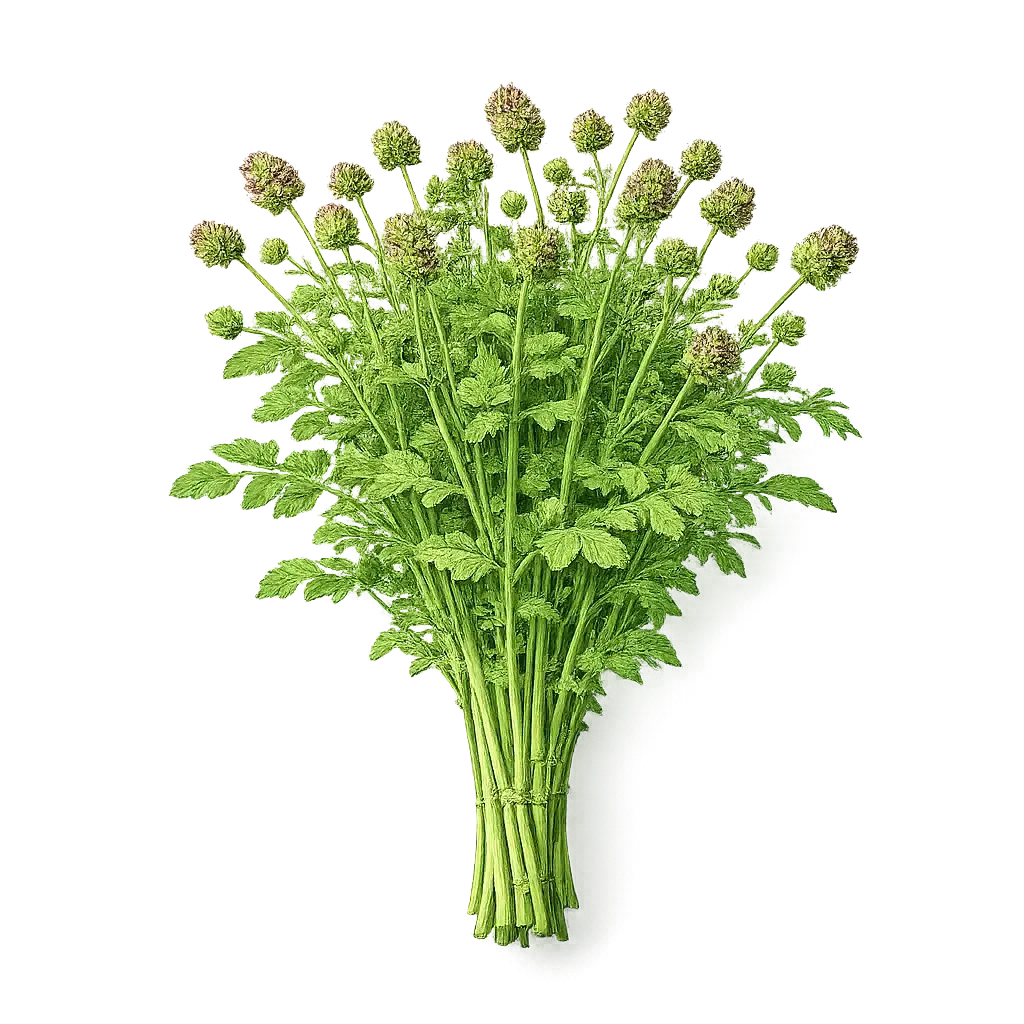
Written By Arthur Simitian
QUICK FACTS
Common Name
Salad Burnet, Garden Burnet, Small Burnet; not to be confused with Great Burnet (Sanguisorba officinalis), which is a larger medicinal species with a stronger tannin profile primarily used for its astringent and haemostatic properties rather than as a salad herb
Scientific Name
Sanguisorba minor; Rosaceae family; the genus name from the Latin sanguis (blood) and sorbere (to absorb), referring to the haemostatic traditional use of the larger Great Burnet; native to dry grasslands across Europe, western Asia, and North Africa; naturalized in parts of North America
Plant Type
Herbaceous perennial; fully evergreen or semi-evergreen depending on climate; the basal rosette persists through mild winters and provides harvestable leaves in every month of the year in zones 6 and above; dies back only in severe cold and re-emerges reliably in spring
Hardiness Zones
Zones 4 to 9; cold-hardy and fully winter-evergreen in zones 6 and above; the persistent winter rosette makes it one of the only perennial herbs that provides fresh garden leaves through the coldest months without protection
Sun and Soil
Full sun to partial shade; well-drained to dry soil strongly preferred; tolerates poor, chalky, and alkaline conditions where many other herbs struggle; drought-tolerant once established; performs poorly in waterlogged or rich, heavily fertilized soil; native to limestone grassland and is among the most drought-tolerant herbs in this series
Height
Rosette: twelve to eighteen inches. Flower stems: up to thirty inches; the flower stems are slender, wiry, and somewhat arching, giving the plant an airy quality above the dense compact rosette
Flavor Profile
Fresh, clean cucumber with a light watermelon-rind quality and a gentle astringency from tannins; mild, never bitter; one of the most immediately pleasant and accessible flavors in the herb garden; the cucumber quality persists in dried material and survives light cooking, distinguishing burnet from most delicate fresh herbs
Primary Active Compounds
Condensed tannins (proanthocyanidins; primary astringent and haemostatic compounds; higher in Great Burnet than in Salad Burnet; still present in Salad Burnet at levels that contribute to the mild astringency of the flavor and the modest wound-care traditional use); flavonoids including quercetin and kaempferol; saponins; vitamin C; iron and potassium at modest levels for a fresh herb
Harvest Season
Year-round in zones 6 and above; the evergreen rosette provides fresh leaves in every season; quality is best in cool seasons when the flavor is most fresh and clean; summer leaves on older plants can become slightly more astringent as tannin concentration increases with heat stress
Salad burnet is the herb that the kitchen garden provides in every season without being asked and that delivers a flavor, fresh cucumber with a light watermelon-rind lift and a gentle clean astringency, that is genuinely irreplaceable in the specific applications where it excels. No other herb in this series produces a cucumber character; the flavor occupies a gap that no substitute from the common herb palette fills. The plant earns a permanent position in the garden through the combination of that distinctive flavor, the evergreen persistence of the rosette through mild winters when almost no other fresh herb is available from the garden, the extreme low-maintenance character of a drought-tolerant perennial that requires no irrigation, no fertilizing, and minimal management once established, and the historical depth of its use in European salads, herb butters, vinegars, and cool drinks across five centuries of recorded kitchen tradition. Francis Bacon included it in his list of plants for a fragrant garden path; Thomas Jefferson grew it at Monticello; virtually every Renaissance and early modern English herbal from Turner to Culpeper describes it as a salad essential. That it has fallen out of common cultivation while maintaining its complete validity as a kitchen herb is an oversight the homestead garden is well-placed to correct.
Introduction
Sanguisorba minor has been cultivated in European kitchen gardens since at least the medieval period and was a standard salad herb in England and France from the sixteenth through the eighteenth century, appearing alongside sorrel, chervil, and tarragon as one of the expected components of a composed green salad. The larger species, Sanguisorba officinalis, Great Burnet, was the primary medicinal species used for its strong astringent and haemostatic properties; Salad Burnet was distinguished by its milder flavor and its suitability for fresh culinary use, though both species share the tannin chemistry that underlies the family's medicinal reputation.
The plant arrived in North America with early European settlers and was grown at colonial kitchen gardens including Thomas Jefferson's Monticello, where it appears in garden records alongside the other standard European culinary herbs of the period. It naturalized in dry rocky soils across the eastern United States and Canada and can still be found growing wild on roadsides and disturbed ground in many northern states.
The Rosaceae family membership connects salad burnet to roses, strawberries, and lady's mantle, all of which share the tannin-rich chemistry characteristic of the family. The mild tannin content is responsible both for the gentle astringency of the flavor and for the traditional wound-care and gastrointestinal applications, though these medicinal uses are considerably more pronounced in Great Burnet than in Salad Burnet.
How to Grow
Establishment
Salad burnet grows easily from seed direct sown in spring or autumn; the seeds germinate reliably at cool soil temperatures and the seedlings are frost-tolerant. Sow in the final position, as the plant develops a taproot that dislikes disturbance, though young seedlings before the taproot has established can be carefully transplanted. Plants can also be divided from established clumps in early spring, though the tap-rooted character means the divisions are smaller and less vigorous than the seed-grown originals until they re-establish.
Space plants twelve to fifteen inches apart; they develop into substantial mounding rosettes over two to three seasons. The full ornamental and productive character of a salad burnet planting is best appreciated when the plants have room to develop their characteristic fountain of arching pinnate leaves without crowding.
Growing Conditions
The critical growing requirement for salad burnet is well-drained to dry soil. The plant is native to chalk and limestone grassland and performs best in conditions that approximate that origin: lean, well-drained, neutral to alkaline soil with low fertility and good drainage. Rich, heavily amended soil produces lush growth but dilutes the tannin and flavor compound concentration and makes the plant more susceptible to crown rot in wet conditions. Poor, gritty, or chalky soil produces the most flavorful leaves and the most structurally elegant rosette.
Once established, salad burnet requires essentially no supplemental irrigation in most temperate climates; it tolerates extended dry periods that would stress other culinary herbs. This drought tolerance makes it one of the most appropriate herbs for dry gardens, rocky slopes, herb spirals, and the lean, free-draining growing conditions that Mediterranean herbs also prefer but that pose challenges for most other culinary herbs.
Management Through the Season
Remove the flower stems as they appear in summer unless seed saving is the goal; allowing the plant to flower and set seed diverts energy from the leafy rosette and reduces the leaf harvest quality. Cut the stems at the base as they emerge. The plant produces flower stems persistently through summer and will require several rounds of stem removal to maintain the rosette in good productive condition.
In autumn, remove any yellow or tired outer leaves from the rosette to encourage fresh central growth through winter. The inner leaves of the rosette are typically the youngest and most flavorful through the winter months; harvest from the outside of the rosette working inward, always leaving the central growing point intact. Divide established clumps every three to four years in early spring when the central rosette begins to look congested or to produce fewer leaves.
Harvesting
Harvest the young leaflets from the outer leaves of the rosette, or cut entire young leaf stems from the outside of the plant. The young leaves at the center of the rosette and at the tips of the leaf stems are the most tender and most flavorful; older outer leaves become more astringent with age as tannin concentration increases. Harvest in the morning for maximum freshness.
The flavor is best in cool seasons: spring, autumn, and winter leaves have the most pronounced fresh cucumber character with the lightest astringency. Summer leaves are still usable but can be slightly more astringent and slightly less fresh in flavor, particularly on plants under heat stress. Regular harvesting through the cool seasons is the primary productive use of salad burnet.
Salad burnet wilts relatively quickly after cutting compared to robust herbs like rosemary or thyme. Use within a few hours of harvest or store cut stems in water in the refrigerator for up to two days. Unlike most delicate fresh herbs, the flavor survives brief cooking better than expected: a minute in a hot pan or a few minutes in a soup does not fully destroy the cucumber character, though fresh is always superior.
Culinary Uses
Salads
The primary culinary application of salad burnet is as a fresh leaf in composed green salads, where the young leaflets contribute their cucumber flavor without the high water content that makes actual cucumber difficult to dress. The slightly wavy, rounded leaflets with their scalloped margins are visually attractive in a mixed salad and the flavor integrates well with other cool-season salad herbs including chervil, sorrel, and chives. The Renaissance and early modern English salad tradition typically included burnet alongside these herbs in a way that modern salad construction rarely recaptures, treating the salad as a composed assembly of distinct flavor elements rather than a base green plus additions.
The mild tannin astringency of burnet is a genuine culinary asset in dressed salads: it provides a slight grip on the palate that prevents the dressing from tasting flat and helps the other flavors register more distinctly. This effect is subtle but perceptible when burnet is compared to a salad of the same ingredients made without it.
Herb Butter and Vinegar
Salad burnet vinegar is among the oldest recorded applications of the herb and was a standard preparation in English stillroom books of the seventeenth and eighteenth centuries. White wine vinegar infused with fresh burnet leaflets for two to three weeks takes on a delicate cucumber character that is the most effective way to transfer the herb's flavor to a shelf-stable condiment. The resulting vinegar is used in salad dressings and cold sauces where the cucumber note is wanted in a preserved form.
Burnet butter is made by the same method as chervil butter: finely chopped young leaflets worked into softened unsalted butter with a pinch of salt and a few drops of lemon juice, rolled in plastic wrap, and stored refrigerated or frozen. The cucumber flavor in the butter is a natural complement to grilled or poached fish, steamed summer vegetables, and corn on the cob. The flavor holds reasonably well in the butter over one week refrigerated and three months frozen, making it a practical way to preserve a spring or autumn harvest for later use.
Cool Drinks and Summer Beverages
The historical use of salad burnet in summer drinks reflects the cucumber character's natural affinity with cold water and wine. The traditional Pimm's cup garnish in British summer drinking, which typically includes cucumber, can substitute or supplement fresh burnet leaflets to similar effect. A handful of fresh burnet leaves added to a jug of cold water for thirty minutes produces an infused water with a genuine subtle cucumber flavor that is more delicate and complex than cucumber-infused water alone.
In the same tradition, fresh burnet added to cold white wine, sparkling water, or lemonade provides a garden-fresh quality appropriate to summer hospitality. The herb's low assertiveness means it adds without dominating, which is the correct role for a supporting herb in a drink preparation.
Salad burnet and herb vinegar
This is the most practical way to preserve salad burnet's flavor for year-round use and one of the simplest preparations in the traditional stillroom repertoire. The resulting vinegar is a culinary asset well beyond the herb's fresh season.
Fill a clean glass jar loosely with fresh young salad burnet leaflets, stripped from their stems. Pour good-quality white wine vinegar over the leaves until the jar is full and all leaves are submerged. Seal with a non-metal lid or cover with plastic wrap under a metal lid to prevent corrosion from the acid. Place in a sunny window or warm spot for two to three weeks, shaking or turning the jar daily. The vinegar gradually takes on a faint green tinge and the cucumber character infuses the liquid.
Strain through fine cheesecloth into a clean bottle, pressing the leaves firmly. The finished vinegar is clear to pale straw-green with a clean cucumber-herb aroma. Store in a cool dark place; properly made herb vinegar keeps for twelve to eighteen months. Use in salad dressings, cold sauces for fish and poultry, grain salads, and any preparation where a delicate cucumber-acid note would lift the flavors. Add a fresh sprig of burnet to the bottle before sealing for visual identification and a small additional infusion contribution.
The same method works with tarragon, chervil, or a combination of all three to produce a fines herbes-style vinegar that captures the spring garden in a single condiment. Burnet's contribution to such a blend is the cucumber freshness that lightens the anise notes of tarragon and chervil.
Medicinal and Traditional Uses
The medicinal use of Salad Burnet is considerably more modest than that of its relative Great Burnet, which was an official pharmaceutical plant in European herbalism for its strong haemostatic and astringent properties. The condensed tannins in Salad Burnet provide a milder version of the same astringent activity: the traditional applications include gargling a strong leaf tea for mouth inflammation and sore throat, applying fresh bruised leaves to minor cuts and insect bites for their mild haemostatic and anti-inflammatory effect, and drinking a mild burnet leaf tea for digestive complaints involving inflammation or loose stools.
These traditional applications are modest and plausible given the tannin content but are not the primary reason to grow salad burnet on the homestead; the culinary value and the year-round fresh herb harvest are the primary justifications. The mild wound-care application of fresh bruised leaves on minor cuts is a practical first-response use that is always available when the plant is growing in the garden, and requires no preparation.
The vitamin C content of salad burnet, modest but real, contributed to its traditional use as an antiscorbutic herb in winter when other fresh vegetables were unavailable. The evergreen winter rosette that provided fresh leaves when the garden had little else to offer would have had genuine nutritional significance in pre-refrigeration winters, a use that echoes the similar role played by chickweed, sorrel, and dandelion in the traditional winter kitchen.
Cautions: Salad burnet at normal culinary quantities is among the safest herbs in this series with no significant documented toxicity and a long, clean food use record. The following specific points apply. The tannin content at culinary quantities is low and poses no meaningful health risk; people with a history of gastric irritation from tannin-rich foods such as strong tea or red wine may wish to consume salad burnet in moderation rather than as a primary salad base, but this is a dietary preference consideration rather than a safety concern. The Rosaceae family membership is relevant for people with known Rosaceae allergy, though salad burnet is a relatively uncommon allergen within the family. Do not confuse Salad Burnet with Great Burnet (Sanguisorba officinalis), which has a much stronger tannin profile and a specific medicinal dosing consideration; the two plants are botanically distinct and while Great Burnet is not dangerous at reasonable doses, treating it interchangeably with Salad Burnet at large quantities would produce a more astringent preparation than intended. The identification distinction is clear: Salad Burnet has small rounded leaflets and burgundy-red thimble flower heads; Great Burnet is a much larger plant with longer leaves and deep crimson-maroon elongated flower spikes.
Salad Burnet in the Garden
The ornamental quality of a well-grown salad burnet rosette is genuinely underappreciated. The arching pinnate leaves with their symmetrically paired rounded leaflets and scalloped margins have a delicate, almost fern-like elegance that makes the plant an attractive edging herb along a path or border, particularly alongside the more structural Mediterranean herbs whose gray and silver foliage provides a complementary contrast to burnet's bright green. The slender wiry flower stems rising above the rosette in summer, bearing the small burgundy-red thimble heads, add an airy vertical element above the compact base.
In the traditional English herb garden layout, burnet was grown as a border edging plant alongside thyme and chives, where the combination of low mounding habits, different leaf textures, and contrasting flower forms produced a visually coherent edging that was also entirely productive. The same combination works in a modern homestead garden and remains one of the most practically elegant approaches to the herb border: low-maintenance, drought-tolerant, visually varied, and harvested throughout the year.
Pros and Cons
Advantages
Provides fresh cucumber-flavored leaves in every month of the year in zones 6 and above, filling the winter fresh herb gap when most other culinary herbs are dormant, unavailable, or requiring protection; the evergreen rosette is the defining practical advantage of salad burnet over every other fresh salad herb in this series
Occupies a flavor position that no other herb fills; the fresh cucumber with watermelon-rind note of salad burnet is genuinely irreplaceable in the applications where it excels; the flavor is mild enough to use generously without dominating and distinctive enough to be unmistakably itself
Extreme drought tolerance and preference for lean, well-drained, even poor soil makes it one of the most low-maintenance herbs in the series; once established it requires no supplemental irrigation, no fertilizing, and minimal management beyond removing flower stems and occasional division
Ornamental elegance; the arching pinnate rosette with paired scalloped leaflets is one of the most visually refined leaf forms in the herb garden; appropriate as an edging plant alongside a path or at the front of a border where the plant's structure is appreciated at close range
Historical depth of culinary use across five centuries of European kitchen tradition provides a well-tested recipe repertoire for the herb vinegar, compound butter, salad, and summer drink applications; this is not an experimental herb whose kitchen applications remain to be discovered but a well-established culinary plant that was simply dropped from common use
Limitations
Almost entirely absent from commercial herb markets and most contemporary recipe books, meaning most cooks encounter it without a cultural or culinary framework for using it; learning to integrate it into the kitchen requires deliberate recipe exploration rather than following established contemporary convention
The flavor, while excellent in its appropriate applications, is mild and subtle rather than assertive; cooks who expect a strongly flavored herb may find burnet underwhelming until they understand that its role is to contribute freshness and a gentle cucumber lift rather than to anchor a dish as the primary flavor
Wilts relatively quickly after harvest compared to robust perennial herbs; the two-day refrigerator life of cut burnet means it must be used close to harvest and cannot be stockpiled in the way dried or more robust herbs can be; the year-round garden availability somewhat compensates for this limitation but it remains a constraint on its use
Persistent flower stem production through summer requires repeated removal to maintain the rosette in productive condition; growers who do not stay ahead of the bolting tendency may find the plant spending much of the summer diverting energy into flowering rather than producing the leafy harvest
The taproot character limits transplanting flexibility; plants must be sited at sowing time with their permanent position in mind, making repositioning after establishment disruptive and often unsuccessful; this is a minor constraint but worth planning around in the initial garden design
Final Thoughts
Salad burnet is the herb that rewards the grower who goes looking for the reason it was ubiquitous in the European kitchen garden for three centuries and has since been almost entirely forgotten. The reason is still there in the plant: a mild, fresh, cucumber flavor available in every season, a low-maintenance evergreen rosette that asks almost nothing, and an elegance of form that earns its place in the garden independent of the harvest it provides.
Plant it once in a well-drained, sunny position, remove the flower stems as they appear, harvest from the outside of the rosette working inward through the year, and make the vinegar in autumn. Those four instructions are the complete management guide for a plant that will then provide fresh leaves every month for years, a quiet cucumber note in winter salads when the rest of the garden has little to offer, and a jar of herb vinegar that improves almost anything it touches.