
Chamomile
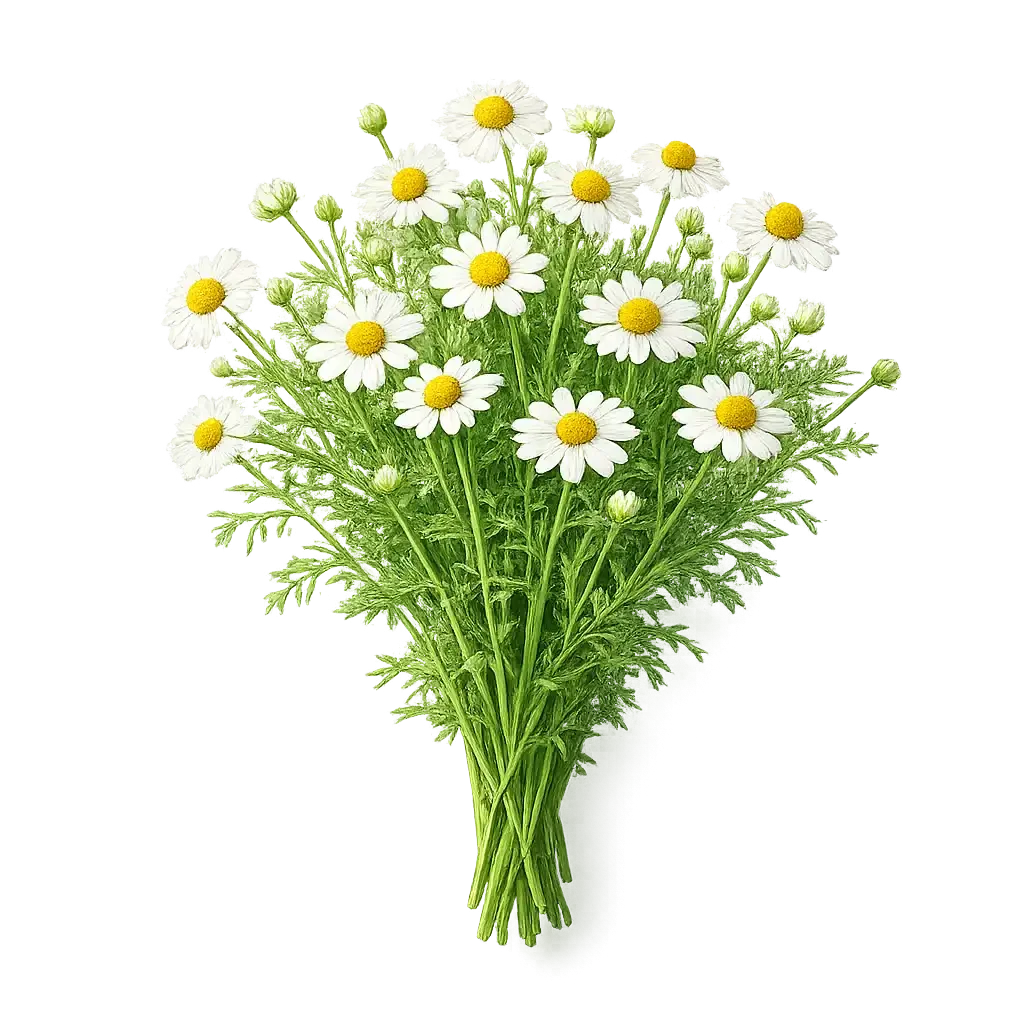
Written By Arthur Simitian
QUICK FACTS
Common Name
German Chamomile (Matricaria chamomilla; also Matricaria recutita); Roman Chamomile (Chamaemelum nobile); both are commonly called chamomile and used for similar purposes, but differ in growth habit, essential oil composition, and degree of clinical evidence
Scientific Name
Matricaria chamomilla (German chamomile; annual; the species with the strongest clinical evidence base and the most widely studied pharmacology); Chamaemelum nobile (Roman chamomile; perennial; more compact; traditionally the species used for chamomile lawns)
Plant Type
German chamomile: hardy annual; self-seeds prolifically and effectively behaves as a biennial or short-lived perennial once established through a self-sowing population. Roman chamomile: low-growing perennial; spreads by runners; zones 4 to 9
Hardiness Zones
German chamomile: annual in all zones; self-seeds reliably in zones 4 to 9. Roman chamomile: perennial in zones 4 to 9; forms a spreading mat useful as a ground cover or low lawn substitute
Sun Requirements
Full sun preferred; tolerates partial shade with some reduction in flower production; full sun with well-drained soil produces the highest essential oil content in the flowers
Soil Type
Well-drained, moderately fertile; tolerates poor, lean, slightly sandy soil; performs poorly in waterlogged or heavily fertilized ground; one of the more drought-tolerant herbs in this series once established
Harvest Parts
Flower heads only; harvested when the white ray petals are fully open and horizontal or just beginning to reflex backward; at this stage the essential oil content in the receptacle is at its peak
Primary Active Compounds
Apigenin (flavonoid; primary anxiolytic compound; binds GABA-A receptor benzodiazepine site; the most pharmacologically characterized compound); alpha-bisabolol (terpenoid; primary anti-inflammatory and wound-healing compound; also antimicrobial); chamazulene (sesquiterpene; the compound responsible for the deep blue color of chamomile essential oil; produced during steam distillation from matricine; anti-inflammatory); apigenin-7-glucoside; luteolin; quercetin; coumarins; mucilaginous polysaccharides
Commission E Approval
Approved for internal use: gastrointestinal spasms and inflammatory diseases of the gastrointestinal tract. Approved for topical use: inflammation and irritation of skin and mucous membranes; bacterial skin diseases including those of the oral cavity and gums; wounds and burns
Chamomile is the herb that has accumulated the most extensive clinical evidence of any plant in the traditional sleep and anxiety category, and yet it remains persistently underestimated in the popular conversation about evidence-based herbal medicine, partly because the mechanism of its primary active compound, apigenin, was understood relatively recently, and partly because chamomile tea has been so thoroughly domesticated as a bedtime ritual that it is easy to mistake familiarity for placebo. The apigenin story changes the framing: apigenin binds to the benzodiazepine binding site of the GABA-A receptor, the same receptor target as pharmaceutical anxiolytics including diazepam, producing anxiolytic and mild sedative effects through a well-characterized mechanism at concentrations achievable through strong chamomile tea. This does not make chamomile equivalent to a pharmaceutical anxiolytic; the binding affinity is lower and the effect is correspondingly gentler. But it does mean the bedtime chamomile tea habit has a documented pharmacological basis rather than merely a placebo one. For the homestead grower, the implications are practical: growing enough German chamomile to dry a meaningful supply of flowers for regular winter tea requires more plants and more harvest effort than most people assume, the harvest timing relative to flower opening significantly affects potency, and knowing the difference between German and Roman chamomile matters before placing the plants.
Introduction
German chamomile, Matricaria chamomilla, is native to southern and eastern Europe and western Asia and has been used medicinally for at least two thousand years, appearing in the Egyptian and Greek medical traditions and in virtually every European herbal pharmacopoeia from the medieval period forward. It is one of the most widely consumed medicinal herbs in the world by volume, both as a beverage tea and as an ingredient in pharmaceutical topical preparations, cosmetics, and dietary supplements sold across Europe, North America, and Asia.
Roman chamomile, Chamaemelum nobile, is native to western Europe and is the species historically associated with the famous Elizabethan chamomile lawn, which exploits the plant's low mat-forming habit and its ability to withstand moderate foot traffic while releasing its characteristic apple-scented fragrance when walked on. Roman chamomile has a somewhat different essential oil composition from German chamomile, with higher angelic and tiglic acid esters that give it a fruitier fragrance, and lower chamazulene content. Both species are used for the same traditional purposes, but the clinical research that established the pharmacological basis for chamomile's therapeutic activity has been conducted primarily on German chamomile.
The characteristic apple fragrance that gives both species their appeal and that inspired the ancient Greek name khamaimelos, ground apple, comes from the combination of bisabolol, bisabolol oxides, and chamazulene precursors in the essential oil. This fragrance is present in the living plant but intensified during drying, making properly dried chamomile flowers significantly more aromatic than the fresh plant, which is an unusual quality in this herb series where most herbs peak in fresh volatiles.
German versus Roman Chamomile: Choosing for the Homestead
The choice between German and Roman chamomile for a homestead planting depends primarily on whether the goal is medicinal flower production or permanent ground cover. German chamomile is the better choice for tea and medicinal use: it produces more flowers per plant, its essential oil composition has the higher chamazulene and bisabolol content associated with anti-inflammatory activity, and the clinical evidence for its specific compounds is more extensive. It is an annual but self-seeds so reliably that a well-established patch maintains itself with no replanting effort, producing seedlings in both spring and autumn.
Roman chamomile is the better choice for a permanent low-growing ground cover in a path, between paving stones, or as a fragrant lawn alternative. The double-flowered variety Flore Pleno is the most ornamental form but produces less essential oil than the single-flowered species type; for medicinal use the single-flowered species type is preferable. Roman chamomile requires dividing every two to three years to maintain vigor, spreading by runners rather than by seed.
The simplest homestead approach for most growers is German chamomile as the primary planting: one area of six to twelve plants established from seed, allowed to self-seed each year, and harvested regularly through the flowering season for drying and storage.
How to Grow German Chamomile
Starting from Seed
German chamomile seed is tiny and requires light to germinate; surface sow without covering, pressing the seed gently into moist soil and keeping the surface consistently moist through the seven-to-fourteen-day germination period. Direct sow in early spring as soon as the soil can be worked, or in late summer for an autumn and spring planting in mild climates. The plants are cold-hardy enough to survive light frost at the seedling stage.
Once established, the most productive approach is to allow a portion of each season's plants to set seed and shed naturally onto the soil. The seed bank builds quickly and produces reliable volunteer seedlings each spring and autumn without any replanting effort. Mark the area where chamomile is growing to avoid inadvertently tilling it in autumn before the seed has fallen.
Growing Conditions
Chamomile performs best in full sun on lean, well-drained soil. Heavily fertilized, rich soil produces lush leafy growth at the expense of flower production and essential oil concentration; the same pattern observed in most aromatic herbs where stress from lean conditions concentrates the essential oil chemistry. Avoid heavy clay and waterlogged positions; chamomile is more sensitive to root rot than most of the drought-tolerant Mediterranean herbs in this series, but more tolerant of dry, poor, slightly sandy conditions.
Established plants reach eighteen to twenty-four inches in height and branch freely, each branch terminating in a single flower head. The plant's architecture means that successive flowers open over several weeks rather than all at once, extending the harvest window but requiring regular visits to the patch to catch each flower at peak timing.
Harvesting: Timing Is Everything
The essential oil content of chamomile flowers varies significantly across the flower's development, peaking when the white ray petals are fully horizontal or just beginning to reflex backward and downward. Flowers harvested at bud stage or at full petal-reflex stage have measurably lower apigenin, bisabolol, and chamazulene content than flowers harvested at the optimal stage. This makes harvest timing more consequential for chamomile than for most herbs in this series.
The optimal harvest window for each individual flower is approximately two to four days wide; the flowers open over a period of weeks on each plant, meaning the patch requires checking every two to three days through the flowering season rather than a single bulk harvest. This is the management reality that most home growers underestimate. Harvesting by running the fingers through the flower heads and letting the ripe heads fall into a waiting basket or bag, a technique sometimes called raking by hand, is faster than picking individual stems and captures the right-stage flowers selectively.
Harvest in the morning after the dew has dried and before the heat of the day begins to volatilize the essential oil. Spread the harvested flowers in a single layer on drying racks in a warm, dry, well-ventilated space away from direct sun, which degrades the blue chamazulene compounds. Flowers are fully dry when they crumble rather than flex; this takes three to five days in good drying conditions. Store in sealed glass jars away from light; properly dried chamomile flowers retain their essential oil content and characteristic fragrance for one to two years.
Medicinal Uses
Sleep and Anxiety: Apigenin and the GABA-A Receptor
Apigenin, the primary pharmacologically active flavonoid in chamomile flowers, binds to the benzodiazepine site of the GABA-A receptor in the central nervous system. GABA-A is the primary inhibitory neurotransmitter receptor in the brain; its activation reduces neuronal excitability and produces anxiolytic, sedative, and muscle-relaxant effects. Pharmaceutical benzodiazepines including diazepam produce their effects at the same receptor site at higher binding affinity; apigenin binds the same site at lower affinity, producing a milder version of the same directional effect.
A 2009 randomized controlled trial published in the Journal of Clinical Psychopharmacology found that oral chamomile extract significantly reduced anxiety scores in patients with mild to moderate generalized anxiety disorder compared to placebo, with the effect maintained at ten weeks. A 2017 follow-up by the same research group found that continued chamomile use reduced the rate of relapse following the initial treatment period. These are the strongest controlled trial results in the herbal anxiolytic literature for any single compound with a characterized mechanism.
The sleep effect is related but distinct from the anxiolytic effect; the sedative component of the GABA-A binding reduces sleep latency (the time to fall asleep) rather than increasing total sleep duration in most studies. A 2017 randomized trial in older adults found that chamomile extract improved sleep quality and reduced daytime sleepiness compared to placebo. The effect size is modest and is best understood as supporting sleep rather than inducing it in the way pharmaceutical sedatives do.
Anti-inflammatory and Digestive
Alpha-bisabolol and its oxides provide anti-inflammatory activity through inhibition of 5-lipoxygenase and cyclooxygenase pathways, reducing the production of prostaglandins and leukotrienes involved in inflammatory responses. This mechanism supports the traditional use of chamomile tea for stomach cramping, gastritis, and irritable bowel symptoms, and is the basis for Commission E's specific approval for gastrointestinal spasm and inflammatory bowel conditions.
The mucilaginous polysaccharides in the tea provide a direct soothing effect on inflamed mucous membranes of the digestive tract, complementing the anti-inflammatory mechanism of the bisabolol compounds. For acute gastric upset, stomach cramping, or the kind of digestive discomfort that responds to warmth and gentle anti-spasmodic activity, chamomile tea has a well-founded traditional use supported by both Commission E approval and the underlying pharmacology.
Topical Applications
Chamomile essential oil is one of the most extensively used topical anti-inflammatory agents in European cosmetic and pharmaceutical preparations, appearing in creams, ointments, and lotions for eczema, psoriasis, wound healing, and minor burns. The chamazulene, formed from matricine during steam distillation, is responsible for the distinctive blue color of the essential oil and contributes significant anti-inflammatory activity alongside bisabolol. Commission E's topical approval specifically covers inflammatory and irritative skin conditions, wounds, and burns.
A strong chamomile tea used as a compress or added to a bath provides a dilute version of the same topical anti-inflammatory compounds without requiring essential oil preparation. Soaking an inflamed or itchy skin area in a chamomile tea bath or applying a cooled chamomile tea compress is a practical first-response application for minor skin irritation that the homestead flower harvest makes readily available.
Making a therapeutic chamomile tea from dried flowers
The potency difference between a therapeutic chamomile preparation and a supermarket chamomile tea bag is primarily a function of quantity. Commercial tea bags typically contain one to two grams of chamomile; the studies demonstrating anxiolytic and sleep effects used preparations equivalent to four to eight grams of dried flower per cup, steeped covered for ten to fifteen minutes to minimize volatile loss.
Use one heaped tablespoon of whole dried chamomile flowers per cup of water (approximately four to six grams depending on flower density). Use water that has come just off the boil rather than a full rolling boil, which drives off the volatile compounds. Cover the cup or teapot during steeping to trap the steam and return the volatiles to the liquid as condensation; an uncovered steep loses a measurable proportion of the apigenin-containing steam fraction. Steep for ten to fifteen minutes covered. Strain and drink while hot. A small amount of honey complements the apple-floral flavor without interfering with the active compounds.
For topical use as a compress, double the flower quantity and steep for twenty minutes covered, then allow to cool to a comfortable skin temperature before applying. The resulting strong tea can also be added to a warm bath at two to four cups of strong tea per full bath for a dilute full-body chamomile soak.
The ragweed cross-reactivity caution
Chamomile belongs to the Asteraceae (daisy) family, which includes ragweed (Ambrosia species), the primary cause of autumn seasonal allergic rhinitis in North America. People with documented ragweed allergy have a meaningful cross-reactivity risk with chamomile through shared allergenic proteins in the Asteraceae family. The clinical literature documents cases of anaphylaxis to chamomile tea in ragweed-allergic individuals, making this the most serious allergenicity concern in this herb series. The mechanism is IgE-mediated cross-reactivity, meaning a person sensitized to ragweed pollen proteins may react acutely to chamomile pollen proteins present in the tea.
People with known ragweed allergy, or with known Asteraceae family allergy (which also includes chrysanthemum, marigold, and echinacea), should not consume chamomile without medical guidance. The cross-reactivity risk is real and documented rather than theoretical. People without known Asteraceae allergy who have never consumed chamomile should start with a small test amount and monitor for any reaction before consuming a full therapeutic preparation.
Additional cautions: chamomile has been reported to potentiate the anticoagulant effect of warfarin through coumarin content; people taking warfarin should inform their prescriber of regular chamomile use. Chamomile at high medicinal doses has mild estrogenic activity from apigenin; the clinical significance at tea quantities is low but the interaction is relevant for people with hormone-sensitive conditions or on hormone therapies. Pregnancy safety at high medicinal doses is not established; routine tea consumption at one cup per day is unlikely to cause concern, but large-dose medicinal use during pregnancy is not recommended. Contact dermatitis from chamomile essential oil or fresh plant handling is reported in Asteraceae-sensitive individuals.
Companion Planting
Chamomile has one of the strongest companion planting reputations in the kitchen garden literature, variously credited with improving the growth, flavor, and yield of brassicas, onions, and other nearby vegetables. The specific claim that chamomile improves the flavor of adjacent brassicas through calcium exudation from the roots is not supported by controlled research but persists widely in organic growing literature. What is better supported is that chamomile flowers attract beneficial insects including hoverflies and parasitic wasps at levels comparable to other Asteraceae family plants, providing the same beneficial insect habitat function as yarrow, feverfew, and other open-faced daisy-type flowers.
The biodynamic agricultural tradition, developed by Rudolf Steiner in the 1920s, uses chamomile as one of its core preparations, fermenting the flowers inside a cow intestine through winter and applying the resulting preparation to compost heaps as a calcium and calcium-regulation enhancer. This specific use reflects the traditional association of chamomile with calcium in European folk agricultural thought, independent of the companion planting claims. The biodynamic tradition does not represent a clinical evidence standard, but it reflects how deeply chamomile's association with soil and plant health has penetrated agricultural culture across two thousand years.
Pros and Cons
Advantages
The strongest clinical evidence base for anxiolytic and sleep-supporting activity of any herb in the traditional relaxant category; apigenin's GABA-A receptor mechanism is well-characterized and the randomized controlled trial evidence in generalized anxiety disorder is the most compelling in herbal pharmacology for this indication
Commission E approval for both internal and topical use provides a regulatory evidence anchor that most herbs in this series lack; the gastrointestinal, skin inflammatory, and wound healing approvals are specific and supported by both mechanism and clinical data
German chamomile self-seeds reliably once established, effectively converting the planting from an annual requiring replanting to a self-maintaining population that requires only selective management of where volunteers are tolerated; the ongoing seed investment is zero after the first season
Drying intensifies the apple-floral fragrance rather than reducing it, unlike most herbs where fresh is stronger; properly dried chamomile flowers from the garden are noticeably more aromatic and effective than commercial tea bags due to both the intensification effect and the higher flower quantity possible per cup from bulk home-grown stock
Ornamental value is genuine; the white daisy flowers on a well-established German chamomile planting through midsummer provide months of garden visual interest while simultaneously producing the medicinal harvest; Roman chamomile as a path edging or ground cover serves both ornamental and fragrant functions with minimal maintenance
Limitations
The ragweed cross-reactivity risk is the most significant safety concern in this herb series by clinical severity; anaphylaxis in Asteraceae-allergic individuals is documented rather than theoretical and means chamomile is contraindicated rather than merely cautioned for a meaningful proportion of the allergy-affected population
Harvest timing is more demanding than for most herbs; the two-to-four-day optimal window per flower and the weeks-long succession of individual flower openings requires regular, frequent visits to the patch rather than a periodic bulk harvest; growers who miss the peak timing consistently produce a weaker medicinal product
German chamomile self-seeds so prolifically in hospitable conditions that it becomes a management challenge in tight garden beds; the volunteer seedlings need regular thinning to prevent overcrowding and the invasion of adjacent plantings
The therapeutic dose of chamomile tea for demonstrated anxiolytic and sleep effects is significantly larger than a typical commercial tea bag preparation; most commercially available products do not provide the quantity used in clinical trials, which means home-grown bulk supply is necessary to achieve the documented effect level
Warfarin interaction from coumarin content is a specific drug interaction that cannot be casually managed; patients on anticoagulant therapy who want to use chamomile regularly need to discuss it with their prescriber and may need more frequent INR monitoring
Final Thoughts
Chamomile rewards the grower who takes it seriously as a medicinal plant rather than treating it as the herbal equivalent of a polite gesture toward sleep. The apigenin mechanism is real, the Commission E approvals are specific, and the clinical trial evidence for anxiety and sleep support is the strongest in its category. Growing enough to dry a meaningful winter supply, harvesting at the right stage, and preparing the tea at therapeutic rather than decorative concentration are the practical steps that translate the clinical evidence into a useful homestead resource.
Establish a German chamomile patch in full sun on lean soil, let it self-seed, harvest the flowers every two to three days at peak opening through the midsummer season, dry them covered from direct light, and store them in sealed glass. That is the complete instruction set for the most evidence-supported relaxant herb in the kitchen garden.