
Culantro
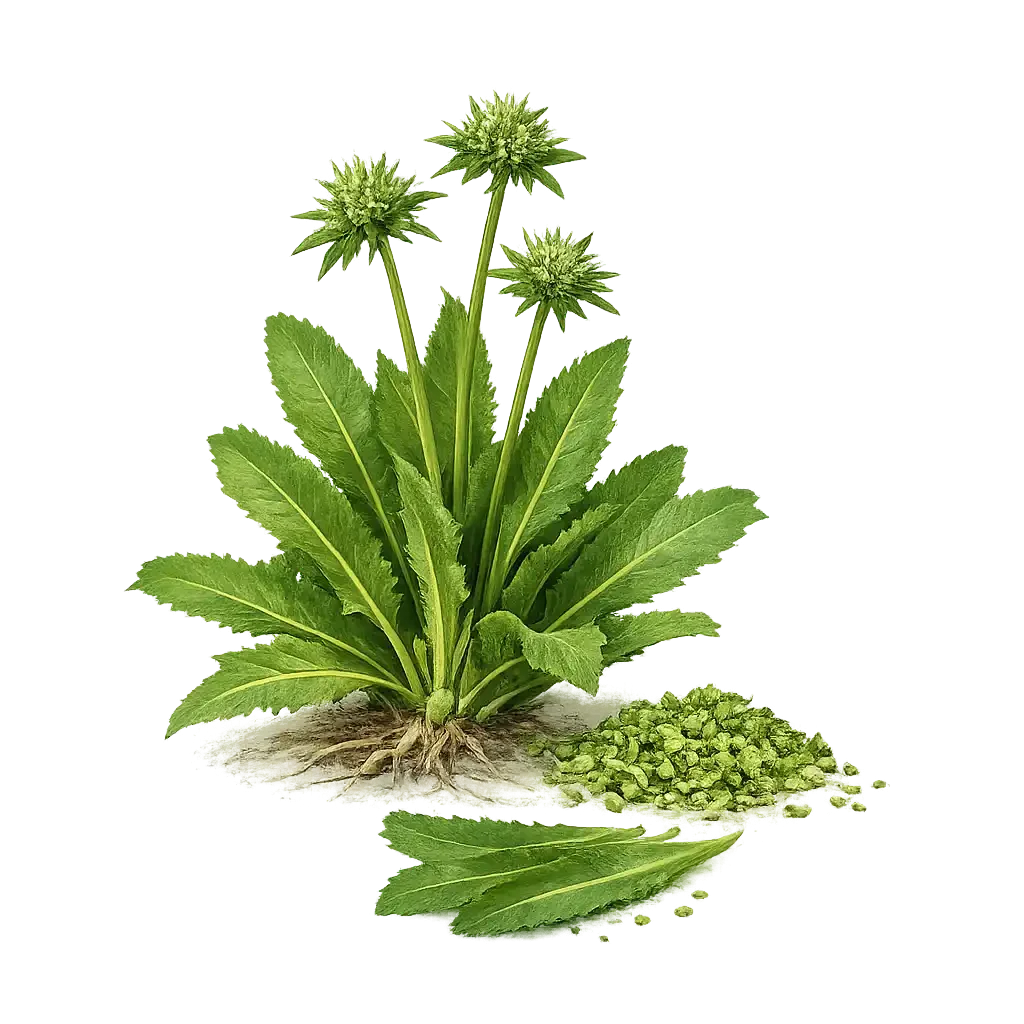
Written By Arthur Simitian
Culantro and cilantro are different plants: Culantro (Eryngium foetidum) and cilantro (Coriandrum sativum) share a similar flavor profile and are used interchangeably in some cooking traditions, but they are entirely unrelated botanically and have opposite growing requirements. Cilantro is a cool-season annual that bolts rapidly in summer heat; culantro is a tropical perennial that thrives in the heat and shade that ruins cilantro. If you are looking for the cilantro and coriander post, that is covered separately in this series. This post covers culantro specifically.
QUICK FACTS
Common Name
Culantro, Shado Beni (Trinidad and Tobago), Chadon Beni, Bandhaniya (Bangladesh), Ngo Gai (Vietnam), Pak Chi Farang (Thailand, meaning "foreign cilantro"), Recao (Puerto Rico), Fitweed, Long Coriander, Sawtooth Herb, Sawtooth Coriander
Scientific Name
Eryngium foetidum; in the Apiaceae family; more closely related to sea holly and the ornamental eryngiums than to cilantro despite the similar flavor
Plant Type
Tropical short-lived perennial; treated as an annual in temperate climates; can overwinter as a perennial in zones 9 and above with minimal protection
Hardiness Zones
Perennial in zones 9 to 11; annual or container plant in zones 3 to 8; frost-sensitive; native to tropical America and the Caribbean
Sun Requirements
Partial shade to full shade preferred; among the most shade-tolerant culinary herbs in this series; full sun is tolerated in cool climates but causes rapid bolting in heat; dappled shade under trees or on the north side of structures produces the best leaf production
Soil Type
Moist, humus-rich, well-drained; tolerates wetter conditions than most culinary herbs; performs well in the moist shaded conditions under larger plants where other herbs struggle; pH 5.5 to 7.0
Plant Height
Leaf rosette 6 to 12 inches; flower stalk to 24 inches when bolting
Flavor Compared to Cilantro
Strongly cilantro-like with additional earthy, pungent, slightly resinous depth; more intense than cilantro; holds up to heat in cooking where cilantro's volatile compounds dissipate rapidly; one leaf of culantro is roughly equivalent to several sprigs of fresh cilantro in intensity
Primary Active Compounds
Dodecanal and tridecanal (aldehydes; primary flavor volatiles; related to the aldehydes in cilantro); eryngial (2E-dodecenal; primary aldehyde conferring the distinctive culantro pungency); carotenoids; flavonoids including kaempferol and quercetin; caffeic acid; triterpenoid saponins; calcium, iron, and riboflavin at notably high levels for a leafy herb
Uses
Fundamental culinary herb in Caribbean, Central American, and Southeast Asian cooking; seasoning base for sofrito (Trinidad, Puerto Rico, Colombia); used fresh and cooked unlike cilantro; traditional digestive and antimicrobial medicine across its native range
Culantro is the herb that solves a problem cilantro creates. Anyone who grows cilantro through a temperate summer knows the problem: the plant bolts the moment the weather warms, the fresh leaf harvest collapses within weeks of the first heat, and the constant succession sowing required to maintain a usable supply through the warm season is either a discipline the grower commits to or a source of ongoing frustration. Culantro does not bolt in heat. It grows in shade. It thrives in the humid, warm, partially shaded conditions that represent cilantro's worst growing environment. Its flavor is cilantro-like but deeper, more pungent, and more stable under heat in the pot, meaning a single leaf of culantro added to a simmering sofrito or curry retains its character in a way that cilantro added at the same stage does not. For homesteaders who cook Caribbean, Central American, or Southeast Asian food with any regularity, culantro is not a curiosity but a genuinely superior tool for specific applications, grown in the corner of the garden where little else performs well.
Introduction
Eryngium foetidum is native to tropical America and the Caribbean and belongs to the Apiaceae family, the same family as cilantro, dill, fennel, and parsley, which explains the flavor overlap despite the entirely different plant architecture. The genus Eryngium is better known in the ornamental garden for the spiny, metallic-blue sea holly species used in flower arranging, and culantro shares the genus's characteristic spiny leaf margins and cylindrical, bracted flower heads while producing a very different flavor chemistry from the ornamental species.
The species name foetidum, meaning fetid or strong-smelling, refers to the pungency of the crushed leaf, which is considerably more intense than cilantro and can be off-putting in initial encounters before the flavor context of Caribbean cooking makes the intensity sensible. The common name shado beni in Trinidad and Tobago is a creolization of the French word for chervil, shadow benny, reflecting the French colonial presence in the Caribbean and the herb's role as the local equivalent of the European fresh herb tradition.
Culantro spread with Caribbean and Central American diaspora communities to markets and home gardens throughout the United States, United Kingdom, and Europe, and is now available at Caribbean, Latin American, and Southeast Asian grocery stores in most cities. Growing it at home provides a fresher, more aromatic product than the cut bunches that travel from field to store, and the plant's shade and moisture preferences make it one of the more practically placed herbs in a homestead garden with any partially shaded space to fill.
How to Grow
Starting from Seed
Culantro seed germinates slowly and sometimes erratically, typically requiring fourteen to twenty-one days in warm conditions above 70 degrees Fahrenheit. Seed from Caribbean or Latin American grocery stores, sold dry in spice jars, is not viable; fresh seed from a seed supplier or saved from a garden plant is required. Sow indoors six to eight weeks before the last frost date in cool climates, or directly in warm outdoor conditions in zones 9 and above. Surface sow or cover very shallowly, as the seed needs light to germinate reliably. Keep the germinating medium consistently moist; the seed's natural habitat is moist forest floor, and drying out during germination kills the emerging seedlings.
Transplants from Caribbean grocery stores or Latin American plant nurseries, where culantro is sometimes sold as a potted herb plant alongside cilantro and recao, are the fastest route to an established plant and avoid the slow germination process entirely. These transplants establish readily when potted up or planted into a shaded, moist position.
Siting: Shade and Moisture Are the Keys
The single most important site characteristic for culantro is shade. This is not partial shade in the Mediterranean herb sense of morning sun and afternoon protection; culantro performs best in genuine dappled or partial shade with two to four hours of direct sun at most, and tolerates full shade better than any other culinary herb in this series. The understory of a food forest, the north-facing bed alongside a building, the shaded ground under the canopy of a tall annual planting, or the moist corner behind a rain barrel are all productive positions for culantro that would be useless or detrimental to cilantro, basil, or most other culinary annuals.
The second key is consistent moisture. Culantro wilts quickly in dry conditions and recovers slowly; the moist forest floor habitat of its native range means the plant's water demand is higher than most culinary herbs. Mulching around the plants reduces evaporation and moderates soil temperature. Drip irrigation or regular watering schedules through dry periods maintain the leaf quality and delay bolting more effectively than any other management technique.
Container Growing for Cool Climates
In zones 3 through 8, culantro is most practically managed as a container plant that can be brought indoors before frost and kept through winter in a bright window or under grow lights. A five-to-seven-gallon container in a humus-rich, moisture-retentive potting mix sited in a partially shaded position through the warm season, watered consistently, and brought inside before the first frost extends the growing season indefinitely. Container plants overwinter successfully at indoor temperatures, slowing in growth but continuing to produce harvestable leaves through the cold months with adequate light.
The container approach also solves the shade requirement in gardens where deep partial shade is not naturally available near the kitchen; a container can be positioned on a shaded porch, in a north-facing corner, or under a deck overhang that provides the protection from direct summer sun that keeps the plant from bolting.
Bolt Management
Culantro bolts in response to high temperatures combined with long days, but its bolt threshold is considerably higher than cilantro's. In shade and with consistent moisture, plants often produce usable leaves through an entire temperate summer without bolting. When the central flower stalk begins to emerge, remove it promptly; unlike dill or cilantro where the bolt is essentially irreversible, removing the flower stalk of culantro early in its development sometimes causes the plant to redirect energy back into leaf production for several more weeks. Allow one or two plants to go fully to seed for seed saving at the end of the season.
Seed saving is worthwhile if the plant performs well in the specific garden conditions, as locally adapted seed germinates more reliably than commercially stored seed and the plant's slow and variable germination is improved by saving seed from plants with the fastest germination in the local conditions.
Harvesting
Harvest outer leaves from the rosette by cutting them at the base, leaving the central growing point and the younger inner leaves intact for continued production. The largest outer leaves are the most flavorful and the most practical for culinary use; the very young inner leaves are tender but milder. Do not strip the entire rosette; removing more than a third of the leaf mass at once stresses the plant and slows recovery.
Fresh culantro is the best form for cooking. The leaves hold better than cilantro after cutting, remaining usable in the refrigerator for five to seven days wrapped in a damp cloth. Freezing whole leaves in a sealed bag preserves the flavor considerably better than drying; dried culantro loses most of the volatile aldehyde character that makes it useful and is a significantly inferior substitute for the fresh herb. Where the plant is growing in the garden or on a windowsill, harvest immediately before use for maximum character.
Culinary Uses
Sofrito: The Foundation
The most important culinary application of culantro in the Caribbean tradition is sofrito, the aromatic cooking base used as the flavor foundation of rice dishes, stews, beans, and meat preparations throughout Trinidad, Puerto Rico, Cuba, Colombia, and the wider Caribbean and Latin American cooking world. Trinidad sofrito, known locally as green seasoning, combines culantro with garlic, onion, scotch bonnet pepper, thyme, and sometimes celery and shadow beni pepper, blended to a paste and used in tablespoon quantities to season everything from pelau rice to stewed chicken to black-eyed peas.
Culantro is specifically called for rather than cilantro in authentic Caribbean sofrito recipes because it holds its flavor through the cooking process. A sofrito sauteed in oil for several minutes at the start of cooking retains the culantro's distinctive pungent character where cilantro's volatiles would have dissipated entirely. This heat stability is the primary practical advantage of culantro over cilantro in cooked applications and explains why the two herbs, despite similar flavor profiles, are not directly interchangeable in recipes that involve cooking the herb rather than using it as a fresh garnish.
Southeast Asian Uses
In Vietnam culantro appears as ngo gai in the fresh herb plates served alongside pho, used raw as a garnish in the same way that cilantro is used in Mexican and Central American dishes. The heat stability that makes it superior in Caribbean cooking is less relevant in this application; the fresh herb is valued for its intensity, which allows a smaller quantity to provide the same aromatic impact as a larger amount of cilantro. In Thai cooking, pak chi farang, foreign cilantro, appears in curries, soups, and seafood dishes where it is added early in the cooking process specifically because it does not dissipate.
Trinidad green seasoning: a homestead batch
Green seasoning is the Caribbean sofrito base that transforms rice, beans, stewed meat, and fish from plain to deeply flavored. Made in a batch and kept refrigerated, it lasts two weeks and is available to add a tablespoon at the start of any savory preparation.
Combine in a blender or food processor: 1 large bunch culantro leaves (approximately 20 to 25 leaves, roughly the equivalent of three large bunches of cilantro), 1 head of garlic (peeled), 1 large onion (quartered), 4 to 6 stalks celery, 1 scotch bonnet or habanero pepper (seeded for less heat, included whole for full heat), 1 tablespoon fresh thyme leaves, juice of one lime, and half a teaspoon of salt. Blend to a coarse paste; add a small splash of water if needed to get the blender moving, but keep the paste fairly thick. Store in a sealed jar in the refrigerator. Use one to two tablespoons per serving of rice or beans, adding it to hot oil and cooking for two to three minutes before adding the other ingredients.
The green seasoning holds well in the refrigerator for up to two weeks and can be frozen in ice cube trays for longer storage. A tray of frozen green seasoning cubes added one at a time to weeknight cooking brings genuine Caribbean flavor to any savory dish with negligible additional preparation time.
Medicinal Uses
Culantro has a substantial traditional medicinal use across its native Caribbean and Central American range, applied as a digestive herb for stomach complaints, flatulence, and diarrhea, and as an antimicrobial preparation for skin infections, fevers, and respiratory conditions. The antimicrobial activity is supported by in vitro studies demonstrating inhibition of several bacterial pathogens by culantro leaf extracts, with the aldehyde compounds, particularly eryngial, contributing the primary antimicrobial activity. These findings parallel the antimicrobial activity of cilantro aldehydes but at higher concentrations given culantro's higher aldehyde content.
The flavonoid and carotenoid content of the leaf provides anti-inflammatory activity, and the notable calcium and iron levels make culantro leaves a nutritionally significant herb rather than merely a flavoring plant in the context of cuisines where it is consumed in meaningful quantity as part of daily cooking. Regular consumption of green seasoning incorporating culantro provides a genuine nutritional contribution rather than the trivial micronutrient input of most herbs used in small garnish quantities.
The traditional use as a fever herb and respiratory tonic across the Caribbean has not been subject to controlled clinical trials, but the consistent use across multiple independent cultural traditions across a wide geographic range suggests genuine activity consistent with the documented anti-inflammatory and antimicrobial chemistry.
Cautions: Culantro at normal culinary doses has a long and clean safety record across its native range where it is consumed as a daily cooking herb by large populations. The following specific cautions apply. People with known Apiaceae family allergy, particularly cilantro or parsley allergy, may cross-react with culantro given the shared aldehyde flavor compounds and botanical family; introducing culantro cautiously and monitoring for reaction is prudent in people with established cilantro sensitivity, even though the two plants are not closely related. The intense aroma of the fresh crushed leaf, which is the source of the species name foetidum, can cause nausea in people who encounter it unexpectedly in large quantities; the same people typically find it pleasant once it is encountered in the cooked food context where the intensity moderates. No significant drug interactions are established in the current literature. There are no established pregnancy contraindications at culinary doses; the traditional use throughout its native range includes use as a daily cooking ingredient during pregnancy without documented harm. At very high medicinal doses, the saponin content could cause gastric irritation; this is not a concern at culinary use levels.
Pros and Cons
Advantages
Solves the cilantro bolting problem directly; thrives in the heat and shade that ruins cilantro, providing a cilantro-flavored herb through the warm season when cilantro has collapsed
Heat-stable flavor that survives cooking, unlike cilantro; can be added at the start of a sofrito or stew and retain its character through the cooking process; genuinely superior to cilantro for cooked applications
Among the most shade-tolerant culinary herbs in this series; productively occupies the partially shaded, moist positions in the garden where most culinary herbs perform poorly or not at all
Longer post-harvest leaf quality than cilantro; holds five to seven days refrigerated compared to cilantro's one to three days; reduces the fresh-only kitchen pressure that makes cilantro challenging as a homestead herb
Container-friendly for cool climates; overwinters indoors reliably with reasonable light; a single established container plant in a bright window provides fresh culantro through the winter months without any new planting
Nutritional density beyond typical culinary herb levels; calcium and iron content are meaningful at the quantities consumed in Caribbean cooking traditions that use green seasoning daily
Limitations
Unfamiliar to most cooks outside Caribbean, Central American, and Southeast Asian culinary traditions; the flavor intensity that is an advantage in its native cooking context requires adjustment for cooks accustomed to cilantro's milder character
Seed germination is slow and unreliable compared to most culinary annuals; fourteen to twenty-one days with variable success, requiring patience and sometimes multiple sowings to establish a planting
Frost-sensitive; cold-climate growers must manage it as a container plant or annual, adding the seasonal transplanting and indoor overwintering logistics that come with any tender tropical herb
Requires consistently moist soil; the higher water demand compared to Mediterranean culinary herbs means it cannot be planted in the lean, dry positions that work well for most of the aromatic herbs in this series
The fresh herb does not dry well; drying causes severe loss of the aldehyde volatile character that defines its flavor; fresh or frozen are the only practical storage forms, limiting the winter pantry options compared to herbs that dry successfully
Common Problems
Root rot from waterlogging is the most serious failure mode, particularly in container growing with poor drainage or overwatering. Despite the plant's preference for moist conditions, consistent standing water around the crown causes rapid crown rot and plant death. The distinction to maintain is between consistently moist soil with good drainage and waterlogged soil without drainage; culantro wants the former and dies in the latter.
Slug and snail damage affects culantro more than most aromatic herbs because its moist, shaded growing conditions are exactly the conditions slugs prefer. The tender leaves are palatable to slugs in a way that the strongly volatile herbs like thyme and rosemary are not. Iron phosphate slug bait placed around the planting area, copper tape around container rims, and early morning inspection and hand removal are the effective management approaches in gardens with serious slug pressure.
Premature bolting in full sun and hot dry conditions is the primary productivity problem; the shade and moisture management described in the growing section prevents most bolting in temperate climates through the warm season.
Final Thoughts
Culantro rewards the homestead grower who cooks Caribbean or Southeast Asian food with a genuine improvement over what the supermarket provides. The fresh herb from a garden plant is more aromatic, more volatile-rich, and more flavorful than cut bunches that have spent days in transit and refrigerated storage. A well-positioned container or shaded bed of culantro, maintained through the season, provides the foundation ingredient for green seasoning at the quality that makes the difference between a good Caribbean dish and an excellent one.
Plant it in the shade. Keep it moist. Harvest the outer leaves and leave the center growing. Bring it inside before frost. That is the complete instruction set for a herb that earns its place in any kitchen garden oriented toward the cooking traditions where it is genuinely irreplaceable.