
Epazote
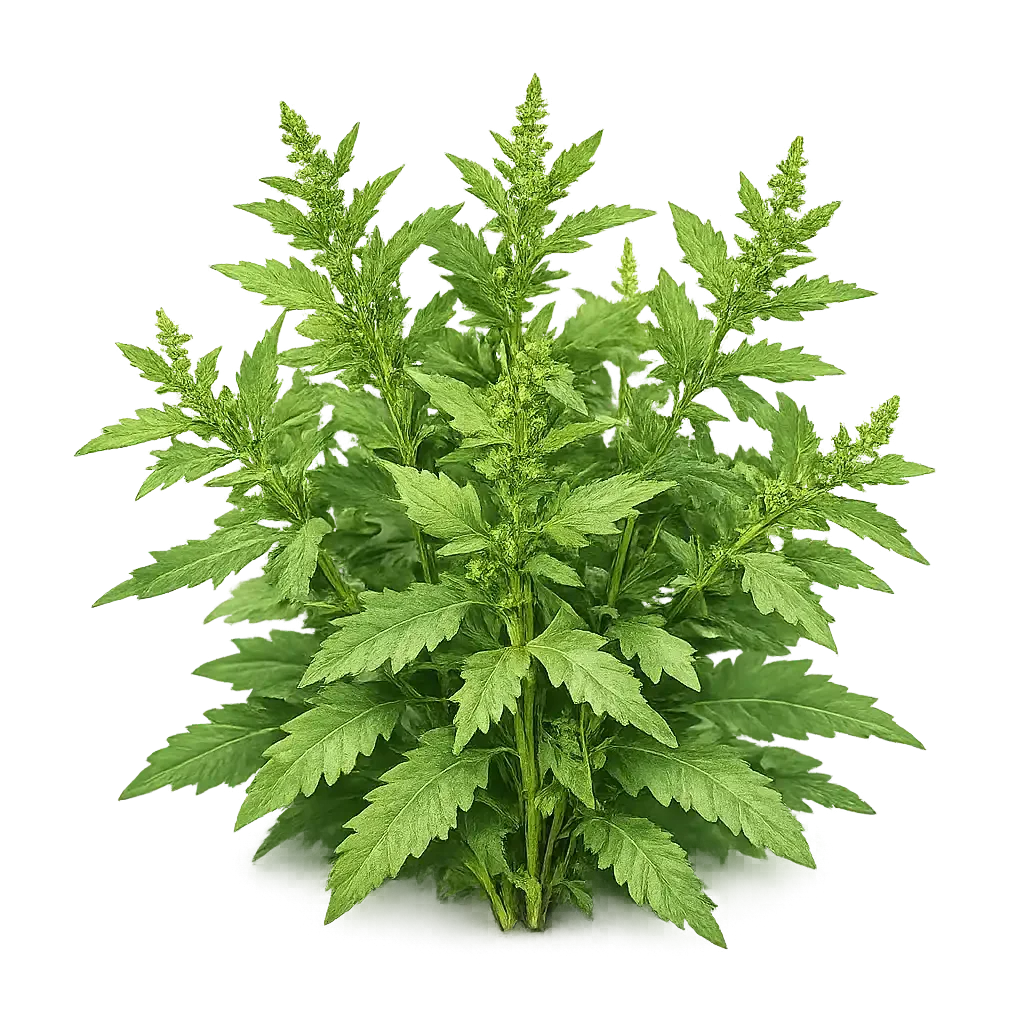
Written By Arthur Simitian
QUICK FACTS
Common Name
Epazote, Mexican Tea, Wormseed, Pazote, Hierba Santa (not to be confused with the separate herb Piper auritum also called hierba santa in some regions)
Scientific Name
Dysphania ambrosioides (formerly Chenopodium ambrosioides)
Plant Type
Annual or short-lived perennial depending on climate; self-seeds prolifically and maintains a permanent colony; related to quinoa, amaranth, and spinach in the Amaranthaceae family
Hardiness Zones
Annual in zones 4 to 7; short-lived perennial in zones 8 to 11; self-seeding colony persists indefinitely in any zone once established
Sun Requirements
Full sun to partial shade; more shade tolerant than most culinary herbs
Soil Type
Remarkably unfussy; grows in poor, compacted, dry soils where most herbs fail; pH 5.5 to 7.5; often appears as a volunteer in disturbed ground, compost heaps, and garden paths
Plant Height
2 to 4 feet
Harvest Parts
Fresh leaves and stem tips (primary culinary use); seeds (traditional antiparasitic use)
Primary Active Compounds
Ascaridole (bicyclic monoterpene endoperoxide; primary bioactive; antiparasitic at high doses; toxic in quantity); p-cymene; limonene; alpha-terpinene; isoascaridole; saponins; flavonoids
Uses
Culinary herb fundamental to Mexican, Central American, and parts of South American cooking, particularly with beans and corn dishes; traditional antiparasitic (seed decoction); carminative; digestive; antifungal
Epazote is the herb that serious cooks who work with Mexican and Central American food treat as indispensable and that almost everyone else has never heard of. It does not taste like anything in the European herb tradition: the flavor is resinous, petroleum-adjacent, medicinal, and herbal all at once, with a sharp intensity that reads as unpleasant in isolation but integrates into bean dishes, corn preparations, and mole sauces with a rightness that cannot be replicated by any substitute. The claim that epazote reduces flatulence from beans is the most repeated piece of information attached to this herb, and like most things repeated that confidently, the reality behind it is more complicated and more interesting than the claim suggests. Epazote is genuinely worth growing on any homestead where Mexican or Central American cooking happens regularly, and it is an exceptionally undemanding plant to establish. It grows in neglected corners, self-seeds with enthusiasm, and asks essentially nothing from the grower.
Introduction
Dysphania ambrosioides belongs to the Amaranthaceae family, the same family as quinoa, amaranth, spinach, beets, and lamb's quarters, and the family relationship is visible in the plant's habit and seed structure. The genus name was changed from the older Chenopodium in a 2002 taxonomic revision; the name Chenopodium ambrosioides still appears widely in older literature and seed catalogues, and both names refer to the same plant. The common name epazote derives from the Nahuatl words for skunk (epatl) and sweat (tzotl), a brutally honest description of the plant's aroma that suggests it made a strong impression on the Aztec civilization that used it extensively in cooking and medicine.
The plant is native to Central America and southern Mexico, where it has been in continuous culinary and medicinal use for at least three thousand years based on archaeological and historical evidence. Spanish colonists and later traders distributed it globally, and it has naturalized as a weed throughout tropical and subtropical regions worldwide. In many parts of the eastern United States, it grows as a common urban and disturbed-ground weed under the name Mexican tea or wormseed, unrecognized by most people who walk past it despite being an important culinary herb in the countries whose immigrants have brought their cooking traditions north.
How to Grow
Establishment
Epazote is established most easily by direct sowing on the soil surface in spring after the last frost, or in autumn in mild-winter climates. The seed requires light to germinate and should not be covered; simply press it into the soil surface and keep moist until germination, which occurs in seven to fourteen days in warm conditions. Transplants are available from specialty herb nurseries but are less common than seed; growing from seed is the standard approach and the most reliable.
Once established, the plant self-seeds so freely that replanting is almost never necessary after the first year. A single plant that sets seed produces hundreds to thousands of viable seeds that germinate wherever they fall, and the resulting volunteers establish a permanent colony that will appear each spring in the same area without any intervention from the grower. The management task shifts from establishment to directing where the volunteers are welcome to grow and where they are not.
Soil and Siting
Epazote is genuinely one of the least demanding herbs in this series in terms of soil and growing conditions. It thrives in poor, dry, compacted, and disturbed soils that would stress most culinary herbs, and appears spontaneously as a volunteer in compost heaps, gravel paths, cracks in paving, and the disturbed margins of garden beds in climates where it has naturalized. Rich, heavily amended soil tends to produce lush, coarse, less aromatic plants; lean, dry soil produces the compact, intensely aromatic growth with the most concentrated volatile oil content. This lean-soil preference aligns with the pattern seen across most aromatic herbs in this series.
Partial shade is tolerated well compared to most culinary herbs; epazote grows in the dappled shade beneath trees and on the north side of structures without the severe flavor loss that shade causes in Mediterranean herbs. This shade tolerance makes it useful in garden positions where few other herbs perform.
Lifespan and Colony Management
In zones 4 through 7, individual plants are annuals that complete their cycle from seed to seed in a single growing season. In zones 8 and above, the same plant may overwinter and behave as a short-lived perennial for two to three years before declining, while self-seeded replacements establish continuously around it. Either way, the practical result is the same: a self-perpetuating colony that requires selective thinning to keep within the desired footprint rather than replanting effort to maintain.
Deadheading to prevent seed set is the primary management tool for controlling spread. In a garden where volunteers in the path, the vegetable bed, or the neighboring border are a nuisance, removing the seed heads before they ripen prevents the most aggressive spread. In a dedicated herb or kitchen garden corner, allowing free self-seeding means the colony covers the area with no further attention required.
Harvesting
Harvest fresh leaves and stem tips at any point in the growing season once the plant has reached six inches. The flavor and volatile oil content are highest in the period before flowering begins; once the plant is actively flowering and setting seed, the leaves become progressively more resinous and less suitable for culinary use in large quantities, though small amounts remain useful. Regular harvesting of the growing tips delays flowering and extends the culinary harvest window by several weeks.
Fresh epazote is always the preferred form for culinary use; the volatile compounds that carry its characteristic flavor dissipate rapidly on drying, and dried epazote is a shadow of the fresh herb. Where the plant is unavailable fresh through winter, freezing whole leaves or stem tips in a sealed bag preserves the flavor considerably better than drying. In climates where epazote self-seeds as a perennial colony, fresh leaves are often available nearly year-round from the volunteer seedlings that emerge through the mild-weather months.
Culinary Uses
With Beans
The pairing of epazote with beans, particularly black beans, pinto beans, and frijoles de olla, is the most fundamental culinary application of this herb and the one that explains its presence in Mexican kitchens as a matter of routine rather than occasional use. A sprig of fresh epazote added to the pot when beans are simmering contributes a savory, herbal depth to the bean broth that has no equivalent from any other herb in the Western kitchen garden. The flavor integration is subtle in a finished dish but its absence in a traditional bean preparation is immediately noticeable to anyone who has eaten both versions.
The standard method is simple: add two to four sprigs of fresh epazote to the pot in the last thirty minutes of cooking, allowing the heat to extract the volatile compounds into the cooking liquid without the extended heat that would drive them off. Remove the woody stems before serving; the leaves can remain in the dish. For dried beans cooked from scratch, this is the correct timing; for canned beans heated through with aromatics, adding epazote at the beginning of the brief simmering time works equally well.
The Flatulence Claim
The claim that epazote reduces flatulence from beans is the most widely repeated piece of information about this herb outside of Mexico, and it is worth addressing directly rather than simply repeating it. The traditional use is real and deeply embedded in Mexican cooking culture; cooks who use epazote with beans report reduced gas, and this is not fabricated. The mechanism proposed is that epazote's volatile compounds, particularly ascaridole and related terpenes, inhibit the gas-producing activity of the intestinal bacteria that ferment the oligosaccharide sugars in beans that humans cannot digest.
The honest assessment of the evidence is that the carminative mechanism is plausible given the known antimicrobial and antifungal activity of ascaridole, but it has not been rigorously tested in controlled human trials. The effect, if real, is from fresh herb; dried epazote added to bean dishes is unlikely to provide meaningful volatile oil content for any carminative activity. Soaking beans and discarding the soaking water, which removes a significant portion of the flatulence-causing oligosaccharides, has clearer evidence than any herb addition. Epazote likely contributes some carminative benefit, genuine traditional use does not develop around nothing, but the magnitude of the effect is probably smaller than the cultural confidence in the claim suggests.
Other Culinary Applications
Beyond beans, epazote appears in quesadillas, particularly in Oaxacan cooking where it is combined with squash blossoms and Oaxacan string cheese in a classic preparation. It goes into tamales, green salsas, corn soup, and is a component of some regional mole verde preparations. It is used fresh in corn tortillas in some traditions and appears as a finishing herb scattered over soups and stews in much the same way cilantro is used in other Mexican dishes.
The flavor has no precise Western equivalent. The closest descriptions place it somewhere between diesel, fresh cilantro, and medicinal herb, which sounds terrible and is nonetheless accurate as a description of something that works powerfully in the right culinary context. Cooks encountering it for the first time should start with a single sprig in a large pot of beans rather than adding it as a primary flavoring; the flavor builds with quantity and a small amount goes considerably further than the same volume of most culinary herbs.
Growing epazote in a container or small space:Epazote adapts well to container growing, which is the practical approach for growers in cold climates who want fresh herb through the warm season without establishing a self-seeding colony in the garden. A five-gallon container in a sunny to partly shaded position produces more than enough fresh herb for regular culinary use from a single plant. Use a lean, well-draining potting mix; avoid rich, heavily amended mixes that produce lush, low-flavor growth. Water when the top inch of soil has dried rather than keeping consistently moist. Container plants in zones 4 through 7 can be brought indoors before the first frost and kept in a bright window through winter if continuous fresh supply is wanted, though the plant grows slowly in low winter light and a new outdoor planting in spring typically produces better quality foliage than an overwintered container plant. For a kitchen garden without space for a naturalized colony, a container on a deck or patio near the kitchen provides the convenience of a fresh supply without the self-seeding management that comes with an in-ground planting.
Medicinal History and the Antiparasitic Use
For several centuries before the development of pharmaceutical antiparasitic drugs, epazote seed oil was among the most widely used antiparasitic treatments in traditional medicine across Central and North America, the Caribbean, and parts of Africa and Asia where the plant had naturalized. A seed decoction or the expressed seed oil, called oil of chenopodium, was used to expel intestinal roundworms, hookworms, and Ascaris species, and the active compound ascaridole was isolated and identified in the early twentieth century as the specific compound responsible for the antiparasitic activity.
Ascaridole works as an antiparasitic by directly disrupting the metabolism and motility of intestinal parasites through its bicyclic endoperoxide structure, which generates reactive oxygen species inside parasite cells in a mechanism with some similarity to the antimalarial activity of artemisinin from Artemisia annua. Oil of chenopodium was listed in the United States Pharmacopeia until the 1940s, when it was displaced by synthetic anthelmintic drugs with better safety profiles, specifically because the therapeutic dose of ascaridole is uncomfortably close to the toxic dose and accidental overdose in children was documented.
This history is worth knowing for context rather than for practice: the medicinal antiparasitic use of concentrated epazote seed oil or high-dose seed preparations is not recommended, and the toxicity risk from ascaridole at medicinal doses is real and documented. The culinary use of fresh leaves in cooking is an entirely different matter, delivering trivial quantities of ascaridole in a food context that has a completely clean safety record at normal culinary use levels.
Cautions: the culinary and medicinal dose distinction is essential: Fresh epazote leaves used as a culinary herb in cooking are safe at normal food quantities with a several-thousand-year history of use across large populations. The cautions that follow apply specifically to high-dose preparations, primarily concentrated seed oil and large quantities of seed decoction. Ascaridole at high doses causes nausea, vomiting, headache, dizziness, kidney and liver damage, and in severe cases central nervous system toxicity; these effects occurred historically with medicinal oil of chenopodium and are not a risk from adding a few sprigs to a pot of beans. Epazote is contraindicated in pregnancy at any dose beyond normal culinary use; ascaridole has documented uterine-stimulating activity and the medicinal antiparasitic preparations were historically used as abortifacients. This is a hard contraindication for the medicinal form; culinary use of small amounts in cooking is generally considered safe in pregnancy but should be conservative. Do not prepare or consume epazote seed oil, concentrated seed extracts, or large quantities of seed decoction at home; the medicinal antiparasitic use belongs to a clinical context with appropriate dosing control, not to home practice. People with kidney or liver disease should limit epazote consumption to small culinary amounts. The plant is toxic to dogs and cats at significant quantities; keep out of reach of pets who might graze on it.
Pros and Cons
Advantages
Irreplaceable culinary herb for Mexican and Central American cooking; no close substitute exists for the specific flavor it contributes to bean dishes and corn preparations; if this cooking tradition happens in the household, fresh epazote is genuinely worth having
Among the easiest herbs in this series to establish and maintain; grows in poor, dry, shaded conditions where most culinary herbs fail; self-seeds to form a permanent, self-maintaining colony
Shade tolerant; fills garden positions that most aromatic herbs cannot use productively
Fast-growing annual; fresh leaves available within weeks of germination; no multi-year wait for the first useful harvest
Rich culinary and medicinal history spanning several thousand years provides deep traditional context for use; not a recently promoted herb with shallow roots
Container-friendly for cold climates and small spaces; a five-gallon pot produces more than enough fresh herb for regular culinary use
Limitations
Strongly flavored in a way that is specific to one culinary tradition; growers who do not cook Mexican or Central American food will have limited use for it compared to more versatile culinary herbs
Self-seeding can become aggressive; requires consistent deadheading to prevent the colony from spreading well beyond its intended footprint in a managed garden
Does not dry well; the volatile compounds that define its flavor dissipate rapidly, making fresh herb or frozen the only practical forms for culinary use
The medicinal antiparasitic use, which is historically the plant's most significant non-culinary application, requires a level of dosing precision and safety monitoring that makes home practice inadvisable; the medicinal dimension of this herb is historical context rather than practical homestead medicine
Pregnancy contraindication at doses above normal culinary use; one of the harder contraindications in this series at medicinal levels
Toxic to pets in significant quantities; requires awareness in households with dogs or cats that have access to the garden
Common Problems
Epazote is among the most problem-free herbs in this series under normal garden conditions. Pest damage is rare; the resinous volatile compounds that make the plant aromatic are broadly deterrent to most herbivorous insects, and the plant rarely suffers the aphid and caterpillar damage that affects more palatable herbs.
Overwatering and poor drainage are the main failure modes, particularly for container-grown plants. The root system is sensitive to waterlogging, and the characteristic symptom of overwatered epazote is sudden yellowing and collapse of the lower stems. Ensuring well-drained soil and watering conservatively prevents this almost entirely.
In cold-climate gardens, epazote planted too early before the soil has warmed above 60 degrees Fahrenheit is slow to germinate and susceptible to damping off. Waiting for reliably warm soil, or starting seed indoors two to three weeks before the last frost and transplanting out when conditions are warm, avoids the cold-soil establishment problems.
Final Thoughts
Epazote rewards specificity of purpose. It is not a general-purpose culinary herb that improves a wide range of dishes. It is the herb for black beans. It is the herb for Oaxacan quesadillas. It is the herb that connects a pot of frijoles de olla made in a garden kitchen in Michigan or California or Vermont to the same preparation made in Oaxaca or Veracruz or Mexico City.
If those dishes are made in your kitchen, grow it. It takes nothing from the garden and gives the one flavor that cannot be found anywhere else.