
Eucalyptus
Written By Arthur Simitian
QUICK FACTS
Common Name
Eucalyptus; Silver Dollar Eucalyptus (E. cinerea); Blue Gum (E. globulus); Lemon Eucalyptus (E. citriodora)
Scientific Name
Eucalyptus spp. (genus of over 700 species); key medicinal species are E. globulus, E. radiata, E. citriodora, and E. cinerea
Plant Type
Evergreen tree or large shrub; can be managed as a coppiced shrub or container plant in cold climates
Hardiness Zones
Varies strongly by species: E. cinerea zones 8 to 11; E. globulus zones 8 to 10; E. gunnii (cider gum) to zone 7; E. pauciflora (snow gum) to zone 6; container growing with indoor overwintering extends range to any zone
Sun Requirements
Full sun; does not perform well in shade
Soil Type
Well-drained to dry; tolerates poor, rocky, and acidic soils; pH 5.5 to 7.0; very drought tolerant once established; does not tolerate waterlogged soil
Growth Rate
Very fast; among the fastest-growing woody plants in cultivation; E. globulus can reach 6 to 10 feet in its first year in favorable conditions
Harvest Parts
Fresh and dried leaves (primary); essential oil distilled from leaves (commercial; not practical at home scale)
Primary Active Compounds
1,8-cineole (eucalyptol; 60 to 85% of essential oil depending on species; primary bioactive); alpha-pinene; limonene; p-cymene; cryptone; citronellal (E. citriodora); globulol; viridiflorol
Uses
Respiratory decongestant and expectorant; antimicrobial; anti-inflammatory; insect repellent (E. citriodora); cut foliage for floral arrangements and wreaths; steam inhalation for colds and sinus congestion; topical muscle and joint preparations
Eucalyptus is a tree grown as a medicinal herb, and it is honest about being both. The leaves contain 1,8-cineole, commonly called eucalyptol, in concentrations that make eucalyptus the primary commercial source of this compound worldwide and the basis of a documented respiratory medicine used across conventional and traditional practice globally. The same leaves that supply a pharmaceutical-grade active compound grow on a plant that, in the right climate, becomes a large tree in a few years and demands to be managed accordingly. This is not a pot of basil. Understanding eucalyptus as a fast-growing tree that is managed into a useful, harvestable form, rather than a herb that happens to be woody, is the frame that makes it workable on a homestead of any size in any climate zone.
Introduction
The genus Eucalyptus contains over 700 species, almost all native to Australia, where they dominate the landscape from coastal scrub to alpine woodland and constitute the primary food source of koalas. The genus belongs to the Myrtaceae family and is closely related to Melaleuca (tea tree), another Myrtaceae species with a well-documented antimicrobial essential oil. The shared family chemistry, specifically the high concentration of cyclic monoterpene oxides in the leaf essential oil, accounts for both genera's similar medicinal profiles despite their different geographic origins.
Eucalyptus was introduced to the rest of the world during the colonial era and has naturalized extensively in California, Spain, Portugal, parts of South America, and East Africa, where it was planted as a fast-growing timber and fuel crop. This introduction has created serious ecological problems in several regions, as eucalyptus outcompetes native vegetation, depletes groundwater disproportionately relative to native species, and accumulates leaf litter that dramatically increases fire intensity. These ecological concerns are directly relevant to the homestead grower considering a planting: eucalyptus is a plant that requires deliberate containment by design, either through climate limitation, container growing, or aggressive coppicing management, rather than a plant to establish and allow to grow freely in mild climates.
For the homestead grower, the most practically useful eucalyptus species are not the towering blue gums of commercial plantations but the smaller, more manageable species that can be kept in container culture, grown as coppiced shrubs, or planted where their eventual size is appropriate. Eucalyptus cinerea, the silver dollar eucalyptus, is the species most widely available in nurseries and most valued for its ornamental round juvenile foliage used in cut flower arrangements. Eucalyptus gunnii, the cider gum, is among the hardiest species and the most commonly grown in the British Isles and colder climates. Eucalyptus radiata is considered to have the most balanced cineole-rich essential oil for therapeutic purposes. All three serve the homestead herb purpose well within their respective climate tolerances.
Species Selection
Eucalyptus cinerea (Silver Dollar Eucalyptus)
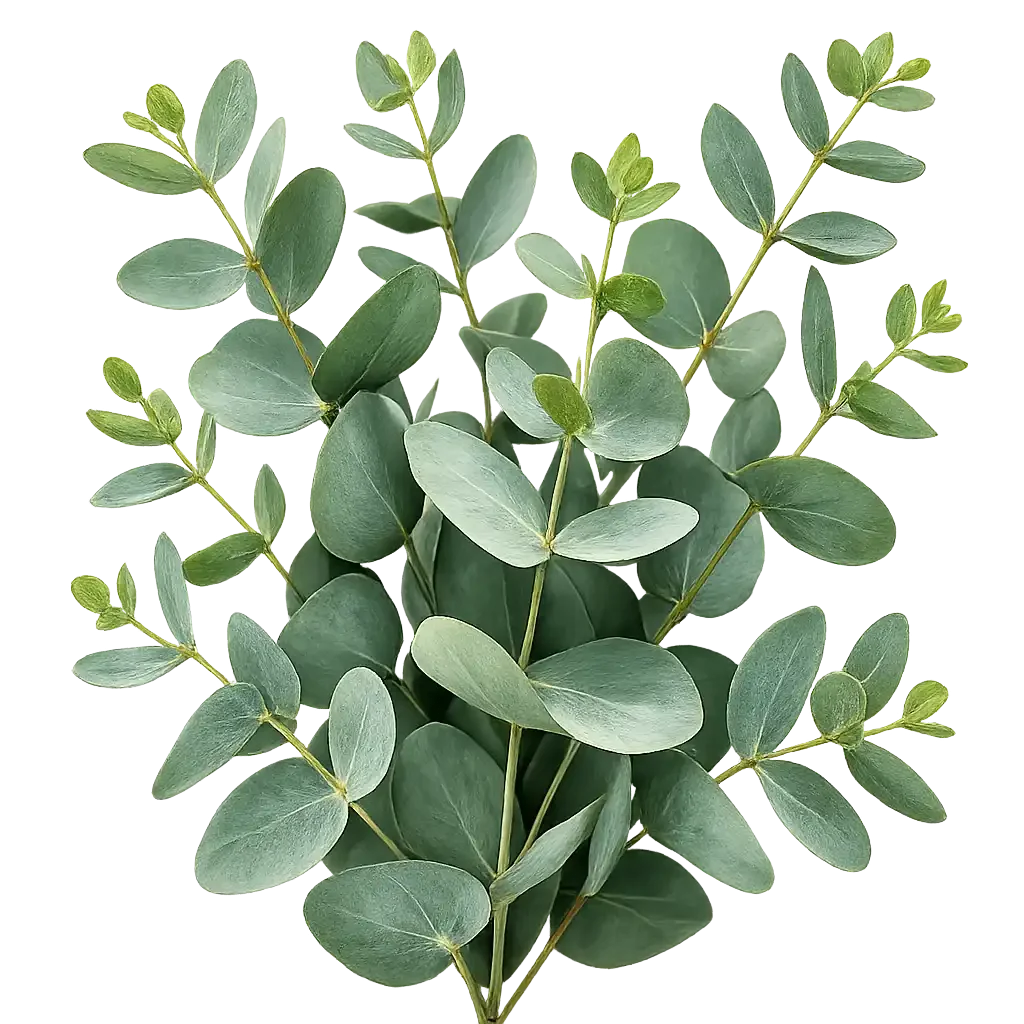
The most ornamentally valued eucalyptus for homestead use, with the distinctive round, blue-grey juvenile leaves arranged in opposite pairs along square stems that are immediately recognizable and widely used in dried floral arrangements, wreaths, and as fresh cut foliage. Hardy to zone 8, it can be grown as a container plant overwintered indoors in colder zones. Cineole content of the leaves is high, making it suitable for all medicinal leaf uses as well as ornamental ones. This is the species to choose if cut foliage for arrangements is a priority alongside medicinal use.
Eucalyptus gunnii (Cider Gum)
The hardiest commonly available eucalyptus, tolerating temperatures down to around 5 degrees Fahrenheit (-15 Celsius) in established plants, placing it in zone 7 and marginally into zone 6 in sheltered positions. It can be coppiced aggressively each spring to maintain shrub form and maximize juvenile foliage production; coppiced cider gum produces the same round, blue-grey juvenile leaves as silver dollar eucalyptus and maintains the compact form suitable for smaller gardens. This is the species for cold-climate growers who want to grow eucalyptus in the ground rather than in containers.
Eucalyptus radiata (Narrow-Leaved Peppermint)
Considered by many aromatherapists and herbalists to produce the most therapeutically well-rounded cineole-rich leaf oil, with a cleaner, lighter, less camphoraceous profile than E. globulus that makes it more suitable for use with children and sensitive individuals. Hardy to zone 8. Less commonly available in nurseries than E. cinerea or E. gunnii but worth seeking from specialist eucalyptus nurseries if medicinal quality is the primary goal.
Eucalyptus citriodora (Lemon Eucalyptus)
Distinct from the cineole-dominant species above; its essential oil is dominated by citronellal rather than cineole, giving a fresh lemon-citrus fragrance rather than the classic camphor-eucalyptus character. This is the species behind PMD (para-menthane-3,8-diol), the only plant-based insect repellent with CDC endorsement for protection against Lyme disease-carrying ticks and malaria-carrying mosquitoes. Hardy to zone 9. Relevant for homesteads in tick and mosquito pressure zones where a plant-based repellent source is wanted.
How to Grow
Container Growing for Cold Climates
Container growing is the practical approach for growing eucalyptus in zones 4 through 7, where even the hardiest species cannot be reliably overwintered in the ground. The method is straightforward: grow in the largest container practical, at minimum a 15-gallon pot, in well-draining potting mix with minimal fertilizer to slow growth to a manageable rate. Move outdoors after the last frost in spring and bring into a cool, bright, frost-free space, such as an unheated greenhouse, garage with a window, or cool room, before the first autumn frost.
Container eucalyptus requires aggressive pruning to remain manageable; left unpruned, even container plants push growth rapidly and become top-heavy. Cutting the main stem back by half each spring, before the plant goes outside, forces new juvenile foliage from lower nodes, which is both the most ornamentally useful foliage and the most aromatic for medicinal use. This annual cutback also prevents the plant from outgrowing its container too rapidly, though repotting into a larger container every two to three years will eventually be necessary.
In-Ground Growing in Mild Climates
In zones 8 and above, the primary management consideration for in-ground eucalyptus is size control and fire risk. A freely grown E. globulus or E. cinerea in a zone 9 or 10 garden will reach forty to sixty feet without management; this is not a practical homestead medicinal plant at that scale, and the fire risk from accumulated eucalyptus litter in a fire-prone climate is a genuine hazard rather than a theoretical one. The management approach that makes eucalyptus practical in mild climates is coppicing: cutting the main stem or trunks to ground level every one to two years in late winter, which forces a flush of new juvenile growth from the base that is the most useful form of the foliage and keeps the plant at shrub scale indefinitely.
Coppiced eucalyptus in a zone 8 to 10 garden produces an annual harvest of fragrant, ornamental, medicinal foliage from a root system that becomes more vigorous with each coppicing cycle, without the tree ever reaching the size that creates fire risk, windthrow risk, or the allelopathic litter accumulation that makes large eucalyptus trees problematic in the landscape.
Fire Risk: A Direct Caution
Eucalyptus essential oil is highly flammable, and eucalyptus trees in fire-prone climates represent a documented elevated fire risk compared to native vegetation. The leaf litter, the bark shreds, and the oil-laden leaves themselves ignite readily and burn intensely. In California, Australia, and other fire-affected regions, eucalyptus planted near structures has contributed to catastrophic fire losses. This is not a theoretical risk to be weighed lightly: in any climate zone with a dry season and wildfire history, planting eucalyptus near structures or in positions where fire spread to structures is possible is a decision that requires genuine caution. Coppiced management in a dedicated, cleared-base location away from structures is the responsible approach in fire-risk climates.
Harvesting
Harvest leaves and stem tips at any point in the growing season, cutting stems of six to twelve inches in the morning when volatile oil content is highest. For fresh use in steam inhalation, harvest and use immediately. For drying, hang small loose bundles in a warm, ventilated, shaded space for seven to ten days; eucalyptus leaves retain their cineole content through drying better than most aromatic herbs because cineole is a relatively stable compound compared to the more volatile terpenes of herbs like basil or cilantro. Dried eucalyptus leaf stored in airtight glass keeps its medicinal activity for twelve to eighteen months.
For cut foliage use in arrangements and wreaths, harvest stem lengths of twelve to twenty-four inches, strip the lower leaves, and place immediately in water if using fresh, or hang to dry if making dried arrangements. Eucalyptus cinerea juvenile foliage is commercially harvested at this scale for the floristry trade; home-grown foliage of the same quality is available in quantity from a single coppiced plant.
Steam inhalation: the correct method and why it works: Steam inhalation with eucalyptus leaf or a few drops of eucalyptus essential oil is the most direct and effective way to deliver cineole to the respiratory mucosa, where it acts as a mucolytic, loosening and thinning mucus, and as an antimicrobial against the pathogens causing upper respiratory infection. The mechanism is well established: cineole inhibits arachidonic acid metabolism, reducing inflammatory mediator production in the bronchial mucosa, and directly disrupts bacterial cell membrane integrity at concentrations achievable through inhalation. To prepare a steam inhalation: bring 500ml of water to a boil, remove from heat, add a large handful of fresh eucalyptus leaves or six to eight dried leaves, and allow to steep for two minutes before beginning inhalation. Drape a towel over the head and the bowl, close the eyes, and inhale the steam slowly through the nose and mouth for five to ten minutes. The towel creates the enclosed space that concentrates the cineole-laden steam around the face; without it, the volatile compounds disperse too quickly to achieve therapeutic concentration. Repeat two to three times daily during acute respiratory infection. This is a genuinely effective preparation for upper respiratory congestion with a cineole delivery mechanism that is directly supported by clinical pharmacology, not merely traditional plausibility.
Medicinal Uses
Respiratory Decongestant and Expectorant
1,8-cineole is a pharmaceutical-grade compound used in conventional respiratory medicine under several trade names including Soledum and Gelomyrtol, prescribed in Germany and other European countries for acute bronchitis and sinusitis. The clinical evidence base for cineole in respiratory conditions is robust by phytomedicine standards: a 2009 randomized controlled trial published in Arzneimittelforschung found that oral cineole capsules significantly reduced the severity and duration of acute bronchitis compared to placebo, and a 2011 RCT in the European Archives of Otorhinolaryngology demonstrated significant improvement in sinusitis symptoms with oral cineole versus placebo. This is pharmaceutical-level evidence for a compound derived directly from eucalyptus leaf.
For the homestead context, steam inhalation with eucalyptus leaf delivers cineole through the inhalation route rather than orally, reaching the respiratory mucosa directly rather than systemically. This is a different pharmacokinetic pathway from the oral capsules in the clinical trials but is supported by the well-documented mucolytic and anti-inflammatory activity of inhaled cineole, and by the widespread consistent clinical experience of symptom relief from eucalyptus steam inhalation across traditional and conventional practice globally.
Antimicrobial Activity
Eucalyptus leaf essential oil and its primary constituent cineole have demonstrated broad-spectrum antimicrobial activity in laboratory studies against respiratory pathogens including Staphylococcus aureus, Haemophilus influenzae, and several Streptococcus species, as well as antiviral activity against influenza A. The antimicrobial mechanism involves disruption of bacterial cell membranes by the lipophilic terpene compounds, which partition into and destabilize the phospholipid bilayer. This activity explains the traditional use of eucalyptus in wound care preparations in Australian and global folk medicine traditions and supports the use of diluted eucalyptus preparations as a surface antimicrobial in the homestead setting.
Topical Anti-inflammatory
Cineole's inhibition of arachidonic acid metabolism produces anti-inflammatory effects relevant to topical application for muscle soreness and joint pain. Eucalyptus appears in numerous commercial topical preparations for this purpose, often combined with menthol, camphor, and methyl salicylate. A simple home preparation of dried eucalyptus leaf infused in a carrier oil, strained and applied topically, delivers cineole and the supporting terpenes to the skin and underlying tissue at concentrations consistent with the anti-inflammatory mechanism. The preparation method is identical to the infused oils described for St. John's Wort and lavender elsewhere in this series.
Insect Repellent (E. citriodora)
Lemon eucalyptus specifically, through its citronellal and PMD content, provides documented insect repellent activity. The CDC lists oil of lemon eucalyptus as an EPA-registered repellent effective against mosquitoes carrying West Nile virus, dengue, and malaria, and against ticks carrying Lyme disease. This is the strongest regulatory endorsement of any plant-based repellent currently available, placing it alongside DEET and picaridin as recommended options for high-risk bite exposure. For homesteads in tick-pressure regions, growing E. citriodora and preparing a simple leaf-infused carrier oil or diluted essential oil preparation represents a practically useful and evidence-backed approach to bite prevention during outdoor work.
Cautions and interactions: Eucalyptus essential oil taken internally is dangerous and potentially fatal, particularly for children; even small amounts of undiluted essential oil can cause central nervous system depression, respiratory failure, and seizures in children. The internal use of eucalyptus essential oil is contraindicated except in pharmaceutical preparations with defined dosing, such as the cineole capsules used in German clinical trials. This caution applies to the concentrated essential oil, not to herbal tea, steam inhalation with leaf material, or properly diluted topical preparations, which are safe at normal use levels. Eucalyptus leaf tea should be consumed only in moderate quantities; excessive internal use of leaf preparations can cause nausea and central nervous system effects from cineole accumulation. Do not apply undiluted eucalyptus essential oil directly to skin, particularly on or near the face of children under ten years; dilute to one to two percent in a carrier oil for topical use. Eucalyptus may interact with some pharmaceutical drugs metabolized by CYP1A2 and CYP2C9 enzyme pathways, as cineole is a CYP inducer at high doses; people on narrow therapeutic index medications including warfarin and certain anticonvulsants should exercise caution with high-dose preparations. People with asthma should use eucalyptus steam inhalation cautiously; in some sensitive individuals, concentrated cineole inhalation can trigger bronchospasm rather than relieve it, and should be discontinued immediately if any breathing difficulty occurs. Not for use during pregnancy at medicinal doses. Oil of lemon eucalyptus (E. citriodora) should not be used on children under three years of age.
Pros and Cons
Advantages
Primary active compound, 1,8-cineole, has pharmaceutical-level clinical evidence for respiratory conditions from properly designed RCTs; this is among the better-evidenced plants in this series for its primary application
Extremely fast-growing; a coppiced plant in zone 8 or above, or a container plant in any zone, produces harvestable foliage within its first growing season and increasingly abundant harvests as the root system matures
Provides both a medicinal harvest and ornamental cut foliage with genuine commercial value; E. cinerea juvenile foliage is consistently in demand in the floristry trade and produces real financial return from a home planting at scale
Lemon eucalyptus is the most evidence-backed plant-based insect repellent available, with CDC and EPA endorsement placing it alongside synthetic repellents for tick and mosquito protection
Evergreen in mild climates; provides year-round harvest without the seasonal dormancy that limits most herbs in this series
Coppicing management keeps the plant at a useful, harvestable scale while preventing the size and fire risk problems of freely grown trees
Limitations
Not frost hardy in most commonly available species; zones 4 through 7 require container growing with indoor overwintering, which adds management overhead and limits ultimate plant size and harvest volume
Genuine fire risk in dry climates; requires deliberate siting, coppice management, and cleared base maintenance to avoid becoming a fire hazard near structures
Essential oil is dangerous internally, particularly for children; requires careful storage and clear labeling when kept alongside other household preparations
Invasive outside its native range in mild coastal climates; the grower in zones 8 to 10 has a responsibility to manage seed production and prevent naturalization beyond the property boundary
Not a small garden herb; even coppiced management requires a dedicated, appropriately sited space; not suitable for containers smaller than 15 gallons or for growing on a windowsill
The broad genus of 700-plus species creates significant confusion in nursery labeling; species identification matters for both cold hardiness and medicinal compound profile, and mislabeled plants are common in general nursery trade
Common Problems
Root rot from overwatering or poorly drained soil is the most common failure mode for container-grown eucalyptus. The plant's natural habitat is well-drained to dry soil, and the combination of a large container, a dense potting mix, and regular watering creates waterlogging conditions that eucalyptus roots cannot tolerate. A gritty, free-draining potting mix with added perlite or coarse grit, combined with watering only when the top inch of soil has dried, prevents most root rot failures in container culture.
Frost damage on species sited at the edge of their cold hardiness range manifests as leaf browning and stem dieback after hard freezes. Established plants of E. gunnii often regenerate from the root after top kill in cold winters; providing a protective mulch over the root zone through winter and waiting until late spring before removing apparently dead top growth, which may resprout, is the appropriate response rather than immediate removal.
Psyllid insects, particularly the eucalyptus psyllid, can cause leaf pitting and distortion in regions where these pests have established. This is primarily a cosmetic issue rather than a plant health threat in most cases; heavily damaged leaves are less suitable for medicinal use but the plant itself is rarely killed by psyllid damage.
Final Thoughts
Eucalyptus earns its place in this herb series despite being a tree. The medicinal case for cineole is strong enough to belong alongside the best-evidenced plants covered here, the ornamental and commercial cut foliage value is real, and the lemon eucalyptus insect repellent application is the most specifically evidence-backed plant-based pest protection available. What it requires in return is honesty about what it is: a fast-growing woody plant that needs a dedicated location, deliberate size management, and in cold climates, a container and an indoor overwintering space.
Give it those things, and a coppiced eucalyptus in a mild garden or a container plant brought in each autumn provides more harvestable, useful material per square foot than most of the true herbs in this series. The steam bowl on the kitchen counter on a winter evening, leaves from the plant on the patio that spent summer growing vigorously in full sun, is the full return on that management effort in one simple preparation.