
Fennel
Written By Arthur Simitian
QUICK FACTS
Common Name
Fennel, Sweet Fennel, Wild Fennel; Florence Fennel or Finocchio (bulbing variety)
Scientific Name
Foeniculum vulgare (herb fennel); Foeniculum vulgare var. azoricum (Florence fennel)
Plant Type
Hardy herbaceous perennial in zones 6 to 10; grown as an annual in zones 4 and 5; tall, architectural, self-seeding
Hardiness Zones
Herb fennel: zones 4 to 9 (perennial in zones 6 to 9, annual in zones 4 to 5); Florence fennel: grown as an annual in all zones
Sun Requirements
Full sun; at least 6 hours; flavor and seed production diminish significantly in shade
Soil Type
Well-drained, moderately fertile; tolerates poor, dry soils; pH 5.5 to 6.8; drought tolerant once established
Plant Height
Herb fennel: 4 to 6 feet; Florence fennel: 18 to 24 inches to bulb harvest
Harvest Parts
Fronds (fresh herb); seeds (spice); pollen (premium culinary ingredient); Florence fennel bulb; stems
Primary Active Compounds
Anethole (80 to 90% of essential oil; antispasmodic, estrogenic, antimicrobial); fenchone; estragole; limonene; quercetin; kaempferol; rosmarinic acid
Uses
Digestive carminative and antispasmodic; infant colic (gripe water); IBS symptom relief; estrogenic activity; respiratory; culinary spice fundamental to Italian, Indian, and Middle Eastern cooking; companion planting cautions apply
Fennel is the herb that divides the garden before it divides opinion about its flavor. The anise sweetness of fennel fronds, seeds, and pollen is one of cooking's most recognizable and polarizing aromatics, beloved in Italian sausage, Indian spice blends, and Provencal fish preparations, and avoided by people for whom the licorice association is unwelcome. What is less commonly known is that fennel also divides the kitchen garden more literally: it is allelopathic, releasing root exudates that inhibit the germination and growth of many neighboring plants, and it attracts and provides larval host plant for the swallowtail butterfly while simultaneously suppressing the growth of the vegetables the butterfly gardener is also trying to grow. Understanding what fennel wants, where it belongs, and what it offers in each of its several harvestable forms turns a potentially problematic plant into one of the more productive and architecturally valuable herbs in the homestead garden.
Introduction
Foeniculum vulgare is native to the Mediterranean basin and has naturalized throughout much of the world in the mild-winter, dry-summer climates it prefers, becoming an invasive weed in coastal California, Australia, South Africa, and other regions with similar climates. This naturalization is the visible expression of fennel's essential growing character: it thrives in poor, dry, sunny conditions where competing vegetation is sparse, self-seeds prolifically, and returns from established rootstock with vigor each spring. In its native range across southern Europe and the Mediterranean coast, it grows in rocky soils, roadsides, and coastal cliffs where few other large herbs can sustain themselves through hot dry summers.
The plant has been cultivated and used in cooking and medicine since at least classical antiquity. The Greeks and Romans used fennel extensively as a food flavoring, a digestive medicine, and a symbol of victory; Pliny the Elder recorded numerous medicinal applications in his first-century natural history, and the plant's widespread cultivation across the Roman Empire accounts for much of its current naturalized range across Europe. The name fennel derives from the Latin foeniculum, meaning little hay, a reference to the dried plant's resemblance to fragrant dried grass.
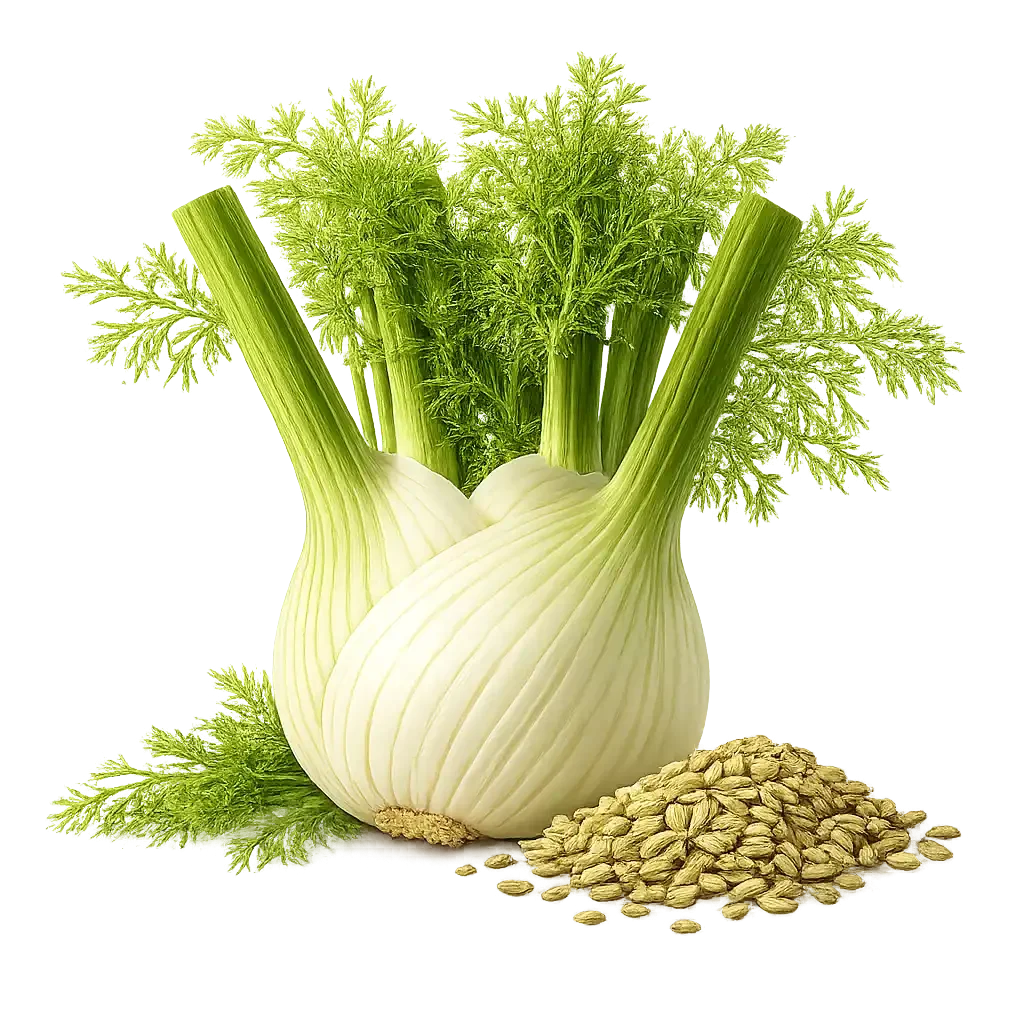
Three distinct fennel types merit separate treatment for the homestead grower. Common herb fennel (F. vulgare) is the tall perennial grown for fronds, seeds, and pollen. Bronze fennel (F. vulgare 'Purpurascens') is a colorful ornamental variant with bronze-purple foliage identical in flavor and use to green fennel, highly valued in the ornamental kitchen garden. Florence fennel, or finocchio (F. vulgare var. azoricum), is a distinct cultivated variety grown for its swollen bulb base, a cool-season vegetable crop more closely related to the other fennels than its distinct appearance suggests. This post covers all three in the contexts where each applies.
Companion Planting: The Isolate Fennel Rule
Before covering how to grow fennel, the companion planting caution deserves its own section because it determines where in the garden fennel can go. Fennel is broadly allelopathic: its roots release volatile compounds and polyphenols into the surrounding soil that inhibit the germination and growth of many plant species. Documented sensitive plants include tomatoes, peppers, eggplant, beans, kohlrabi, and many other common vegetable crops. Brassicas are particularly sensitive. Even dill, a close Apiaceae family relative, suffers from proximity to fennel and cross-pollinates with it in a way that degrades the flavor of both.
The practical rule is to grow fennel in a dedicated location away from the main vegetable garden, ideally at a distance of four feet or more, or in a container or isolated bed where its root zone cannot reach neighboring crops. This isolation is not an abundance of caution; it reflects documented performance differences in gardens where fennel and vegetables are interplanted versus separated. A dedicated fennel bed at the garden periphery, a container position, or a naturalized spot along a fence line or path edge where it can spread without consequence are all appropriate placements. Trying to integrate fennel into a mixed herb or vegetable border is an approach that causes problems.
The plants that tolerate or benefit from fennel proximity are fewer but notable. Dill should still be kept separate due to cross-pollination flavor loss. Roses reportedly benefit from fennel's proximity. Fennel's tall, airy structure provides a useful windbreak or background planting for ornamental borders where allelopathy to ornamental perennials is not the concern it is in a food garden.
Growing Herb Fennel
Establishment
Herb fennel is most easily established from seed sown directly in its permanent location, as the taproot that forms quickly after germination resents transplanting. Sow seed in spring after the last frost, pressing into prepared soil and barely covering; fennel seed germinates in seven to fourteen days in warm soil. Thin to twelve to eighteen inches to allow the mature plant's substantial spread. In zones 6 and above, established plants return from the rootstock each spring and expand gradually over years into substantial clumps; in zones 4 and 5, treat as an annual and resow each spring.
Bronze fennel is established by the same method and has the same growing requirements as green fennel. Its bronze-purple foliage color is most intense in cool weather and direct sun, fading somewhat in summer heat. The color provides strong ornamental contrast in a kitchen garden setting, and the flavor is identical to green fennel; it is worth growing on both grounds where space allows a dedicated fennel position.
Management and Self-Seeding
Established herb fennel in zone 6 and above requires little management other than cutting back the previous season's stems in late winter or early spring before new growth emerges. The hollow dried stems from the previous year's flowering are botanically interesting and provide overwintering habitat for beneficial insects; leaving them until late winter rather than cutting immediately after frost serves both purposes. Self-seeding is prolific once the plant begins flowering in its second or third year; deadheading the flower heads before seed set prevents unwanted spread in managed garden spaces, while allowing selective self-seeding in the fennel's dedicated area maintains the colony without replanting.
Growing Florence Fennel
Florence fennel is a cool-season vegetable crop grown for its swollen bulb base rather than its fronds or seed, and its cultural requirements differ significantly from herb fennel. It is a cool-season annual that bolts to seed quickly in heat, making timing critical: sow in early spring for a late spring harvest, or in late summer for an autumn harvest. The same two-window cool-season timing that applies to fenugreek, cilantro, and other bolt-prone cool-season crops applies here.
Florence fennel requires consistently moist, fertile soil to form a full, tight bulb, contrasting with herb fennel's preference for lean, dry conditions. Direct sow seed half an inch deep and thin to eight to ten inches; transplanting works better with Florence fennel than with herb fennel but is still best avoided when direct sowing is practical. Blanching the developing bulb by mounding soil around it as it swells, covering the lower half, produces a paler, milder, more tender bulb than unblanched fennel; this step is traditional in Italian cultivation and makes a meaningful difference in the final product.
Harvest Florence fennel when the bulb has swollen to tennis ball size or larger, cutting at soil level. The fronds above the bulb are fully edible and usable as herb fennel fronds in cooking; they are typically discarded by gardeners unfamiliar with the plant's full usability. The hollow stems between the bulb and the fronds can be used in stocks and braises as a flavoring element.
Harvesting Herb Fennel
Fronds
Fresh fennel fronds can be harvested at any point in the growing season once the plant has established sufficient foliage mass. Cut individual stem tips or individual frond branches, leaving at least two-thirds of the plant's foliar mass intact for continued growth. The fronds are most aromatic and tender in spring before the plant channels energy into flower production; summer fronds become progressively coarser and more intensely flavored as the season advances. Fronds do not dry well; the volatile anethole compounds that carry the flavor dissipate significantly on drying. Fresh fronds, frozen fronds, or frond-infused oil preserve the fresh herb quality far better than dried.
Seeds
Fennel seed harvest follows the same timing challenge as other self-shattering seeds: the umbel clusters must be harvested when the seeds have developed their full flavor and aroma but before the dry umbel releases them. Watch for the color change from green to tan-brown in the ripening seeds and harvest the entire umbel head by cutting the stem, placing the head immediately into a paper bag to catch any seeds that fall during cutting and transport. Spread harvested umbels on a clean tray in a warm, dry location and allow the seeds to finish drying for a week before threshing by rubbing the seed clusters between the palms. Store whole seeds in airtight glass; grind as needed. Fennel seed is one of the five seeds in the Indian panch phoron spice blend and a fundamental component of Italian finocchiona salami and sausage seasonings.
Pollen
Fennel pollen is the premium culinary product of the fennel plant, harvested from the open flowers of herb fennel in early to midsummer when the umbels are at peak flowering and releasing the bright yellow pollen dust that coats hands and clothes during collection. Fennel pollen has a flavor intensity four to five times that of fennel seed, with a sweeter, more complex, almost floral quality that the seed does not fully replicate. It is used as a finishing spice in small quantities, dusted over pasta, risotto, grilled fish, roasted pork, and fresh cheese, where its potency means a quarter teaspoon provides what several teaspoons of ground seed cannot.
To harvest pollen, hold a paper bag below an open umbel head in the morning when pollen release is highest and tap the stem gently so the pollen falls into the bag. Work through several umbels across the plant over the flowering period, collecting perhaps a tablespoon or two from a well-established plant in a good year. Store fennel pollen in a sealed glass jar; it keeps its intensity for six to twelve months. The quantities available from a home planting are modest but meaningful given the flavor concentration; a tablespoon of home-harvested fennel pollen is a genuinely valuable culinary ingredient that sells at specialty food shops for prices that make the collection effort worthwhile in kitchen value terms alone.
Fennel seed tea for infant colic and digestive spasm:Fennel seed tea is the basis of traditional gripe water preparations used for infant colic across European and South Asian traditional medicine for centuries, and it is among the more specifically clinical preparations in the herb garden for its intended purpose. A 2003 randomized controlled trial published in Alternative Therapies in Health and Medicine found fennel seed oil emulsion reduced colic symptoms in infants significantly more than placebo over the treatment period. The mechanism is anethole's direct antispasmodic action on intestinal smooth muscle, reducing the cramping and gas-related pain that characterizes colic. For adults with IBS-related intestinal spasm, bloating, and gas, fennel tea or fennel seed consumed after meals provides the same antispasmodic and carminative effect. To prepare: lightly crush one teaspoon of fennel seed and steep in 250ml of just-boiled water for ten minutes, covered to retain volatile compounds. Strain and drink warm. For infants, dilute appropriately and consult a pediatric practitioner before use; fennel tea should not be given to infants under one month.
Medicinal Uses
Digestive Carminative
Anethole and fenchone, the primary volatile compounds in fennel essential oil, are smooth muscle antispasmodics that relax the muscular wall of the digestive tract, reducing cramping, easing gas passage, and moderating the intestinal hypersensitivity that characterizes irritable bowel syndrome. This mechanism is the same one that makes peppermint oil effective in IBS, and fennel operates as a gentler, more broadly applicable version suitable for a wider range of ages and sensitivities including infants and during breastfeeding at normal dietary doses.
A 2014 systematic review of fennel preparations for IBS found consistent evidence of symptom improvement across multiple clinical trials, with fennel seed preparations reducing bloating, cramping, and altered bowel habits. The effect is dose-dependent and most consistent when fennel is consumed regularly with meals rather than intermittently; incorporating fennel seed into daily cooking, in bread, in bean dishes, in meat preparations, delivers the therapeutic dose range within a normal culinary habit.
Estrogenic Activity
Anethole has documented phytoestrogenic activity, binding weakly to estrogen receptors and producing mild estrogen-like effects at high doses. This is the basis for fennel's traditional use as a galactagogue to support breast milk production, as a remedy for menstrual irregularities, and as a support for menopausal symptoms in the European herbal tradition. At normal culinary doses, the estrogenic effect is not clinically significant. At medicinal doses from concentrated extracts, it becomes relevant, particularly for people with hormone-sensitive conditions. Women with estrogen-receptor-positive breast cancer or other hormone-sensitive conditions should treat high-dose fennel preparations with the same caution as other phytoestrogenic herbs.
Respiratory Uses
Fennel has Commission E approval in Germany for use as an expectorant in upper respiratory catarrh, reflecting clinical evidence that anethole and fenchone stimulate mucociliary clearance, helping to loosen and move mucus in the airways. Fennel tea or steam inhalation with fennel seed is a traditional cold and bronchitis remedy across the European herbal tradition, combining the antispasmodic effect on the bronchial smooth muscle with the mucolytic activity. The practical preparation is the same seed tea described above for digestive use; the same cup serves both purposes.
Culinary Notes
The full culinary range of fennel spans from the delicate anise freshness of raw fronds in salad to the sweet, toasted depth of seed in sausage to the concentrated intensity of pollen as a finishing spice. Each form has a different flavor profile and a different best application. Raw fronds pair with citrus, cucumber, smoked fish, and soft cheese; cooked in braises and soups they contribute a deeper, mellower sweetness. Florence fennel bulb, raw, has a crisp texture and bright anise flavor that softens dramatically on roasting, where it caramelizes into something sweeter and more complex than the raw form.
Toasting whole fennel seed in a dry pan before use drives off some of the sharper, more medicinal fenchone compounds and develops the sweeter, rounder anethole character that makes toasted fennel seed distinctly better than raw seed in most culinary applications. The same principle applies to including fennel seed in a spice blend that will be cooked: the heat of cooking transforms and rounds the flavor in a way that benefits the finished dish. Fennel pollen, by contrast, should never be cooked; it is applied at the end of cooking or directly to a finished dish where its delicate volatile compounds are preserved.
Cautions and interactions: Fennel at culinary doses is very safe and has a long history of use including in pregnancy at culinary levels. Concentrated medicinal preparations and essential oil warrant the following cautions. The phytoestrogenic activity of anethole at high doses makes high-dose fennel supplementation inappropriate for people with estrogen-receptor-positive cancers or other hormone-sensitive conditions; culinary use is not a concern at normal quantities. Estragole, a minor constituent of fennel essential oil, is a potential carcinogen in animal studies at very high doses; this concern applies to fennel essential oil taken internally rather than to dietary seed or tea consumption, where estragole exposure is far below levels of concern. Fennel essential oil should not be taken internally, particularly by children, pregnant women, or people with epilepsy, as the concentrated fenchone content has CNS-stimulant properties at high doses. Apiaceae family allergy risk applies: people allergic to related plants including celery, carrot, coriander, dill, and parsley may experience cross-reactive sensitivity to fennel. Fennel is a documented allergen in the oral allergy syndrome associated with birch pollen sensitization. Infant use of fennel preparations should be conservative and guided by a practitioner; while the 2003 colic trial is encouraging, very high doses of fennel tea can cause toxicity in infants.
Pros and Cons
Advantages
Provides four distinct and genuinely valuable harvests: fresh fronds, seed, pollen, and Florence fennel bulb from different varieties; each with its own culinary application and flavor profile
Digestive carminative evidence is clinically supported with a specific mechanism; one of the better-evidenced plants in this series for its digestive application including infant colic
Perennial in zones 6 to 9, returning each spring from established rootstock with zero replanting effort; among the most low-maintenance herbs in the series once established
Architecturally dramatic at four to six feet, with the feathery texture and bright yellow umbels providing strong ornamental value in any garden position where its allelopathy is not a concern; bronze fennel in particular is a genuinely beautiful ornamental plant
Outstanding host plant for swallowtail butterfly larvae; a dedicated fennel patch supports the complete larval development cycle of one of the most visible and appreciated garden butterflies
Fennel pollen is a premium culinary ingredient difficult to source commercially and genuinely simple to harvest at home; its flavor intensity represents significant culinary value per gram harvested
Limitations
Broadly allelopathic to most vegetables and many herbs; must be grown in isolation from the main kitchen garden, which limits placement flexibility and requires deliberate space planning
Strong flavor that is polarizing; anethole-anise character has no neutral culinary application and is either wanted or actively avoided depending on the cook
Cross-pollinates with dill and degrades the flavor of both when grown in proximity; a meaningful limitation in gardens where dill is also grown for culinary use
Invasive outside its native range in mild coastal climates; zones 8 to 10 growers should be aware of local invasive status and manage seed set accordingly
Florence fennel bolts quickly in warm weather; timing is critical and the cool-season window for bulb production is narrow in most climates, requiring precision that the perennial herb forms do not
Phytoestrogenic activity at medicinal doses; concentrated preparations not appropriate for hormone-sensitive conditions
Common Problems
Aphids, particularly the black bean aphid, colonize fennel stems and flower heads readily through spring and early summer. Fennel's open, airy structure makes aphid populations visible early and accessible to ladybird beetles and parasitic wasps that regulate aphid populations naturally in an undisturbed garden; in most established gardens, natural predator pressure keeps fennel aphids at acceptable levels without intervention. Severe early-season infestations before predator populations have built up can be managed with a strong water spray.
Slugs damage fennel seedlings in wet springs, particularly in the first weeks after germination when the seedlings are small and vulnerable. Row cover or slug barriers through the seedling stage protects young plants in gardens with consistent slug pressure.
Root rot from overwatering or poorly drained soil collapses fennel plants rapidly; the deep taproot is sensitive to waterlogging in a way that the plant's drought tolerance and lean-soil preference clearly signals. Ensuring adequate drainage before planting and avoiding irrigation once the plant is established prevents virtually all root rot failures in established herb fennel.
Final Thoughts
Fennel rewards the grower who gives it the right location and then largely leaves it alone. A dedicated bed at the garden's edge, isolated from the vegetables it would suppress, with a bronze and a green plant side by side for visual contrast and doubled harvest, produces fronds for the kitchen through the growing season, seeds for the spice shelf, pollen for the finishing jar, and a steady supply of swallowtail caterpillars that will become the butterflies crossing the garden all summer.
Get the placement right once and the plant takes care of the rest for years. That is a favorable arrangement on any reasonable accounting.