
Ginger
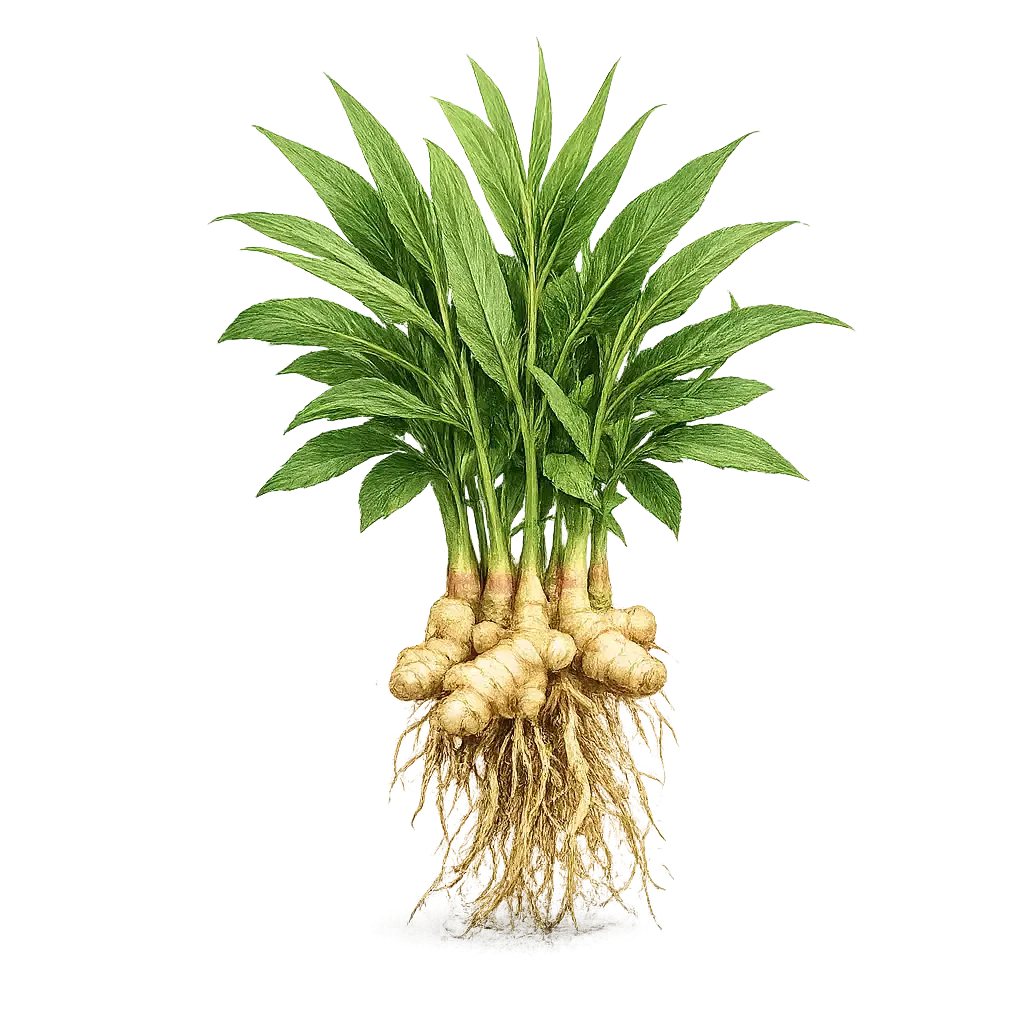
Written By Arthur Simitian
QUICK FACTS
Common Name
Ginger, Common Ginger, Culinary Ginger
Scientific Name
Zingiber officinale
Plant Type
Tender tropical herbaceous perennial; grown as an annual in most temperate climates
Hardiness Zones
Perennial in zones 9 to 12; grown as an annual or in containers elsewhere
Sun Requirements
Partial shade to filtered sun; thrives in bright indirect light; tolerates morning sun with afternoon shade
Soil Type
Rich, moist, well-drained, humus-rich; pH 5.5 to 6.5; consistently moist but never waterlogged
Plant Height
24 to 48 inches depending on conditions and season length
Spacing
8 to 12 inches between rhizome pieces for in-ground or large container planting
Harvest Part
Rhizome (primary); young stem shoots and leaves (secondary culinary use)
Primary Active Compounds
Gingerols (primary pungent compounds in fresh ginger; 6-gingerol dominant); shogaols (formed from gingerols upon drying or cooking; more potent anti-inflammatory and antiemetic than gingerols); paradols; zingerone (formed on heating); volatile oils including zingiberene, beta-bisabolene, camphene; oleoresin
Uses
Culinary spice across Asian, South Asian, Middle Eastern, and European cooking; nausea relief with the most robust evidence base of any herb in this series; digestive carminative and prokinetic; anti-inflammatory for joint pain; antimicrobial; warming circulatory stimulant
Ginger occupies an almost unique position among the herbs in this series: it is simultaneously one of the most universally used culinary spices in the world and one of the most evidence-backed medicinal herbs in current clinical literature, and the culinary and medicinal applications depend on the same active compounds through essentially the same mechanisms. The gingerols in fresh ginger and the shogaols that form when ginger is dried or cooked are not distinct culinary and medicinal compounds; they are the same pungent phenols that produce the characteristic warm heat of ginger in a dish and the anti-nausea, anti-inflammatory, and gastroprokinetic effects that clinical trials have consistently demonstrated. Growing fresh ginger provides the highest-quality ingredient for both purposes simultaneously, from a plant that is as practical in a large container on a warm patio as it is in a tropical garden, and that can be started from a piece of grocery store rhizome with no specialist sourcing required.
Introduction
Zingiber officinale is native to tropical South and Southeast Asia and has been cultivated for so long that no truly wild populations are known to exist. The plant belongs to the Zingiberaceae family alongside turmeric, cardamom, and galangal, all of which share the horizontal spreading rhizome structure and the lush pseudostem habit formed by overlapping leaf bases. Ginger has been in continuous cultivation across Asia for at least five thousand years and was among the first spices to reach the Mediterranean world through the ancient spice trade, documented in Sanskrit texts, in the Talmud, in ancient Greek and Roman sources, and in Chinese medical texts from the fourth century BCE onward.
The chemistry of ginger pungency is more nuanced than most users of the spice realize, and understanding it has practical implications for both cooking and medicinal use. Fresh ginger contains gingerols as its primary pungent compounds, dominated by 6-gingerol, which produce the bright, sharp, juicy heat of fresh grated root. When ginger is dried, the gingerols undergo dehydration reactions that convert them to shogaols, which are roughly twice as potent as the parent gingerols and produce the deeper, more persistent heat of powdered or dried ginger. When ginger is cooked in moist heat, some of the gingerols convert instead to zingerone, a much milder compound that contributes the sweet, warm character of cooked ginger rather than the sharp pungency of fresh. These transformations explain why fresh, dried, and cooked ginger taste and function differently despite coming from the same rhizome, and why the clinical research on ginger sometimes produces different results depending on which preparation form was used.
India is by far the largest producer and consumer of ginger globally, growing approximately thirty percent of world production, followed by China, Nepal, Nigeria, and Thailand. The diversity of ginger cultivars developed across these production regions is extraordinary: cultivars range from the small, intensely pungent finger-sized rhizomes of Kerala and the large, mild, fibrous rhizomes of Chinese commercial production to the smooth-skinned, delicately flavored varieties of Japanese cultivation, each adapted to specific culinary and agroclimatic purposes.
How to Grow
Temperature and the Growing Season
Ginger requires warmth to thrive and is killed by frost with no recovery. In zones 9 through 12, it grows as a perennial with rhizomes expanding year by year. In all colder climates it is grown as a summer annual or in containers that are brought inside before the first frost. The rhizome initiates growth at soil temperatures above 55 degrees Fahrenheit, grows most vigorously between 70 and 85 degrees Fahrenheit, and begins to go dormant as temperatures drop below 50 degrees in autumn.
In temperate climates with frost, starting the rhizome indoors six to eight weeks before the last frost date maximizes the usable growing season. A rhizome started in late winter and moved outdoors after frost has passed will have two to four weeks of early indoor growth already banked, making a meaningful difference to rhizome size at autumn harvest in short-season climates.
Starting from a Grocery Store Rhizome
Ginger is one of the most accessible plants in this series to start because the grocery store rhizome is the planting material. Select a fresh, firm piece with several prominent growth buds, the slightly lighter-colored, somewhat pointed eyes visible on the surface of the rhizome. A piece the size of a thumb with two or three buds is sufficient to start a productive plant. Pieces that have been irradiated for export markets sometimes sprout poorly; rhizomes from natural food stores or Asian grocery markets where irradiation is less common typically perform better.
To encourage sprouting before planting, soak the rhizome piece in warm water for twelve to twenty-four hours, then place it in a tray of moist potting mix at room temperature in a warm, bright location. Shoots emerge from the buds in two to four weeks when conditions are warm enough. Plant sprouted rhizomes horizontally, just below the soil surface, with the buds pointing upward. Planting too deeply delays emergence; two inches of soil covering is sufficient.
Sun Requirements
Ginger's sun requirements are distinct from most herbs in this series and reflect its natural habitat in the tropical forest understory. It performs best in bright indirect light or filtered sun, tolerating direct morning sun with shaded afternoons. In climates where summer temperatures regularly exceed 90 degrees Fahrenheit, afternoon shade is essential to prevent leaf scorch and stress. In cooler temperate climates with a shorter, less intense summer, more direct sun accelerates growth and rhizome development. The practical guideline is to provide the most light available in a cool climate and to filter intense afternoon sun in a hot one.
Soil and Water Requirements
Ginger thrives in rich, moisture-retentive, well-drained soil with a consistently moist profile through the growing season. Unlike the Mediterranean herbs in this series that prefer lean, dry conditions, ginger grows in the deep organic soils of tropical forest understories where moisture is consistently available and fertility is high from continuous organic matter decomposition. Incorporating generous compost into the planting area or container mix before planting, and maintaining even moisture through the summer without allowing the soil to dry out between waterings, produces the steady growth that results in a well-developed rhizome by autumn.
Container growing in large pots of twelve to sixteen inches diameter works well for ginger in climates where outdoor growing is limited by the season. A wide, shallow container suits the horizontal spreading rhizome better than a deep, narrow one; the rhizome expands outward rather than downward and needs lateral space to develop multiple fingers. Fill with a rich, moisture-retentive mix combining potting soil, compost, and perlite in roughly equal thirds for drainage.
Harvesting
Young Ginger vs. Mature Ginger
The harvest timing for ginger produces two distinct products with different culinary and medicinal characters. Young ginger, harvested two to four months after planting when the rhizome is still covered in pale, thin skin with pink-flushed tips, is mild, juicy, and low in fiber, with a fresh gingery heat that is more aromatic than pungent. It is the preferred form for pickling, for fresh sushi ginger (gari), and for preparations where the full brightness of 6-gingerol without the developed fiber content of mature root is wanted. Young ginger can be eaten without peeling and sliced thinly with minimal effort.
Mature ginger, harvested in autumn after eight to ten months of growth when the above-ground stems have yellowed and begun to die back, has developed the full fibrous, pungent, intensely aromatic character of the kitchen ginger that most cooks know. The skin is thicker and corky, the flesh more fibrous, and the gingerol and shogaol content substantially higher than in young ginger. For maximum medicinal applications and for the full culinary intensity that dishes calling for ginger require, autumn harvest of mature rhizome is the correct goal.
Partial harvest is possible without lifting the entire plant: carefully excavate at the edge of the root mass and break off a section of rhizome, leaving the main clump undisturbed to continue growing. This approach works particularly well in zones 9 and above where the plant overwinters in the ground, allowing selective ongoing harvest from an established colony. In containers or annual plantings in colder climates, the entire root mass is typically lifted in autumn before frost.
Harvest and Curing
Dig the root mass carefully with a fork, working well out from the crown to avoid cutting through the lateral rhizome fingers that extend unexpectedly far from the central plant. Wash the harvested rhizome gently and allow it to cure in a warm, dry, well-ventilated space for one to two weeks before long-term storage. Curing allows the skin to harden slightly and any small cuts or damage from harvesting to dry and seal, reducing the entry points for mold during storage.
Preserving the home harvest: A fresh ginger harvest from even a single large container plant can produce more rhizome than most households use fresh before it begins to deteriorate. Several preservation approaches extend the harvest through the winter season. Fresh ginger stores for three to four weeks in the refrigerator, unwashed, wrapped in a paper towel inside a sealed bag; the paper towel manages condensation that would otherwise promote mold. For longer storage, freeze the whole unpeeled rhizome directly; frozen ginger grates easily on a fine microplane grater while still frozen and returns better texture and sharper flavor than refrigerated ginger held too long. Ginger paste, made by processing peeled fresh rhizome in a food processor with a small amount of neutral oil, freezes in ice cube trays for portioned use through the year. Dried ginger slices, cut on a mandoline and dried at low heat, provide the shogaol-rich preparation that delivers the most potent anti-inflammatory and antiemetic compounds in a shelf-stable product. Ginger-infused honey, filling a jar with sliced fresh ginger covered by raw honey and allowed to infuse for two weeks, produces a preparation that keeps for a year or more and delivers both gingerols and honey's own antimicrobial and soothing properties in a convenient daily-use form.
How to Use
Nausea and Digestive Uses
Ginger has the most robust evidence base for nausea relief of any herb in this series and one of the strongest evidence bases in the entire phytomedicine literature. Multiple systematic reviews and meta-analyses have evaluated ginger for nausea across several clinical contexts, with consistent positive findings. For pregnancy-related nausea and vomiting, a 2014 systematic review in the Nutrition Journal synthesizing twelve randomized controlled trials found that ginger significantly reduced nausea severity and vomiting frequency compared to placebo, with an effect size comparable to vitamin B6, the standard first-line pharmacological recommendation, and with an excellent safety profile in the first trimester. For postoperative nausea, a Cochrane review found significant reduction in nausea incidence in patients receiving ginger preoperatively compared to placebo. For chemotherapy-induced nausea, multiple trials have found reduction in acute nausea severity, though results are somewhat more mixed for the delayed nausea that follows chemotherapy cycles.
The mechanism involves both central and peripheral pathways. Gingerols and shogaols act as 5-HT3 receptor antagonists at the same receptor target as the pharmaceutical antiemetic ondansetron, reducing the vagal nerve-mediated nausea signal from the gut to the brainstem. They also act directly on gastrointestinal smooth muscle as prokinetic agents, accelerating gastric emptying and reducing the gastric stasis that contributes to nausea in pregnancy and postoperative recovery. This dual mechanism explains why ginger works across multiple nausea contexts rather than being specific to a single cause.
For practical nausea management, the most effective preparation is fresh ginger tea: steep a generous slice or two of fresh ginger, roughly five to ten grams, in hot water for ten minutes and drink throughout the day as needed. Ginger chews, small pieces of candied or honey-preserved ginger, are a convenient portable form for morning sickness or motion sickness. Ginger ale made with real ginger rather than artificial ginger flavoring provides some benefit but at low gingerol concentrations that make it less reliable than tea or capsule preparations.
As a digestive carminative, ginger reduces intestinal gas and bloating through smooth muscle relaxation, stimulates bile secretion to support fat digestion, and enhances gastric motility in a way that benefits the sluggish digestion that heavy meals and cold weather produce. A slice of fresh ginger steeped in hot water before or after a heavy meal is one of the most practically effective digestive preparations available from any herb in this series.
Anti-inflammatory Uses
The shogaols and gingerols are both inhibitors of COX-1, COX-2, and lipoxygenase (5-LOX) enzymes, targeting a broader range of inflammatory pathways than NSAIDs, which inhibit primarily COX enzymes. This multi-pathway inhibition produces an anti-inflammatory effect that several clinical trials have evaluated for osteoarthritis, with a 2015 meta-analysis in Osteoarthritis and Cartilage finding significant reduction in pain and disability scores in patients taking standardized ginger extract compared to placebo, with an effect size roughly comparable to low-dose ibuprofen.
The 5-LOX inhibition is particularly notable because it addresses the leukotriene inflammatory pathway that NSAIDs do not, potentially making ginger more useful than NSAIDs for the inflammatory component of conditions where both COX and lipoxygenase pathways contribute. For joint pain management in the homestead context, regular consumption of fresh ginger in cooking and as tea, combined with dried ginger in capsule form for more concentrated anti-inflammatory dosing during flares, provides a practical approach that many people with mild-to-moderate chronic joint pain find meaningfully effective.
Antimicrobial Uses
Gingerols and shogaols have demonstrated broad-spectrum antimicrobial activity against bacteria including Staphylococcus aureus, E. coli, Salmonella, Helicobacter pylori, and a range of oral pathogens in laboratory research. The traditional use of ginger as a food preservative, particularly in combination with salt in the fermentation traditions of Asian cuisines, reflects this antimicrobial activity in a practical context. Fresh ginger in sushi and sashimi serves a traditional antimicrobial function as well as a palate-cleansing one, and the clinical evidence that gingerols inhibit H. pylori, the bacterium responsible for most peptic ulcers, gives the traditional use of ginger for digestive upset additional mechanistic support.
Warming Circulatory Uses
Ginger is classified as a warming herb in both the Ayurvedic and traditional Chinese medicine systems, a categorization that reflects the peripheral vasodilatory effect of its compounds, which increase blood flow to the skin and extremities and produce the warming sensation that follows consuming a strong ginger preparation. This warming action has traditional applications for cold extremities, poor peripheral circulation, and the cold conditions that aggravate certain types of pain and digestive sluggishness. In the homestead context, ginger tea in cold weather is both a genuine warming agent through this circulatory mechanism and one of the most satisfying hot drinks available from the herb garden.
Culinary Applications
The culinary applications of ginger across global cuisines are broad enough to fill a separate post entirely. The essential point for the homestead grower is that fresh, home-grown ginger is demonstrably superior to the dried, imported rhizome that most Western kitchens rely on, in the same way that fresh herbs are superior to dried equivalents for applications where brightness and immediacy of flavor matter. The juicy, aromatic, non-fibrous quality of young ginger and the full-developed pungency of a freshly harvested mature root are simply not replicated by commercial dried or even commercial fresh ginger that has been in storage for weeks.
Fresh ginger works in Indian curries and dals where it forms the aromatic base with garlic and onion; in Chinese stir-fries where thin slices bloomed in oil define the dish's character; in Japanese preparations including gari, the pickled ginger served with sushi; in Jamaican ginger beer and West African pepper soups; in Scandinavian gingerbread; and in the broader contemporary cooking that draws on all these traditions. The fresh rhizome grates, slices, juices, and infuses in ways that dried ginger cannot, and growing it provides a supply of this versatility from the garden rather than the grocery store.
Storage
Whole unpeeled rhizome refrigerated in a paper towel inside a sealed bag keeps for three to four weeks. Unpeeled rhizome in the freezer keeps for up to six months and grates directly from frozen on a fine microplane, which is the most practical storage method for a large harvest. Dried ginger slices keep for one year in airtight glass containers. Fresh ginger paste frozen in ice cube trays keeps for three months. Ginger-infused honey keeps for a year or more at room temperature.
Lifespan and Overwintering
In zones 9 through 12, established ginger plants overwinter with the rhizome in the ground, re-sprouting vigorously each spring from the expanding rhizome mass. The colony expands year by year and can eventually become quite large, requiring thinning by harvest to maintain vigor. In colder climates, the rhizome is lifted in autumn, stored in barely damp sand or sawdust in a cool but frost-free environment through winter, and replanted in spring. A portion of the best-formed rhizome pieces are reserved as planting material for the following season; the remainder are used fresh or preserved.
Cautions and interactions: Ginger at culinary and normal medicinal doses is exceptionally safe with a very long history of use across pregnant populations globally. For pregnancy nausea specifically, the clinical evidence supports doses up to one gram of dried ginger daily as safe and effective, with no documented adverse effects on pregnancy outcomes in multiple trials. Very high doses, above five grams of dried ginger daily, have theoretical concern for increasing bleeding risk through platelet aggregation inhibition; this concern is most relevant in the perioperative period and for people on anticoagulant medications. People taking warfarin should monitor INR when adding high-dose ginger supplementation, as cases of potentiated anticoagulant effect have been reported. Ginger may lower blood glucose and should be monitored by people on diabetes medications. Gastroesophageal reflux is occasionally worsened by ginger at high doses in sensitive individuals; reducing the dose resolves this. Topical application of undiluted ginger essential oil can cause skin irritation; dilute before any skin contact. Do not confuse with wild ginger (Asarum canadense or related species), a woodland plant with a different chemistry and containing potentially carcinogenic aristolochic acid compounds; culinary and medicinal ginger is specifically Zingiber officinale.
Pros and Cons
Advantages
The strongest clinical evidence base for nausea relief of any herb in this series; multiple meta-analyses support efficacy for pregnancy nausea, postoperative nausea, and chemotherapy nausea with excellent safety
Fresh home-grown ginger is substantially superior in flavor, aroma, and juiciness to any commercially available product; one of the clearest quality differentials in this entire series
Can be started from a grocery store rhizome with no specialist sourcing; lower barrier to entry than almost any other plant in the series
Multi-use across culinary, medicinal, and preservative applications from the same harvest
Container-friendly; produces a meaningful harvest from a single large pot on a warm patio, making it accessible to growers without garden space
Both fresh and dried forms have distinct and well-supported medicinal profiles; the processing transformation of gingerol to shogaol is not a degradation but a genuine chemical conversion to different useful compounds
Very safe at culinary and normal medicinal doses, including in pregnancy when most herbal medicines require caution
Limitations
Tender tropical plant requiring warmth; cannot be grown in open ground in frost-prone climates without lifting and storing the rhizome annually
Does not tolerate direct intense afternoon sun in hot climates; needs shade management that is opposite to most herbs in this series
Requires consistent moisture; does not share the drought tolerance of the Mediterranean herbs and will stress quickly if allowed to dry out
Rhizome yield from a container planting in a short temperate season is modest; expectations should be calibrated to the season length available
High-dose supplementation caution with anticoagulant medications; perioperative discontinuation recommended at high doses
Can worsen reflux at high doses in susceptible individuals
Common Problems
Rhizome rot is the primary growing failure and follows from overwatering, cold soil, or planting in waterlogged conditions. The rhizome goes soft and discolored at the affected area and the shoot above fails to thrive or collapses. Prevention through well-drained soil and not watering into cold conditions is more reliable than any remediation; by the time rot is visible, recovery is usually not possible. Starting new rhizome pieces in a fresh position is the response.
Spider mites colonize ginger in hot, dry indoor conditions, particularly during winter overwintering of container plants. The characteristic fine webbing and stippled yellowing leaves appear when populations build. Maintaining adequate humidity around overwintering plants, keeping leaves clean by occasional misting or shower rinsing, and addressing infestations promptly with insecticidal soap prevents escalation to damaging levels.
Bacterial wilt caused by Ralstonia solanacearum can devastate ginger plantings, producing sudden collapse of shoots and brown vascular discoloration. There is no effective treatment once established; removing affected plants and starting fresh in a different position is the only response. Avoiding overhead irrigation that splashes soil onto leaves reduces transmission risk.
Poor sprouting of grocery store rhizome is often due to irradiation of the planting material or to planting in cold soil before the rhizome has had time to break dormancy. Soaking in warm water for twenty-four hours before planting and ensuring soil temperature is above 60 degrees Fahrenheit before planting outdoors addresses both issues.
Final Thoughts
Ginger sits at an intersection that few herbs reach: a flavor ingredient so universally used that its absence from a dish registers immediately, and a medicinal herb whose most important applications are backed by the kind of systematic clinical evidence that makes unambiguous recommendations possible. Fresh ginger for nausea works. Fresh ginger in cooking is better than dried or stored commercial ginger in almost every application. Growing it, even in a container on a warm windowsill or a summer patio, is worth the effort for both reasons simultaneously.
Start it from a grocery store rhizome in late winter. Keep it warm and moist. Harvest young in summer and mature in autumn. Freeze what cannot be used fresh. The plant is not complicated. The return on that lack of complication is genuine.