
Lemon Verbena
Written By Arthur Simitian
QUICK FACTS
Common Name
Lemon Verbena, Lemon Beebrush, Herb Louisa
Scientific Name
Aloysia citrodora (syn. Lippia citriodora)
Plant Type
Tender deciduous woody shrub; grown as container plant or annual in zones below 8
Hardiness Zones
8 to 11 outdoors; container-grown and overwintered indoors in colder zones
Sun Requirements
Full sun
Soil Type
Well-drained, moderately fertile; pH 6.0 to 8.0; intolerant of waterlogging
Plant Height
2 to 6 feet in cultivation; to 10 feet in native warm-climate habitat
Spacing
24 to 36 inches for garden planting; single plant in a 12 to 16 inch container for container culture
Harvest Part
Leaves (primary); flowering tips
Primary Aroma Compounds
Citral (geranial and neral), citronellal, limonene, geraniol; essential oil more concentrated and cleaner in lemon character than lemon balm or lemon thyme
Uses
Culinary herb for desserts, beverages, dressings, and fish; aromatic tea; digestive carminative; mild nervine and anxiolytic; potpourri and fragrance; essential oil
Every herb garden has at least one plant that earns its place on fragrance alone before any culinary or medicinal case has been made, and in the lemon-scented corner of the garden, lemon verbena is that plant. Bruise a single leaf and the intensity of clean, concentrated lemon fragrance is startling. Not lemon balm's gentle herbal-lemon, not lemon thyme's thyme-forward citrus note, not lemongrass's tropical citral warmth, but pure, sharp, almost crystalline lemon, present in the leaf long after drying in a way that no other lemon-scented herb sustains. This quality is the result of an essential oil profile that is among the richest in citral and geraniol of any commonly grown herb, and it makes lemon verbena the superior choice for every application where lemon flavor is wanted in a dried herb: tea blends, potpourri, sachets, dessert preparations, and the herb sugars and vinegars that extract and preserve the aromatic character for months. The plant itself is a sprawling woody shrub from South America, deciduous, frost-sensitive, and capable of outliving most other herbs in the garden when given a permanent warm-climate position or brought inside each winter with appropriate care. It rewards patient management.
Introduction
Aloysia citrodora is native to Argentina, Chile, Bolivia, and Peru, where it grows as a large, woody, deciduous shrub on dry hillsides and in the scrubby vegetation of semi-arid subtropical zones. It was introduced to Europe by Spanish and Portuguese explorers in the seventeenth century, quickly established itself in the herb gardens and perfume industries of southern Europe, and spread from there into cultivation worldwide. The genus name Aloysia honors Maria Luisa, Princess of Parma and wife of the Spanish king Charles IV; the species epithet citrodora means lemon-scented, which is the plant's single most defining characteristic.
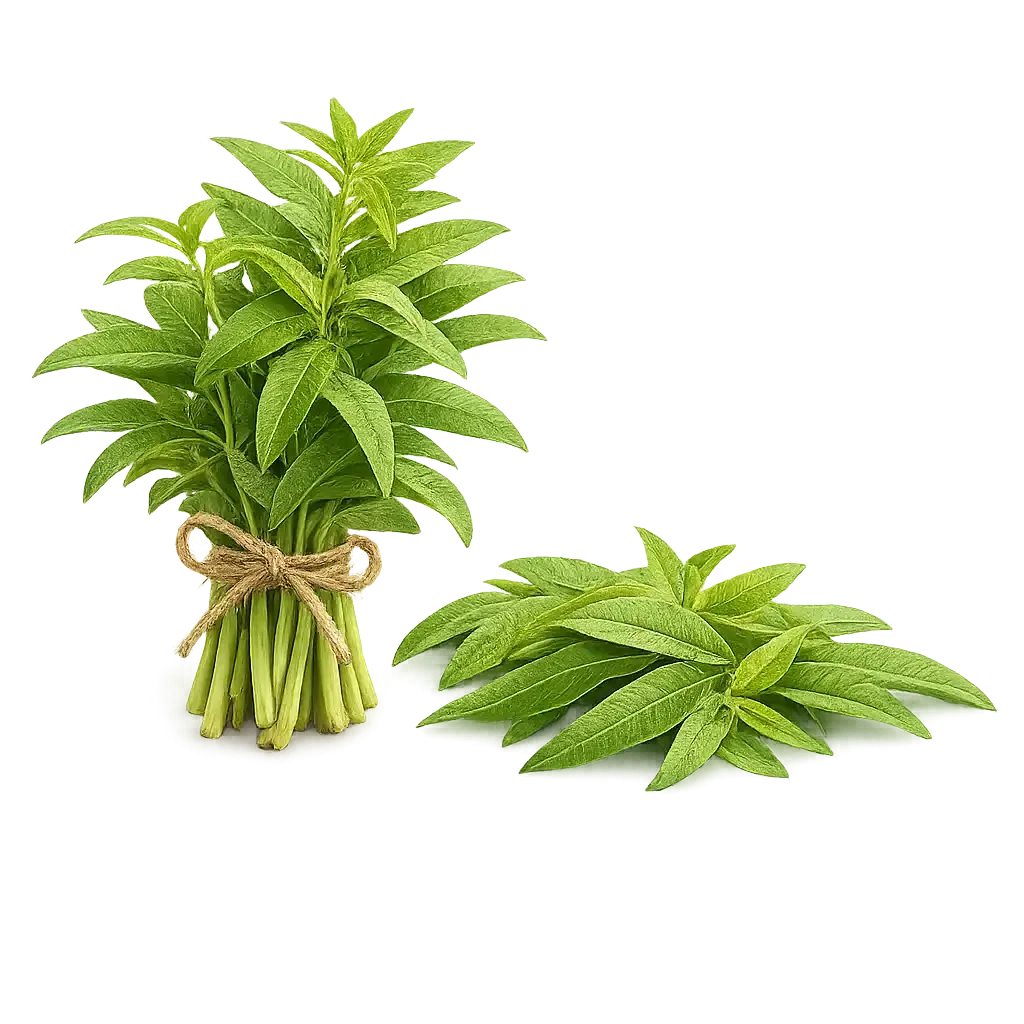
The lemon fragrance is produced by an essential oil concentrated in glands visible on the underside of the lance-shaped leaves, which are arranged in whorls of three along the woody branches. The oil is dominated by citral, which is itself a mixture of the geometric isomers geranial and neral, the same compounds responsible for lemongrass's character, alongside citronellal, limonene, and geraniol. The relative proportions of these compounds and the concentration of the total essential oil content produce lemon verbena's characteristically clean, sharp lemon note, which most people experience as more purely lemon than any other herb in the garden and more stable through drying than even fresh lemon zest, whose volatile limonene fades quickly once separated from the fruit.
The plant's deciduous character in cultivation is frequently alarming to first-time growers: in autumn and winter, lemon verbena drops most or all of its leaves and appears dead, even in zones where it is technically hardy enough to survive outdoors. This is normal behavior and not an indication that the plant has failed. The bare woody stems re-foliate reliably in spring when temperatures warm, and the plant's apparent death-and-resurrection pattern through its first winter causes more unnecessary losses from impatient disposal than from actual cold damage.
How to Grow
Sun Requirements
Lemon verbena requires full sun for the essential oil production that gives the plant its value. In partial shade it grows adequately but produces leaves with noticeably reduced aromatic intensity, the result of lower essential oil concentration in reduced-light conditions. The plant's South American origin in sun-exposed scrubby hillside vegetation confirms this requirement: it is built for bright, direct light through the full growing season. In container culture indoors through winter, the combination of reduced light and reduced growth means the aromatic quality of winter-harvested leaf is lower than from the same plant in summer outdoor conditions; winter indoor production is maintenance rather than prime harvest time.
Soil Requirements
Lemon verbena performs best in well-drained, moderately fertile soil and shares the Mediterranean herb preference for conditions that are somewhat lean and dry rather than rich and moist. In heavy, moisture-retentive soil the roots are susceptible to the waterlogging that produces crown and root rot, particularly through the winter dormancy period when the plant's water uptake is minimal and standing moisture at the roots has no growing plant to drain it.
In containers, a quality potting mix with additional perlite for drainage is appropriate. The container must have functional drainage holes; any accumulation of water at the base of the pot will cause the root rot that is the primary cause of lemon verbena loss in container culture. Terracotta containers that breathe and dry more evenly than plastic are preferable for this reason.
Water Needs
During the active growing season from spring through early autumn, lemon verbena benefits from regular watering that keeps the soil consistently moist but never saturated. It is not as drought-tolerant as the true Mediterranean herbs and will show stress through wilting and leaf drop in sustained dry conditions, but it also does not need the consistent moisture that lemongrass requires. The balance point is well-drained soil that receives regular water and dries partially between waterings rather than remaining wet continuously.
Through winter dormancy, whether the plant is overwintering outdoors in zone 8 or being maintained as a container plant indoors, watering should be dramatically reduced. A dormant or near-dormant lemon verbena in cool conditions needs water only every two to three weeks, enough to prevent complete root desiccation without maintaining the soil moisture that promotes root rot during the period of low plant activity.
Planting
Lemon verbena is most reliably established from cuttings rather than seed, both because seed-grown plants show variability in essential oil quality and because cuttings from a known high-quality aromatic plant ensure the aromatic character of the resulting planting. Softwood cuttings taken in late spring or early summer, cut just below a leaf node to four to six inches, stripped of lower leaves, and rooted in moist perlite or a half-and-half perlite and potting mix at room temperature root readily in two to three weeks. Rooted cuttings grown on in small containers before planting outdoors after all frost risk has passed establish more quickly than bare-root transplants and are less prone to transplant shock.
In zones 8 and warmer where lemon verbena can remain outdoors year-round, a permanent garden position in well-drained soil against a south or west-facing wall that provides reflected heat and frost protection allows the plant to develop into the substantial shrub that its native climate permits. In cold climates, container planting from the start simplifies the annual move indoors and outdoors and prevents the root disturbance of digging and repotting an established garden shrub each autumn.
Harvesting
Leaves can be harvested throughout the growing season from the moment the plant has established enough new growth to tolerate removal. The aromatic intensity is highest in leaves harvested just before or during flowering in midsummer, when the essential oil concentration in the leaf glands is at its seasonal peak. For drying purposes, harvesting at this point produces the best-quality dried leaf; for fresh culinary use, the young, tender leaves available from late spring onward have the most delicate texture even if slightly less intense than the midsummer harvest.
Harvest by cutting stem tips of three to six inches, which simultaneously harvests leaf material and encourages the bushy, branching growth that provides more productive leaf surface in subsequent weeks. Stripping individual leaves from stems is appropriate for small fresh culinary quantities. For large drying harvests, cutting back the plant by one-third to one-half in late summer produces a large quantity of leaves for drying and stimulates a fresh flush of new growth before the season ends.
Drying lemon verbena is straightforward and produces results superior to almost any other lemon-scented herb in the dried form. Strip leaves from stems and dry in a single layer on mesh racks away from direct light, or bunch and hang. Leaves are dry in three to four days at room temperature. The dried leaves retain their intense lemon fragrance for one to two years in sealed glass containers, far longer than dried lemon balm or dried lemongrass leaf, making lemon verbena the superior choice for dried herb tea blends and potpourri preparations where long shelf life matters.
Lemon verbena sugar and honey: Two preparations that capture lemon verbena's aromatic character for use through the winter months when the plant is dormant. For herb sugar: fill a jar with alternating layers of fresh lemon verbena leaves and white caster sugar, seal, and leave for two weeks. The essential oil migrates into the sugar crystals, producing a lemon-scented sugar that is excellent in shortbread, in whipped cream, in lemonade, and as a finishing sugar for fruit tarts. Remove the wilted leaves before use; the sugar keeps indefinitely. For herb honey: gently warm a jar of mild honey to liquify it, add a generous handful of fresh lemon verbena leaves, seal, and infuse at room temperature for one week. Strain through a fine mesh. The resulting honey is intensely fragrant and works in any preparation where honey and lemon are natural partners: over fresh fruit, in herbal tea, as a glaze for roasted poultry, or stirred into yogurt. Both preparations convert the summer harvest into preserved aromatics that make lemon verbena useful in the kitchen year-round rather than only during the growing season.
How to Use
Culinary Uses
Lemon verbena's defining culinary quality is its ability to deliver pure lemon flavor in cooked preparations without the acidity of lemon juice or the bitterness that lemon zest can contribute when subjected to heat. This makes it particularly useful in dessert applications where a clean lemon note is wanted in a custard, a cream, or a baked preparation that acidity would unbalance. Steep a handful of fresh leaves in warm milk or cream for thirty minutes before straining and using for panna cotta, ice cream base, or pastry cream; the result has a lemon character that no amount of zest or juice produces in the same application.
In savory cooking, lemon verbena works best with fish, chicken, and the lighter proteins where its clean citrus note complements rather than competes. A few leaves laid under a fish fillet before roasting or tucked into a chicken cavity before roasting perfume the meat with clean lemon during cooking. Finely minced fresh leaf added to a vinaigrette replaces or supplements lemon juice with an aromatic dimension that the juice alone does not provide.
The Argentine and Peruvian culinary traditions from which lemon verbena originates use it in marinades for grilled meats, in herb sauces alongside parsley and garlic, and as a flavoring for lighter summer beverages. The herb's affiliation with South American barbecue culture is underrepresented in most English-language herb literature and worth exploring for cooks interested in the plant's native culinary context.
For sorbet, lemon verbena provides one of the clearest applications of its culinary value: make a simple syrup, steep a large quantity of fresh leaves in it while warm, strain after twenty minutes, and use the flavored syrup as the sweetening and flavoring base for a lemon verbena sorbet. The result is intensely lemon-flavored without any sourness, and the floral geraniol note in the essential oil adds a complexity that plain lemon sorbet does not have.
Tea
Lemon verbena tea, made from fresh or dried leaves steeped in boiling water for five to eight minutes, is one of the most well-regarded herbal teas in European and South American tradition and arguably the finest lemon-flavored tisane available from a garden plant. The tea made from dried lemon verbena retains more of the characteristic lemon note than dried versions of any other lemon herb, which is why lemon verbena features so prominently in commercial herbal tea blends. Home-dried leaf from a well-grown plant produces a tea of noticeably higher aromatic quality than most commercial preparations.
Blending lemon verbena with other herbs exploits its ability to brighten and lift the aromatic profile of any blend it joins. A combination of dried lemon verbena, chamomile, and a small amount of dried mint produces a calming evening tea with more aromatic complexity than any of the three herbs alone. With dried rose petals and hibiscus, lemon verbena makes a bright, lightly floral tea that is excellent cold-brewed over ice through summer.
Digestive Uses
Lemon verbena has traditional use across European and South American herbal medicine as a digestive carminative, used for the bloating, gas, and cramping associated with slow or difficult digestion. The essential oil compounds, particularly geraniol and citral, have demonstrated antispasmodic activity on intestinal smooth muscle in laboratory research, consistent with the traditional carminative application. A cup of lemon verbena tea after meals is a traditional and mechanistically plausible digestive support that is mild enough for daily use without any of the contraindication concerns that apply to more potent digestive herbs in this series.
The anti-inflammatory activity of the plant's polyphenol content, particularly verbascoside (acteoside), a phenylethanoid glycoside present in significant concentration in lemon verbena leaf, has been the subject of increasing research interest. Verbascoside has demonstrated anti-inflammatory activity through inhibition of prostaglandin synthesis in laboratory research, and a number of small clinical studies have investigated preparations standardized for verbascoside content for joint inflammation and muscle soreness with modest positive results.
Nervine Uses
Lemon verbena has traditional use as a mild nervine and anxiolytic, used for anxiety, nervous tension, and difficulty sleeping. The mechanism is less well-characterized than for the more pharmacologically studied nervine herbs in this series, but the combination of mild smooth muscle antispasmodic activity and the psychologically calming effect of the intensely pleasant fragrance itself makes evening lemon verbena tea a practical and low-risk relaxation support. Several small studies have examined lemon verbena preparations for anxiety and sleep quality with modest positive results, though the evidence base is considerably thinner than for valerian or passionflower in the same applications.
The fragrance alone, through its effect on the limbic system via olfaction, may contribute a meaningful portion of the observed anxiolytic effect: the citral and geraniol compounds in the essential oil have documented central nervous system activity in animal research, and the use of lemon verbena essential oil in aromatherapy for relaxation and stress reduction has a plausible neurological basis alongside the traditional use record.
Overwintering
In zones 8 and warmer, lemon verbena can overwinter outdoors with some protection in zone 8 and without protection in zones 9 to 11. Even in zone 9, the plant will drop most of its leaves and appear completely dead through the winter months; this is the normal deciduous behavior and not a cause for concern. Mark the plant's position clearly to prevent accidental disturbance of the apparently dead woody stems, and wait until late spring before concluding the plant has not survived. New growth from the woody base emerges reliably in warm weather even after an apparently complete winter die-back.
In colder zones, the container overwintering approach is practical and reliable. Before the first frost, cut the plant back by half, move the container to a cool frost-free location such as an unheated basement, garage, or cool spare room with minimal but adequate light, and water very sparingly, once every two to three weeks, through the dormancy period. The plant may drop all remaining leaves in these conditions; this is not a problem. In late winter or early spring, move the container to a brighter, warmer position and resume normal watering. New growth appears within two to three weeks of the warming period beginning.
The cool-and-minimal-water approach is significantly more successful for overwintering than attempting to maintain the plant in active growth indoors through winter. The combination of low indoor light, central heating dryness, and continued watering that active indoor growing requires often results in the pest problems and fungal issues that the cool dormancy method avoids entirely.
Storage
Fresh lemon verbena leaves keep for five to seven days refrigerated in a sealed container or bag. The aromatic intensity is best in the first few days after harvest; older refrigerated leaves begin to lose the clean sharpness of the fresh essential oil and develop a slightly duller, more herbal character.
Dried leaves in airtight sealed glass containers retain their aromatic quality for one to two years, making lemon verbena one of the few herbs in this series where dried material from a good harvest is a genuinely high-quality culinary product rather than a compromise substitute for fresh. The key is immediate sealing after complete drying; dried leaves left exposed to air or in loosely closed containers lose their essential oil content within weeks through simple volatilization.
For the longest aromatic shelf life in dried form, harvest at peak summer aromatic intensity, dry immediately in small batches, and seal in small glass jars rather than a single large jar opened repeatedly. Each opening releases some of the accumulated volatile oil from the jar atmosphere; smaller jars opened less frequently retain quality longer than a single large container accessed daily.
Lifespan of the Plant
Lemon verbena is a long-lived woody shrub in appropriate warm climates, capable of growing into a substantial branching shrub of six feet or more and persisting in the same position for decades. In container culture with annual repotting and appropriate pruning, container-grown plants can remain productive for five to ten years before the woody base becomes unproductively congested and warrants replacement from new cuttings.
Annual pruning in spring, cutting back to strong outward-facing buds on the woody framework established in previous seasons, maintains a compact, productive shape and prevents the leggy, open growth that occurs without management. The pruning material cut in spring, when the new growth buds are just beginning to swell, can be used as softwood cuttings to propagate new plants from the established parent.
Cautions: Lemon verbena is considered safe for culinary and tea use with no significant drug interactions at normal consumption levels. The essential oil applied to skin neat can cause photosensitization reactions due to the furanocoumarins present in the concentrated oil; always dilute in a carrier oil for topical use and avoid sun exposure on treated skin. Some individuals experience contact dermatitis from repeated skin contact with fresh leaves; gloves during large harvests are advisable if this sensitivity develops. There are no contraindications for pregnancy at culinary and tea use levels, though as with most aromatic herbs, concentrated essential oil preparations are not recommended during pregnancy. No significant interactions with common medications have been identified. The plant is sometimes confused with common garden verbena (Verbena species), which is an ornamental genus with no significant medicinal or culinary overlap; lemon verbena is identifiable by its intense lemon fragrance, lance-shaped whorled leaves, and woody deciduous habit.
Pros and Cons
Advantages
The most intensely lemon-fragrant herb available from a garden planting, with an essential oil profile that provides a cleaner, more concentrated lemon note than lemon balm, lemon thyme, or lemongrass in most culinary applications
Dried leaf retains aromatic quality for one to two years, far longer than most herbs; one summer harvest properly dried and sealed provides excellent material through the full winter season
Long-lived woody shrub in warm climates; well-established plants in zones 9 to 11 provide decades of harvest from the same planting
Genuinely beautiful plant with attractive whorled leaves and delicate flower spikes that provide ornamental value alongside culinary use
Mild safety profile with no significant drug interactions at culinary and tea use levels
Versatile across dessert, savory, and beverage applications in ways that few other lemon-scented herbs are
Essential oil is commercially valuable; large established plantings in appropriate climates can support small-scale essential oil production
Limitations
Frost-sensitive tender shrub requiring container culture or indoor overwintering in zones below 8, adding management complexity that annual herbs do not require
Deciduous winter behavior is alarming in appearance and has led to many healthy plants being discarded as dead; requires patience and an understanding of the plant's natural cycle
Full sun requirement is strict; partial shade significantly reduces aromatic quality
Whitefly infestations are a persistent problem in warm, sheltered conditions and especially during indoor overwintering
Essential oil in concentrated form is a photosensitizer; topical use requires care
Nervine and anti-inflammatory evidence base is considerably thinner than for more extensively studied herbs in this series
Common Problems
Whitefly is the most consistent pest problem for lemon verbena, particularly during indoor overwintering when the warm, dry conditions and enclosed space favor population buildup. The undersides of leaves harbor clusters of tiny white adult flies and their scale-like immature stages, which feed on leaf sap and excrete honeydew that promotes sooty mold growth. Inspect incoming overwintered plants carefully before bringing them indoors, treat any existing infestations with insecticidal soap before the move, and maintain good air circulation indoors. Yellow sticky traps help monitor and reduce adult populations. Severe indoor infestations that resist soap treatment can sometimes be resolved by moving the plant to a cool, nearly dormant state in a frost-free but cold location rather than warm indoor conditions, denying the pest the warmth it requires to reproduce.
Root rot from overwatering or poor drainage during winter dormancy is the second most common loss cause. The combination of cool temperatures, low light, reduced plant activity, and continued watering at growing-season levels creates the saturated, anaerobic root conditions that promote Phytophthora and Pythium rot. Recognizing winter as a minimal-water period, and treating the plant accordingly rather than maintaining the summer watering schedule, prevents most root rot losses.
Spider mites appear in hot, dry conditions and in dry indoor environments through winter. The characteristic fine webbing on the undersides of leaves and the stippled, yellowing upper leaf surface identify the infestation. Increased humidity, regular misting, and insecticidal soap treatment resolve most infestations before they cause significant leaf loss. Severely affected plants benefit from a complete cutback to fresh woody growth, removing all infested leaf material at once rather than treating progressively.
Final Thoughts
Lemon verbena asks for more from the temperate-climate grower than most herbs in this section: a container, a bright indoor space for winter, the patience to wait through a bare-stemmed dormancy that convincingly resembles death, and the pruning attention that keeps a woody shrub productive rather than leggy. What it provides in return is an aromatic quality that nothing else in the garden duplicates, in a form that keeps through winter in dried leaf when all the other summer herbs have faded into dusty irrelevance.
Grow it in the largest container that is still practical to move. Give it the sunniest position available outdoors through summer. Dry a substantial portion of the midsummer harvest in small sealed batches. Bring it inside before the frost and put it somewhere cool and almost-dark with minimal water until spring arrives. It will come back. It always comes back.