
Marjoram
Written By Arthur Simitian
QUICK FACTS
Common Name
Sweet Marjoram, Knotted Marjoram
Scientific Name
Origanum majorana
Plant Type
Tender perennial; grown as annual in zones below 9
Hardiness Zones
Perennial in zones 9 to 11; annual elsewhere
Sun Requirements
Full sun
Soil Type
Well-drained, lean to moderately fertile; pH 6.0 to 8.0
Plant Height
8 to 24 inches
Spacing
12 to 18 inches
Identifying Features
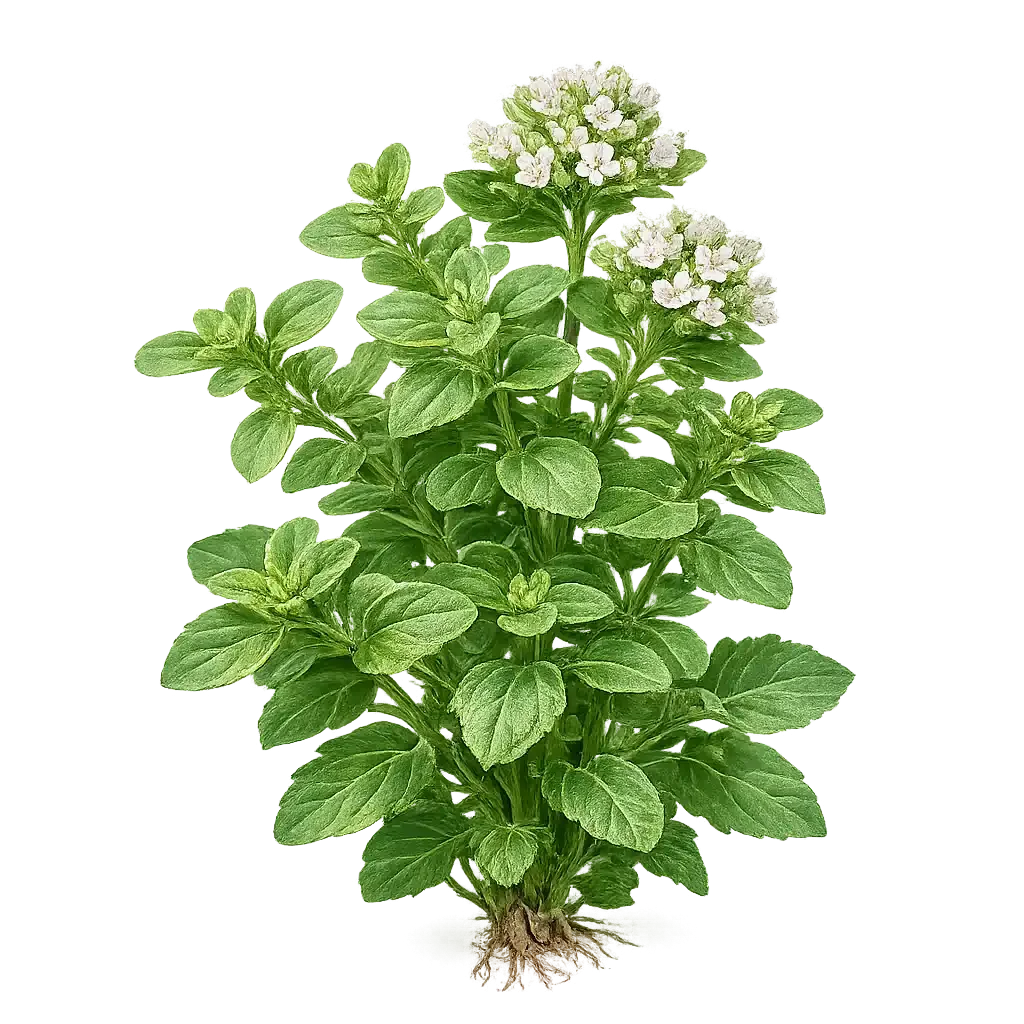
Small soft oval grey-green hairy leaves, distinctive rounded knot-like flower heads, warm sweet floral-spicy aroma without oregano's sharp camphor note
Primary Aroma Compounds
Terpinen-4-ol, sabinene hydrate, linalool; lower in carvacrol and thymol than oregano
Uses
Culinary herb across European and Middle Eastern cooking, herbes de Provence, sausages and sauerkraut, egg dishes, digestive carminative, mild nervine, antispasmodic
Marjoram and oregano share a genus, a family, a Mediterranean homeland, and enough superficial resemblance that they are routinely confused, substituted for each other without acknowledgment, and occasionally sold interchangeably by growers who ought to know better. They are not the same herb. Oregano is assertive, resinous, and camphoraceous, built for the heat of a wood-fired pizza and the long braise of a tomato sauce. Marjoram is warm, sweet, floral, and delicate, built for the egg dish that cannot stand aggression, the sausage where balance matters more than impact, the sauerkraut that benefits from a quiet aromatic presence rather than a dominant one. The primary aroma compounds in the two plants overlap but in different proportions: marjoram is led by terpinen-4-ol and sabinene hydrate, producing its characteristic warmth and sweetness, while oregano's higher carvacrol and thymol content produces the sharper, more medicinal character. Understanding this distinction is not a botanical footnote. It determines whether marjoram gets used correctly or disappears into the spice drawer labeled as a redundant oregano.
Introduction
Origanum majorana is native to the Mediterranean region and southwestern Asia, where it grows as a woody-based perennial subshrub on dry, rocky hillsides and in the same general habitat as its relative Greek oregano. In its native climate it is a long-lived perennial plant; in temperate zones with cold winters it behaves as a tender annual, killed by frost and resown each spring. This tender nature is one of the key practical differences between marjoram and common oregano in the homestead herb garden: while oregano persists as a hardy perennial returning year after year, marjoram requires annual re-establishment in most North American and northern European climates.
The common name knotted marjoram refers to the distinctive flower heads that are the most reliable identification feature: unlike the loose spike flowers of most Origanum species, marjoram produces rounded, overlapping bract clusters called knots at the stem tips, from which tiny white to pale pink flowers emerge. These knot-like heads are visible before the flowers open and give the plant an immediately recognizable texture at the tips of its many-branched, bushy stems. In full flower from midsummer onward, a well-grown marjoram plant is genuinely attractive, covered in small pale flower clusters above the soft grey-green foliage.
Marjoram has been cultivated and used medicinally and culinarily since ancient times across the Mediterranean, Middle East, and northern Africa. In ancient Egypt it was used as a disinfectant and preservative. In classical Greece and Rome it was associated with happiness and love and used extensively in cooking, medicine, and ceremony. In medieval European herbalism it appeared in preparations for digestive complaints, grief, anxiety, and cold conditions broadly. The culinary tradition it entered most deeply is the French, where it became a foundational component of herbes de Provence alongside thyme, rosemary, savory, and lavender, and the German, where marjoram is the defining spice of bratwurst and several other traditional sausages.
How to Grow
Sun Requirements
Marjoram requires full sun and is not compromising about it. In partial shade it grows elongated and loose rather than compact and bushy, produces fewer flower heads, and develops significantly reduced aromatic intensity. The essential oil content and therefore the flavor quality is directly related to sun exposure and heat accumulation through the growing season. A position in the hottest, most sun-drenched part of the herb garden, ideally against a south-facing wall or on a slope that reflects and retains heat, produces the most aromatic and most culinarily valuable plants.
Soil Requirements
Marjoram, like most Mediterranean herbs, develops its most concentrated flavor in lean, well-drained soil rather than rich, moist growing conditions. In fertile, heavily amended soil it produces abundant but relatively bland leaf growth with a lower essential oil concentration than plants grown lean and dry. Poor to moderately fertile, sharply drained soil in the pH range of 6.0 to 8.0 provides the mild nutritional stress that pushes the plant to produce the aromatic oils that are the whole point of growing it.
Drainage is particularly important for marjoram grown as a perennial in warm climates and even for annual plantings in wet summers. Standing moisture at the crown and roots causes the rotting that is the primary source of marjoram loss in garden conditions. A raised bed, a sloped position, or soil amended with sharp grit or gravel to improve drainage significantly reduces this risk.
Water Needs
Established marjoram is drought-tolerant and prefers to dry out between waterings rather than remain consistently moist. Regular deep watering that allows the soil to dry between events is preferable to frequent shallow watering that keeps the surface perpetually moist. During establishment in the first few weeks after transplanting, more consistent moisture supports root development; once established, reduced watering produces better flavor and more compact growth.
Planting
In cold climates where marjoram is grown as an annual, start seeds indoors six to eight weeks before the last frost date. Marjoram seeds are tiny and slow to germinate, taking ten to fourteen days at soil temperatures of 65 to 70 degrees Fahrenheit. Sow on the soil surface or barely covered, as the seeds require light for reliable germination. Thin or prick out to individual cells once seedlings are large enough to handle, and grow on in a warm, bright position before hardening off and transplanting after all frost risk has passed and soil is thoroughly warm.
Transplanting into warm soil is important: marjoram is a heat-loving plant that sulks in cold ground and establishes poorly when planted too early. Waiting until the soil temperature is at least 60 degrees Fahrenheit and the weather has settled into reliable warmth produces markedly better establishment than eager early planting.
In zones 9 to 11 where marjoram grows as a perennial, it can also be established from cuttings taken in late spring or early summer, rooted in moist grit, and grown on before planting in the permanent position. Cuttings from a known high-quality aromatic plant ensure the aromatic character of the resulting planting, which is preferable to seed-grown plants of variable essential oil quality.
Harvesting
Harvest Time
The most aromatic harvest window is just as the flower buds form but before they open, when the concentration of essential oils in the leaves is at its peak. For fresh use throughout the growing season, stem tips of three to five inches can be harvested continuously from early summer onward, with regular tip-harvesting encouraging the bushy, compact growth that produces the most leaf relative to stem. Once the plant begins to flower heavily, a cutback of the flowering stems to four to six inches stimulates a new flush of vegetative growth with fresh pre-flower-quality leaves.
For drying, the pre-flower harvest is strongly preferred over post-flower material. Marjoram dried at the optimal moment retains an aromatic quality that competes seriously with the fresh herb; improperly timed or stored dried marjoram is the source of the dusty, flavorless product that gives dried herbs their undeserved poor reputation in some kitchens.
Harvest Method
Cut stem tips or whole stems to within four to six inches of the base for large harvests. For fresh culinary use, pinch individual stem tips as needed, which simultaneously harvests and shapes the plant. Dry harvested stems by bundling loosely and hanging in a warm, ventilated space away from direct light, or strip leaves onto mesh drying racks. Marjoram dries quickly, in four to five days at room temperature, and should be stored in airtight dark glass containers immediately on drying. The essential oils that give it value dissipate rapidly from improperly sealed or light-exposed storage.
Marjoram oil for sausage and sauerkraut: Marjoram is the single most characteristic spice in traditional German bratwurst and in a number of Austrian and Czech pork preparations, where its warm sweetness cuts through fat in a way that thyme or oregano does not replicate. For fresh sausage blending at home, use one to two teaspoons of dried marjoram or one tablespoon of fresh per pound of pork, alongside salt, white pepper, and a small amount of nutmeg or mace. For sauerkraut, add a few fresh sprigs in the final ten minutes of cooking with caraway seeds and a bay leaf; the marjoram loses its delicacy in long cooking and benefits from late addition. For egg preparations including frittata, scrambled eggs, and baked egg dishes, a small amount of fresh marjoram added off the heat or used as a finishing herb provides a floral warmth that elevates the dish without announcing itself. This is the quality that distinguishes marjoram from oregano in the kitchen: it works in the background, making other things taste more fully themselves.
How to Use
Culinary Uses
Marjoram is a finishing herb as much as a cooking herb. Its volatile aromatics are more delicate than thyme or oregano, and prolonged high heat dissipates the sweet, floral quality that makes it valuable, leaving a generic background herbal note. The correct approach in most hot preparations is to add marjoram in the final few minutes of cooking or off the heat entirely, the same technique used for basil and tarragon, rather than the early-addition approach appropriate for the more heat-stable thyme and rosemary.
In European cooking, marjoram's clearest identity is in the German and Central European pork traditions. It is the defining spice of bratwurst, leberwurst, and blutwurst, where its sweetness and warmth balance the richness of the fat in a way that the sharper Mediterranean herbs do not. This sausage-and-marjoram tradition is one of the oldest continuous culinary uses of any herb in this series, documented in German-speaking cooking since at least the medieval period. In the same tradition, marjoram appears in pork roasts, goose and duck preparations, potato dishes, and the slow-cooked legume soups of Central European winter cooking.
In French cooking, marjoram is a component of herbes de Provence alongside thyme, savory, rosemary, and sometimes lavender, used in the dry rubs and marinades for grilled lamb and chicken that are central to the cuisine of southern France. The combination works because marjoram's sweetness softens what would otherwise be an aggressively resinous herb blend, and its floral note adds complexity that thyme alone does not provide.
In Middle Eastern cooking, marjoram appears in the za'atar spice blend alongside sesame, sumac, and thyme, where it contributes the sweeter, more floral dimension of the blend. The za'atar tradition spans Lebanon, Syria, Palestine, Jordan, and Israel, with regional variations in the proportions and species used; marjoram is common in the Syrian and Lebanese versions of the blend. It also appears in Moroccan chermoula marinades and in some Persian herb preparations as a secondary herb alongside the dominant parsley, cilantro, and mint.
Vegetables that benefit from marjoram's character include zucchini, tomatoes, eggplant, mushrooms, and green beans, all of which share a mildness that marjoram complements without overwhelming. Egg preparations are one of marjoram's best culinary partners: the warmth and sweetness it adds to a simple omelet or baked egg dish is disproportionate to the small quantity used.
Digestive Uses
Marjoram has traditional and plausible medicinal use as a digestive carminative, reducing bloating, gas, and the cramping that follows difficult digestion. The mechanism is consistent with the essential oil profile: the terpenes in marjoram have antispasmodic activity on smooth muscle in the gastrointestinal tract, similar in kind to peppermint's menthol action but gentler in degree. A cup of marjoram tea after a heavy or fatty meal, or a small amount of fresh or dried marjoram incorporated into preparations that are themselves prone to causing digestive discomfort, provides carminative support that is both traditional and mechanistically plausible.
The German sausage tradition is an interesting case of culinary and medicinal overlap: the inclusion of marjoram in fatty pork preparations is both a flavor choice and a traditional digestive support for the heavy fat content of the food, with the carminative action of the herb helping to manage the digestive load that the meal presents. This dual-function integration of medicinal herbs into cooking is more common in traditional European food culture than the modern separation of cuisine and medicine would suggest.
Nervine and Antispasmodic Uses
Marjoram has a long traditional use as a mild nervine and relaxing herb, used historically for grief, anxiety, insomnia, and the nervous system components of headache and tension. The essential oil contains compounds with documented mild sedative and anxiolytic activity in animal studies, though human clinical trials are limited. The traditional preparation was marjoram tea drunk in the evening for tension, restlessness, and difficulty sleeping, and this application remains consistent with the known pharmacology of the essential oil components even without large-scale clinical validation.
Marjoram oil applied topically, diluted in a carrier oil, has traditional use for the muscle tension component of tension headache, joint stiffness, and the aching muscles of overexertion. The antispasmodic activity on smooth and skeletal muscle is the proposed mechanism, and the warmth generated by the essential oil's mild counter-irritant activity provides additional comfort through local circulation increase.
Storage
Fresh marjoram keeps for five to seven days refrigerated, wrapped loosely in a slightly damp paper towel in a sealed container. It wilts more quickly than thyme or rosemary and benefits from being used promptly after harvest.
Dried marjoram stores for one to two years in airtight dark glass containers, but the quality difference between freshly dried marjoram from a well-timed harvest and commercial dried marjoram that has been stored for an unknown period in transparent packaging is substantial. Home-dried marjoram harvested at the pre-flower stage and stored correctly is one of the better dried herbs available from the homestead garden, with an aroma that is genuinely close to the fresh plant. Commercial marjoram from a supermarket spice shelf is usually so degraded in quality as to give an inaccurate impression of what the herb is actually capable of in the kitchen.
Lifespan of the Plant
In cold climates where marjoram is grown as an annual, the plant is sown or transplanted each spring, harvested through summer and early autumn, and killed by the first hard frost. Saving seed each autumn from the most aromatic and productive plants provides free planting material for the following year; marjoram sets seed reliably from the knot-like flower heads after flowering, and the small seeds are easily collected by shaking dried flower heads over a paper bag.
In zones 9 to 11 where marjoram overwinters as a perennial, the plant becomes progressively more woody at the base with each passing year. Annual cutting back to green growth in spring prevents the center of the plant from becoming unproductively woody, and taking cuttings from the vigorous peripheral growth of older plants provides fresh, compact, highly productive replacement plants. Fully established perennial marjoram plants in appropriate warm climates develop a shrubby character and can provide harvests for many years from the same plant.
Marjoram and oregano labeling: Commercial dried herb labeled as marjoram is frequently adulterated or entirely replaced with common oregano, particularly in mass-market spice products. The two herbs look nearly identical when dried and ground, and marjoram's higher production cost encourages substitution. If the product labeled marjoram smells primarily of oregano's sharp resinous camphor character rather than marjoram's sweet, warm, floral note, it is likely oregano. For accurate marjoram flavor in cooking, growing your own from a known Origanum majorana source and drying it yourself is the most reliable path to the genuine article. Medicinally, marjoram has mild emmenagogue (menstruation-stimulating) activity in the traditional literature; concentrated preparations are not recommended during pregnancy, though culinary use presents no concern at normal cooking quantities.
Pros and Cons
Advantages
Provides a distinct, irreplaceable aromatic profile that no other herb in the garden duplicates, essential for German sausage traditions, herbes de Provence, and za'atar blends
Excellent fresh and as a dried herb, with home-dried marjoram at peak harvest quality significantly better than any commercial product
Compact and well-behaved in the herb bed, reaching only 8 to 24 inches and requiring no containment or special management
Grows easily from seed, produces abundantly through the season, and self-seeds modestly for easy continuation
Genuinely attractive ornamental plant; the knot-like flower heads and soft grey-green foliage are among the most distinctive textures in the herb garden
Mild and broadly safe for daily culinary use with no significant adverse effects or drug interactions at normal cooking quantities
Complements rather than competes with other herbs; works particularly well in blends where it provides sweetness and warmth without dominance
Limitations
Tender perennial that must be re-established annually in most temperate climates, unlike the hardy perennial oregano it is often compared to
Delicate volatile aromatics are damaged by prolonged high heat, requiring late-addition or finishing herb technique for best culinary results
Commercial dried marjoram is frequently adulterated with oregano; growing your own is necessary to reliably access the genuine flavor
Slow to establish from seed; requires indoor starting six to eight weeks before last frost and warm soil before transplanting
Less medicinally potent than most herbs in this series; the digestive and nervine applications are gentle and traditional rather than clinically documented
Common Problems
Root rot from poor drainage or overwatering is the most common cause of marjoram failure, both in the garden and in container culture. The plant shows wilting and yellowing from the base upward as the crown rots; by the time above-ground symptoms are visible, the damage is usually irreversible. Prevention through sharp drainage and restrained watering is the only practical management, as there is no effective treatment once crown rot has established. Any position or container that allows water to pool around the base of the plant is unsuitable for marjoram.
Aphids occasionally colonize the soft new growth tips in spring and early summer. They can be dislodged with a water spray, and established populations are usually reduced by predatory insects before they cause significant damage to the plant. Marjoram's soft, densely branched growth provides good habitat for aphid predators, and the problem generally self-limits in garden conditions.
In humid conditions with poor air circulation, powdery mildew appears as a white coating on the leaves. Adequate spacing and an open, well-ventilated position prevent it in most cases. Severely affected growth should be removed; the condition is cosmetically unpleasant but does not typically cause the plant to fail entirely.
In cold climates, attempting to overwinter marjoram as a houseplant is possible but requires a very bright, south-facing window and restrained watering through the low-light winter months, as the plant's Mediterranean constitution does not tolerate the combination of low light and moist roots that characterizes many indoor growing conditions. Taking cuttings in late summer, rooting them, and overwintering the small rooted plants on a bright windowsill provides fresh planting material for the following spring without the difficulty of maintaining the full-sized plant.
Related Species
Pot marjoram (Origanum onites) is a hardier species sometimes sold as a marjoram substitute for cold climates where sweet marjoram cannot overwinter. It has a more robust flavor closer to oregano than to sweet marjoram and is a reasonable substitute in cooking but is not the genuine article for the applications where marjoram's sweetness is specifically required.
Wild marjoram is another name commonly used for common oregano (Origanum vulgare), which is a source of persistent confusion. The two plants are genuinely different in aroma and flavor despite the shared common name, and when a recipe calls for marjoram specifically, wild marjoram or common oregano is not a direct substitute. The oregano guide in this series addresses that species and its Greek subsp. hirtum variety in detail.
Za'atar (Origanum syriacum) is the species used in the authentic Middle Eastern za'atar spice blend and is sometimes called biblical hyssop or Syrian marjoram. Its flavor sits between oregano and sweet marjoram, and it is worth growing as a separate plant for cooks who use za'atar blend regularly.
Final Thoughts
Marjoram rewards the cook who takes the time to understand it separately from oregano rather than treating it as a gentler version of the same thing. They are different herbs for different purposes, and the foods that marjoram makes distinctively good, from the bratwurst to the frittata to the roast duck to the sauerkraut, are not foods that oregano improves in the same way. The German tradition that built marjoram into the foundations of its sausage culture understood something about the herb that the modern spice shelf, with its often interchangeable oregano substitution, has largely obscured.
Grow it from seed each spring, give it the hottest, leanest, best-drained position available, harvest just before the knots open into full flower, and dry it immediately in small, tightly sealed batches. The resulting dried herb bears no resemblance to the product sold as marjoram in most supermarkets, and using it correctly, as a finishing herb added off the heat, will clarify what the traditional cuisines that relied on it were working with.