
Mint (Peppermint)
Written By Arthur Simitian
QUICK FACTS
Common Name
Peppermint
Scientific Name
Mentha piperita
Plant Type
Hardy perennial; sterile hybrid, propagated vegetatively only
Hardiness Zones
3 to 9
Sun Requirements
Full sun to partial shade; afternoon shade preferred in hot climates
Soil Type
Moist, fertile, well-drained loam; pH 6.0 to 7.0
Plant Height
12 to 36 inches
Spacing
18 to 24 inches within a contained bed; spreads indefinitely without containment
Identifying Features
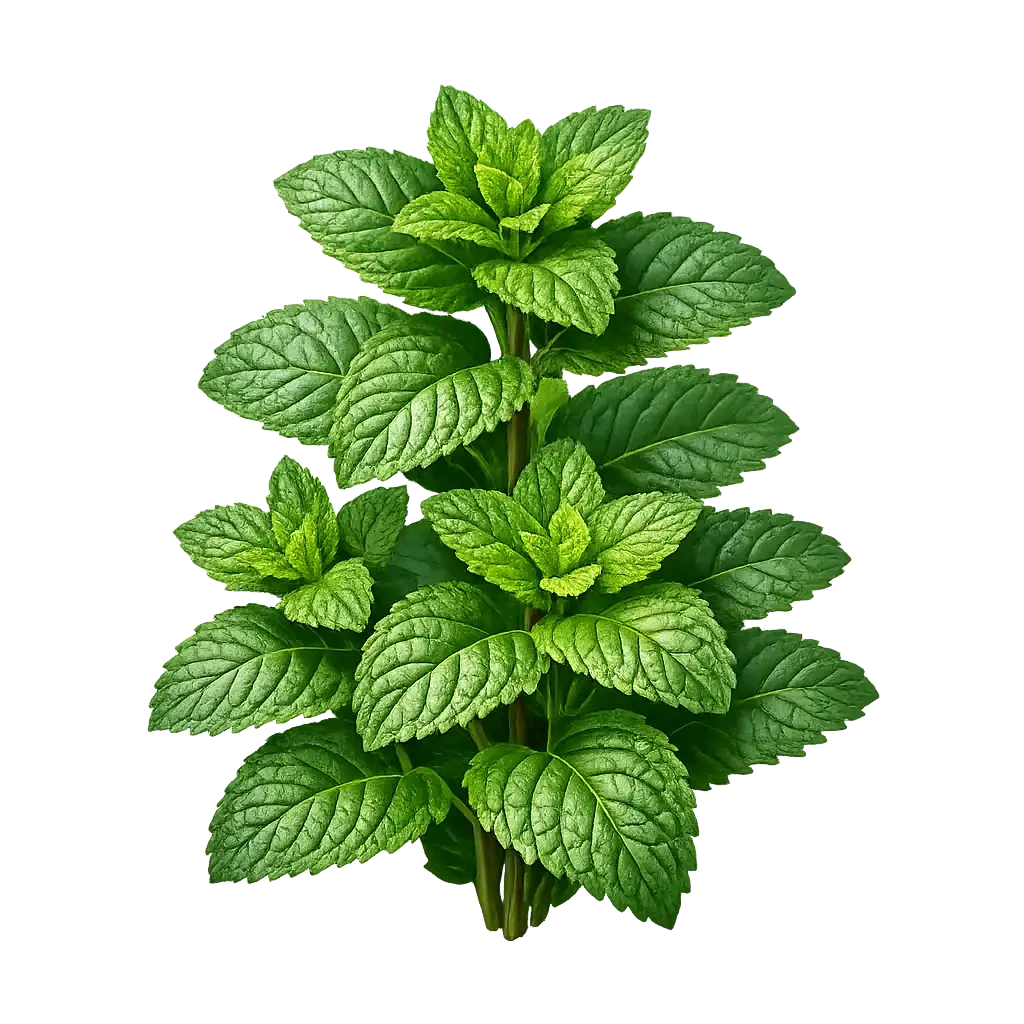
Dark green rounded toothed leaves, purple-tinged square stems, dense cylindrical pale lilac flower spikes, intense cool-hot menthol aroma
Menthol Content
40 to 55 percent of essential oil in high-quality varieties
Uses
Culinary herb for sweet preparations and beverages, tea, digestive antispasmodic and IBS support, tension headache topical remedy, insect deterrent, livestock management
Peppermint is a sterile hybrid that does not occur in nature without human involvement and cannot reproduce from seed. It arose from a cross between watermint and spearmint, and the result is a plant with an aromatic profile more intense than either parent: the menthol concentration in peppermint essential oil runs to forty percent or higher, producing the sharp cool-hot sensation that distinguishes peppermint from every other mint and accounts for its dominance as the world's most recognized herbal flavor. It is the mint of the most popular herbal tea on earth, of chocolate-mint combinations, of the tension headache remedy that a controlled trial found equivalent to acetaminophen. Growing it well requires understanding two things above all others: that it must be contained before it goes into the ground, and that it must never be grown from seed.
Introduction
Mentha piperita is believed to have arisen as a natural hybrid in England in the seventeenth century, where watermint and spearmint grew in proximity in wet ground and crossed spontaneously. The resulting sterile hybrid was recognized immediately for its exceptional aromatic quality, propagated vegetatively, and spread through European gardens within a generation of its discovery. By the eighteenth century it was under commercial cultivation in England for essential oil distillation; by the nineteenth century it had become the dominant flavoring agent in confectionery, liqueurs, medicines, and the rapidly growing herbal tea trade.
The defining compound is menthol, present at 40 to 55 percent of the essential oil in quality varieties. Menthol activates the TRPM8 cold receptor in the skin and mucous membranes, producing the sensation of coolness without any actual temperature change. This cold receptor activation is simultaneously the mechanism behind peppermint's refreshing sensory character, its analgesic activity in topical headache applications, its bronchodilatory effect in respiratory preparations, and the cooling throat sensation of peppermint tea that feels soothing in ways that go beyond simple warm liquid. Everything distinctive about peppermint traces back to this single compound and what it does to the cold receptors it encounters.
Because peppermint is a sterile hybrid, all propagation is vegetative. Every peppermint plant in cultivation is a genetic clone of the original natural hybrid or one of its subsequently selected variants, maintained through centuries of division, cutting, and stolon spread. This vegetative identity is also what makes peppermint so easy to establish: a single fresh stem placed in water produces roots within a week, and the plant's vigorous stolon-based spread means that a small initial planting fills the available space within a single growing season.
How to Grow
Sun Requirements
Peppermint prefers full sun to light partial shade, producing its most aromatic and most medicinally potent growth in six or more hours of direct daily light. The essential oil content and therefore the menthol concentration is highest in full-sun plants. In hot summer climates, the combination of full sun and high temperatures causes leaf scorch and accelerated bolting; in zones 7 and warmer, a position with morning sun and afternoon shade maintains better leaf quality through the full growing season than exposed full-day sun.
In partial shade of three to four hours, peppermint produces larger, more lush leaves with reduced menthol intensity. This lower-intensity material suits culinary applications and teas where the full peppermint punch would be overpowering.
Soil Requirements
Peppermint grows best in moist, fertile, well-drained soil with good organic matter and near-neutral pH. This preference reflects its origin as a hybrid of waterside mints adapted to the wet, nutrient-rich margins of streams and rivers. Incorporating generous compost before planting and mulching the bed surface to retain moisture supports the productive growth a peppermint bed is capable of through a full season.
Drainage alongside the moisture preference matters: peppermint wants consistently moist but not waterlogged soil, and crown rot from standing water is a real risk in poorly drained heavy clay. A raised bed or a bed amended with organic matter and sharp sand strikes the right balance.
Containment
This section comes before planting because it is the single most consequential decision in peppermint cultivation, and correcting an uncontained planting after the fact is considerably harder than containing it from the start. Peppermint spreads by surface and subsurface stolons in all directions, producing rooted daughter plants wherever a node contacts moist soil. Stolons travel two to three feet per season and persist as viable underground runners through winter. A peppermint plant in open garden soil without physical containment will colonize the surrounding bed and adjacent areas within two growing seasons.
The standard approach is planting in a large container sunk into the ground with the rim extending two to three inches above soil level, preventing stolons from rooting over the edge. A buried plastic pot of at least twelve inches diameter, a galvanized metal tub, or a purpose-built rhizome barrier ring sunk to twelve to fourteen inches all accomplish the goal. The barrier must extend deep enough to intercept subsurface stolons; anything shallower than ten inches allows deeper runners to escape beneath it.
Above-ground container planting is the most effective containment method and has the practical advantage of placing the harvest exactly where it is most convenient: beside the kitchen door, on a patio table, or on a windowsill for year-round indoor production. For growers who want peppermint as a naturalized ground cover in a deliberately designated area, uncontained planting is appropriate and the spreading habit becomes an asset. The key is choosing the area before planting rather than discovering the colonization afterward.
Water Needs
Peppermint requires consistently moist soil and is less drought-tolerant than most herbs in this series. In dry conditions the plant produces smaller, tougher leaves with higher menthol concentration, which is sometimes desirable for medicinal purposes but yields a coarser culinary product. For consistently tender, flavorful leaf through the full season, regular watering to maintain even soil moisture is the appropriate approach, particularly through the dry midsummer period.
Planting
Peppermint must always be established from cuttings, divisions, or purchased plants. Growing it from seed produces plants of unpredictable and typically inferior aromatic quality compared to the named varieties available as vegetative propagations; seed-grown plants should not be expected to have the menthol intensity of a proper peppermint variety.
Stem cuttings are the most accessible starting point. Cut four to six inch sections of fresh stem, remove the lower leaves, and place in a glass of water on a bright windowsill. Roots develop from the nodes within seven to ten days. Once the root system reaches two to three inches the cutting can be potted into a container or planted into a prepared contained bed. A bunch of fresh peppermint from a reputable grocer or farmers market provides adequate cutting material for establishing a full planting at minimal cost.
Division of an established clump in early spring, before new growth has extended beyond a few inches, is the standard method for expanding a planting or refreshing a bed that has become woody and unproductive at the center. Lift the entire clump, pull apart the vigorous peripheral sections, and replant only the freshest growth into newly amended soil.
Harvesting
Harvest Time
Peppermint provides a continuous harvest from the time new spring growth reaches four to six inches through the first hard frost of autumn. The menthol content and aromatic intensity peak just before the plant begins to flower, typically in midsummer, and this pre-flower material is the preferred harvest timing for medicinal applications and for drying. For fresh culinary and tea use, young stem tips harvested throughout the season are appropriate regardless of flowering stage.
Once the plant flowers, cutting the entire above-ground growth back to four to six inches stimulates a vigorous flush of fresh, pre-flower-quality regrowth through the remainder of the season. This post-flower cutback is the single most productive seasonal management intervention for a peppermint bed.
Harvest Method
Pinch or cut stem tips of two to six inches for fresh use, taking from throughout the bed to encourage even, bushy growth. Regular tip-pinching prevents the lanky, open growth that produces fewer and less flavorful leaves than compact, well-managed plants. For bulk harvest for drying, cut entire stems to within four to six inches of the ground and process the same day.
Drying peppermint is straightforward. Bundle cut stems loosely and hang in a warm, well-ventilated space away from direct light, or strip leaves onto mesh drying racks. Peppermint dries in five to seven days at room temperature. A food dehydrator at 95 degrees Fahrenheit dries it in two to four hours with excellent menthol retention. Store dried leaf in airtight dark glass containers immediately; menthol dissipates rapidly from improperly sealed storage.
Peppermint headache roller: Fill a small glass jar with dried peppermint leaf, cover completely with jojoba or fractionated coconut oil, seal, and place in a warm sunny window for four weeks, shaking every few days. Strain through cheesecloth, pressing the spent leaf firmly, and decant into a small dark glass roller bottle. At the onset of a tension headache, apply across the forehead and temples, keeping clear of the eyes. A controlled trial published in Cephalalgia found topical peppermint oil equivalent to acetaminophen for tension headache pain reduction at thirty minutes, with menthol's TRPM8 cold receptor activation and local vasodilation providing the mechanism. This roller bottle preparation brings that result within reach of anyone with a jar, some dried leaf, and a four-week wait.
How to Use
Culinary Uses
Peppermint's culinary application is primarily in sweet preparations and beverages, where its menthol intensity is an asset. It is the mint of chocolate-mint combinations in desserts and confectionery, of peppermint syrups and liqueurs, of the after-dinner mint tradition across European and North American cooking, and of cold drinks where a sharp, cooling herbal note is the intended outcome.
Peppermint syrup, made by simmering equal parts sugar and water with a generous bunch of fresh peppermint for five minutes and steeping off heat for thirty minutes before straining, provides a concentrated flavoring for cocktails, lemonades, iced teas, and chocolate dessert sauces. It keeps refrigerated for two weeks and frozen for three months. A syrup from fresh home-grown peppermint is a qualitatively different product from any commercial extract, capturing the full volatile complexity of the fresh plant.
In savory cooking, peppermint requires a very light hand. A few leaves torn into a fruit salad, a small amount minced into a yogurt sauce for lamb, or a single sprig added to new potatoes in the final minutes of cooking contribute the characteristic peppermint note without overwhelming the dish. The general rule is roughly a quarter of the quantity a recipe written for spearmint would specify, tasting as you go.
Tea
Peppermint tea is the most widely consumed herbal tea in the world, and the quality difference between fresh home-grown peppermint and commercial dried tea bags is large enough to justify growing it for this use alone. Fresh peppermint tea made by steeping a generous handful of fresh leaves in boiling water covered for five to ten minutes produces a cup with the full aromatic complexity and volatile menthol of the living plant.
The covering step is not incidental. Menthol is highly volatile at hot water temperatures and a significant portion escapes with the steam from an uncovered cup. Steeping covered captures and returns this volatile fraction to the liquid, producing a noticeably more aromatic and medicinally active tea from the same quantity of leaf. This principle applies to all aromatic herb teas but matters more for peppermint than almost any other, given menthol's volatility.
Digestive Uses
Peppermint's digestive application is among the most clinically supported of any herb in this series. Menthol relaxes smooth muscle in the gastrointestinal tract through calcium channel blockade, reducing the intestinal spasms that cause cramping, bloating, and the urgency of irritable bowel syndrome. Multiple meta-analyses of randomized controlled trials have established peppermint oil capsules as an effective IBS treatment, with evidence strong enough to appear in clinical guidelines in several countries.
For the homestead application, peppermint tea prepared from fresh or well-dried leaf delivers menthol in a gentler form than enteric-coated capsules but with genuine benefit for post-meal bloating, indigestion, and mild digestive cramping. One cup after heavy meals as a digestive aid, or three to four cups daily through an acute digestive episode, represents the traditional and clinically plausible approach. The tea should be prepared covered and drunk while still warm.
One important limitation: peppermint relaxes the lower esophageal sphincter as part of its smooth muscle activity, which benefits intestinal cramping but worsens gastroesophageal reflux by allowing stomach acid to move upward. People with frequent heartburn or diagnosed GERD should avoid peppermint or use it cautiously, as it may aggravate reflux even while improving lower digestive complaints.
Headache and Tension Relief
Topical peppermint oil for tension headache is one of the most specifically evidenced applications in this entire series. The Cephalalgia trial found that ten percent menthol in ethanol applied to the forehead reduced tension headache pain as effectively as 1000 mg of acetaminophen at thirty minutes, with the mechanism attributed to menthol's TRPM8 cold receptor activation producing local vasodilation, pain signal modulation, and muscle relaxation in the frontalis. The infused oil roller bottle described in the preparation note above provides the topical format for this application from home-grown material.
Apply across the forehead and temples at the first sign of tension headache onset. The effect for many people is faster than oral analgesics for tension-pattern headaches and adds nothing to the body's daily medication load. Keep the preparation away from the eyes.
Livestock Uses
Fresh peppermint scattered in poultry housing deters flies, mites, and other insects through its volatile menthol compounds, providing a non-toxic alternative to synthetic insecticide preparations in the chicken coop. Dried peppermint in nesting boxes has the same deterrent effect and is straightforward to integrate into routine poultry management where peppermint grows in seasonal abundance. Fresh peppermint offered as supplemental forage to poultry, goats, and pigs provides mild digestive and parasite-deterrent support in proportion to the quantities offered.
Storage
Fresh peppermint keeps for five to seven days refrigerated in a glass of water or wrapped loosely in a damp paper towel in a sealed container. For longer preservation, the most effective culinary method is freezing: blend fresh leaves with a small amount of water, pour into ice cube trays, and freeze. Mint cubes stored in a sealed bag keep for six months and provide close-to-fresh flavor added directly to drinks or cooking.
Properly dried peppermint stores for one to two years in airtight dark glass containers with good menthol retention. Rapid drying at low heat is essential; a food dehydrator at 95 degrees Fahrenheit is considerably better than slow air drying for preserving the volatile oil content. Dried leaf in a loosely covered container loses its characteristic aroma within weeks as the menthol dissipates.
Lifespan of the Plant
Peppermint is a long-lived perennial that persists indefinitely through stolon expansion, with a well-managed contained bed providing productive harvests for many years without replanting. The above-ground stems die back to the ground each winter in cold climates and re-emerge vigorously from the stolon network each spring.
The central, oldest portions of an established bed become progressively woodier and less productive over three to four years while the peripheral new stolon growth remains vigorous and highly aromatic. Dividing the entire bed every three years, replanting only the vigorous outer portions into freshly amended soil, maintains peak productivity indefinitely.
Key cautions: Peppermint aggravates gastroesophageal reflux in susceptible individuals by relaxing the lower esophageal sphincter; those with GERD should use it cautiously or avoid it. Peppermint essential oil should never be applied near the face or chest of infants or young children, as concentrated menthol can trigger respiratory distress. Topical headache preparations should be kept well clear of the eyes. People taking cyclosporine should be aware that peppermint oil inhibits the CYP3A4 enzyme involved in its metabolism; those on immunosuppressant medications should consult a practitioner before using concentrated peppermint preparations.
Pros and Cons
Advantages
One of the most clinically supported digestive herbs available; peppermint oil for IBS appears in clinical guidelines in multiple countries
Topical tension headache application has genuine randomized trial support comparing favorably to over-the-counter analgesics
Produces the world's most popular herbal tea from a plant requiring minimal effort once the contained bed is established
Among the easiest herbs to propagate; a fresh stem in water roots within a week and a single cutting can supply a full household planting
Long-lived perennial; a well-managed contained bed harvests productively for many years without replanting
Hardy to zone 3; successful in virtually all temperate climates
Tolerates partial shade; productive in positions where sun-demanding herbs underperform
Effective natural insect deterrent for poultry housing
Limitations
Aggressive stolon spread requires physical containment installed before planting; an uncontained planting colonizes the surrounding garden within two seasons
Sterile hybrid that does not come true from seed; must always be propagated vegetatively from a known quality variety
Aggravates gastroesophageal reflux in susceptible individuals
Menthol intensity too high for many savory cooking applications where spearmint is the more appropriate choice
Central bed portions become woody and unproductive over three to four years; periodic division required
Susceptible to mint rust, a fungal disease with no effective in-place treatment that can devastate a bed in humid conditions
Requires consistently moist soil; less drought-tolerant than most herbs in this series
Common Problems
Mint rust, caused by the fungus Puccinia menthae, is the most serious disease problem, producing orange-yellow pustules on leaf undersides and yellow mottling on the upper surface. It spreads rapidly in humid conditions and can defoliate an entire bed through one season. There is no effective treatment once established; remove and dispose of all affected material away from the compost pile, rest the bed for at least one full season, and replant from certified rust-free stock in a new location with better air circulation and without overhead irrigation.
Verticillium wilt produces sudden wilting and yellowing that progresses from individual stems to the whole plant, with dark vascular discoloration visible in cross-section of an affected stem. Removal of all affected material and bed rest before replanting into freshly amended soil are the management steps.
Spider mites cause fine stippling on the upper leaf surface and eventual bronzing of the foliage in hot, dry conditions. A strong water spray from a hose dislodges mite populations effectively without pesticide application on a food and medicine herb. Consistent soil moisture reduces the stress conditions that invite mite establishment.
Annual spring inspection of the container rim or barrier edge to remove any stolons that have crossed the containment boundary prevents re-establishment of uncontrolled spread in a properly installed system.
Varieties
Black peppermint carries distinctively dark green to purple-tinged leaves and stems with a high menthol content, and is the variety preferred for medicinal preparations, essential oil production, and any application where maximum menthol intensity is the goal. The purple pigmentation is characteristic and makes it visually distinctive in the garden alongside other herbs.
White peppermint has lighter green stems and leaves with a somewhat milder, more rounded flavor profile, often preferred for culinary applications and for teas where the full intensity of black peppermint would be too sharp. Many experienced growers consider its flavor more complex alongside the menthol note.
Chocolate mint, a peppermint variant with a secondary cacao-like aromatic note, is worth growing as a single plant for dessert preparations and beverages where the chocolate-mint combination is the intended flavor. It is not a substitute for black or white peppermint in medicinal applications.
A note worth making here: pennyroyal (Mentha pulegium) is sometimes sold alongside culinary mints and shares the family's square stems and mint-family appearance. It contains high concentrations of pulegone, which is hepatotoxic in large doses and has caused fatal poisoning when used as an abortifacient. Pennyroyal should never be used interchangeably with culinary peppermint for tea, cooking, or any internal preparation.
Final Thoughts
Peppermint is the mint that earns the name through intensity. The menthol that makes it the world's most recognized herbal flavor is the same compound behind the most clinically supported digestive action of any herb in this series, the same compound in the headache remedy that outperforms the medicine cabinet analgesic in a controlled trial, and the same compound that makes a cup of tea from fresh-harvested leaves a qualitatively different experience from anything available commercially.
Contain it properly before it goes in the ground. Never grow it from seed. Divide it every few years. Give it moisture and reasonable sun. What it provides in return, from a single contained bed that asks for one afternoon of proper setup work, is one of the most consistently useful harvests in the herb garden across cooking, medicine, and everything in between.