
Mint (Spearmint)
Written By Arthur Simitian
QUICK FACTS
Common Name
Spearmint, Garden Mint, Common Mint
Scientific Name
Mentha spicata
Plant Type
Hardy perennial; naturally occurring species, can be grown from seed
Hardiness Zones
3 to 11
Sun Requirements
Full sun to partial shade; more heat-tolerant than peppermint
Soil Type
Moist, fertile, well-drained loam; pH 6.0 to 7.0
Plant Height
12 to 24 inches
Spacing
18 to 24 inches within a contained bed; spreads indefinitely without containment
Identifying Features
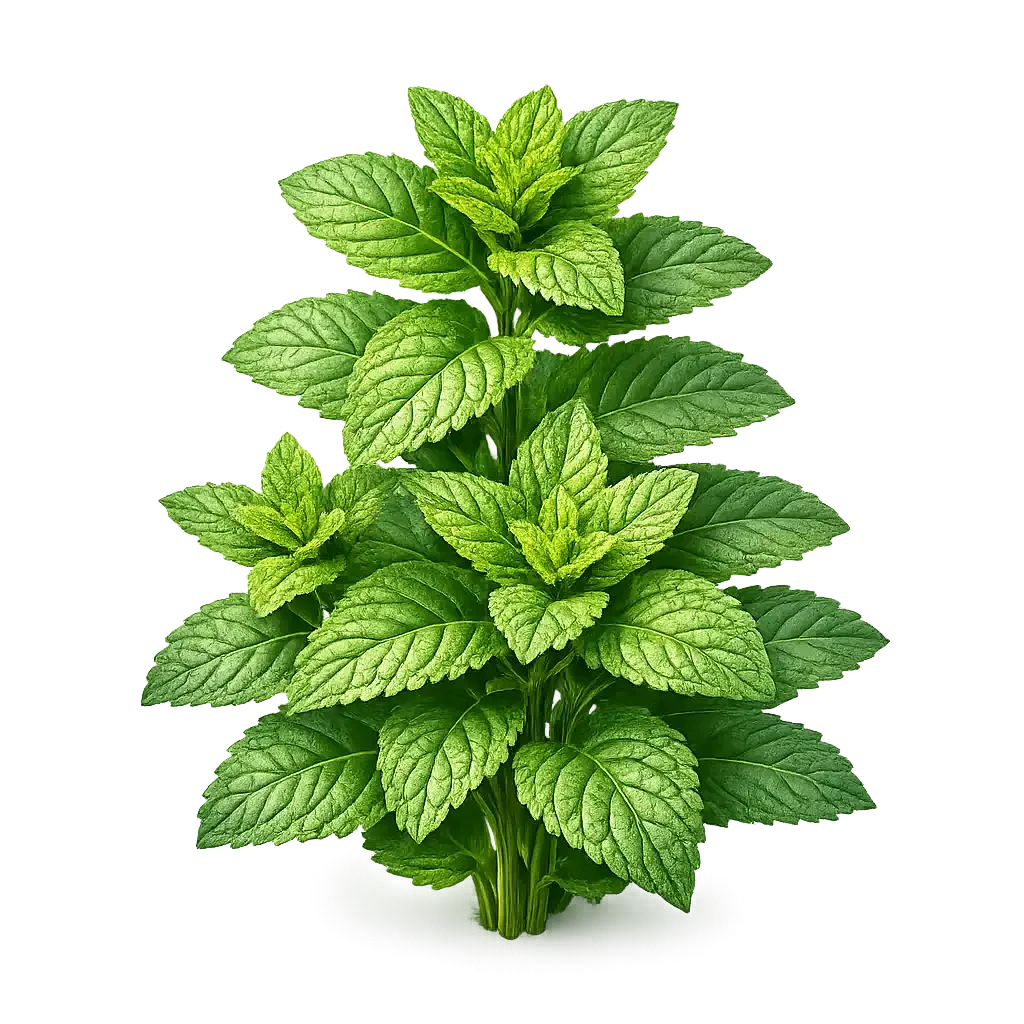
Bright green lance-shaped wrinkled toothed leaves, green stems without purple tinge, tapering conical pale pink to white flower spikes, sweet mild mint aroma
Primary Aroma Compound
Carvone (approximately 50 to 70 percent of essential oil); menthol very low at under 1 percent
Uses
Primary culinary mint for savory cooking, tabbouleh, tzatziki, lamb, Moroccan tea, Vietnamese and Middle Eastern cuisine, digestive carminative, mild hormonal support
Spearmint is the culinary mint. Not the medicinal mint, not the intensity mint, not the mint that announces itself from three feet away and flavors everything in its vicinity whether invited or not. It is the mint of the tabbouleh bowl, the lamb sauce, the Moroccan tea glass, the Vietnamese spring roll, the tzatziki, the mojito, and the grain salad where a cool herbal note is wanted without any of the medicinal sharpness of peppermint. Its primary aromatic compound is carvone rather than menthol, present at roughly fifty to seventy percent of the essential oil versus menthol's near-absence below one percent, and the result is a mint flavor that is genuinely fresh and aromatic without the sharp cool-hot sensation that makes peppermint so recognizable and so limiting in cooking. Spearmint complements food. Peppermint tends to replace it.
Introduction
Mentha spicata is a naturally occurring species native to Europe and southwestern Asia, naturalized across North America, Australia, and much of the temperate world. Unlike peppermint, which is a sterile hybrid that must be propagated vegetatively, spearmint is a true species that reproduces from seed, though seed-grown plants vary considerably in flavor intensity and aromatic quality compared to the named culinary varieties available from herb nurseries. The name spicata refers to the spiked, tapering flower heads that distinguish spearmint's conical blossoms from the more cylindrical flower spikes of peppermint.
Spearmint has been cultivated since antiquity, appearing in Greek and Roman texts and in medieval European herb gardens as the standard culinary and household mint. In the Arab world and across North Africa, spearmint became the defining ingredient of the sweetened green tea preparation that is the central gesture of hospitality across Morocco, Algeria, Tunisia, and much of the Middle East. In South and Southeast Asia, spearmint and its close relatives appear in the fresh herb plates and salads that accompany grilled meats, rice dishes, and noodle preparations across the region. The breadth of its global culinary adoption across independent food traditions is matched by very few herbs in this series.
The carvone chemistry that distinguishes spearmint from peppermint also produces a subtly different medicinal profile. Carvone has carminative activity similar to menthol but without menthol's calcium channel-blocking smooth muscle relaxant mechanism; it works instead through a mild stimulation of digestive secretions and gas expulsion that is gentler and less pharmacologically potent than the peppermint digestive action. This gentler profile makes spearmint the more appropriate daily digestive tea for people who find peppermint too intense or who experience peppermint's tendency to worsen reflux.
How to Grow
Sun Requirements
Spearmint grows well in full sun to partial shade, adapting to a somewhat wider and more forgiving light range than peppermint. In full sun it produces the most aromatic foliage with the highest carvone concentration. In partial shade it grows taller and produces larger, more lush leaves with a slightly gentler flavor that many cooks prefer for raw culinary use in salads and fresh herb preparations.
Spearmint is more heat-tolerant than peppermint, maintaining better leaf quality through summer in hot climates and less prone to the leaf scorch and accelerated bolting that peppermint experiences in sustained heat. In zones 8 and warmer, this greater heat tolerance makes spearmint the more reliable of the two mints for summer production without shade management.
Soil Requirements
Spearmint shares peppermint's preference for moist, fertile, well-drained soil with good organic matter and a near-neutral pH. It is slightly more tolerant of less-than-ideal soil conditions than peppermint, consistent with its character as a naturally occurring species rather than a selected hybrid, but it produces the most abundant and most flavorful leaf in properly prepared, moisture-retentive, fertile soil. Incorporating compost before planting and mulching the surface to retain moisture provides the growing conditions that support a full season of productive harvest.
Containment
Spearmint spreads by the same surface and subsurface stolon mechanism as peppermint and requires exactly the same physical containment strategy before planting. The spread rate and vigor are comparable between the two species, and an uncontained spearmint planting will colonize adjacent garden space as thoroughly as uncontained peppermint within two growing seasons.
A container sunk into the ground with the rim two to three inches above soil level, a buried large pot or galvanized tub sunk to at least twelve to fourteen inches depth, or a dedicated raised bed with solid sides all provide effective containment. The same annual spring perimeter inspection to remove escaped stolons applies. Where spearmint is wanted as a spreading ground cover in a designated area, the naturalized colony it forms is attractive and aromatic and the decision to allow free spread is entirely appropriate; the critical point is making that choice deliberately rather than reactively.
Water Needs
Spearmint requires consistently moist soil and is not significantly more drought-tolerant than peppermint in sustained dry conditions, though its greater heat tolerance means it handles warm temperatures without moisture stress as well as peppermint does. Regular watering to maintain even soil moisture through the growing season, particularly through midsummer dry periods, produces the most consistently tender and flavorful leaf quality for culinary use.
Planting
Spearmint can be grown from seed, which distinguishes it from peppermint, but the flavor and aroma of seed-grown plants varies considerably and is often inferior to the named culinary varieties available as vegetative propagations. For a predictable, high-quality culinary result, establishing spearmint from cuttings or divisions of a named variety such as Scotch Spearmint, Kentucky Colonel, or Moroccan Spearmint is strongly preferable to seed starting.
Stem cuttings root in water within seven to ten days by exactly the same process as peppermint. A bunch of fresh spearmint from a farmers market or reliable grocery source provides adequate cutting material, though the variety and therefore the ultimate flavor quality is unknown. For the most consistent culinary result, sourcing a named variety from a reputable herb nursery and propagating it vegetatively from that single known-quality plant provides a planting of predictable character.
Division of an established clump in early spring is the standard approach for expanding a planting or refreshing a bed that has become woody and unproductive. Lift the clump, select the vigorous peripheral growth, and replant into freshly amended soil with the same containment infrastructure maintained or improved.
Harvesting
Harvest Time
Spearmint provides a continuous harvest from the time new spring growth reaches four to six inches through the first hard frost of autumn. The carvone content peaks just before flowering in midsummer, when the aromatic intensity is at its highest and the material is most appropriate for drying or concentrated culinary preparations. For fresh culinary use throughout the season, young stem tips of two to four inches provide the most tender and most flavorful harvest at any growth stage.
Post-flower cutback to four to six inches above the ground stimulates the same vigorous fresh regrowth as in peppermint, extending the productive harvest into autumn and resetting the aromatic intensity of the new growth to pre-flower quality. This cutback is the single most important seasonal management step.
Harvest Method
Pinch or cut stem tips of two to six inches for fresh culinary use, taking from throughout the bed to encourage even, bushy growth. For bulk harvest for drying, cut entire stems to within four to six inches of the ground. Spearmint dries slightly more quickly than peppermint due to its thinner, less waxy leaves: five to six days at room temperature on mesh drying racks or two to three hours in a food dehydrator at 95 degrees Fahrenheit. Store in airtight dark glass containers immediately upon drying; carvone is volatile and dissipates from improperly sealed storage.
Moroccan-style spearmint tea: Warm a small teapot with hot water and discard the water. Add one teaspoon of Chinese gunpowder green tea (optional but traditional) and a generous handful of fresh spearmint, stems and all. Pour in boiling water and steep covered for three to five minutes. Pour a glass, then return it to the pot, repeating twice to mix the tea. Add sugar generously to taste - the sweetness is not incidental but is part of the flavor balance that makes the preparation work. Pour from a height into small glasses, which aerates the tea and produces the characteristic foam. The quality of this preparation from fresh home-grown spearmint is not comparable to commercial mint tea bags or dried herb, and the experience of making and sharing it is as much the point as the tea itself. A pot of spearmint growing within reach of the kitchen makes this preparation available every day from late spring through autumn.
How to Use
Culinary Uses
Spearmint is the default culinary mint in most of the world's great mint-using food traditions, chosen specifically because its carvone-based sweetness complements and enhances the flavors around it rather than competing with them. Understanding where it belongs in the kitchen is partly a matter of knowing where peppermint does not: anywhere fresh mint is used in savory cooking, in salads, with grains, in yogurt preparations, alongside vegetables or meats, or in drinks where the mint note should be one ingredient among many rather than the entire statement, spearmint is the correct choice.
In Middle Eastern and North African cooking, spearmint is indispensable. Tabbouleh, the Lebanese parsley and bulgur salad that is one of the most widely eaten dishes in the world, includes a significant quantity of fresh spearmint alongside the parsley, and the interplay between the two herbs is part of what gives the dish its character. Fattoush salad uses fresh mint in the same complementary role. Stuffed grape leaves across the Levant include mint. Persian herb rice, the green-flecked kuku sabzi and the saffron-and-herb layered rice of Iranian cooking, incorporates dried and fresh mint as a primary herb alongside fenugreek, parsley, and cilantro.
British mint sauce for lamb, made by finely chopping fresh spearmint with sugar and dissolving in white wine vinegar, is the definitive European culinary application of the herb and one of the best examples of mint's ability to cut through the richness of lamb fat. The sauce is simple to make from fresh-harvested spearmint and is genuinely different from any commercial preparation, with the fresh herb providing volatile aromatics that bottled sauce cannot retain.
Vietnamese cuisine uses fresh spearmint and its close relatives as a key component of the fresh herb plate served alongside pho, bun bo hue, banh mi, and fresh spring rolls, where the aromatic freshness of the mint is essential to the dish's balance. Greek tzatziki, the yogurt and cucumber sauce that accompanies grilled meats and flatbreads across the eastern Mediterranean, is made with spearmint in the Greek tradition (rather than dill, which is a regional variation). The mojito cocktail, which has spread globally from its Cuban origin, calls for spearmint for the same reason all savory mint applications do: the flavor complements the lime and rum without overwhelming them.
Spearmint pairs particularly well with peas, new potatoes, cucumber, yogurt, lamb, chicken, citrus, chocolate in modest amounts, melon, and any grain dish where a fresh herbal note is wanted. It is less successful in preparations where the mint is the single dominant flavor, where peppermint's more aggressive character is actually the better choice.
Tea
Spearmint tea is gentler, sweeter, and more appropriate as a daily beverage than peppermint tea, without the medicinal intensity that makes peppermint more suitable for specific therapeutic use than for casual, habitual drinking. The Moroccan preparation described in the info box above represents the pinnacle of spearmint tea culture and is worth making properly at least once to understand what fresh spearmint tea is capable of when treated as a genuine preparation rather than a health supplement.
For a simpler daily preparation, steeping a generous handful of fresh spearmint in covered boiling water for five to eight minutes produces a clean, sweet, aromatic cup with good color and a mild refreshing quality appropriate at any time of day. Unlike peppermint tea, which many people find stimulating enough to avoid in the evening, spearmint tea has no significant stimulant activity and is as appropriate as a pre-bed digestive as it is as a morning wake-up.
Digestive Uses
Spearmint has genuine but gentler digestive activity than peppermint. The carvone compound provides carminative activity that reduces gas and bloating through mild stimulation of digestive secretions and the physical movement of gas through the intestinal tract. This is a useful but less pharmacologically potent action than the calcium channel-blocking smooth muscle relaxation of peppermint menthol, and spearmint is not an appropriate substitute for peppermint in the clinical management of IBS.
Where spearmint's gentler profile is an advantage is in daily digestive use for people who find peppermint too intense, who experience peppermint's tendency to worsen reflux, or who want a digestive tea suitable for regular daily consumption rather than therapeutic-dose use. A cup of spearmint tea after meals provides the carminative and mild digestive stimulant benefit without the reflux risk and without the intensity that makes peppermint unsuitable as a casual beverage for some people.
Hormonal Health
Spearmint has a documented hormonal effect that is distinct from any other application in this guide and from any other herb in the series. Several clinical trials, including a randomized controlled trial published in Phytotherapy Research, have examined spearmint tea's effect on androgen levels in women with polycystic ovary syndrome (PCOS), finding that two cups of spearmint tea daily for thirty days produced significant reductions in free testosterone levels alongside patient-reported improvements in hirsutism (excess hair growth). The proposed mechanism is an anti-androgenic effect of carvone and other spearmint compounds that reduces the biological availability of androgens, and the results have been replicated in multiple smaller studies.
This anti-androgenic activity is specific enough that women with androgen-sensitive conditions including PCOS and hirsutism have a genuinely evidence-based reason to incorporate regular spearmint tea into their daily routine. It is also the reason why spearmint in very large quantities is theoretically of concern for men who want to maintain normal testosterone levels, though culinary quantities and standard tea consumption are not considered problematic. This hormonal note is worth including in any honest account of spearmint's pharmacology, and it is one of the things that makes the separate spearmint guide worth having rather than treating the herb as merely the gentler version of peppermint.
Storage
Fresh spearmint stores for five to seven days refrigerated in a glass of water or wrapped loosely in a damp paper towel. For longer preservation, the freezing method described in the peppermint guide applies equally here: blend with a small amount of water, freeze in ice cube trays, and store the cubes in a sealed bag for up to six months. Frozen spearmint is best for cooked applications and blended preparations; the cell structure of the thawed leaf is too soft for raw salad use.
Dried spearmint stores for one to two years in airtight dark glass containers. The thinner leaves of spearmint dry somewhat faster and more completely than peppermint, with less risk of the moisture retention in thick leaves that can cause inadequate drying. Store immediately upon drying; carvone is volatile and the characteristic spearmint aroma dissipates from improperly sealed containers within weeks.
Lifespan of the Plant
Spearmint is a long-lived perennial that persists indefinitely through stolon expansion in appropriate growing conditions, with above-ground stems dying back each winter in cold climates and re-emerging vigorously each spring. A contained bed established and managed with periodic three-year division and replanting of the vigorous peripheral growth provides productive harvests for as long as the bed is maintained.
Spearmint is somewhat more vigorous and somewhat more heat-tolerant than peppermint, which means it establishes more easily in marginal conditions but also means the containment management requires equal diligence. An unattended spearmint bed expands as aggressively as an unattended peppermint bed; the perennial vigor that makes it so productive is the same vigor that demands management at the perimeter.
Anti-androgenic activity note: The documented anti-androgenic effect of spearmint is relevant for men consuming very large quantities of spearmint tea daily over extended periods, though culinary use and standard one to two cup daily tea consumption are not considered a practical concern. Women with androgen-sensitive conditions including PCOS may find the anti-androgenic effect beneficial and the evidence base supports that application. As with all herbal interventions with documented hormonal activity, women who are pregnant or on hormonal medications should consult a practitioner before consuming spearmint medicinally in the quantities relevant to hormonal effects. Culinary use is not subject to these considerations.
Pros and Cons
Advantages
The correct mint for virtually all savory cooking, grain salads, yogurt preparations, and global culinary applications where mint complements rather than dominates other flavors
More broadly appropriate as a daily beverage tea than peppermint, without the reflux risk or the intensity that makes peppermint unsuitable for casual habitual consumption
Genuine clinical trial evidence for anti-androgenic activity relevant to women with PCOS and hirsutism, a pharmacological profile unique in this series
More heat-tolerant than peppermint; better suited to summer production in warm climates without shade management
Can be grown from seed, unlike peppermint, providing more flexible establishment options
Long-lived perennial requiring no annual replanting once established
Hardy to zone 3 and successful across a very wide range of climates including zone 11
More forgiving of less-than-ideal soil and growing conditions than peppermint
Limitations
Requires the same physical containment as peppermint; spreads aggressively by stolon and colonizes adjacent garden space without barriers
Seed-grown plants vary considerably in flavor quality; named culinary varieties should be established from vegetative propagation for predictable results
Less medicinally potent than peppermint for digestive applications; not appropriate as a peppermint substitute in IBS management
The anti-androgenic activity, while beneficial for specific applications, is a consideration for men consuming very large quantities habitually
Central bed portions become woody and unproductive over three to four years; periodic division required
Susceptible to the same mint rust and verticillium wilt diseases as peppermint, with no effective in-place treatment once established
Common Problems
Spearmint shares the disease and pest vulnerabilities of peppermint and the Mentha genus broadly. Mint rust (Puccinia menthae) is the most serious threat, producing orange-yellow pustules on leaf undersides and spreading rapidly in humid, poorly ventilated conditions. The management response is identical to peppermint: full removal of affected material, bed rest for one season, and replanting from certified rust-free stock in a new location with improved air circulation. Verticillium wilt, spider mites, and aphids are managed by the same approaches described in the peppermint guide.
Stolon escape from the containment perimeter requires the same annual spring inspection and removal of any runners that have crossed the barrier boundary. This is a management habit rather than a crisis response; a ten-minute perimeter check each spring prevents the re-establishment of uncontrolled spread in a properly installed system.
Woody, unproductive growth in the bed center from the third or fourth year onward is managed by full division and replanting into freshly amended soil, keeping only the vigorous peripheral growth. This periodic renewal is the most important long-term maintenance action for sustained productivity.
Varieties
Scotch Spearmint (Mentha spicata var. crispa or Mentha x gracilis in some classifications) is considered by many cooks who work seriously with fresh mint to be the finest culinary variety, with a higher carvone content and a more complex aromatic profile alongside the primary mint note. Its crinkled, more textured leaves are visually distinctive and provide a slightly more concentrated flavor per leaf than common spearmint.
Kentucky Colonel is a widely grown American variety with large, broad leaves and a smooth, sweet spearmint flavor that makes it the standard choice for mint juleps and cocktail applications in the Southern American tradition. Its vigorous growth and large leaf size make it one of the most productive spearmints for bulk harvest.
Moroccan Spearmint, sometimes sold as Mentha spicata var. crispa 'Moroccan', is the variety most closely associated with the traditional Moroccan tea preparation, with a flavor profile that is slightly sweeter and lighter than Scotch Spearmint, often described as cleaner and less camphorous. For anyone specifically interested in the Moroccan tea tradition, sourcing this variety is worth the effort.
Common Spearmint, the unnamed Mentha spicata found in most garden centers and grocery stores, is entirely serviceable for culinary use and provides the standard spearmint flavor that most recipes assume when they call for fresh mint. Its main limitation is the unpredictability of unnamed stock; a bunch from a grocery store could be any spearmint variant of varying aromatic quality.
Final Thoughts
Spearmint earns its place in the kitchen garden on entirely different terms from peppermint. Where peppermint makes its case through intensity and clinical potency, spearmint makes its case through versatility and appropriateness, through the breadth of global food traditions that have independently found it to be the right mint for cooking with, and through a tea tradition in Moroccan and Middle Eastern culture that elevates the simple act of steeping fresh leaves in hot water into one of the most widely practiced gestures of hospitality in the world.
The clinical evidence for its anti-androgenic activity is genuinely interesting and distinguishes it pharmacologically from every other herb in this series in a way that makes the separate post worth reading beyond the culinary applications alone. But the primary case for spearmint in the homestead herb garden is simpler: it is the mint you reach for when cooking, and having a well-managed contained bed of a good culinary variety within reach of the kitchen from late spring through frost is one of the practical pleasures the herb garden provides that no other plant duplicates.
Contain it. Choose a named culinary variety from vegetative stock. Give it moisture and reasonable light. Make the Moroccan tea at least once and see what fresh spearmint is actually capable of.