
Motherwort
Written By Arthur Simitian
QUICK FACTS
Common Name
Motherwort, Lion's Tail, Lion's Ear, Throw-wort
Scientific Name
Leonurus cardiaca
Plant Type
Hardy perennial
Hardiness Zones
3 to 8
Sun Requirements
Full sun to partial shade
Soil Type
Average to poor, well-drained; tolerates dry and disturbed ground
Plant Height
2 to 4 feet
Spacing
18 to 24 inches
Harvest Parts
Aerial parts: leaves, stems, and flowers at early to mid bloom
Uses
Cardiovascular nervine, heart palpitation herb, emmenagogue, anxiety herb, tincture preparation, pollinator plant
Motherwort is one of the most specifically useful medicinal herbs in this entire series. It does not have a culinary application, it does not contribute ornamental drama in the way that mullein or mugwort does, and it spreads with enough persistence that it requires management. What it has is a documented, well-understood pharmacological profile that makes it genuinely valuable for a narrow but important set of conditions: the racing or irregular heartbeat that accompanies acute anxiety, the tension headache that arrives with stress, and the menstrual irregularity associated with emotional suppression. These are conditions that appear in most households at some point, and motherwort tincture kept in the medicine cabinet provides a response that is faster and more specific than most other herbs in this series for these particular presentations. The specific combination of cardiac and nervine activity in a single plant is rare, and motherwort is the clearest example of it available to the homestead herb garden.
Introduction
Leonurus cardiaca is native to central Asia and southeastern Europe, introduced to Western Europe and North America with human settlement and now naturalized in disturbed ground, roadsides, and waste places across temperate North America. The genus name Leonurus means lion's tail in Latin, a reference to the appearance of the whorled flower clusters along the upper stem. The species name cardiaca, meaning of the heart, reflects the plant's primary historical medicinal application, which appears in European herbal texts from the earliest written records of botanical medicine. Nicholas Culpeper wrote in the seventeenth century that there is no better herb to drive melancholy vapours from the heart and strengthen it, a characteristically florid description of what contemporary cardiology would recognize as anxiolytic cardiac support.
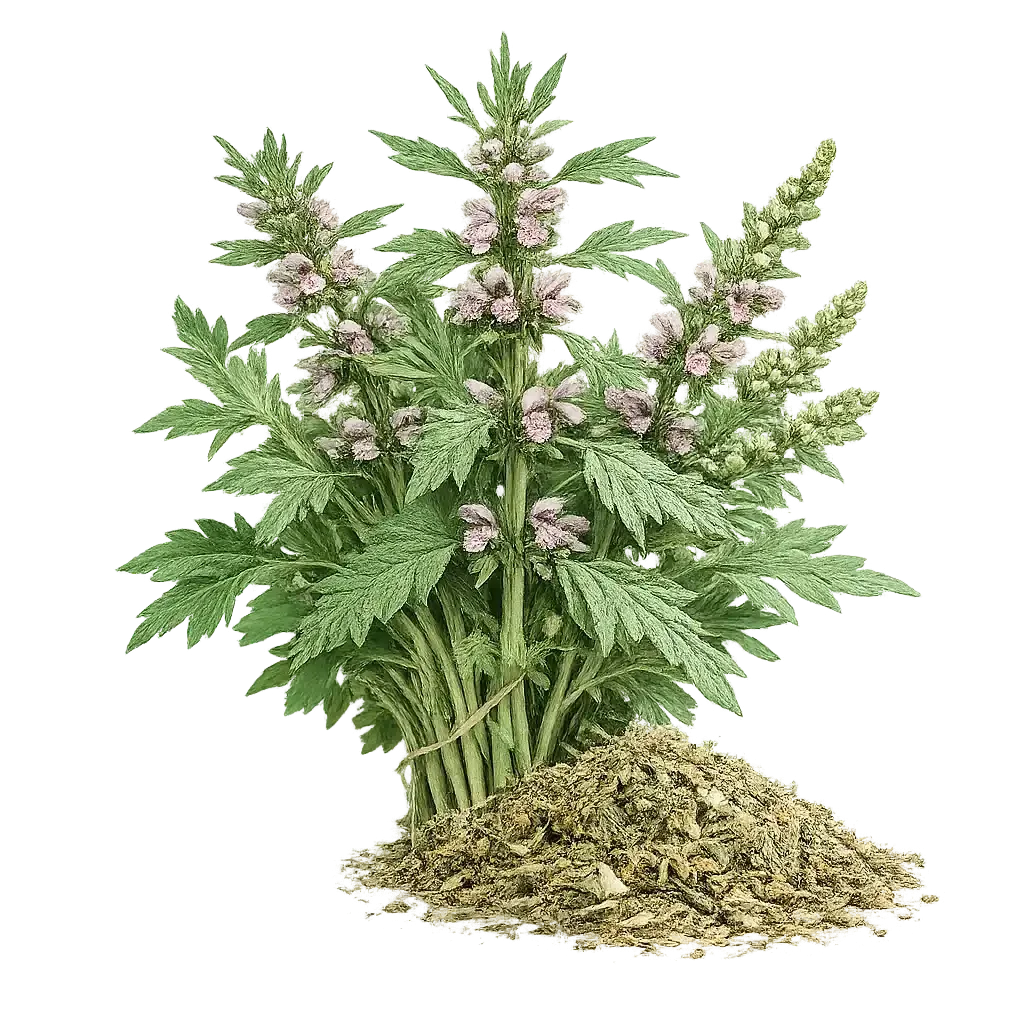
The plant is a member of the Lamiaceae family, sharing the square stems, whorled flower arrangement, and aromatic foliage of the mint family, though the aroma of motherwort is distinctly bitter and unpleasant compared to the culinary mints, reflecting its strongly medicinal rather than culinary character. The flowers are small, two-lipped, pale pink to lavender, produced in dense whorls that encircle the square stem at each leaf node, with spiny bracts below each whorl that make handling the flowering plant mildly uncomfortable without gloves.
The active compounds include iridoid glycosides, particularly leonurine and leonurinine, which exert mild uterine-stimulating and cardiovascular effects; alkaloids including stachydrine, with documented effects on heart rate and uterine smooth muscle; and the flavonoids rutin and quercetin, which contribute antioxidant and mild antispasmodic activity. Together these compounds produce the combination of cardiac regulatory, nervine, and emmenagogue effects that define motherwort's medicinal identity.
How to Grow
Sun Requirements
Motherwort grows in full sun to partial shade, performing well across a wider light range than many of the Mediterranean medicinal herbs. In full sun it produces compact, strongly aromatic plants with maximum medicinal compound concentration. In partial shade it grows taller and more open but produces serviceable medicinal material, and the partial shade tolerance makes it useful for planting under established fruit trees or at the shadier edges of the garden where other herbs perform less well.
Soil Requirements
Motherwort is a ruderal plant that colonizes disturbed and marginal ground, and it grows best in average to poor, well-drained soil rather than in the richly amended beds that food crops prefer. In fertile soil it produces lush, rank growth with reduced essential oil concentration and a greater tendency toward the aggressive self-seeding that is the primary management challenge of the plant. In lean, well-drained soil it grows more modestly and produces more concentrated medicinal foliage. It tolerates a range of soil pH from moderately acid to slightly alkaline and does not require lime amendment unless the soil is extremely acidic.
Water Needs
Established motherwort is moderately drought-tolerant, consistent with its native habitat in dry disturbed ground and roadside margins. It manages well on natural rainfall in most temperate climates once the root system is established, with supplemental irrigation needed only during extended dry periods. Young plants benefit from regular moisture during their establishment period. Overwatering or consistently wet soil at the crown promotes the fungal root diseases that are the primary cause of plant loss in poorly sited plantings.
Planting
Motherwort is easily established from seed direct-sown in early spring or autumn, or from divisions of existing clumps. The seed is small and requires light for germination; surface sow on moist growing medium and press lightly without covering. Cold stratification of sixty days improves germination rates, making autumn outdoor sowing or a winter refrigerator stratification period before spring indoor sowing worthwhile for reliable establishment from seed.
Division of an existing clump in early spring or autumn is the most reliable establishment method, producing plants that begin medicinal production the first season. Division also provides an opportunity for perimeter containment, removing the advancing edges of an established clump and replanting only the central vigorous portions in the desired location.
The spread management consideration with motherwort is primarily through seed rather than through rhizome expansion. Unlike mugwort, motherwort does not spread aggressively by underground runners; its persistence comes from prolific self-seeding from the spiny seed heads that remain on the plant through winter. Deadheading before seed dispersal, or cutting the flowering stems to the ground after bloom, manages the self-seeding spread. A deliberate planting that is deadheaded consistently remains reasonably contained; a planting left to seed freely in appropriate conditions will establish daughter plants throughout the garden.
Plant Spacing
Space plants eighteen to twenty-four inches apart, which accommodates the mature spread of a well-grown individual plant while allowing air circulation that reduces the fungal disease pressure in humid conditions. The plant forms a single upright clump rather than the spreading colony of rhizomatous herbs like mint or mugwort, making spacing management straightforward and the footprint of an established planting predictable.
Harvesting
Harvest Time
The medicinal harvest is taken from the aerial parts of the plant during early to mid bloom, when the lower flower whorls are opening and the upper stem is still in bud. This flowering period, typically from June through August depending on climate and location, represents the peak concentration of the alkaloids and iridoid glycosides that provide the plant's medicinal activity. Leaf material harvested before flowering has acceptable medicinal quality but lower alkaloid content than the whole flowering herb.
Harvest Method
Cut the upper third of the flowering stems with scissors or pruning shears, taking the actively growing tips and upper leaves with the developing and newly opened flower whorls. Gloves are recommended during harvest: the spiny bracts below each flower whorl are sharp enough to cause skin irritation with repeated handling, and the bitter compounds in the plant sap are unpleasant on sensitive skin.
Dry the cut stems in loose bundles or stripped onto mesh drying racks in a warm, well-ventilated space away from direct light. Motherwort dries within one to two weeks at room temperature and retains its distinctive bitter, slightly acrid aroma in the dried form. The dried herb for tincture preparation is stripped from the stems and the leaf and flower material is processed immediately or stored airtight for tincture preparation through the winter months.
Motherwort tincture: Pack a clean glass jar loosely with freshly harvested motherwort aerial parts, leaves, stems, and flower whorls together. Cover completely with 80-proof vodka or brandy, ensuring all plant material is submerged. Seal and store in a cool, dark location for four to six weeks, shaking the jar every few days. Strain through cheesecloth into a dark glass dropper bottle, pressing the spent herb firmly to extract the remaining tincture. Label with herb name, preparation date, and menstruum. Standard dose is one to two milliliters in a small amount of water, up to three times daily as needed for acute anxiety with heart palpitations, or according to individual response. The bitterness of motherwort tincture is pronounced and not improved by the alcohol; mixing with a small amount of strong fruit juice or taking it quickly in water is the practical approach. The tincture keeps for three to five years. Fresh plant tincture prepared this way is consistently considered superior in potency to preparations from dried herb by most experienced herbalists who work regularly with this plant.
How to Use
Cardiovascular and Nervine Uses
The combination of cardiac and nervine activity that gives motherwort its specific medicinal identity is produced by two overlapping mechanisms. The alkaloid leonurine exerts a mild negative chronotropic effect on the heart, meaning it tends to slow and regulate rapid heart rate rather than stimulate it, while simultaneously acting on the central nervous system as a mild sedative and anxiolytic. This dual action on both the cardiac and the nervous system simultaneously is the property that makes motherwort particularly well-suited to the specific presentation of heart palpitations driven by anxiety, where the rapid or irregular heartbeat is a physical expression of the nervous system dysregulation rather than a primary cardiac problem.
For the experience of heart racing, pounding, or skipping beats that accompanies acute anxiety, panic, or emotional shock, motherwort tincture taken immediately in water provides an onset of action within fifteen to thirty minutes that addresses both the cardiac symptom and the underlying nervous system activation simultaneously. This is the application where motherwort most clearly justifies the specific space it occupies in the homestead medicine cabinet, delivering a response that general nervine herbs like lemon balm or skullcap provide only partially, because those herbs address the nervous system component without the cardiac regulatory specificity of motherwort's alkaloid profile.
Several clinical studies from Eastern Europe and China have examined motherwort preparations for cardiovascular applications, including small trials showing reductions in heart rate and blood pressure in hypertensive patients and improvements in subjective anxiety scores with standardized motherwort extract. The evidence base is modest by contemporary standards but is consistent in direction, supporting the traditional application rather than contradicting it, and is in line with the documented pharmacological mechanisms of the plant's active compounds.
As a long-term cardiac tonic, motherwort tea or tincture in regular low doses has been used in European and Chinese herbal practice for the management of mild chronic hypertension associated with nervous tension, the so-called white-coat hypertension pattern of cardiovascular reactivity to stress. This application requires the guidance of a qualified practitioner who can monitor blood pressure response and ensure that the herb is being used appropriately alongside any conventional cardiovascular management.
Women's Health Uses
The emmenagogue application of motherwort is its second primary medicinal identity, used in European herbal medicine for delayed or suppressed menstruation associated with emotional tension, anxiety, and the kind of stress that disrupts the hypothalamic-pituitary-ovarian axis and produces menstrual irregularity. The traditional herbalists who used motherwort for this application understood, through clinical observation rather than endocrinology, that some menstrual irregularity was driven by the same emotional and nervous system dysregulation that produced the cardiac symptoms the herb also addressed, and that motherwort's dual cardiac-nervine action was specifically suited to this emotionally mediated presentation.
The stachydrine alkaloid provides uterine-stimulating activity through a mechanism distinct from but complementary to the leonurine cardiac action, and the combination of uterine stimulation and nervous system relaxation is the basis for motherwort's specific reputation in women's herbal practice as a herb for the delayed period that arrives with emotional release. This is not a herb for all menstrual irregularity, but for the pattern of emotional tension producing physical menstrual suppression, it is considered one of the most specifically applicable herbs available.
Anxiety and Sleep
As a nervine herb for general anxiety and sleep difficulty, motherwort occupies a specific position among the herbs in this series. It is not the broadest or most gentle nervine available; lemon balm, skullcap, and valerian all provide nervine support with gentler, more pleasant-tasting preparations. Motherwort's nervine application is most appropriate when the anxiety has a physical cardiac component, when the body is expressing the emotional state through the heart, and when the combination of nervous system calming with cardiac rhythm regulation is the specific response needed rather than general relaxation alone.
The bitter taste of motherwort, pronounced in both tea and tincture, actually contributes to its nervine action through the bitter reflex: the vagal nerve stimulation produced by bitter taste has a mild systemic calming and digestive regulatory effect that amplifies the direct alkaloid activity of the herb. This bitter-reflex contribution to the medicinal action is part of why experienced herbalists consistently report that the full-spectrum preparation from whole herb provides a better response than standardized extracts that reduce the bitterness by concentrating specific compounds.
Storage
Dried motherwort stores for one year in airtight dark glass containers with reasonable retention of the alkaloid and iridoid glycoside content. Beyond one year the medicinal potency declines more rapidly than many dried herbs, as the alkaloids in motherwort are less stable in dried form than the essential oils of aromatic herbs. For this reason, many experienced herbalists prefer to work with motherwort tincture prepared from fresh or recently dried plant material rather than accumulating large quantities of dried herb for extended storage.
Motherwort tincture prepared in 40 to 50 percent alcohol stores for three to five years with excellent retention of the alkaloid content that provides the cardiac and nervine activity. The tincture is the preferred long-term storage form for this herb, and preparing a year's supply of tincture from the summer harvest provides reliable medicinal material through a period when fresh herb is unavailable.
Lifespan of the Plant
Motherwort is a long-lived perennial that dies back to the ground each winter in cold climates and re-emerges vigorously each spring from the established root crown. Individual plants can persist for many years in appropriate growing conditions, expanding modestly in crown size each season without the aggressive lateral spread of rhizomatous herbs. The practical lifespan of a motherwort planting is effectively indefinite as long as the crown is not damaged by prolonged waterlogging, severe crown rot, or physical disturbance.
Self-seeding from the persistent spiny seed heads extends the planting's presence into adjacent areas if seeds are allowed to disperse, and a managed motherwort planting that is deadheaded annually maintains a stable footprint for many years. A planting left to self-seed develops a naturalized colony in the surrounding garden that requires periodic removal of unwanted seedlings from beds where motherwort is not wanted.
Pregnancy and drug interaction cautions:Motherwort is contraindicated in pregnancy due to its documented uterine-stimulating activity; this contraindication is absolute. People taking anticoagulant medications including warfarin should avoid medicinal doses, as the alkaloids in motherwort have mild anticoagulant activity that may potentiate drug effects. Those taking cardiac medications including beta-blockers, digoxin, or antiarrhythmic drugs should consult a qualified practitioner before using motherwort medicinally, as the cardiac-active alkaloids may interact with these drugs. Motherwort is bitter and unpleasant enough that accidental overconsumption is unlikely, but responsible use means understanding the pharmacology. The spiny bracts on flowering stems can cause skin irritation on contact; gloves during harvest are advisable for sensitive individuals.
Pros and Cons
Advantages
The most specifically useful herb in this series for the combination of heart palpitations and anxiety, addressing both the cardiac symptom and the nervous system driver simultaneously
Documented pharmacological mechanisms in the cardiac alkaloids leonurine and stachydrine that support the traditional applications rather than leaving them unsupported by mechanism
Long-lived perennial that establishes once and provides a continuous medicinal harvest for many years from a modest garden footprint
Spreads primarily by seed rather than rhizome, making the containment challenge more manageable than rhizomatous herbs like mugwort or mint
Hardy to zone 3; grows in virtually all temperate climates without special management
Tolerates partial shade, making it useful for positions where more sun-demanding herbs would underperform
Tincture stores for three to five years, providing reliable medicinal material well beyond the growing season
Excellent pollinator plant; the small two-lipped flowers are highly attractive to bumblebees throughout the summer flowering period
Limitations
No culinary application; contributes nothing to the kitchen, making it a purely medicinal garden planting
Bitter, unpleasant taste in both tea and tincture; not a pleasant daily tonic herb in the way that lemon balm or chamomile are
Absolute pregnancy contraindication with documented uterine-stimulating activity
Potential drug interactions with anticoagulants and cardiac medications require caution in medicated individuals
Self-seeds freely if not deadheaded; persistent seedlings require management in adjacent beds
Dried herb loses potency faster than aromatic herbs; tincture preparation is the preferred medicinal form but requires alcohol and preparation time
Spiny bracts on flowering stems cause mild skin irritation during harvest without gloves
Common Problems
Motherwort is a robust, largely problem-free plant in appropriate growing conditions. The management challenges are primarily the self-seeding spread described above and the occasional fungal issues that arise in poorly sited plantings.
Powdery mildew affects motherwort in humid conditions with poor air circulation, producing the familiar white surface coating on the leaves that reduces harvest quality and plant vigor late in the season. Adequate spacing of eighteen to twenty-four inches between plants and siting in a well-ventilated position manage the problem in most cases. Once powdery mildew is established on the foliage, the affected material is unsuitable for medicinal use; cutting back affected plants to encourage fresh growth from the base salvages the season's second harvest in mild infections.
Crown rot from consistently wet soil at the base of the plant kills the growing point and is the primary cause of plant loss in improperly sited plantings. Raised beds, sloped ground, or amended soil with sharp drainage improvement manages this risk adequately in all but the heaviest and most waterlogged garden soils.
Japanese beetles feed on motherwort foliage in gardens where this pest is present, producing the characteristic skeletonized leaf damage of this species. Hand-picking in the early morning when the beetles are sluggish, into a container of soapy water, provides effective control for small infestations without the need for pesticide application on a medicinal herb.
Related Species
Leonurus cardiaca, the species described throughout this guide, is the standard medicinal motherwort of European and North American herbal practice and the appropriate species for all the applications described here.
Leonurus japonicus, Chinese motherwort, known as yi mu cao, is the species used in Traditional Chinese Medicine, where it occupies a central place in gynecological practice as one of the most important herbs for blood-moving and menstrual regulation. The pharmacological profile is similar to Leonurus cardiaca, with leonurine and stachydrine present in both species, and Chinese motherwort is increasingly available from North American seed suppliers for growers who want to explore the TCM application tradition alongside the European one.
Final Thoughts
Motherwort makes a quiet case for itself that does not depend on flavor, beauty, or drama. It is not a pleasant-tasting herb. It does not produce a spectacular flower display. It will colonize adjacent garden space if you do not deadhead it. What it provides, for anyone willing to learn its specific applications and respect its cautions, is one of the most targeted and practically useful medicinal preparations available from any herb in this series, for a specific cluster of conditions that are genuinely common and for which the conventional alternatives are often heavier interventions than the situation warrants.
The racing heart of acute anxiety. The suppressed period in a body held too long in tension. The physical expression of emotional states in the cardiovascular system that the heart herbs of traditional medicine have addressed for as long as people have written down what plants do. Motherwort is the plant that the European herbal tradition specifically and consistently reached for in these presentations, and the pharmacology that was worked out in the twentieth century told us why.
A jar of tincture prepared from a summer harvest, kept in the medicine cabinet through the winter, is a more immediately accessible response to these common experiences than most of what the herb garden otherwise produces. That is reason enough to give it a corner of a bed in full sun or partial shade, deadhead it consistently, and keep a tincture going.