
Oregano
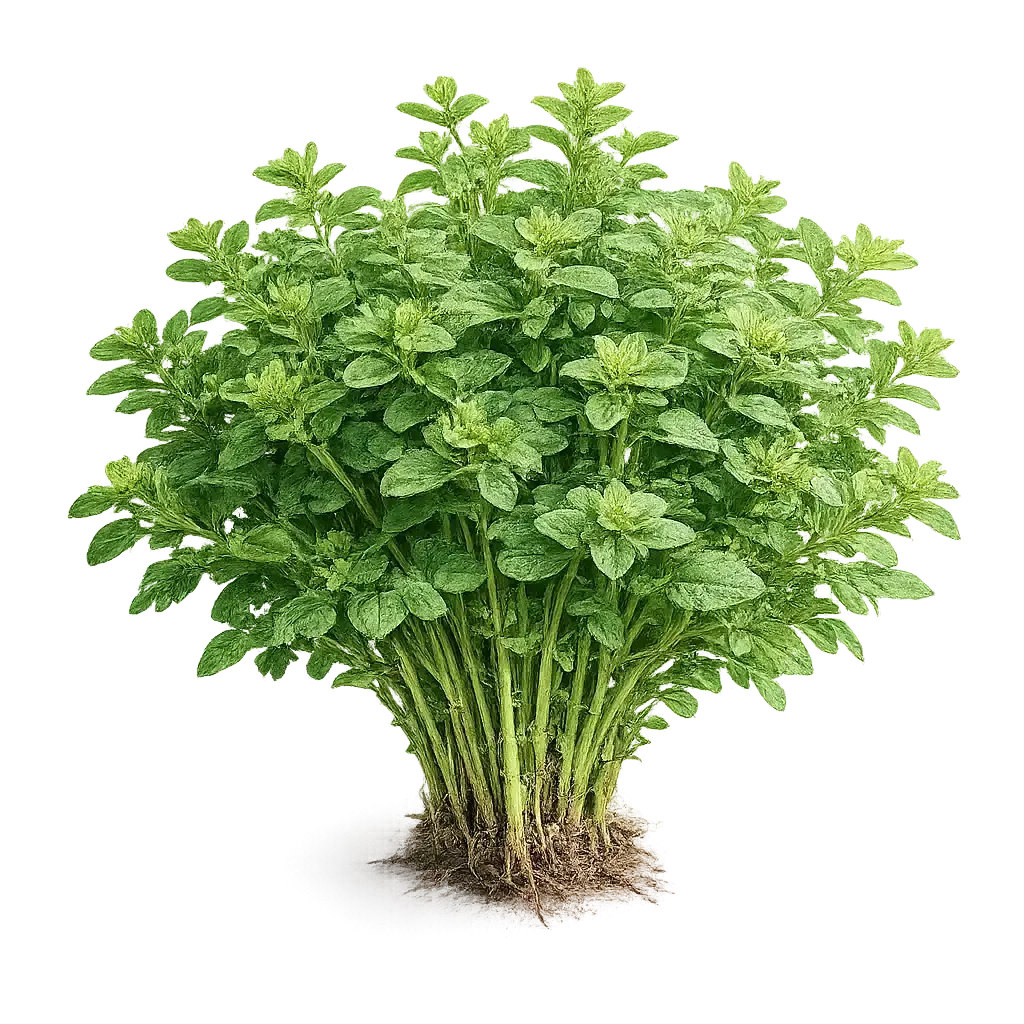
Written By Arthur Simitian
QUICK FACTS
Common Name
Oregano, Greek Oregano, Italian Oregano, Wild Marjoram
Scientific Name
Origanum vulgare; Greek oregano is Origanum vulgare subsp. hirtum
Plant Type
Hardy perennial subshrub
Hardiness Zones
4 to 10
Sun Requirements
Full sun
Soil Type
Well-drained, lean to moderately fertile; alkaline to neutral; pH 6.0 to 8.0
Plant Height
8 to 24 inches depending on variety
Spacing
12 to 18 inches
Uses
Culinary for pizza, tomato sauces, grilled meats, and Mediterranean cooking; medicinal antimicrobial, respiratory, and digestive herb; dried herb; essential oil
Oregano is the herb that taught an entire generation of North American cooks what Italian food was supposed to taste like, arrived on every jar of pizza sauce and shaker bottle at every red-checkered tablecloth restaurant, and was consequently so thoroughly associated with a single flavor register that its actual range and complexity were almost entirely obscured. Growing Greek oregano from seed or cuttings and using it fresh is a corrective experience. The flavor is nothing like the dusty dried oregano that most people have grown up with. It is hot, resinous, intensely aromatic, faintly bitter in the way that very good olive oil is faintly bitter, and it is as capable of defining a dish as any herb in the kitchen garden.
Introduction
Origanum vulgare is native to the Mediterranean basin and western Asia, growing on rocky hillsides, dry scrubland, and disturbed ground from sea level to considerable elevation across the region that produced much of the Western culinary herb tradition. The species name vulgare, meaning common, reflects how thoroughly the plant saturates its native landscape: oregano is the smell of the Mediterranean hillside in summer as much as any single botanical element, released by the sun warming the essential oil in the small grey-green leaves and carrying across the landscape with the certainty of something that has been growing there for a very long time.
The taxonomy of oregano is more complicated than most culinary herb genera, with significant variation in flavor intensity and active compound profile across the species and its subspecies. The Origanum vulgare sold as common oregano in most North American nurseries is often a mild, low-aroma strain with enough ornamental flower production and spreading habit to be attractive as a ground cover but insufficient essential oil content to be genuinely useful in the kitchen. Greek oregano, Origanum vulgare subsp. hirtum, is the pungent, strongly aromatic subspecies that represents the culinary standard of the Mediterranean, with essential oil content of carvacrol and thymol two to three times higher than common oregano strains and the hot, resinous flavor intensity that defines serious oregano cooking.
The distinction between Greek oregano and common ornamental oregano is the single most important piece of knowledge for anyone growing oregano for kitchen use. It cannot be determined reliably by looking at the plant; it requires either growing from known-true seed or divisions of labeled cultivars, or rubbing a leaf and confirming the intense, almost peppery aroma that characterizes genuinely potent oregano. If the rubbed leaf smells mild and generically herbal, the plant is likely a low-intensity ornamental strain and should be replaced with a sourced Greek oregano for culinary purposes.
How to Grow
Sun Requirements
Oregano requires full sun and is uncompromising about this requirement in a way that reflects its Mediterranean origin in high-intensity southern European sunlight. A minimum of six hours of direct daily sunlight is necessary for productive growth and adequate essential oil production, and the most pungent, most flavorful oregano comes from plants in the maximum available sun, particularly in lean, warm soil conditions that concentrate the essential oil rather than diluting it with excessive vegetative growth.
In partial shade, oregano becomes leggy, produces less compact and woody growth, and develops significantly lower essential oil content in the leaves, resulting in substantially reduced flavor intensity. For a culinary planting where the quality of the dried or fresh herb is the primary concern, full sun is not negotiable.
Soil Requirements
Oregano is a lean-soil Mediterranean herb that produces its most intensely flavored leaves in well-drained, relatively infertile, alkaline to neutral conditions that would be inadequate for most kitchen garden vegetables. This is the single most important growing condition to understand: in rich, heavily amended soil with consistent fertility and moisture, oregano produces vigorous, lush vegetative growth with diluted essential oil concentration and correspondingly mild flavor. In lean, rocky, well-drained soil with minimal fertility, it produces compact, woody, densely aromatic growth with the full essential oil content that represents the herb at its best.
Well-drained soil is not merely preferable but essential. Oregano is highly susceptible to root rot in waterlogged or consistently moist soil conditions, and a single prolonged wet period in poorly drained ground can kill an established plant that has been productive for years. Raised beds, sloped positions, and the incorporation of coarse grit or gravel into heavy clay soil all provide the drainage that oregano requires. In the garden, oregano planted alongside paving, at the edge of gravel paths, or on any naturally free-draining spot performs significantly better than oregano planted in the middle of a well-irrigated vegetable bed.
Water Needs
Oregano is one of the most drought-tolerant herbs in the kitchen garden, reflecting its native habitat in the dry, rocky hillsides of the Mediterranean where summer rainfall is minimal and the plant has evolved to thrive on what little moisture is available. Established plants require minimal supplemental irrigation in most temperate climates, accessing sufficient moisture from natural rainfall and drawing on deep reserves during dry periods.
Young plants in their first season benefit from moderate irrigation during establishment, but once the root system has developed, overwatering is a more significant risk than underwatering. The characteristic flavor intensity of well-grown oregano is partly a product of the mild water stress that concentrates essential oils in the leaves, and consistently irrigated plants are reliably blander than their dry-grown counterparts.
Planting
For Greek oregano specifically, starting from seed is possible but requires patience and attention to source: seed labeled as Greek oregano from reputable herb seed suppliers produces plants with the flavor intensity appropriate for culinary use, while generic oregano seed from garden centers often produces the mild ornamental strains described above. Sow seed on the surface of a fine, well-drained seed mix without covering, as the tiny seeds require light for germination. Germination occurs within one to two weeks at 65 to 70 degrees Fahrenheit.
Division of established plants or stem cuttings from a known-quality Greek oregano plant is the most reliable method of ensuring flavor intensity in new plants, bypassing the seed source uncertainty entirely. Take four-inch stem cuttings in late spring or early summer, strip the lower leaves, and root in a gritty, barely moist medium. Rooting occurs within three to four weeks, and the resulting plants are genetically identical to the parent in flavor profile.
Transplant to the final garden position after frost risk has passed in spring, or plant pot-grown nursery stock at any point during the growing season when temperatures are settled. Oregano establishes rapidly in appropriate dry, sunny conditions and begins producing harvestable growth within a few weeks of planting.
Plant Spacing
Space plants twelve to eighteen inches apart to accommodate the spreading, mounding habit that a well-established oregano develops over two to three seasons. The closer spacing of twelve inches is appropriate for young plants and for plantings where the bed space is limited; the wider eighteen-inch spacing is preferable for mature plants that will be harvested heavily and need adequate air circulation to maintain the woody, compact structure that produces the best culinary material.
Companion Planting
Oregano is a broadly beneficial companion plant whose aromatic volatile compounds provide documented pest-deterrent activity across a wide range of kitchen garden crops.
Tomatoes, alongside which oregano is one of the most consistently recommended aromatic companions, with the volatile thymol and carvacrol deterring aphids, spider mites, and the whitefly that are the primary foliar pests of greenhouse and outdoor tomato crops
Peppers and aubergines, which share oregano's preference for warm, dry conditions and benefit from the same pest-deterrent aromatic compounds that protect tomatoes
Brassicas, where oregano's aromatic volatiles deter cabbage white butterfly from laying eggs on the foliage of nearby plants, reducing caterpillar pressure on the crop
Cucumbers, where planting oregano at the bed edge reduces aphid and cucumber beetle pressure on the vines
Grapes, with which oregano has a traditional companion planting relationship in Mediterranean viticulture, planted at the base of vines to deter ground-level pests
Harvesting
Harvest Time
The optimal harvest window for oregano is just before flowering, when the essential oil content in the leaves reaches its annual peak. The developing flower buds signal the plant's shift from vegetative to reproductive growth, and in the days immediately before the flowers open, the leaves contain the highest concentration of carvacrol and thymol that they will reach in the growing season. This pre-flowering harvest timing applies whether the oregano is being used fresh, dried for winter storage, or prepared for any medicinal application.
A secondary harvest of the fresh spring growth in late spring, before the pre-flowering peak, provides fresh material of good quality for immediate culinary use when the early-season leaves are tender and bright. The main drying harvest is taken at the pre-flowering peak in midsummer.
Harvest Method
Cut stems back by one third to one half of their length, taking the leafy upper portions and leaving the lower woody stem intact. This approach encourages vigorous bushy regrowth from the cut points, maintains the compact mounding shape that keeps the plant productive, and prevents the legginess that develops when oregano is not regularly cut back. A sharp pair of herb scissors or a knife makes clean cuts that minimize tissue damage and reduce disease entry points at the cut stems.
For drying, tie harvested stems in loose bundles and hang in a warm, well-ventilated location away from direct light, or spread on mesh drying racks. Oregano dries within one to two weeks at room temperature and retains excellent flavor in the dried form, making it one of the few culinary herbs where the dried product approaches the quality of the fresh for cooked applications. Strip dried leaves from stems and store in airtight dark glass containers. Properly dried Greek oregano retains full flavor for two years.
In autumn, cut the entire plant back to a few inches above the ground, removing the spent flower stems and old growth to encourage a flush of fresh basal growth that hardens off before winter and provides the plant's overwintering structure. This autumn cutback is important for plant longevity and prevents the woody dieback and center-die that develops in plants left unpruned through successive winters.
On flavor intensity and terroir: Oregano grown in the garden of a temperate North American homestead does not taste identical to oregano grown on a Greek hillside at two thousand feet elevation in thin limestone soil. The plant's essential oil expression responds to soil chemistry, temperature, light intensity, and water stress in ways that produce the legendary flavor concentration of wild Mediterranean oregano partly through conditions that a managed garden bed does not replicate. Home-grown Greek oregano from a correctly sourced plant in full sun and lean, well-drained soil comes closer to that standard than any commercially dried product available in North America, and the difference between home-grown dried Greek oregano and the supermarket jar is substantial enough to constitute a different ingredient. But the oregano of the island hillside is its own thing, and understanding that the goal is approximation rather than replication makes the home grower's product easier to appreciate on its own terms.
How to Use
Culinary Uses
Oregano is more genuinely compatible with drying than almost any other culinary herb. The essential oil compounds carvacrol and thymol that give Greek oregano its characteristic flavor are thermally stable and persist well through the drying process, and in some preparations the concentrated dried herb carries the flavor more effectively than the fresh. This is the opposite of the situation with parsley, basil, or chervil, where fresh is always superior and dried is a significant compromise. With oregano, particularly in long-cooked applications like tomato sauces, braises, and slow-cooked meat dishes, the dried herb is appropriate and effective, while fresh oregano has its own distinct applications where its brighter, more volatile character is preferable.
In tomato sauce for pizza and pasta, dried Greek oregano added early in the cooking process provides the warm, resinous depth that defines the flavor profile of the sauce, with the heat of cooking extracting and intensifying the essential oil compounds in a way that produces a more integrated flavor than fresh oregano added at the end. The combination of tomato's acidity and oregano's carvacrol is a classical flavor pairing whose chemistry is well understood: the acidic environment enhances carvacrol's aromatic intensity, and the fat from olive oil acts as a carrier for the fat-soluble essential oil compounds, distributing them evenly through the sauce.
For grilled meats, particularly lamb, goat, and pork, fresh oregano used generously in marinades or as a finishing herb provides a bright, hot, resinous quality that the dried herb does not match. Greek lamb chops marinated with fresh oregano, olive oil, lemon, and garlic are one of the most direct demonstrations of what the herb does at its best: the volatile compounds in the fresh leaf penetrate the meat during marinating, the lemon's acidity further distributes the essential oil into the protein, and the grilling heat volatilizes the surface compounds into the characteristic aroma that is inseparable from the flavor memory of grilled Mediterranean meat.
Oregano is a component of several classical spice and herb blends, including za'atar, the Middle Eastern blend of oregano-family herbs with sesame seeds, sumac, and salt that is used as a dip for bread with olive oil and as a seasoning for flatbreads, roasted vegetables, and grilled chicken across the Levantine culinary tradition. The herbs used in za'atar vary by region and family tradition, but Origanum species are the consistent backbone of the blend in most formulations.
Herbes de Provence, the French Provencal blend of dried herbs used for grilled meats, roasted vegetables, and the seasoning of braised dishes, uses oregano alongside thyme, rosemary, savory, and marjoram in proportions that vary by producer and tradition but always include oregano as a significant component. Growing all the Herbes de Provence herbs on the homestead makes a home-dried blend possible that is superior to any commercial product.
Medicinal Uses
Oregano's medicinal reputation rests primarily on the antimicrobial activity of its essential oil, and specifically on carvacrol and thymol, which have been extensively studied in laboratory and clinical settings and shown to have broad-spectrum antimicrobial activity against bacterial, fungal, and viral pathogens.
Oil of oregano, a concentrated essential oil preparation standardized to carvacrol content, has become a popular supplement for immune support and the management of acute respiratory infections, with a growing evidence base from in vitro and limited clinical studies supporting its antimicrobial activity. The carvacrol in oregano essential oil disrupts bacterial cell membranes through a mechanism that is not subject to the antibiotic resistance development that limits conventional antibiotics, making it of interest in research into alternatives to conventional antimicrobial treatment.
For the homestead medicine cabinet, oregano-infused honey or a strong oregano tea provides a gentler, less concentrated form of the same antimicrobial activity that is appropriate for supporting recovery from minor upper respiratory infections and for general immune support during cold and flu season. A tea of fresh or dried Greek oregano, steeped covered for ten minutes and sweetened with raw honey, combines the antimicrobial activity of both ingredients in a preparation that is both genuinely medicinal and considerably more pleasant to take than commercial essential oil supplements.
As a digestive herb, oregano's bitter and aromatic compounds stimulate digestive secretions, improve bile flow, and provide mild antispasmodic activity in the digestive tract that is useful for the management of bloating, gas, and the sluggish digestion that follows heavy meals. The digestive application is secondary to the antimicrobial and respiratory uses in contemporary herbal practice but has a long traditional record in Mediterranean folk medicine where oregano has been used as a digestive bitter for centuries.
Livestock Uses
Oregano has documented antimicrobial activity in poultry, and oregano-supplemented feed and water has been studied as an antibiotic alternative in commercial and small-scale poultry production, with several trials showing reduced incidence of respiratory and intestinal infections in flocks supplemented with oregano oil or dried oregano. For the homestead poultry keeper, adding dried oregano to the flock's feed and growing oregano for the chickens to access in the pasture is a practical application of the same antimicrobial principles that make the herb medicinally valuable for people.
Storage
Dried oregano is one of the best-storing culinary herbs, retaining full flavor for up to two years in airtight dark glass containers at room temperature, significantly longer than most dried culinary herbs. The thermal stability of carvacrol and thymol that makes oregano amenable to drying also makes the dried product stable in storage, and a well-executed midsummer harvest of Greek oregano dried and stored correctly will still be a genuinely useful culinary herb eighteen months later.
Fresh oregano refrigerates well for one week wrapped in a damp paper towel or stood in a small amount of water. For longer fresh preservation, oregano can be frozen in sealed bags with reasonable but imperfect quality retention, though drying is so effective with this herb that freezing is rarely the preferred option.
Lifespan of the Plant
Oregano is a long-lived perennial subshrub that persists for five to ten years or more in appropriate growing conditions, gradually developing a woody base from which new annual growth emerges each spring. The plant's longevity is directly related to the quality of its growing conditions: in well-drained, sunny positions with lean soil, oregano persists for many years with only routine annual pruning required. In heavy, wet, or shaded conditions, the plant declines within two to three seasons from the root rot and legginess that inappropriate conditions produce.
Annual hard pruning in autumn, cutting the entire plant to a few inches above the ground, is the single most important management practice for maintaining long-term plant health and productivity. Plants that are regularly cut back develop dense, productive new growth each spring; plants left unpruned become increasingly woody and sparse, with the productive leaf-bearing stems concentrated on the outer edges of an increasingly hollow and unproductive center.
Every five to seven years, dividing an established clump by lifting and splitting the root mass in early spring, replanting the vigorous outer divisions and discarding the woody center, rejuvenates the planting and maintains the compact, productive form appropriate for kitchen use.
Pros and Cons
Advantages
Essential culinary herb for pizza, pasta sauces, grilled meats, za'atar, herbes de Provence, and the entire Mediterranean culinary tradition
Dries exceptionally well, retaining full flavor for up to two years and making it one of the most pantry-stable herbs available
Exceptional drought tolerance once established; minimal irrigation requirement in most temperate climates
Long-lived perennial persisting for a decade or more in appropriate conditions
Documented broad-spectrum antimicrobial activity with genuine medicinal relevance
Beneficial companion plant providing documented pest deterrence across a wide range of kitchen garden crops
Productive pollinator plant, with abundant small flowers providing important late-summer nectar for bees and beneficial insects
Thrives in the lean, dry conditions unsuitable for most kitchen garden plants, making it productive in marginal spots
Limitations
Flavor intensity varies enormously between varieties; sourcing true Greek oregano requires attention and often specific seed or plant sources
Highly susceptible to root rot in poorly drained or overwatered conditions; drainage management is non-negotiable
Requires full sun; partial shade significantly reduces essential oil content and culinary quality
Common ornamental varieties sold at general garden centers often lack the flavor intensity required for serious culinary use
Spreads modestly by rhizome and self-seeding; some containment management required in formal beds
Annual pruning is essential for long-term plant health and productivity; neglected plants become woody and sparse within a few seasons
Common Problems
Root rot caused by Phytophthora and Pythium species is the most common and most damaging problem affecting oregano in temperate gardens, caused entirely by inadequate drainage and overwatering. The symptoms are sudden yellowing and wilting of stems that does not respond to watering, followed by plant death. There is no treatment for established root rot; the only response is to improve drainage for future plantings and to source replacement plants. Preventing the problem through appropriate siting in well-drained positions is the only effective management.
Aphids colonize the soft new growth of oregano in spring, particularly on plants grown in enriched, fertile soil that produces the lush soft growth that aphids prefer. Natural predator populations typically manage spring aphid infestations adequately, and the problem is self-limiting as the season progresses and the growth hardens. A strong water spray dislodges aphid colonies from affected stems as an immediate intervention.
Leafhoppers cause stippled, pale-spotted foliage damage on oregano through their feeding on leaf cells, and while the damage is cosmetic rather than plant-threatening, it reduces the harvest quality of affected leaves. The natural predator populations attracted to the flowering oregano provide some biological control of leafhopper populations, and the problem is rarely severe enough to warrant intervention beyond harvesting the plant before the damage accumulates in midsummer.
Spider mites are an occasional problem in hot, dry conditions, producing fine webbing and a bleached, dusty appearance on affected foliage. Increasing humidity around affected plants and a forceful water spray to dislodge the mites from the undersides of leaves manages the problem in most cases.
Varieties
Greek oregano, Origanum vulgare subsp. hirtum, is the culinary standard described throughout this guide, with the highest carvacrol and thymol content of the common cultivated types and the hot, resinous flavor that defines serious oregano cooking. It is distinguished by hairy stems and leaves and strongly aromatic foliage. This is the type to source for any kitchen garden planting where flavor is the primary consideration.
Italian oregano, sometimes sold as Origanum x majoricum, is a hybrid between oregano and sweet marjoram with a somewhat milder, sweeter flavor profile that suits Italian-style cooking particularly well. It is less cold-hardy than Greek oregano, performing best in zones 6 and warmer, and is sometimes used as a bridge variety for cooks who find Greek oregano too intensely resinous for certain applications.
Turkish oregano, Origanum onites, is another species in the oregano family with high essential oil content and a flavor profile similar to Greek oregano, widely used in Turkish and Middle Eastern cooking and an appropriate culinary substitute for Greek oregano where it is more readily available.
Common ornamental oregano, the undifferentiated Origanum vulgare sold at most general garden centers, ranges widely in flavor intensity from plants with acceptable culinary quality to plants with almost no meaningful essential oil content at all. Without a specific variety name and a reputable source, the flavor intensity of common oregano is essentially unknown until the leaf is rubbed and tested.
Compact varieties including Nanum and Hot and Spicy are selections with good essential oil content in a lower-growing, more contained habit appropriate for container culture, raised beds, and small garden spaces where full-size oregano would overstep its bounds.
Final Thoughts
The decision to grow Greek oregano rather than purchasing the commodity dried herb is, for most homestead cooks, one of the more immediately rewarding variety-specific growing decisions in the kitchen garden. The plant is straightforward to grow in appropriate conditions, genuinely perennial and low-maintenance once established, and the quality difference between home-dried Greek oregano and the supermarket product is large enough to be obvious in any preparation where oregano plays a significant role.
Get the variety right. Give it full sun and lean, well-drained soil. Cut it back every autumn. Harvest just before flowering and dry it properly. The plant will persist for years and provide more dried herb than most households use in a season, from a single planting that requires less attention than almost any other perennial in the garden.
It is one of the easier arguments for growing your own.