
Red Raspberry Leaf
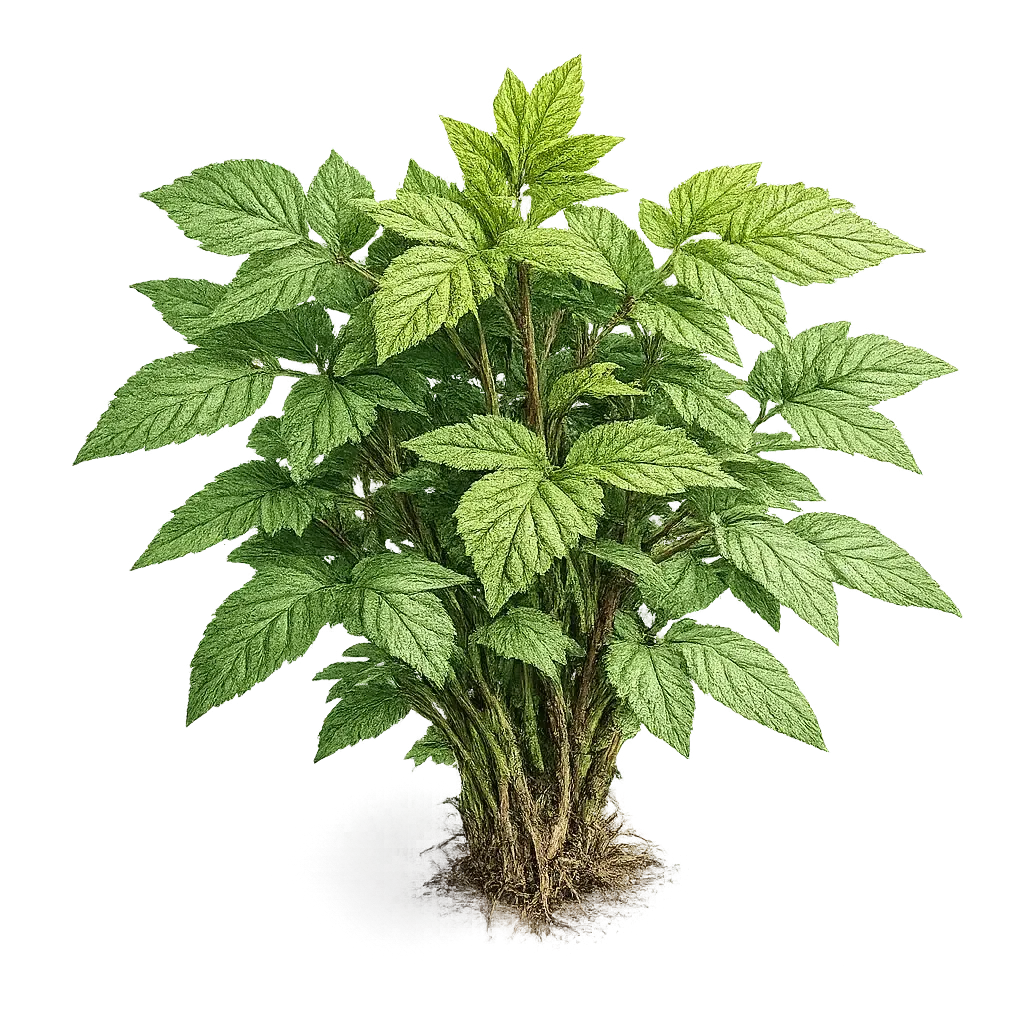
Written By Arthur Simitian
QUICK FACTS
Common Name
Red Raspberry Leaf, Raspberry Leaf
Scientific Name
Rubus idaeus
Plant Type
Hardy deciduous perennial shrub (biennial canes)
Hardiness Zones
3 to 9
Sun Requirements
Full sun to partial shade
Soil Type
Well-drained, fertile, slightly acidic loam; pH 5.5 to 6.5
Plant Height
3 to 6 feet
Spacing
18 to 24 inches within rows; rows 6 to 8 feet apart
Harvest Parts
Leaves (medicinal herb), fruit (culinary)
Uses
Medicinal uterine tonic and reproductive herb, pregnancy support tea, astringent digestive herb, nutritive tonic, culinary fruit production
Red raspberry leaf is one of those herbs that occupies two entirely separate spaces in the mind of the person who grows it. The first space is the familiar one: raspberries are a fruit crop, the canes go in the berry bed, and whatever harvest comes from them is jam and fresh eating and maybe a summer dessert or two. The second space is the medicinal one, where the leaf rather than the fruit is the primary harvest, where the plant has a two-thousand-year record as one of the most consistently used uterine tonic and reproductive support herbs in the Western herbal tradition, and where a growing body of clinical research is progressively confirming what traditional midwives and herbalists have understood for centuries. Most homestead gardeners are already growing this herb. The opportunity is to use the whole plant.
Introduction
Rubus idaeus, the common red raspberry, is native to Europe, northern Asia, and North America, where it grows naturally at woodland edges, in disturbed ground, along stream banks, and on cleared hillsides across a wide range of temperate climates. The plant produces biennial canes from a perennial crown: first-year canes, called primocanes, grow vegetatively without fruiting; second-year canes, floricanes, produce flowers and fruit before dying back at the end of the season. This biennial cane cycle means that a well-managed raspberry planting always has both primocanes and floricanes present simultaneously, providing a continuous, perennial planting from a root system that persists indefinitely.
The leaves, rather than the fruit, are the subject of this guide. Red raspberry leaf has been used medicinally since at least the sixteenth century in European herbalism and has an even longer record in North American Indigenous medicine, where it was used for a wide range of gynecological and reproductive applications alongside its use as a general astringent and nutritive tonic. It is the leaf that contains the active compounds of medicinal interest: the alkaloid fragarine, flavonoids including rutin and quercetin, significant quantities of tannins providing the astringent activity, and a mineral profile that includes iron, calcium, magnesium, and potassium in bioavailable forms.
The dual-purpose nature of raspberry plants on the homestead makes this herb unusually economical in its demands: the same planting that produces the berry harvest provides an abundant leaf harvest at no additional space cost. The leaf harvest is taken from primocanes and from the non-fruiting portions of floricanes throughout the growing season, with the timing and method adjusted to avoid disrupting the fruit-producing capacity of the second-year canes. Managing a raspberry planting for both leaf and fruit production simultaneously is entirely practical and requires no significant modification of standard raspberry cultivation.
How to Grow
Sun Requirements
Red raspberry grows in full sun to partial shade, adapting to a wider range of light conditions than most of the Mediterranean herbs in this series. Full sun, defined as six or more hours of direct daily sunlight, produces the most vigorous cane growth, the most abundant fruit set, and the highest leaf yield per plant. Partial shade of three to five hours of direct sun is tolerated and may be preferable in climates with very hot summers, where afternoon shade reduces heat stress on the canes and extends the productive leaf harvest period into the warmest months when full-sun plants show heat stress.
Below three hours of direct sunlight, fruit production declines significantly and cane growth becomes weak and disease-prone. For a planting managed primarily for leaf production rather than fruit, partial shade is a more viable concession than in a fruit-focused planting, but adequate light remains important for producing the dense, vigorous leaf growth that provides the most medicinal harvest.
Soil Requirements
Red raspberry prefers fertile, well-drained, slightly acidic soil with a pH of 5.5 to 6.5. It is one of the more fertility-demanding permanent perennial plants in the herb garden, reflecting its rapid cane growth and heavy fruit and leaf production, and it responds more positively to soil improvement and feeding than the lean-soil Mediterranean herbs that make up most of this series.
Incorporating generous quantities of compost at planting and continuing to topdress annually with compost and a balanced fertilizer in early spring maintains the soil fertility that supports productive cane growth. Soil drainage is important: waterlogged conditions cause the Phytophthora root rot that is the most damaging disease of raspberry in temperate gardens, and raised beds or well-drained slopes are preferable to low-lying garden positions where water collects after rain.
Slightly acidic soil is genuinely important for raspberry health. In alkaline soils above pH 7.0, iron and manganese become unavailable to the plant, producing the characteristic interveinal chlorosis where leaves yellow between the veins while the vein network remains green. Acidifying amendments including sulfur and acidic mulches such as pine bark or wood chip help maintain appropriate pH over time in alkaline garden soils.
Water Needs
Red raspberry requires consistent moisture throughout the growing season, particularly during cane establishment, flowering, and fruit development. The shallow root system that is characteristic of the Rubus genus does not access deep subsoil moisture effectively, making supplemental irrigation necessary during dry periods in most temperate climates. One inch of water per week, from rainfall or irrigation, is the standard management guideline during the active growing season.
Drip irrigation or soaker hose systems are preferable to overhead watering for raspberry, as keeping the foliage dry reduces the incidence of the fungal diseases including botrytis and cane spot that are more prevalent under consistently wet foliage conditions. Mulching the bed with a thick layer of wood chip or straw conserves soil moisture, moderates soil temperature, and reduces the irrigation frequency required in dry climates.
Planting
Red raspberry is established from bare-root canes planted in late winter or early spring before growth begins, or from potted nursery stock transplanted in spring or autumn. Bare-root planting in late winter is the most cost-effective approach for establishing a significant planting, and the canes establish rapidly in cool, moist spring soil before the demands of new growth increase water and nutrient requirements.
Plant canes with the crown at or just below the soil surface, cutting back the planted cane to six to twelve inches to reduce moisture stress during establishment. New primocanes emerge from the crown and from root suckers throughout the first growing season. A bed planted in late winter typically produces a modest leaf harvest in its first summer and a significant fruit and leaf harvest from its second year onward.
Supporting canes on a trellis or between parallel wires prevents lodging of the tall floricanes under the weight of the fruit and maintains the open structure that improves air circulation and reduces disease pressure. A simple two-wire system, with wires at approximately two and four feet, provides adequate support for most raspberry varieties.
Plant Spacing
Plant canes 18 to 24 inches apart within rows, with rows 6 to 8 feet apart to allow access for harvest and management from both sides. Over successive seasons, suckers fill the row to a continuous dense planting that must be managed by removing suckers that travel beyond the designated row width. A well-managed raspberry row three years after planting is a dense, productive stand of canes providing abundant leaf and fruit harvest from a compact, defined bed space.
Harvesting the Leaf
Harvest Time
Raspberry leaves are harvested from late spring through early autumn, with the essential window being the period before and during flowering when the leaf's active compound concentration is highest and before the heat and drought stress of midsummer reduces leaf quality. The most highly prized harvest is young, fully expanded leaves from primocanes in late spring and early summer, when the leaves are at peak freshness, before the foliage accumulates the fungal spore load that develops over a hot, humid summer.
A second harvest from fresh growth in early autumn, after the summer heat has passed and the primocanes are producing vigorous new growth before dormancy, provides material of similar quality to the spring harvest and extends the leaf season with genuinely fresh growth rather than aged summer foliage.
Harvest Method
Harvest individual leaves or short leafy stems from primocanes, taking no more than one third of the foliage from any individual cane to avoid stressing the plant's photosynthetic capacity. Primocanes, the first-year vegetative canes, are the primary harvest source as they are not yet producing fruit and can provide a generous leaf harvest without affecting the berry crop. Leaves from floricanes can also be harvested from the lower, non-fruiting sections of the cane, but the upper fruiting portion should be left undisturbed through the fruit production season.
Choose leaves that are fully expanded, uniformly green, and free from insect damage and the grey-brown fungal spotting that indicates disease. The characteristic silvery-white downy underside of the raspberry leaf is a quality indicator: fresh, clean leaves show bright white undersides, while aged or diseased leaves show browning or graying of the normally white surface.
For drying, spread harvested leaves in a single layer on drying racks or mesh screens in a warm, well-ventilated location away from direct light. Raspberry leaf dries readily within one to two weeks at room temperature. Strip the dried leaves from the stems and store in airtight dark glass containers. Properly dried raspberry leaf retains good medicinal quality for one to two years.
Raspberry leaf tea: Use one to two teaspoons of dried leaf per cup of just-boiled water. Steep covered for ten to fifteen minutes for a full-strength medicinal preparation. The resulting tea is pleasantly mild, slightly astringent, with a subtle fruit-adjacent flavor that bears no resemblance to the commercial raspberry-flavored teas that are made with fruit flavoring rather than the leaf itself. For regular tonic use, one to two cups daily is the standard recommendation in herbal medicine practice. For late-pregnancy preparation, use varies and should be discussed with a midwife or healthcare provider as individual circumstances vary.
How to Use
Medicinal Uses
Red raspberry leaf's primary medicinal reputation centers on its role as a uterine tonic and reproductive support herb, particularly its use during pregnancy as a preparation that is traditionally believed to tone the uterine muscle, ease labor, and support recovery in the postpartum period. This traditional application, which appears consistently across European herbalism and North American Indigenous medicine from at least the sixteenth century through the present day, has been the subject of increasing clinical and laboratory investigation with broadly supportive results, though the evidence base remains limited relative to pharmaceutical standards.
The alkaloid fragarine is considered the primary compound responsible for raspberry leaf's uterine effects. Laboratory studies have demonstrated that fragarine exerts a relaxing effect on uterine smooth muscle while also increasing the muscle's overall tone and contractile efficiency, a paradoxical combination that herbalists describe as toning rather than stimulating: the muscle becomes more capable of effective, well-coordinated contractions without being driven into premature or excessive activity. This mechanism aligns with the traditional understanding of the herb as a preparation that makes labor more efficient rather than one that induces or accelerates it.
Clinical studies examining the use of raspberry leaf in pregnancy, including a randomized controlled trial from Westmead Hospital in Australia, have found associations between raspberry leaf use in the third trimester and reduced rates of forceps delivery, reduced rates of pre- and post-term births, and no adverse effects in the women or infants studied. The trial was small and the evidence is not definitive, but it is consistent with the traditional clinical experience reported by generations of midwives and is sufficient to explain why raspberry leaf remains one of the most widely recommended herbal preparations in midwifery practice.
The standard guidance in contemporary herbal practice is to avoid raspberry leaf tea in the first trimester when the risk of miscarriage is highest and the uterine-toning effects are least appropriate, and to begin regular use from the second trimester onward, increasing to two to three cups daily in the third trimester as labor preparation. This guidance reflects traditional practice rather than definitive clinical evidence and should be discussed with a midwife or healthcare provider rather than adopted as a universal protocol.
Beyond its reproductive applications, raspberry leaf is a broad-spectrum astringent herb with documented tannin content that provides anti-inflammatory and antidiarrheal activity in the digestive tract, a useful property for the management of loose stools, gastroenteritis, and inflammatory bowel symptoms. The tannins bind to the irritated mucous membranes of the digestive tract and reduce the excessive secretion and cramping that characterize inflammatory digestive conditions.
As a nutritive tonic, raspberry leaf provides a genuinely meaningful contribution of bioavailable iron, calcium, magnesium, and potassium, making it a useful addition to the diet of anyone with increased mineral requirements including pregnant and nursing women, and those with diets limited in mineral-rich foods.
For menstrual support, raspberry leaf tea used regularly through the menstrual cycle is a traditional treatment for dysmenorrhea, heavy bleeding, and the cramping associated with uterine congestion, with the toning and antispasmodic effects of fragarine providing relief for the smooth muscle spasm that underlies much menstrual pain.
Topical Uses
A strong infusion of raspberry leaf cooled and used as a gargle provides astringent and anti-inflammatory relief for sore throat and mouth ulcers, with the tannin content providing the binding and soothing activity appropriate for irritated oral and pharyngeal mucous membranes. This is a simple and effective topical application available whenever dried raspberry leaf is in the pantry, requiring no preparation beyond steeping and cooling.
Raspberry leaf infusion used as a skin wash for mildly inflamed, irritated, or sunburned skin provides gentle astringent and anti-inflammatory relief through the same tannin activity that makes it useful as a digestive herb. It is one of the milder astringent skin preparations available from the herb garden, appropriate for sensitive skin that might not tolerate the stronger tannin content of oak bark or witch hazel preparations.
Culinary Uses
Beyond the medicinal tea, fresh young raspberry leaves can be used sparingly in herbal teas blended with other herbs, where their mild, slightly astringent, gently fruity flavor provides a pleasant background note. They are not a primary culinary herb in the sense of the flavoring herbs elsewhere in this series, but they are edible and pleasant in small quantities as a tea component.
The fruit, of course, is among the finest culinary harvests available to the homestead. Fresh eating, jam, jelly, vinegar, shrub, summer pudding, and fresh fruit desserts are all within the range of a productive raspberry planting, and managing the plant for both leaf and fruit harvests produces no meaningful reduction in fruit yield when the leaf harvest is correctly taken from primocanes and the lower foliage of floricanes rather than from the fruiting portions of second-year canes.
Storage
Dried raspberry leaf stores for one to two years in airtight dark glass containers kept cool and dry, with the tannin and flavonoid content remaining stable through this period. The alkaloid fragarine is somewhat more volatile than the tannins and degrades faster in poorly stored material; airtight dark storage is more important for raspberry leaf than for the purely tannin-active astringent herbs.
Fresh raspberry leaves can be refrigerated for up to one week in a sealed bag, though drying is strongly preferable for any leaves intended for medicinal use. Fresh leaves used immediately in tea or as a topical wash are appropriate for culinary and simple topical applications; the dried leaf is the appropriate form for the medicinal applications described above.
Lifespan of the Plant
Red raspberry is a long-lived perennial with an indefinite productive lifespan when managed correctly. The crown and root system persist and expand through vegetative suckering for decades, and a well-maintained raspberry planting that receives appropriate fertility, annual cane management, and occasional renovation continues to produce generously for twenty years or more without replanting.
Annual cane management is the defining maintenance practice for raspberry productivity and plant health. After the floricanes have fruited and died at the end of the season, they are cut to the ground and removed from the bed. The primocanes that grew alongside them through the summer are now the new floricanes for the following year. Thinning the remaining canes to the six to eight strongest per linear foot of row, removing the weakest and most crowded, maintains the open structure that reduces disease pressure and ensures that the retained canes receive adequate light and air circulation.
Every five to seven years, a renovation of the bed by removing all canes in a section and allowing new suckers to regenerate from the expanded root system rejuvenates the planting and eliminates the accumulated disease inoculum in old cane bases. This renovation is not necessary for plant survival but significantly improves the vigor and health of older plantings.
Pregnancy use note: The guidance to avoid raspberry leaf in the first trimester and introduce gradually from the second trimester reflects the traditional and contemporary midwifery understanding of the herb as a uterine tonic. This is not a theoretical precaution; the uterine-toning activity that makes the herb valuable in late pregnancy is the same activity that makes excessive use in early pregnancy potentially inappropriate. Consult with a qualified midwife or healthcare provider before beginning regular use during pregnancy rather than self-prescribing based on general herbalism recommendations.
Pros and Cons
Advantages
Dual-purpose plant providing both a significant medicinal leaf harvest and the fruit crop from the same planting with no additional space requirement
Two-thousand-year consistent record as a uterine tonic and reproductive support herb, increasingly supported by laboratory and clinical investigation
Genuine nutritive value providing bioavailable iron, calcium, magnesium, and potassium
Effective astringent digestive herb for diarrhea, gastroenteritis, and inflammatory bowel symptoms
Hardy to zone 3, suitable for virtually all temperate homestead gardens
Long-lived perennial with an indefinite productive lifespan under appropriate management
Mild, pleasant tea flavor accessible to people who find stronger medicinal herbs difficult to drink regularly
Abundant leaf harvest available from an established planting; one row of raspberries provides more leaf than most households can use
Limitations
Requires consistent moisture, fertility management, and annual cane pruning; more management-intensive than the drought-tolerant Mediterranean herbs
First-trimester avoidance guidance requires awareness and compliance for pregnant users
Spreads aggressively by root suckers; bed containment or regular sucker management is necessary
Susceptible to several fungal diseases and Phytophthora root rot in poorly drained or crowded conditions
The medicinal leaf harvest is easily overlooked by growers who think of raspberries purely as a fruit crop
Dried leaf quality degrades faster than some more stable dried herbs; annual restocking from fresh harvest is preferable to multi-year stockpiling
Common Problems
Raspberry cane diseases are the most consistent management challenge for this plant, with several fungal pathogens causing cane blight, spur blight, and botrytis that reduce the productive life of floricanes and the quality of the leaf harvest from affected canes. The management approach for all cane diseases is the same: maintain open cane spacing and good air circulation, remove and destroy affected canes rather than composting them, avoid overhead watering, and keep the bed free of the debris that harbors fungal inoculum between seasons.
Phytophthora root rot causes sudden wilting and death of entire canes, typically beginning with the yellowing and collapse of floricanes in early summer before the fruit is ripe. The disease is entirely driven by soil drainage conditions; it is essentially absent in well-drained soils and essentially inevitable in persistently waterlogged ones. Correct siting and drainage management before planting prevents the problem; there is no reliable treatment for established root rot beyond improving drainage and replanting into better conditions.
Japanese beetle adults cause significant defoliation of raspberry canes in regions where the pest is established, feeding preferentially on the foliage and leaving skeletonized leaves behind. Hand-picking into soapy water in the morning when the beetles are least active is the most effective management in the kitchen garden where systemic pesticides are inappropriate on food-producing plants.
Aphid colonies on raspberry growing tips and flower clusters are common in early summer, typically managed effectively by natural predator populations once they build up in response to the prey availability. A strong water spray dislodges aphids from affected tips as an immediate intervention while predator populations increase.
Varieties
For leaf harvest, the variety of red raspberry grown is less critical than it is for fruit production focused plantings. Any red raspberry variety, Rubus idaeus, produces leaves with equivalent medicinal value, and the standard commercial varieties grown for fruit production provide excellent leaf harvests as a secondary crop.
Heritage is one of the most widely planted and most reliable summer-bearing varieties in North America, producing vigorous canes with abundant, large, flavorful berries and providing an equally abundant leaf harvest. It is a practical default choice for the homestead planting managed for both purposes.
Autumn Bliss and Polka are primocane-fruiting varieties, sometimes called fall-bearing or everbearing, that produce fruit on first-year canes in late summer and autumn. The management of primocane-fruiting varieties differs from summer-bearing ones, and the leaf harvest management must be adjusted accordingly: since the primocanes are fruiting in their first year, the leaf harvest from them must be more carefully timed to avoid reducing fruit production, and is best taken in the spring and early summer before the fruiting growth develops.
Final Thoughts
Most people who grow raspberries are already growing one of the oldest and most consistently used medicinal herbs in the Western tradition without knowing it. The fruit gets the attention, the preserves get the credit, and the leaves go unnoticed through the summer and into the compost at the season's end.
The shift required is simply one of attention: to see the raspberry planting as a dual-purpose resource, to take the spring leaf harvest before the flush of summer growth, to dry it properly and store it in the pantry alongside the jam. The plant is already there. The additional harvest requires nothing more than a change in perspective and half an hour with a basket in the berry bed before the season gets going.
For any homestead with space for raspberries, and most have that space, the leaf harvest is among the highest-value, lowest-effort additions available to the home medicine cabinet. The fact that the fruit comes with it is simply a considerable bonus.