
Rosemary
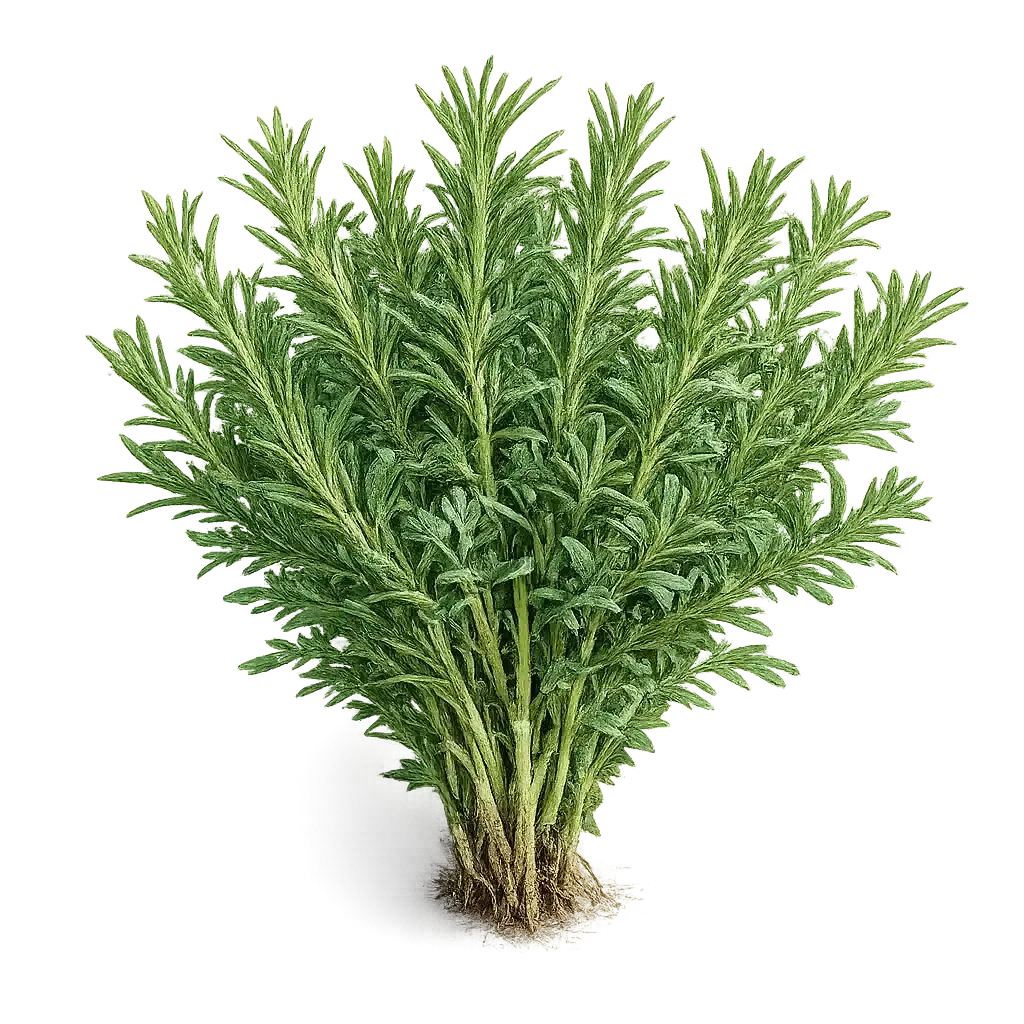
Rosemary is also covered in the Shrubs and Bushes section of this site, where its structural role as a large evergreen garden shrub is explored in depth. This herb series post focuses on its kitchen and medicinal applications. View the shrub guide here.
QUICK FACTS
Common Name
Rosemary, Rosmarinus
Scientific Name
Salvia rosmarinus (formerly Rosmarinus officinalis)
Plant Type
Evergreen perennial shrub
Hardiness Zones
7 to 11 in ground; zones 6 and below with winter protection or container culture
Sun Requirements
Full sun
Soil Type
Well-drained, lean to average; dislikes heavy, wet soils
Plant Height
2 to 6 feet depending on variety and climate
Spacing
2 to 4 feet
Uses
Culinary, medicinal antimicrobial and cognitive, roasting and grilling, infused oils and vinegars, companion planting, pollinator support, ornamental evergreen
Rosemary is the herb of remembrance, and it has been called that since at least ancient Greece, where mourners carried it at funerals and students wore it in their hair during examinations. The connection between rosemary and memory is not merely poetic: the rosmarinic acid and 1,8-cineole in the plant's volatile oils have documented effects on cognitive performance in clinical trials, and the aroma of rosemary alone, diffused in a room where people are performing memory tasks, has been shown to improve recall scores. The tradition was observing something real. That is frequently the case with rosemary, a plant whose reputation across two thousand years of culinary and medicinal use turns out, on examination, to have been consistently and accurately describing what the plant actually does.
Introduction
Salvia rosmarinus, reclassified from Rosmarinus officinalis in 2017 based on molecular evidence placing it firmly within the Salvia genus, is native to the dry, rocky coastal hillsides of the Mediterranean basin, particularly the limestone cliffs and scrubland of the western Mediterranean from Spain through southern France and Italy to the Dalmatian coast. The species name rosmarinus, meaning dew of the sea, reflects the plant's natural association with coastal habitats where the morning sea mist provides moisture to plants growing on the thin, rocky soils where rain drains away almost immediately.
The plant grows as a densely branched evergreen shrub reaching two to six feet in height depending on variety and climate, with upright or arching woody stems clothed in narrow, needle-like, dark green leaves that are intensely aromatic when touched, releasing the characteristic camphor-resinous-citrus fragrance that is one of the most immediately recognizable of any culinary herb. The small pale blue to violet flowers that appear along the stems from late winter through spring, and often again in autumn, provide one of the earliest and most reliable pollinator resources in the herb garden.
On the homestead, rosemary occupies an unusual position: it is simultaneously one of the most important culinary herbs for meat cookery, one of the most medicinally interesting plants in the garden from a contemporary research perspective, one of the finest ornamental evergreens available for the Mediterranean-style herb border, and one of the most effective companion plants for deterring a range of pest insects. Its classification as a shrub in botanical and landscape terms does not diminish its herb garden credentials; it is as much a kitchen herb as thyme and sage, with which it shares the Mediterranean herb trio that anchors the serious culinary herb garden.
How to Grow
Sun Requirements
Rosemary is an unconditional full-sun plant. Its Mediterranean coastal origin on exposed limestone cliffs with intense light and maximum sun hours has shaped a plant that requires eight or more hours of direct daily sunlight for the compact, highly aromatic growth that makes it most useful. In partial shade rosemary grows open, tall, and weakly flavored, with reduced essential oil concentration and increased susceptibility to the powdery mildew and root problems that affect plants in insufficient light. The brightest, most exposed position in the herb garden is always the right position for rosemary.
Soil Requirements
The single most important requirement for rosemary survival, particularly in climates with wet winters, is excellent drainage. The plant's native limestone coastal habitat is defined by soils that drain so rapidly that water stress rather than excess moisture is the norm, and rosemary brought into a temperate garden with moderate to high winter rainfall must be given drainage conditions that approximate this native experience or it will decline and die from root rot, often suddenly and after appearing to be established and healthy.
Lean to average soil without heavy clay content, raised beds or mounded planting positions in problem soils, and the addition of coarse grit to improve drainage in heavier garden soils are all measures that meaningfully extend rosemary's survival and productive lifespan in marginal conditions. The essential oil concentration that defines the culinary and medicinal value of the plant is highest on lean, well-drained soil where the plant experiences the mild water and nutrient stress of its native conditions. Rich, heavily amended soil encourages lush vegetative growth at the direct expense of aromatic intensity.
Soil pH from 6.0 to 8.0 is tolerated, with the plant's native limestone habitat suggesting excellent tolerance of alkaline conditions. No regular fertilizing is needed or beneficial for established plants.
Water Needs
Established rosemary is among the most drought-tolerant herbs available for the temperate garden, capable of surviving extended summer drought on the stored moisture in its deep, wide-spreading root system. In climates with a genuine summer dry season, established rosemary requires no supplemental irrigation once past the establishment year and is one of the most reliably self-sufficient permanent herbs available.
In climates with cool, wet winters, the management emphasis shifts entirely: the risk is overwatering and waterlogging during the dormant or slow-growth winter period, not drought. Rosemary that survives the summer without difficulty and then dies in February or March has almost certainly been killed by root rot from winter moisture rather than cold damage, and improving winter drainage is the appropriate response rather than providing cold protection.
Planting
Rosemary is most reliably established from nursery transplants or from stem cuttings, as seed is viable but grows slowly and the resulting seedlings take considerably longer to reach harvestable size than transplants from cuttings. Semi-hardwood cuttings taken from the current season's growth in late summer root readily in well-drained gritty medium and produce plants identical to the parent, which is important for named varieties with specific growth habits or cold hardiness characteristics.
Spring planting after the last frost date is the standard approach in zones 6 and colder, giving the plant a full growing season to establish its root system before the first winter. In zones 7 and warmer, autumn planting works well and allows establishment through the mild winter months before the heat and drought stress of summer arrives.
In zones 6 and colder where rosemary is not reliably hardy in the ground, container culture in a well-drained terracotta or clay pot provides the mobility to move plants under cover before hard frost. A container-grown rosemary overwintered in a cool, bright, frost-free location such as an unheated greenhouse, garage with a window, or cool sunroom produces a productive culinary herb in climates considerably colder than the in-ground growing range.
Companion Planting
Rosemary is one of the most valued companion plants in the traditional kitchen garden, with a well-established reputation for deterring insect pests through its intensely aromatic volatile oils.
Brassicas, where rosemary is traditionally interplanted to deter cabbage white butterfly and cabbage moth, with the strongly aromatic volatile oils disrupting the olfactory cues that guide egg-laying females to brassica crops
Carrots, where rosemary planted at the bed perimeter is a traditional deterrent for carrot root fly, with the aromatic masking of carrot foliage volatiles reducing fly infestation
Beans, where rosemary is traditionally associated with reduced bean beetle pressure
Sage, thyme, and lavender, with which rosemary shares identical growing requirements and can be grouped in a single unified Mediterranean herb planting managed as a coherent garden feature
Rosemary is not a good neighbor for cucumbers or pumpkins, with traditional reports of growth inhibition when these plants are grown in close proximity.
Harvesting
Harvest Time
Rosemary is harvested year-round in zones 7 and warmer, where the evergreen foliage maintains its quality and aromatic intensity through every month. This year-round fresh herb availability is one of rosemary's most practically significant advantages over annual culinary herbs, and a well-established rosemary plant in a zone 8 garden provides fresh herb for the kitchen every day of the year without planning or management.
In zones 6 and colder, the harvest season runs from late spring through late autumn for in-ground plants, with the peak harvest period during and just before the main flowering in spring when essential oil concentration is highest. Container plants overwintered under cover provide a reduced but usable harvest through winter as well.
Harvest Method
Cut stem tips four to six inches long from the outer and upper growth of the plant, using sharp scissors or secateurs. Taking no more than one third of the current season's growth at any one time maintains plant vigor and form. The softer new growth tips produce the most tender, most finely flavored material for fresh kitchen use; the older, more mature stems with fully developed leaves provide the most concentrated flavor for drying and infusing.
An annual pruning after the main spring flowering, cutting back the flowered stems by about one third, maintains the plant's compact form and prevents the legginess and bare lower stem that develops in unpruned older rosemary. This pruning is the single most important ongoing management practice for rosemary longevity and productive habit. Avoid cutting into the oldest, thickest woody stems from which rosemary does not reliably regenerate; pruning should always be into growth from the last one or two seasons.
For drying, bundle cut stems and hang in a warm, well-ventilated location away from direct light. Rosemary dries within one to two weeks and retains excellent flavor for two years in airtight dark glass storage, one of the longest-keeping culinary herbs available from the kitchen garden.
Rosemary skewers: Thick, woody rosemary stems with the leaves stripped from the lower two thirds make exceptional skewers for grilling lamb, chicken, shrimp, and firm vegetables. The remaining leaves at the tip of the skewer provide visual drama, and the resinous oils in the stripped stem slowly release into the food as it cooks over direct heat, providing a layer of rosemary flavor from within the ingredient rather than only from a surface rub. This is one of the more memorable applications of fresh rosemary from the garden and one that makes the most of the structural character of a mature, well-branched plant.
How to Use
Culinary Uses
Rosemary's culinary identity is defined by its affinity for fat and heat. The camphoraceous, resinous volatile oils that give it its characteristic aroma respond to high-heat cooking by mellowing and integrating into the fat of the ingredient in a way that transforms the dish without the herb's sharp raw edge dominating. Roasted lamb with rosemary and garlic, pork belly slow-roasted over a bed of rosemary branches, focaccia dimpled with rosemary-infused olive oil and flaky salt, roasted potatoes tossed with rosemary and duck fat: these are the preparations where rosemary shows its full character and why it has been the primary herb for Mediterranean meat cookery for the entirety of recorded culinary history.
Rosemary-infused olive oil is one of the most practically useful preparations from a garden rosemary plant, produced by gently warming good olive oil with several fresh rosemary sprigs until the oil just begins to bubble around the stems, then cooling, straining, and storing in dark glass. Used for roasting vegetables, finishing soups and stews, dressing bread, and as a base for marinades, it extends the herb's kitchen usefulness through the seasons when fresh harvest is limited and provides a more subtle, better-integrated rosemary flavor than fresh sprigs added directly to a dish.
Rosemary in baked goods is less universal than its savory applications but produces some of the most interesting results available from culinary herb experimentation. Rosemary-lemon shortbread, rosemary focaccia, rosemary and sea salt crackers, and rosemary honey cake all represent the herb's capacity for sweet applications where the resinous, slightly floral character of the volatile oils functions as a counterpoint to sweetness in the same way that floral bitters function in cocktail making.
Rosemary simple syrup, made by dissolving sugar in hot water with several rosemary sprigs and cooling before straining, provides a versatile ingredient for cocktails, lemonade, fruit salad dressings, and baked good glazes that carries the herb's aromatic character into applications where the leaf itself would be intrusive.
Medicinal Uses
Rosemary has one of the more thoroughly investigated contemporary medicinal profiles of any culinary herb, with research spanning antimicrobial activity, cognitive function, circulation, and antioxidant capacity that progressively confirms the traditional reputation.
For cognitive function and memory, the evidence is among the strongest available for any culinary herb. The compound 1,8-cineole, present in significant quantities in rosemary's volatile oil, inhibits acetylcholinesterase and crosses the blood-brain barrier, producing the same general mechanism as pharmaceutical cholinesterase inhibitors used for Alzheimer's disease. Clinical trials and controlled studies have found that both oral rosemary consumption and simple aromatherapy exposure to rosemary essential oil improve performance on memory and cognitive speed tests in healthy adults and in older adults with mild cognitive decline. The ancient association between rosemary and remembrance, observed empirically across millennia, has found a mechanistic explanation in contemporary neurochemistry.
As a circulatory stimulant, rosemary has documented activity in improving peripheral circulation and is traditionally used as a topical treatment for poor circulation, cold extremities, and as a scalp treatment for hair loss associated with poor blood flow to the follicles. A clinical trial comparing rosemary oil to minoxidil for androgenic alopecia found equivalent outcomes at six months, representing one of the more striking positive results in recent herbal medicine research and one that has driven significant popular interest in rosemary for hair care applications.
The rosmarinic acid and carnosic acid in rosemary provide potent antioxidant activity that is among the highest of any culinary herb, with applications in preserving fatty foods from oxidation that led to rosemary extract becoming one of the most widely used natural food preservatives in the commercial food industry.
As an antimicrobial, the cineole, camphor, and borneol in rosemary's volatile oil provide activity against a wide range of bacterial and fungal pathogens, supporting the traditional use of rosemary in wound treatments, inhalations for respiratory infections, and the historical practice of burning rosemary branches in sickrooms to purify the air, which represents a genuine antimicrobial function through aerosolized volatile compounds rather than merely a superstitious practice.
Tea Uses
Rosemary tea prepared from fresh or dried leaves is a pleasant, stimulating preparation appropriate as a morning cognitive tonic, as a circulatory warming drink in cold weather, and as a digestive bitter after rich meals. One teaspoon of dried rosemary or a fresh four-inch sprig per cup of just-boiled water, steeped covered for five to eight minutes, produces a clean, aromatic tea with a pleasantly resinous warmth. Combining rosemary with lemon and honey produces a more palatable drink that retains the cognitive and circulatory benefits of the plain herb preparation.
Topical Uses
Rosemary-infused hair rinse, prepared by steeping a generous handful of fresh rosemary in boiling water for twenty minutes, cooling, and straining, is a traditional and increasingly research-supported treatment for stimulating scalp circulation and reducing hair loss. Used as a final rinse after washing, or massaged into the scalp as a leave-in treatment, it provides the circulatory stimulation and antimicrobial activity that together support a healthy scalp environment.
Storage
Fresh rosemary stems store for two to three weeks refrigerated, stood upright in a small amount of water and loosely covered, significantly longer than most fresh herbs due to the woody stem structure and high volatile oil content. This extended refrigerator life makes it practical to harvest in generous quantities less frequently rather than requiring daily or weekly harvesting.
Dried rosemary stores for two years in airtight dark glass containers with excellent quality retention, the longer end of the storage range for dried culinary herbs. The high starting concentration of the volatile oils ensures that even at the two-year mark, properly stored dried rosemary retains significant aromatic potency.
Rosemary-infused olive oil stores for one month at room temperature and three months refrigerated in sealed dark glass. Rosemary simple syrup stores for one month refrigerated. Rosemary tincture in 60 percent alcohol stores for three to five years with good medicinal potency retention.
Lifespan of the Plant
Rosemary is a long-lived evergreen shrub that persists for fifteen to twenty years or more on appropriate well-drained sites in its hardy zones, developing an increasingly impressive woody structure with age that becomes a permanent architectural feature of the garden. The oldest, most established rosemary plants are among the most drought-tolerant and self-sufficient plants in the temperate herb garden, requiring minimal management once the root system has fully developed.
Annual post-flowering pruning maintains productive, non-woody growth within reach of the harvest and prevents the gradual elevation of the productive growth zone as the plant ages. Without this pruning, the productive leafy growth gradually retreats to the outer tips of increasingly long, bare woody stems, reducing accessibility and visual compactness while the overall plant continues to thrive.
In zones 6 and colder where container culture is necessary, the plant's lifespan depends on the quality of winter protection and the size of the container allowing adequate root development. Well-managed container rosemary in appropriate conditions can live for ten years or more and produce a substantial, productive shrub within the constraints of container culture.
Pros and Cons
Advantages
Year-round fresh herb availability in zones 7 and warmer; evergreen through mild winters
Irreplaceable culinary herb for roasted and grilled meats, focaccia, and Mediterranean cooking broadly
Documented cognitive and memory-supporting activity from 1,8-cineole; the herb of remembrance had it right
Clinical evidence for circulatory stimulation and hair loss reduction comparable to pharmaceutical alternatives
Potent antioxidant capacity among the highest of any culinary herb
Spectacularly ornamental evergreen shrub providing year-round garden structure
Excellent pollinator plant, one of the earliest spring nectar sources available to bees
Dried herb stores for two years with excellent quality retention
Long-lived perennial shrub requiring minimal management once established
Limitations
Not reliably hardy below zone 7 in ground; requires container culture or winter protection in colder climates
Demands excellent drainage; root rot in waterlogged soils is the primary cause of plant loss
Strong, dominant flavor limits versatility; not a background herb for delicate preparations
Requires annual pruning to prevent the bare, leggy habit of unpruned older plants
Cannot be cut back hard into old woody growth from which it does not reliably regenerate
Large mature plants require significant garden space; not suited to very small beds
Common Problems
Rosemary on appropriate lean, well-drained soil in full sun is highly resilient and largely problem-free. The most consistent problems are siting and drainage failures rather than pest or disease issues.
Root rot from waterlogged soil is the primary killer of rosemary, as addressed throughout this guide. The plant that collapses suddenly after appearing healthy, particularly following a wet autumn or winter period, has almost certainly experienced root rot. Prevention through correct siting is absolute; there is no reliable remedy for root rot once it has progressed to the point of wilting and collapse.
Powdery mildew on the foliage occurs in humid conditions, in overcrowded plantings, and in positions with insufficient air movement. It is rarely fatal but reduces the plant's visual quality and, in severe cases, its productive leaf area. Correct spacing, full sun positioning, and the pruning that opens the plant's structure are the effective management responses. Mildew-tolerant varieties are available and worth selecting in humid climates where the problem is persistent.
Spittlebugs appear on rosemary stems in late spring, producing the foam-covered nymphs that are visually alarming but rarely cause significant plant damage. Removal by hand or with a strong water spray is entirely adequate management without chemical intervention.
Rosemary beetle, a small, iridescent purple and green beetle that feeds on rosemary, lavender, sage, and thyme, can cause significant defoliation in infested gardens, particularly in the UK and parts of Europe where it has become established. Picking adults and larvae by hand from the plant and dropping into soapy water is the most appropriate control measure in the kitchen garden where systemic pesticides are not appropriate on food-producing plants.
Varieties
Salvia rosmarinus in the standard upright species form, producing a vigorous shrub of three to five feet with the classic needle foliage and pale blue flowers, is the most widely available and most appropriate general choice for culinary and medicinal use. It is among the more cold-hardy forms, reliable to zone 7 with good drainage.
Tuscan Blue is one of the most popular culinary varieties, producing strongly upright growth to five feet with broad, dark green leaves of particularly intense flavor and large, bright blue flowers. It is considered one of the finest varieties for kitchen use and is widely recommended by culinary herb growers.
Arp is the cold-hardiest named variety reliably documented in North American gardens, surviving zone 6 winters in well-drained soil with some protection, and occasionally surviving zone 5 in unusually mild winters. It has slightly more open growth and somewhat lighter fragrance than Tuscan Blue but its cold hardiness makes it the appropriate choice for zone 6 growers who want to attempt in-ground cultivation.
Prostratus, creeping rosemary, produces trailing stems that cascade over walls and raised bed edges rather than forming an upright shrub. It is primarily an ornamental variety for specific landscape applications, with equivalent flavor to upright forms but a different structural habit suited to different garden positions.
Miss Jessopp's Upright is a strongly vertical selection with very dense, narrow columnar growth useful as a formal accent or hedge element in the Mediterranean herb garden, producing the characteristic pale blue flowers in generous quantity on the densely packed stems.
Final Thoughts
Rosemary is the herb that earns its permanent place in the garden on every criterion simultaneously: the culinary case for it is unambiguous, the medicinal evidence is among the strongest available for any kitchen herb, the ornamental contribution is exceptional, and the long-lived evergreen habit means that a well-placed rosemary plant repays the initial planting decision for fifteen to twenty years without requiring replacement.
The requirement for excellent drainage is the one non-negotiable condition, and it is worth taking seriously before planting rather than discovering through the loss of an established plant. On appropriate soil in a sunny position, rosemary is as close to a no-maintenance permanent kitchen garden feature as any plant in this series.
Plant it in full sun on well-drained ground. Prune it after it flowers. Use it generously on the lamb. And remember that when you do, you are participating in a culinary tradition that is at least as old as the Roman Empire and shows no signs of ending.