
Sorrel
Written By Arthur Simitian
QUICK FACTS
Common Name
Sorrel, French Sorrel, Garden Sorrel, Broadleaf Sorrel, Common Sorrel
Scientific Name
Rumex scutatus (French sorrel); Rumex acetosa (garden sorrel)
Plant Type
Hardy perennial
Hardiness Zones
3 to 9
Sun Requirements
Full sun to partial shade
Soil Type
Well-drained, moderately fertile; tolerates a range of soils
Plant Height
12 to 24 inches (leaf rosette); 3 to 4 feet in flower
Spacing
12 to 18 inches
Uses
Culinary, soups and sauces, salads, medicinal digestive, spring tonic, livestock fodder, poultry supplement
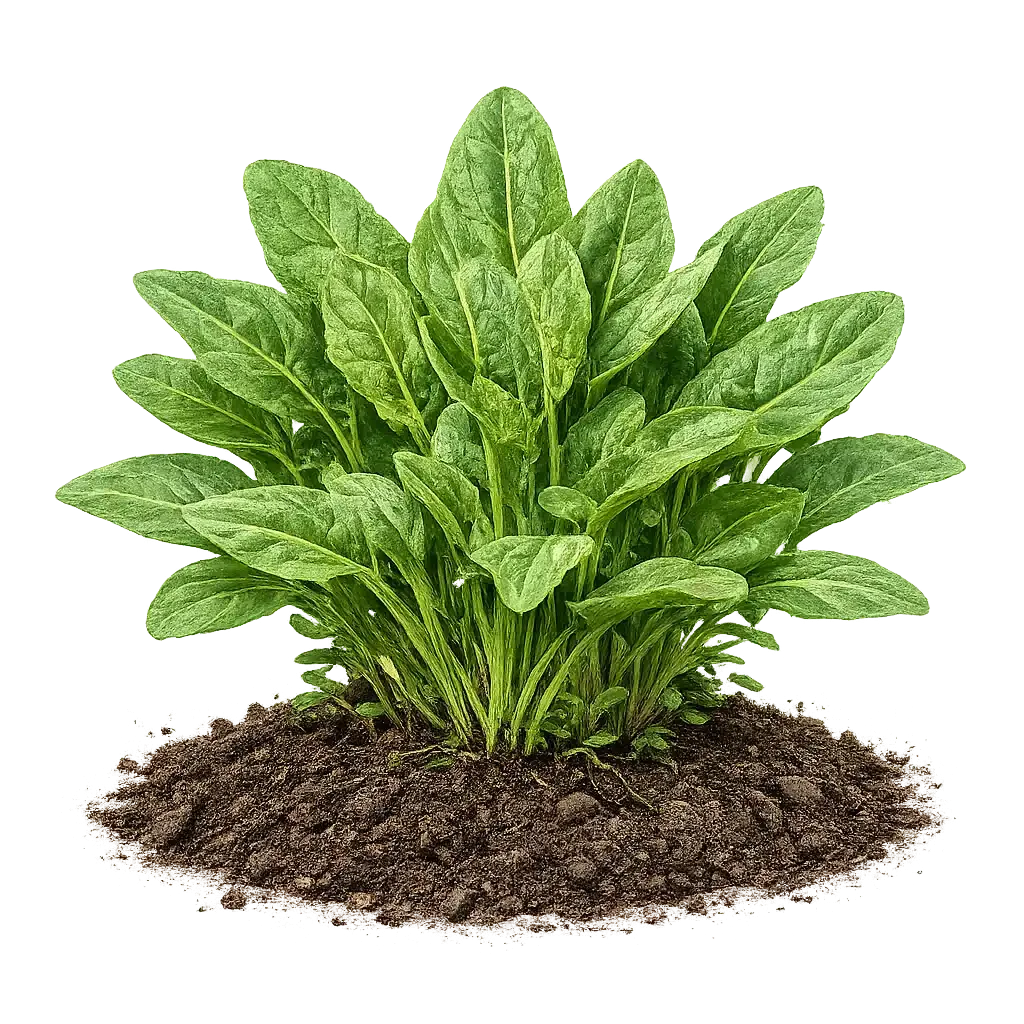
Sorrel is one of the first edible plants to emerge in the spring garden, and the intense, clean tartness of the first young leaves in March or April, eaten straight from the plant after a winter of stored and processed food, is one of the more genuinely refreshing experiences the kitchen garden provides. The oxalic acid that gives sorrel its characteristic sharp, lemony flavor is the same compound that makes rhubarb tart, and sorrel brings that brightness to salads, soups, sauces, and egg dishes through the full growing season, from the earliest spring harvest through the heat of summer and into autumn in most climates. As a hardy, essentially permanent perennial that emerges reliably each year without replanting, it is one of the most productive and most low-maintenance leafy vegetables in the herb garden.
Introduction
The two sorrels most commonly grown in kitchen gardens are French sorrel, Rumex scutatus, and garden sorrel, Rumex acetosa, both members of the dock family Polygonaceae and both native to temperate Europe and western Asia. French sorrel has smaller, more tender, shield-shaped leaves with a slightly milder, more lemony flavor and a lower oxalic acid content than garden sorrel, making it better suited for raw use in salads and for preparations where the sorrel is the primary rather than supporting flavor. Garden sorrel has larger, more robustly flavored leaves with a stronger, more assertively sour character that holds up well in cooked preparations and that was historically used as much for medicinal purposes as for cooking.
Sorrel has been cultivated as a food and medicine plant across Europe for at least two thousand years, appearing in Roman, medieval, and Renaissance culinary records as a souring agent, salad green, and spring tonic. Before the widespread availability of citrus fruit in northern Europe, sorrel was one of the primary culinary sources of the sour, acidic flavor that balances rich foods, and its role in classic French cuisine reflects this historical foundation: sorrel sauce for salmon, sorrel soup, and the classic pairing of sorrel with eggs in omelets and baked preparations are preparations that developed from centuries of practical kitchen experience with the plant.
On the homestead, sorrel earns its place on multiple grounds simultaneously. As a culinary herb and vegetable it is among the most immediately useful spring-through-autumn leafy crops available from a perennial plant. As a livestock supplement it provides vitamins and the appetite-stimulating effect of its bitter, astringent compounds to poultry and small animals. And as a genuinely permanent garden resident that asks for almost no maintenance in return for decades of reliable harvests, it rewards the initial planting with a compounding return that few annual crops can match.
How to Grow
Sun Requirements
Sorrel grows well in full sun to partial shade and is among the most light-tolerant culinary herbs in this series. In full sun it produces the most vigorous growth and the heaviest leaf production through the season. In partial shade of three to four hours of direct sun it grows somewhat more slowly but remains productive and, importantly, bolts to flower more slowly in summer heat, extending the harvest of tender, mildly flavored leaves before the plant's energy shifts to flowering and the leaf flavor becomes more intensely sour and the texture more fibrous.
For gardeners in zones 7 and warmer, a partially shaded position or one that receives morning sun and afternoon shade provides the best balance of productivity and quality through the hottest summer weeks, where full sun combined with summer heat accelerates bolting and produces the rapid leaf quality decline that makes midsummer sorrel in hot climates less useful than early and late season harvests. In zones 5 and cooler, full sun maximizes the productive growing season.
Soil Requirements
Sorrel is one of the most soil-tolerant perennial herbs available, growing productively on a wide range of soils from sandy and well-drained through moderately heavy loam, and adapting to both acidic and slightly alkaline conditions with pH tolerance from 5.5 to 7.0. It is not demanding of fertility and does not require annual fertilization to maintain productive harvests, though incorporating compost at planting and topdressing with a light compost mulch each spring maintains the moderate fertility that supports the best leaf production.
Good drainage improves performance and plant longevity, though sorrel is more tolerant of periodically moist conditions than most of the Mediterranean herbs in this series. Heavy clay that holds standing water after rain is the most problematic soil condition, reducing root health and overall vigor. Moderately heavy loam that drains freely after rain and retains adequate moisture between rain events is the most productive soil type for consistent high-quality leaf production.
Water Needs
Established sorrel is moderately drought tolerant but produces the most tender, most mildly flavored leaves with consistent moisture during the growing season. Drought stress accelerates bolting, toughens the leaf texture, and concentrates the oxalic acid that makes stressed leaves unpleasantly sharp rather than pleasantly tart. Consistent moderate moisture, particularly through the warm summer months, produces the best quality leaves and delays the transition to the tougher, more fibrous foliage of stressed or late-season plants.
A mulch of straw or wood chips around established plants significantly reduces summer irrigation requirements and moderates soil temperature, keeping roots cooler in summer heat and extending the window of tender leaf production by several weeks compared to unmulched plants in the same conditions.
Planting
Sorrel is most easily established from seed sown directly in the garden in early spring as soon as the soil can be worked, or from nursery transplants set out in spring or autumn. Seed germinates readily at cool to moderate soil temperatures from 50 to 70 degrees Fahrenheit without any pretreatment, typically within seven to fourteen days, and direct sowing in early spring takes advantage of the cool conditions that favor good germination and early establishment before summer heat arrives.
Thin direct-sown seedlings to 12 to 18 inches apart once they are large enough to handle, using the thinnings as the first salad harvest of the season. Transplants establish quickly and may produce a modest harvest in their first year, with full productive capacity developing in the second year when the root system is established and the plant can support sustained leaf production through repeated harvesting.
Division of established clumps every three to four years in early spring rejuvenates older plants that have become overcrowded and provides divisions for expanding the planting or sharing. The divided sections transplant readily and re-establish quickly, flowering in their first season after division and producing full leaf harvests from the second year. Division is both the most reliable propagation method and the most appropriate management response to older clumps that show declining vigor or center die-out.
Plant Spacing
Plants should be spaced 12 to 18 inches apart to allow the rosette to develop fully and to permit adequate air circulation that reduces fungal disease pressure on the dense leaf mass. French sorrel, with its smaller leaves and more compact habit, can be planted at the closer 12 inch spacing. Garden sorrel, which produces larger leaves and a more expansive rosette, benefits from the full 18 inch spacing that allows the plant to reach its productive potential without overcrowding.
Companion Planting
Sorrel has a modest but practical companion planting role, primarily through the early season ground cover and pollinator preparation its spring emergence provides, and through its compatibility with the growing conditions of many spring and cool-season crops.
Strawberries, with which sorrel is a traditional European companion, the sorrel's low-growing spring rosette providing ground cover between strawberry plants without competing significantly for the resources strawberries need
Chives and other alliums, which share sorrel's preference for consistent moisture and partial shade tolerance, and which together provide a productive early-season perennial harvest from the same bed management
Lettuce and spring salad greens, which share sorrel's cool-season productivity peak and benefit from interplanting with a perennial that occupies the same bed space productively through summer after annual salad crops bolt and are removed
Fruit trees in the understory, where sorrel's shade tolerance and perennial nature make it one of the most productive edible ground layer plants for food forest and orchard understory plantings
Harvesting
Harvest Time
Sorrel produces its most tender, most mildly flavored leaves from the first spring emergence in March or April through the onset of warm weather in late May or June. This spring harvest window, when the young leaves are at their most succulent and their oxalic acid concentration is balanced by the fresh green flavor of actively growing tissue, represents the peak quality harvest period and the one most valued in classical French cuisine and in the spring kitchen.
A second harvest of high-quality leaves follows the summer flush of flowering if the flower stalks are cut back promptly as they emerge, stimulating a new flush of fresh leaf growth. This cut-back regrowth produces leaves nearly as tender as the spring flush in most climates, and the practice of regularly removing emerging flower stalks throughout summer is the single most important management technique for maintaining continuous high-quality leaf production through the season.
In autumn, as temperatures cool, a third flush of tender young growth typically emerges and provides fresh sorrel leaves through October and into November in zones 6 and warmer, often persisting until hard frost finally ends the season.
Harvest Method
Individual outer leaves are harvested by cutting or snapping the stem at the base of the leaf, leaving the central growing point and inner leaves to continue developing. Harvesting the outer leaves first and progressively working inward as the plant grows maintains continuous production and prevents the overcrowding that reduces air circulation and leaf quality at the center of the rosette.
For a substantial harvest, cutting the entire plant back to two to three inches above the crown removes all the current growth and triggers a rapid flush of new, tender leaf growth within two to three weeks. This cut-and-regrow approach is the most productive strategy for maintaining steady quality through summer and is the appropriate response when the existing leaves become tough, overly sour, or damaged by heat stress.
Flower stalks should be removed as soon as they emerge, before the plant's energy is diverted into seed production and the leaf quality declines. Cutting the stalks at the base of the plant is more effective than pinching the tip, as the stalk base contains the growing point and will re-emerge from a tip pinch while a base cut eliminates the flowering stem entirely.
Classic sorrel soup: Wilt a generous double handful of fresh sorrel leaves in butter over medium heat until completely collapsed and turned from bright green to olive-colored, which takes two to three minutes. Add chicken or vegetable stock, simmer briefly, blend smooth, and finish with cream and a few drops of lemon juice. The sorrel's oxalic acid reacts with the heat to produce the characteristic color change and a concentrated, rounded tartness that no other herb or green produces in quite the same way. Season and serve warm or chilled. This is the preparation that most clearly demonstrates what sorrel does that nothing else can.
How to Use
Culinary Uses
Sorrel's culinary role is built around its exceptional tartness, which functions as a souring and brightening agent in cooked preparations and as a distinctive fresh element in raw ones. The oxalic acid that produces the sourness behaves differently from vinegar or citrus in cooking: it mellows somewhat with heat while concentrating into a rounded, persistent tartness that integrates into sauces and soups in a way that added acid cannot fully replicate.
Sorrel sauce for salmon or other rich fish is one of the most enduring classical applications, where the herb's tartness cuts the richness of the fish in a way that the French culinary tradition recognized centuries before acidity became a fashionable cooking concept. The preparation is simple: sorrel wilted in butter, finished with cream, seasoned, and served over poached or pan-roasted salmon. The sauce turns an unappealing olive color during cooking but tastes far better than it looks, and the color change is simply the oxalic acid reacting with the chlorophyll rather than any indicator of quality loss.
Sorrel with eggs is the other classical pairing, appearing as omelets stuffed with wilted sorrel, baked eggs on a bed of sorrel-enriched cream, and egg-based gratins where the herb's tartness anchors the richness of the eggs and cream. The combination is one of those pairings where the sum is demonstrably better than either component, and it makes sorrel one of the most valued herbs for the kitchen garden that supplies a household keeping chickens.
In salads, young French sorrel leaves add a clean, lemony tartness that brightens mixed green salads and pairs particularly well with goat cheese, walnuts, beets, and other strong-flavored ingredients that benefit from contrast. The tender young leaves of spring harvest are the most appropriate for raw use, as older or summer leaves develop a texture and intensity of flavor better suited to cooked applications.
Sorrel soup in its various forms, from the classic French potage a l'oseille through the Eastern European schav of Jewish tradition and the Nigerian green soup using Rumex species as the souring element, represents a global recognition of the plant's capacity to provide a distinct, irreplaceable flavor in a single-herb preparation. Each tradition arrived at the same basic conclusion through independent culinary development: sorrel makes a soup that no other green replicates.
Livestock and Poultry Uses
Sorrel has a well-established traditional use as a spring supplemental fodder for poultry and small livestock, where the fresh leaves provide vitamins, minerals including iron and vitamin C, and the digestive-stimulating bitter and astringent compounds that encourage feeding after the nutritional monotony of a winter diet. Chickens consume fresh sorrel leaves readily and benefit from the vitamin C and iron content that the fresh leaves provide in relatively high concentration compared to most available spring green material.
The oxalic acid content that characterizes sorrel should be considered in livestock feeding, as large quantities of oxalate-rich plants can contribute to oxalate accumulation and related health problems in animals predisposed to them, particularly goats and sheep. As a supplemental green offered in modest quantities alongside a balanced diet rather than as a primary forage, sorrel presents no meaningful risk to healthy animals and provides genuine nutritional benefit.
Medicinal Uses
Sorrel's medicinal use is primarily as a spring tonic and digestive herb rather than as a concentrated medicinal preparation. The vitamin C content of the fresh leaves, historically significant in the pre-citrus dietary context of northern European winters, provides genuine nutritional value in early spring when fresh green food is scarce and the cumulative vitamin C depletion of a winter diet on stored food is most apparent. The spring craving for sorrel's sharp, clean flavor that appears consistently in traditional food writing reflects a real nutritional need as much as a culinary preference.
As a digestive tonic, sorrel's bitter and astringent compounds stimulate digestive secretions and improve appetite, and the traditional use of sorrel preparations for sluggish digestion, mild constipation, and the general constitutional depression of late winter is consistent with the plant's actual chemistry. Sorrel tea prepared from fresh or dried leaves is a mild, pleasant preparation for these applications.
Topically, a poultice of fresh sorrel leaves applied to minor skin irritations, insect stings, and the itching of nettle contact provides cooling, mildly astringent relief through the oxalic acid and tannin content of the leaves.
Storage
Fresh sorrel leaves store for five to seven days refrigerated in a sealed bag or container. Beyond this window the leaves wilt and develop an increasingly intense sourness as the oxalic acid concentration relative to the fresh green compounds shifts, and cooking is the most practical use for leaves approaching the end of their storage life, as cooking rounds and integrates the sharpness that becomes unpleasantly harsh in very old fresh leaves.
Sorrel is not effectively dried for storage, as the drying process concentrates the oxalic acid while eliminating the volatile compounds that give fresh sorrel much of its complexity, producing a dried product that is harshly sour rather than pleasantly tart. Freezing is the most practical storage method for preserving a useful sorrel preparation: blanch leaves briefly in boiling water, squeeze out excess moisture, and freeze in portions. The frozen leaves are not suitable for raw use but function well in soups, sauces, and cooked preparations and preserve the essential flavor character far better than drying.
Sorrel puree prepared by cooking fresh leaves in butter until completely wilted, then blending smooth and freezing in ice cube portions, provides convenient single-use cooking portions through the winter months and is the most practical way to preserve a substantial harvest from a productive garden planting for year-round use.
Lifespan of the Plant
Sorrel is a genuinely long-lived perennial that persists for ten to twenty years or more in appropriate conditions in zones 3 through 9, returning each spring from its persistent root system and providing reliable annual harvests without replanting. This permanent character is one of the plant's most significant practical advantages for the homestead kitchen garden, where a planting of three to five sorrel plants established in a suitable position represents a multi-decade investment in a productive culinary resource.
Division every three to four years maintains the vigor of older clumps that show the central die-out and reduced leaf production of overcrowded root systems. Each division produces a productive new plant that quickly re-establishes the harvest capacity of the parent, and the divided sections can be used to expand the planting, fill gaps in the herb bed, or share with other gardeners.
The plant enters complete winter dormancy in zones 5 and colder, with all above-ground growth dying back after hard frost. It is among the earliest plants to re-emerge in spring, often pushing new growth through the soil before the last frost date in its zone, and this early emergence is part of what makes it so valuable as the first fresh green of the kitchen garden season.
Pros and Cons
Advantages
One of the first edible plants of spring, providing fresh leaves weeks before most other garden crops are ready
Genuinely permanent perennial that returns reliably for ten to twenty or more years without replanting
Provides a distinctive sharp, lemony flavor that no other readily grown herb or green replicates in cooked preparations
Hardy to zone 3, suitable for even the coldest temperate homestead gardens
Broad shade tolerance makes it one of the most productive edible plants for partially shaded positions and food forest understory
Excellent spring supplement for poultry and small livestock with meaningful vitamin C and iron content
Essentially no pest or disease problems once established
Self-maintains with minimal intervention beyond flower stalk removal and division every few years
Limitations
High oxalic acid content is a concern for people with kidney stones, gout, or rheumatoid arthritis; should be used in moderation by these groups
Bolts readily in summer heat, requiring regular flower stalk removal to maintain leaf quality
Does not dry well for storage; freezing is the primary preservation method
Culinary applications are relatively narrow, centered on its sourness, limiting its versatility compared to herbs with broader flavor profiles
Self-seeds freely if flower stalks are allowed to set seed, potentially spreading beyond intended areas
Leaves become tough and excessively sour in heat stress or when harvesting is neglected
Common Problems
Sorrel on appropriate soil in adequate light is one of the most trouble-free perennial herbs available. Established plants rarely experience significant pest or disease pressure, and the most consistent management challenges are horticultural rather than pathological.
Bolting in summer heat is the most consistent quality management challenge. Sorrel is a long-day plant that initiates flowering in response to the extended day lengths of midsummer, and in warm climates this transition happens rapidly and repeatedly through the season. The practice of cutting flower stalks at the base as soon as they are identified, before the plant's energy is committed to seed production, is the most effective ongoing management for maintaining continuous leaf quality, and it is a task that rewards attentiveness through the summer months rather than periodic large interventions.
Aphids, particularly the dock aphid Aphis rumicis, colonize the undersides of sorrel leaves and the emerging flower stalks reliably in many gardens. Natural predator populations manage them effectively once established, and heavy aphid pressure on sorrel rarely causes plant health problems severe enough to require intervention. Leaves with heavy aphid infestations are simply removed during harvest and composted rather than being used, and the plant re-grows clean new foliage rapidly.
Slugs consume young leaves and seedlings in moist conditions and are the primary establishment pest for newly planted sorrel. Protective measures during the first season, when plants are small enough to be significantly damaged by slug feeding, are more important than management of established plants that can withstand moderate slug damage without significant impact on overall productivity.
Varieties
Rumex scutatus, French sorrel or buckler-leaf sorrel, is the preferred choice for kitchen garden use and the most appropriate variety for raw applications. The smaller, shield-shaped leaves have a cleaner, more lemony flavor with lower oxalic acid intensity than garden sorrel, making them more versatile in both raw and cooked preparations.
Rumex acetosa, common or garden sorrel, produces larger, more robustly flavored leaves with a stronger sour character suited to cooked preparations and to culinary contexts where the sourness is the primary contribution. It is more vigorous and more productive than French sorrel in terms of leaf bulk but somewhat coarser in flavor and less suitable for raw use.
Rumex acetosa var. hortensis, cultivated as the standard garden sorrel in many seed catalogs, represents the selected culinary forms of the species with improved leaf size and somewhat less intensely sour flavor than wild-type garden sorrel. The named variety Abundance produces particularly broad, tender leaves with a long harvest season, and is worth seeking out from specialist vegetable seed suppliers.
Red-veined sorrel, sometimes sold under the name Bloody Dock or Rumex sanguineus, is primarily an ornamental selection with striking red-veined leaves and a much milder, almost imperceptible sourness. It provides visual interest in the salad garden but does not deliver the culinary character that makes true sorrel worth growing.
Oxalic acid considerations: Sorrel contains oxalic acid in concentrations that are significant for people with a history of calcium oxalate kidney stones, gout, rheumatoid arthritis, or other conditions where dietary oxalate management is recommended. For these groups, sorrel should be consumed in moderation or avoided rather than eaten freely as a vegetable. For otherwise healthy adults, sorrel in normal culinary quantities is safe, and the oxalic acid is partially deactivated by cooking. Sorrel is not appropriate as a major dietary component for livestock with susceptibility to oxalate-related conditions.
Final Thoughts
There is a moment in early April, in most temperate gardens, when the sorrel is the only thing actively growing that can be eaten raw and enjoyed rather than endured. The young leaves from a well-established plant, picked in the first warm week of spring before anything else is ready, taste like the season itself: sharp, bright, alive in a way that nothing from winter storage manages to replicate. That moment is worth having a sorrel plant for, regardless of anything else the herb provides through the rest of the year.
The rest of what it provides is considerable. The sauce for the salmon. The soup that turns olive and tastes better than it looks. The spring supplement for the chickens. The permanent, reliable, essentially self-maintaining presence in the bed that needs dividing every few years and otherwise simply grows.
Plant it once, in a position it can occupy permanently, and let it become one of those garden fixtures that is simply always there when you need it.