
Tarragon
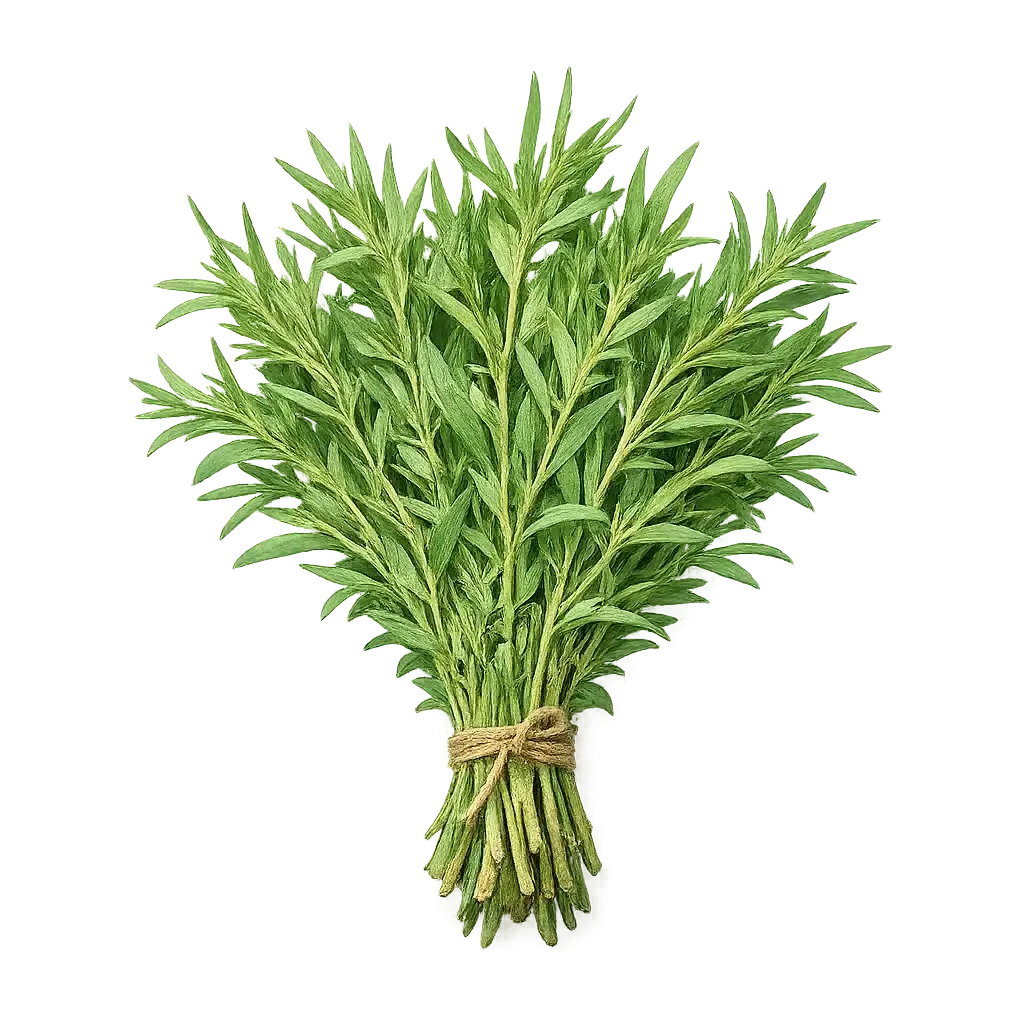
Written By Arthur Simitian
QUICK FACTS
Common Name
French Tarragon, Tarragon, Estragon
Scientific Name
Artemisia dracunculus var. sativa (French); Artemisia dracunculus (Russian)
Plant Type
Hardy perennial
Hardiness Zones
4 to 8 (French tarragon); 3 to 9 (Russian tarragon)
Sun Requirements
Full sun to partial shade
Soil Type
Well-drained, average to poor; dislikes rich, wet soils
Plant Height
18 to 36 inches
Spacing
18 to 24 inches
Uses
Culinary, medicinal digestive, vinegar and infused oil, companion plant, appetite stimulant
Tarragon is the herb that separates French cuisine from nearly every other culinary tradition on earth. The distinctive anise-licorice flavor of French tarragon, produced by the volatile compound estragole alongside a complex of other aromatic compounds, is irreplaceable in béarnaise sauce, fines herbes, tarragon chicken, and the dozens of classic preparations where nothing else produces the same result. Growing your own French tarragon is the only reliable way to have it fresh, because the French variety does not set viable seed and cannot be grown from a packet; it must come from a division or cutting of an existing plant, which is one reason it is rarely seen in supermarkets and one reason it is absolutely worth the small effort of sourcing and establishing it correctly.
Introduction
The tarragon species, Artemisia dracunculus, is native to the steppes and dry plains of central Asia and Siberia, where it grows naturally as a robust, spreading perennial on dry, well-drained grassland soils. The species name dracunculus means little dragon in Latin, a reference either to the serpentine form of the roots or to the folk belief that the plant could cure the bites of venomous animals. The culinary variety we value, French tarragon, is a selected, sterile cultivar that produces no viable pollen and sets no seed, which is why it can only be propagated vegetatively and why every French tarragon plant in cultivation is a genetic descendant of plants selected and maintained by gardeners rather than by natural seed production.
Russian tarragon, Artemisia dracunculus in its wild form, is a different matter entirely. It is seed-fertile, more vigorous, more cold-hardy, and more drought tolerant than the French variety, but its flavor is dramatically inferior, with a coarse, slightly bitter anise character that lacks the refined sweetness and complexity of French tarragon. The two plants look similar, and Russian tarragon seedlings are frequently sold mislabeled as French tarragon at general nurseries that do not specialize in culinary herbs. The test is always flavor: chew a leaf. French tarragon has an immediate, sweet, complex anise intensity. Russian tarragon tastes flat, slightly medicinal, and considerably less interesting.
On the homestead, tarragon earns its place as the defining culinary herb for a specific style of cooking and as a productive, low-maintenance perennial that asks for very little management once established on well-drained soil in adequate sun. It does not provide the medicinal depth of the nervine and antimicrobial herbs earlier in this series, but it provides something equally valuable for the kitchen garden: access to a flavor that cannot be purchased reliably and cannot be approximated by any substitute.
How to Grow
Sun Requirements
French tarragon grows best in full sun to partial shade, with six or more hours of direct sunlight daily producing the most vigorous plants with the most concentrated estragole content and therefore the most intense flavor. In partial shade of four to five hours of direct sun it remains healthy and flavorful, though somewhat less intensely aromatic than in full sun. In climates with very hot summers in zones 8 and warmer, the partial shade of a position that receives morning sun and afternoon shade reduces heat stress and prevents the premature dormancy that French tarragon can enter in intense summer heat.
Russian tarragon is more tolerant of a wider light range and performs adequately in partial shade conditions where French tarragon would also grow, but the inferior flavor of the Russian variety makes the question of light optimization somewhat academic for serious culinary gardeners.
Soil Requirements
Tarragon shares the preference for lean, well-drained, moderately poor soil that characterizes its Artemisia relatives, and for the same reasons: the essential oil concentration that makes French tarragon so valuable culinarily is highest on soils where the plant is not overfed and where moisture stress encourages compact growth and concentrated volatile oil production. Rich, heavily amended, moisture-retentive soils produce lush growth with diluted flavor and increase the risk of the root rot that is the primary cause of French tarragon loss in cultivation.
Well-drained soil is the single most critical soil requirement. French tarragon in poorly drained or periodically waterlogged soil declines and dies reliably, and this sensitivity is the primary reason the plant performs poorly in heavy clay gardens without soil improvement or raised bed culture. Incorporating coarse grit or sand into the planting area of heavy soils, or simply growing tarragon in raised beds where drainage can be controlled, addresses this limitation effectively.
pH tolerance is wide from 6.0 to 7.5. No fertilizing is needed or beneficial once the plant is established; the annual incorporation of a thin layer of compost as mulch provides adequate nutrition without the excessive nitrogen that encourages the watery, flavor-diluted growth that defeats the purpose of growing tarragon at all.
Water Needs
Established French tarragon is moderately drought tolerant and performs well with the natural rainfall available in most temperate climates during the growing season. During establishment in the first growing season, consistent moderate moisture supports root development and prevents the plant from entering premature dormancy before it is adequately established.
From the second year onward, the deep rhizomatous root system that French tarragon develops provides significant drought resilience, and supplemental irrigation is typically only needed during extended dry periods in dry summer climates. The key, as with all the dry-site Artemisia relatives, is to avoid consistently wet or saturated soil conditions rather than to manage drought. Occasional deep watering during dry spells is far preferable to frequent shallow irrigation that keeps the soil surface perpetually moist.
Planting
French tarragon is always established from divisions, stem cuttings, or nursery transplants. It does not set viable seed, and any tarragon offered as seed packets is Russian tarragon regardless of what the label says. When sourcing French tarragon, a specialist culinary herb nursery is the most reliable source, and the flavor test of chewing a leaf before purchase or immediately after arrival is worth performing to confirm you have the genuine article.
Planting in spring after the last frost, when soil temperatures have warmed to above 60 degrees Fahrenheit, produces the quickest establishment. French tarragon emerges late in spring, often not showing green growth until well after other perennials have leafed out, and this late emergence can cause unnecessary concern that the plant has not survived winter. It has almost always simply not yet felt warm enough to begin growth, and patience through mid to late spring is usually rewarded.
Division of established clumps every two to three years, in early spring as the first growth appears or in early autumn before the plant enters dormancy, is both the most reliable propagation method and an important maintenance practice that prevents the overcrowding and central die-out that older, undivided tarragon clumps develop. The divided sections transplant easily and establish quickly, producing productive plants in their first season.
Stem cuttings taken from young, non-flowering stems in early summer root readily in a well-drained medium and are the most practical multiplication method for producing additional plants from a single established specimen.
Plant Spacing
Plants should be spaced 18 to 24 inches apart to allow the spreading rhizomatous clump to develop fully without overcrowding. French tarragon spreads gradually by underground rhizomes rather than remaining in a tight clump, and the spacing that appears generous at planting is typically appropriate by the third year as the plant fills its allotted space.
In the kitchen herb garden, tarragon is most practically positioned within easy reach of the kitchen path, as the fresh sprigs are used frequently and in modest quantities rather than in large harvests, and convenient access encourages regular use. A position that allows the spreading habit without competition from neighboring plants while remaining accessible for daily clipping is the ideal.
Companion Planting
Tarragon has a traditional reputation as a beneficial companion plant, attributed primarily to the allelopathic and pest-deterrent properties of its volatile estragole and other aromatic compounds. The scientific evidence for specific companion benefits is limited, but the general aromatic deterrence to some insect pests that the Artemisia family is known for makes tarragon a reasonable choice for border planting in vegetable gardens where companion aromatic herbs are part of the overall pest management approach.
Eggplant and peppers, which share the warm, well-drained site preferences and are traditional Mediterranean garden companions for tarragon
Brassicas, where the aromatic foliage may provide some deterrent effect against cabbage white butterfly in proximity to the planting
Other fine-leaved aromatic herbs including chervil, chives, and parsley, which share the culinary and site requirements and together with tarragon constitute the classic French fines herbes blend grown in close proximity
Harvesting
Harvest Time
Fresh tarragon is harvested through the entire growing season from late spring through early autumn, with the flavor most intense in the actively growing stems of late spring and early summer before the plant's energy shifts toward any flowering effort. In French tarragon, the sterile flowers are insignificant and the plant's energy remains in vegetative growth through most of the season, providing a long and consistent harvest window without the flavor decline associated with flowering in many culinary herbs.
For drying, harvesting in late spring and early summer when essential oil concentration is highest produces the most flavorful dried herb. It is worth noting that dried tarragon, while functional, loses a significant portion of the fresh herb's complexity and delicacy, and fresh or frozen tarragon is strongly preferable for most culinary applications.
Harvest Method
Cut stem tips four to six inches long with sharp scissors, harvesting from the outside of the clump and leaving the inner stems to continue developing. Taking no more than one third of the plant's total growth in any single harvest allows continuous regrowth through the season. Regular harvesting actually improves plant shape and productivity by preventing the plant from becoming leggy and encouraging the compact, bushy habit that provides the most accessible and productive harvest surface.
For drying, bundle harvested stems and hang in a warm, well-ventilated space out of direct light. Tarragon dries more slowly than woody-stemmed herbs due to the moisture content of its fleshy stems, and complete drying may take two to three weeks. Alternatively, stripping the leaves from the stems and drying them in a single layer on a mesh drying rack speeds the process considerably.
Freezing tarragon: Freezing preserves far more of fresh tarragon's flavor complexity than drying. Blanch whole stems briefly in boiling water for ten seconds, immediately plunge into ice water, pat dry, and freeze in a single layer before storing in sealed freezer bags. Alternatively, blend fresh tarragon with a small amount of water or olive oil and freeze in ice cube trays for single-use portions that drop directly into sauces and braises. Either method preserves a quality of flavor that dried tarragon cannot match.
How to Use
Kitchen Uses
French tarragon is one of the four herbs in the classic French fines herbes blend alongside chervil, chives, and parsley, and it is the most distinctive flavor in the combination. The blend is used in egg dishes, delicate sauces, fish preparations, and chicken, and the presence of genuine fresh French tarragon is what gives a properly made béarnaise its characteristic anise note and what distinguishes a classic poulet à l'estragon from a chicken dish that merely uses herbs.
Béarnaise sauce is the most famous application and one where the tarragon flavor is not a background note but the defining character of the entire preparation. A classic béarnaise begins with a reduction of white wine, white wine vinegar, shallots, and tarragon that concentrates the herb's flavor before the egg yolks and butter are incorporated, and the fresh tarragon stirred in at the end of the cooking process provides the contrast of raw herb brightness against the concentrated reduction. No other herb produces the same result.
Tarragon chicken, whether the classic French version of chicken pieces braised with white wine and cream and finished with fresh tarragon, or any of the many variations, is one of the most straightforward and most rewarding applications of the fresh herb. The key in all tarragon-forward preparations is to add at least some fresh tarragon at the very end of cooking or at the table, as prolonged heat diminishes the most volatile flavor compounds while leaving the more stable bitter notes prominent.
Tarragon vinegar, prepared by packing fresh tarragon stems into a bottle of good white wine vinegar and allowing to infuse for two to four weeks before straining, is one of the most practically useful pantry preparations the herb produces and is far superior to any commercially available tarragon vinegar. It is the foundation of authentic béarnaise, an excellent dressing vinegar, and a useful flavor ingredient in marinades and sauces through the months when fresh tarragon is not available.
Fish and shellfish are among tarragon's strongest culinary partnerships. Steamed or poached fish with a tarragon butter or cream sauce, mussels with white wine and tarragon, and scallops with tarragon beurre blanc are preparations where the herb's delicacy complements rather than overwhelms the protein. The anise note in tarragon has a particular affinity with the sweetness of fresh seafood that is not replicated by any other commonly available herb.
Medicinal Uses
Tarragon's medicinal reputation is modest compared to the more intensely active herbs in this series, reflecting its character as a culinary herb whose primary contribution to health is through regular dietary use rather than concentrated medicinal preparation. The volatile oils in French tarragon have demonstrated some digestive stimulating activity, and the traditional use of tarragon as an appetite stimulant and digestive tonic is supported by the general mechanism of aromatic bitter and carminative herbs.
As a mild digestive herb, tarragon tea prepared from fresh or dried leaves is used in traditional European practice for sluggish digestion, loss of appetite, and mild bloating, where the aromatic volatile oils stimulate digestive secretions and reduce fermentation in the digestive tract. The flavor is pleasant enough that this is one of the more agreeable medicinal teas available, though the effect is gentle rather than dramatic.
Tarragon has a traditional application as a mild analgesic for toothache, where fresh tarragon leaves placed against an aching tooth provide temporary relief through the eugenol content shared with cloves. This is a folk remedy rather than a primary medicinal application, and it is most useful as immediate temporary relief while proper dental care is arranged.
Estragole, the primary aromatic compound of French tarragon, has attracted some concern in the scientific literature regarding potential genotoxicity at very high doses in animal studies. The European Food Safety Authority has reviewed this evidence and concluded that the levels of estragole consumed through normal culinary use of tarragon are not of concern for human health, and that culinary use as a flavoring herb does not present a meaningful risk. Concentrated estragole extracts or essential oils are a different matter and are not appropriate for internal use.
Tea and Infusion Uses
Tarragon tea prepared from fresh or lightly dried leaves in hot water produces a pale, delicately anise-flavored infusion that is pleasant enough as a digestive tea after meals. One tablespoon of fresh leaves or one teaspoon of dried herb per cup of just-boiled water, steeped for five to eight minutes, is the standard preparation. The flavor is subtle and the medicinal action mild, making it more appropriate as a culinary-adjacent digestive ritual than as an intensive medicinal preparation.
Tarragon-infused honey, prepared by warming good honey gently with fresh tarragon stems and allowing to cool and infuse for several days before straining, produces a distinctively flavored honey excellent for salad dressings, glazes for poultry and fish, and as a component in homemade vinaigrettes. It is a simple, practical preparation that extends the herb's usefulness through the off-season months when fresh tarragon is not available from the garden.
Storage
Fresh tarragon stems store for five to seven days refrigerated, stood upright in a small amount of water like cut flowers and loosely covered with a plastic bag, or wrapped in a slightly damp paper towel in a sealed bag. Beyond this window, freezing is the most flavor-preserving storage method, as described in the harvesting section above.
Dried tarragon stores for one to two years in airtight glass containers kept cool and dark. The flavor deteriorates more quickly than that of woody-stemmed herbs like thyme and rosemary, and the first-year harvest is noticeably more flavorful than herb approaching the end of its storage life. Grinding dried tarragon immediately before use and storing whole dried leaves rather than pre-ground herb both improve the effective shelf life of the dried preparation.
Tarragon vinegar stores for twelve months or longer at room temperature in sealed glass bottles. Tarragon-infused olive oil stores for one month at room temperature and three to four months refrigerated. Both preparations capture the herb's flavor at its most useful and convenient and are worth making in quantity during the peak summer harvest when fresh material is abundant.
Lifespan of the Plant
French tarragon is a perennial that returns reliably from its rhizomatous root system each spring in zones 4 through 8, with individual plants persisting for many years on appropriate well-drained sites. The plant requires periodic division every two to three years to prevent the central die-out and spreading hollow-center habit that develops in older, undivided clumps. This division simultaneously maintains vigor, controls the spread of the rhizomes, and produces new divisions for expanding the planting or sharing.
In zones 4 and 5, winter mulching with dry straw or shredded leaves over the crown after the aerial parts have died back improves survival rates through hard winters, particularly in the first year or two before the root system is deeply established. In zone 4 with good drainage and consistent snow cover, French tarragon overwinters reliably without mulching on established sites.
The plant enters complete dormancy in winter with no visible above-ground growth, emerging late in spring. Marking the position of dormant tarragon plants in the bed prevents accidental disturbance during spring planting and cleaning when the plant has not yet emerged.
Pros and Cons
Advantages
Provides a flavor irreplaceable in French cuisine that cannot be sourced reliably any other way
Long harvest season from late spring through early autumn with consistent quality
Low maintenance once established on appropriate well-drained soil
Hardy perennial returning reliably to zone 4 with proper drainage
Produces excellent tarragon vinegar, infused oils, and frozen preparations for year-round use
Pleasant mild digestive tea from fresh or dried leaves
Compact enough for small kitchen herb gardens while productive enough for serious culinary use
Limitations
French tarragon cannot be grown from seed; plants must be sourced from divisions or cuttings
Frequently mislabeled at general nurseries, requiring purchase from specialist culinary herb suppliers or a leaf-taste test before committing
Declines in poorly drained or waterlogged soils
Requires division every two to three years to maintain vigor and prevent central die-out
Dried tarragon loses significant flavor complexity compared to fresh
Enters complete dormancy in winter with no visible growth, requiring bed marking to prevent accidental disturbance
Culinary applications are relatively narrow compared to more versatile herbs like thyme or parsley
Common Problems
Root rot from poorly drained or periodically waterlogged soil is the most consistent problem and the most common cause of French tarragon loss in cultivation. It is entirely preventable by appropriate site selection and soil preparation. French tarragon that wilts and collapses despite apparently adequate moisture, develops soft or blackened stem bases at or below the soil surface, or fails to re-emerge in spring after a wet winter has almost certainly experienced root rot rather than winter kill from cold.
Powdery mildew appears on the foliage in humid, still-air conditions, particularly in late summer when nights begin cooling while days remain warm and humid. It is cosmetic in mild cases and rarely threatens the plant's survival or productivity. Improving air circulation through appropriate spacing and removing the most affected stems during the harvest reduces its spread. The complete dormancy the plant enters in autumn naturally removes any overwintered mildew spores.
Aphids colonize the new spring growth and stem tips reliably in many gardens. Natural predator populations typically manage them adequately as the season progresses and the beneficial insect community establishes itself. A strong water spray directed at the undersides of affected stems is the fastest physical intervention if aphid pressure is heavy on young plants before natural control is established.
The flavor decline that occurs when Russian tarragon is mistakenly purchased and grown in place of French tarragon is perhaps the most common problem in tarragon cultivation, and it is not a growing problem but a sourcing one. Once the difference is understood and French tarragon is correctly identified and established, the growing problems that actually affect the plant are few and manageable.
Varieties
Artemisia dracunculus var. sativa, French tarragon, is the only appropriate choice for culinary use and is the subject of this entire guide. It is available as divisions and transplants from specialist culinary herb nurseries and some well-stocked general herb nurseries, always vegetatively propagated and never from seed.
Artemisia dracunculus, Russian tarragon, is the seed-fertile wild species, widely available but culinarily inferior. It is hardier, more vigorous, and more easily sourced than French tarragon, but its flat, coarse flavor makes it an inadequate substitute in any application where tarragon flavor is the point. It is worth being aware of it specifically to avoid it.
Tagetes lucida, Mexican tarragon or Mexican mint marigold, is an entirely unrelated plant in the marigold family Asteraceae with a flavor profile resembling French tarragon closely enough to substitute in culinary applications. It is native to Mexico and Central America, grown as an annual in most of North America, and is particularly useful for gardeners in zones 9 and 10 where French tarragon struggles in the summer heat that Mexican tarragon actively prefers. It is a genuine and flavorful alternative for warm-climate growers and is worth knowing about as a seasonal substitute.
Final Thoughts
Tarragon is not the herb for every occasion. It is the herb for a specific and irreplaceable set of occasions that define a particular style of cooking, and if that cooking is something you do or want to do, having French tarragon in the garden is not optional.
Source it from a specialist. Taste the leaf before planting. Give it well-drained soil and enough sun. Divide it every few years. Make the tarragon vinegar in summer and put it in the pantry for winter. Use the fresh herb generously in the weeks when it is at its best.
That is the complete tarragon program, and it is a modest investment for consistent access to a flavor that no other herb and no commercial product reliably replaces.