
Honey magical medicine
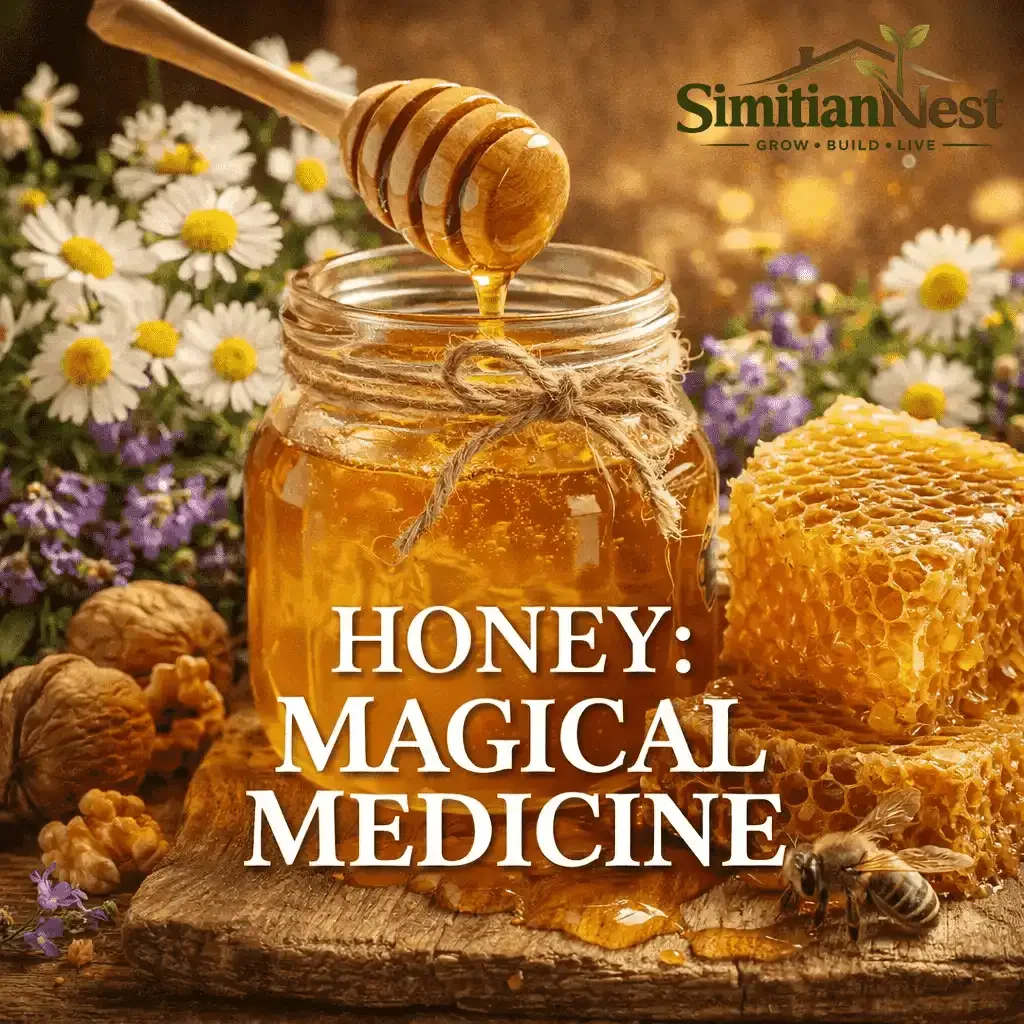
Sweet Sorcery: Why Honey is Nature's Most Magical Medicine
More than just a sweetener, honey is nature's original magic food. Crafted through a fascinating process by honeybees, this golden elixir has been used for millennia as both a gourmet delicacy and a powerful natural remedy. From its antioxidant properties to its incredible ability to stay fresh for thousands of years, honey is a true miracle of the hive. Dive in to discover the science, the history, and the sweet magic behind every jar.
The Impossible Food That Never Spoils
Imagine entering an ancient Egyptian tomb, dusty and undisturbed for over 3,000 years. Among the golden treasures, jewelry, and ceremonial objects, archaeologists discover sealed clay pots filled with honey. They open one jar, and astonishingly, the honey inside remains perfectly preserved and completely edible. This isn't archaeological fiction but documented reality. The oldest honey ever discovered was found in the Republic of Georgia, sealed in a tomb estimated to be 5,500 years old, and it too remained preserved and scientifically viable.
How can any food survive millennia without refrigeration, processing, or modern preservation techniques? The answer lies in honey's unique chemical composition and the remarkable engineering capabilities of honeybees.
The Science of Eternal Preservation
Honey possesses three distinct properties that make it virtually immortal:
Low Water Content: Despite nectar containing approximately 80% water, bees use their rapidly flapping wings to evaporate moisture, reducing honey's water content to just 17 to 18%. This creates what scientists call low water activity. Bacteria, mold, and other microorganisms responsible for food spoilage require moisture to survive. In honey's nearly waterless environment, these organisms are essentially smothered before they can multiply. Think of it as a desert where nothing can grow.
High Acidity: Honey's pH level ranges from 3.2 to 4.5, making it highly acidic (comparable to lemon juice at pH 2.5). This acidic environment is hostile to bacterial growth. Any bacteria that somehow manages to survive the low moisture encounters an acidic barrier that further prevents proliferation. The acidity comes from gluconic acid, produced when bees add the enzyme glucose oxidase to nectar.
Natural Hydrogen Peroxide: The enzyme glucose oxidase, secreted from glands in the bee's stomach, reacts with the small amount of water present in honey to produce trace amounts of hydrogen peroxide. This mild antiseptic provides yet another layer of protection against microbial growth. When honey comes into contact with wound moisture, it produces more hydrogen peroxide, explaining its powerful antibacterial properties when applied topically.
Hygroscopic Nature: Honey is hygroscopic, meaning it contains very little water but can readily absorb moisture from its surroundings if left unsealed. This property actually works in honey's favor for preservation. When sealed, nothing can grow in the dry environment. When unsealed and applied to wounds, honey draws moisture out of the wound while simultaneously releasing hydrogen peroxide, creating the perfect natural bandage.
These combined properties create an environment so hostile to life that organisms simply cannot survive long enough to cause spoilage. Honey's immortality isn't magic but rather exquisite chemical engineering courtesy of millions of years of evolution and the sophisticated work of honeybees.
Ancient Civilizations and the Golden Elixir
Honey's remarkable preservation properties didn't go unnoticed by ancient peoples. Archaeological and historical records reveal honey was one of humanity's most treasured substances for at least 9,000 years.
Ancient Egypt: Honey for Eternity
The ancient Egyptians were among the earliest organized beekeepers, with hieroglyphics depicting beekeeping activities dating to 2400 BCE in the Sun Temple. Egyptians recognized honey as precious enough to accompany royalty into the afterlife. King Tutankhamun's tomb contained sealed jars of honey, still perfectly preserved 3,000 years later.
Egyptians used honey far beyond sweetening foods. They employed it extensively in medicine, applying it to wounds, burns, and eye diseases as a natural antiseptic. They recognized honey's ability to prevent infection long before modern science understood bacteria and antibiotics. Egyptian medical texts show honey was used in 30% of all prescriptions. Additionally, honey played a crucial role in mummification, helping preserve bodies for the afterlife.
Spiritually, honey symbolized immortality and eternal life. Its incorruptible nature made it the perfect offering to gods and provision for the deceased. The fact that honey never spoiled aligned perfectly with Egyptian beliefs about eternal existence beyond death.
Georgia: The World's Oldest Honey
In 2003, during oil pipeline construction near Tbilisi, Georgia, archaeologists discovered what remains the world's oldest honey in a Bronze Age tomb dating to approximately 3500 BCE (5,500 years ago). The tomb belonged to a noblewoman of the Martkopi and Bedeni people, and incredibly, three types of honey were found: meadow flower, berry, and linden.
Even more remarkably, wild berries preserved in this ancient honey retained their red color and emitted sweet, musky aromas when researchers examined them 5,500 years later. The honey had preserved the fruit perfectly, demonstrating honey's extraordinary preservative power not just for itself but for other foods as well.
Global Honey Traditions
Ancient Sumerians used honey in 30% of their medical prescriptions, recorded on clay tablets. Greeks and Romans valued honey as sweetener, currency, and religious offering. Cave paintings in Spain dated to 8,000 years ago depict humans gathering honey from wild bee colonies, risking stings without protective gear because honey was simply that valuable.
Across cultures and millennia, honey has been revered as sacred, medicinal, and precious. Its longevity, sweetness, and healing properties made it unlike any other food available to ancient peoples.
The Antioxidant Powerhouse
Modern science has revealed that honey's benefits extend far beyond preservation and sweetness. Honey contains a remarkable array of bioactive compounds that make it a potent antioxidant and medicinal food.
What Are Antioxidants and Why Do They Matter?
Our bodies constantly produce reactive oxygen species (ROS) and free radicals as byproducts of normal metabolism. While some free radicals are necessary for immune function, excessive amounts cause oxidative stress, damaging cells, proteins, and DNA. This oxidative damage contributes to aging, cardiovascular disease, diabetes, cancer, neurodegenerative conditions like Alzheimer's, and countless other health problems.
Antioxidants neutralize free radicals, preventing cellular damage. While our bodies produce some antioxidants naturally, we also obtain them from foods, particularly fruits, vegetables, and notably, honey.
Honey's Antioxidant Arsenal
Honey contains dozens of antioxidant compounds working synergistically:
Phenolic Acids: These plant compounds possess powerful antioxidant and anti-inflammatory properties. Darker honeys contain particularly high concentrations of phenolic acids. Studies show honey's phenolic content directly correlates with its antioxidant capacity.
Flavonoids: Including quercetin, kaempferol, and galangin, these compounds exhibit antioxidant, anti-inflammatory, and cardiovascular protective effects. Kaempferol, abundant in honey, protects heart cells from ischemia-reperfusion injury and reduces cardiac cell death. Galangin demonstrates potent antioxidant activity and may help prevent cancer cell proliferation.
Enzymes: Glucose oxidase (which produces hydrogen peroxide) and catalase both contribute to antioxidant effects. These enzymes help neutralize harmful compounds and protect cells from oxidative damage.
Vitamins and Minerals: Honey contains trace amounts of vitamin C, beta-carotene (vitamin A precursor), and minerals including iron, copper, zinc, and magnesium. While amounts are small, they contribute to overall antioxidant capacity.
Amino Acids and Proteins: These compounds also exhibit antioxidant properties, adding to honey's protective effects.
Maillard Reaction Products: Formed when sugars and amino acids interact, these compounds contribute additional antioxidant capacity.
Darker Honey Equals More Antioxidants
Scientific research demonstrates that honey color directly correlates with antioxidant content. Darker honeys (like buckwheat, chestnut, or forest honey) contain significantly higher levels of phenolic compounds and flavonoids than lighter varieties (like clover or acacia honey). Studies show that darker honeys can have 10 to 20 times more antioxidants than lighter honeys.
The antioxidant content also depends on which plants bees visited. Honey from plants in the Asteraceae family (sunflowers, asters, goldenrod) shows particularly high antioxidant activity. Research found that a 1% increase in Asteraceae flower frequency increases honey antioxidant activity by approximately 1.3%. Rosaceae (roses, fruit trees) and Fabaceae (legumes, clover) families also produce honey with elevated antioxidant levels.
Scientific Evidence of Health Benefits
Clinical trials and laboratory studies demonstrate honey's antioxidant effects in humans:
Cardiovascular Protection: Studies show honey consumption increases plasma antioxidant capacity, potentially protecting against heart disease. Honey's flavonoids help reduce LDL (bad) cholesterol oxidation, a key step in atherosclerosis development.
Diabetes Management: Despite being primarily sugar, honey may help manage diabetes when used to replace refined sugars. Its antioxidant compounds help protect pancreatic cells, improve insulin sensitivity, and reduce diabetic complications. Several studies found honey consumption improved glycemic control and reduced diabetes-related oxidative stress.
Anti-Inflammatory Effects: Honey's antioxidants reduce inflammatory markers throughout the body. This helps protect against chronic diseases linked to inflammation, including arthritis, inflammatory bowel disease, and metabolic syndrome.
Immune Support: Honey consumption increases white blood cell counts, lymphocytes, and immune signaling molecules like interferon-gamma. Its immunomodulatory effects help the body fight infections and diseases.
Neuroprotection: Antioxidants in honey may protect brain cells from oxidative damage, potentially reducing risk of neurodegenerative diseases like Alzheimer's and Parkinson's.
Cancer Prevention: Laboratory studies show honey compounds inhibit cancer cell proliferation, induce cancer cell death (apoptosis), and prevent metastasis. While more human studies are needed, the anticancer potential appears promising.
Wound Healing: Beyond antioxidant effects, honey's antibacterial properties, hydrogen peroxide production, and ability to create a protective barrier make it exceptional for wound healing. Modern medicine increasingly uses medical-grade honey for treating burns, surgical wounds, and diabetic ulcers.
A landmark study found that consuming 1.2 grams of honey per kilogram of body weight significantly increased plasma antioxidant levels in healthy adults. The phenolic antioxidants from honey were bioavailable and enhanced the body's antioxidant defense system.
How Bees Transform Nectar Into Liquid Gold
Understanding how bees make honey deepens appreciation for this extraordinary substance. The process involves remarkable biological engineering and cooperation among thousands of bees.
Nectar Collection
Worker bees (all female) venture out to flowers, using their long tube-like tongues (proboscis) to suck up nectar. A single bee may visit 50 to 100 flowers per foraging trip. The nectar, which is about 80% water and 20% sugars, is stored in the bee's specialized honey stomach (separate from her digestive stomach).
Enzymatic Transformation
As soon as nectar enters the honey stomach, transformation begins. Bees add the enzyme invertase, which breaks down complex sugars (sucrose) into simpler sugars (glucose and fructose). This makes the honey more digestible and increases its preservative properties. Bees also add glucose oxidase, the enzyme responsible for producing hydrogen peroxide and contributing to honey's antibacterial properties.
Returning to the Hive
When the forager bee returns to the hive with her honey stomach full, she regurgitates the partially processed nectar to a house bee (younger workers who remain in the hive). This bee continues the enzymatic process, adding more enzymes while reducing water content through her own metabolism.
The Evaporation Process
House bees deposit the nectar into hexagonal wax cells. Then begins the critical evaporation process. Bees fan their wings rapidly, creating airflow that evaporates water from the nectar. The hive temperature (maintained at approximately 95°F) aids evaporation. This intensive work continues until water content drops from 80% to approximately 17 to 18%.
Capping the Cells
Once honey reaches the proper moisture level, bees seal the cells with a wax cap. This airtight seal preserves the honey indefinitely, preventing moisture absorption from the air. The sealed honey remains perfect for months or years until bees need it or beekeepers harvest it.
The Numbers Behind the Magic
Producing just one pound of honey requires approximately 55,000 miles of collective bee flight (more than twice around the Earth). Bees must visit roughly 2 million flowers to gather enough nectar. A single bee produces only about 1/12 teaspoon of honey in her entire 5 to 7 week lifetime during active foraging season. This puts honey's true value in perspective. Every tablespoon represents the life work of 36 bees visiting millions of flowers.
Honey as Modern Medicine
Ancient wisdom meets modern science as researchers continue discovering honey's medicinal applications.
Wound Healing and Antibacterial Effects
Medical-grade honey (often Manuka or Leptospermum honey) is now FDA-approved for wound treatment. Studies demonstrate honey's effectiveness in:
Treating burns (including severe second and third degree burns) Healing diabetic foot ulcers Managing surgical wounds Reducing infection in chronic wounds Treating pressure ulcers
Honey works through multiple mechanisms: creating a protective barrier, drawing moisture from wounds, producing hydrogen peroxide, reducing inflammation, and providing nutrients that support tissue regeneration. Some hospitals now use honey-impregnated bandages as standard wound care.
Cough Suppressant
Multiple clinical trials demonstrate honey's effectiveness for treating coughs in children (over age 1). Research shows honey works as well as or better than dextromethorphan, the active ingredient in many cough medicines. A dose of honey before bedtime reduces nighttime coughing and improves sleep quality for both children and parents.
Digestive Health
Honey may benefit gut health through multiple pathways. Its prebiotic properties feed beneficial gut bacteria. Honey's anti-inflammatory effects may help reduce symptoms of inflammatory bowel disease. Some studies suggest honey helps treat H. pylori infections (bacteria that cause stomach ulcers).
Athletic Performance
Athletes increasingly use honey as a natural energy source during endurance activities. Honey provides quickly absorbed simple sugars for immediate energy plus slower-releasing carbohydrates for sustained performance. Its antioxidant content may also reduce exercise-induced oxidative stress and inflammation.
Choosing and Using Honey
Not all honey is created equal. Processing methods and source plants dramatically affect honey's nutritional and medicinal properties.
Raw vs. Processed Honey
Raw Honey: Minimally processed, simply strained to remove large particles. Contains all the pollen, enzymes, antioxidants, and beneficial compounds bees put there. May crystallize over time (this is natural and doesn't indicate spoilage). Offers maximum health benefits.
Processed Honey: Heated to high temperatures and ultra-filtered. Heating destroys enzymes, reduces antioxidant content, and removes pollen. Ultra-filtering removes virtually all pollen and beneficial particulates, creating crystal-clear honey that won't crystallize. Much longer shelf life but significantly reduced nutritional value.
For medicinal and nutritional purposes, always choose raw, unfiltered honey from trusted local beekeepers or reputable sources.
Color and Variety Matter
Darker honeys provide significantly more antioxidants than lighter varieties. Consider these options:
Buckwheat Honey: Very dark, robust flavor, extremely high antioxidant content Manuka Honey: Famous for antibacterial properties, used medicinally Chestnut Honey: Dark, high antioxidants Forest/Wildflower Honey:Variable color, often high antioxidants Clover Honey: Light, mild, lower antioxidants but still beneficial
Recommended Daily Intake
While honey offers health benefits, it remains primarily sugar (about 80% sugars by weight). Moderation is key:
Adults: 1 to 2 tablespoons daily provides antioxidant benefits without excessive sugar intake Children over 1 year: 1 teaspoon to 1 tablespoon depending on age Children under 1 year: NEVER give honey due to botulism risk
Use honey to replace refined sugar in recipes, sweeten beverages, or take medicinally for coughs and wound healing.
Important Safety Note
Never feed honey to infants under 12 months old. Honey can contain Clostridium botulinum spores that adult digestive systems easily handle but infant systems cannot. This can cause infant botulism, a serious and potentially fatal condition.
Conclusion: Ancient Wisdom, Modern Marvel
Honey stands as a testament to nature's genius and the remarkable capabilities of honeybees. For thousands of years, humans recognized honey's special properties through observation and tradition. Modern science now confirms what ancient Egyptians, Sumerians, Greeks, and countless other cultures knew intuitively: honey is far more than sweetener.
This golden elixir is a powerful antioxidant, antibacterial agent, anti-inflammatory medicine, and virtually immortal food. Its unique chemical composition allows it to survive millennia without spoiling. Its bioactive compounds protect against oxidative stress and chronic disease. Its natural antibacterial properties heal wounds and fight infections.
Every jar of honey represents millions of flower visits, thousands of miles of bee flight, and the sophisticated biological engineering of honeybees working in perfect cooperation. When you drizzle honey into tea, spread it on toast, or use it to soothe a cough, you're experiencing the same substance that nourished Egyptian pharaohs, healed ancient warriors' wounds, and accompanied the dead to the afterlife.
In an age of processed foods and synthetic medicines, honey remains a pure, natural substance offering genuine health benefits backed by both ancient wisdom and modern science. Support local beekeepers, choose raw unfiltered honey, and enjoy this magical food that truly deserves its reputation as nature's original medicine.
The bees have been perfecting their recipe for 150 million years. Maybe it's time we paid closer attention to their sweet sorcery.
Explore more Types of Bees & Pollinators