
Dexter
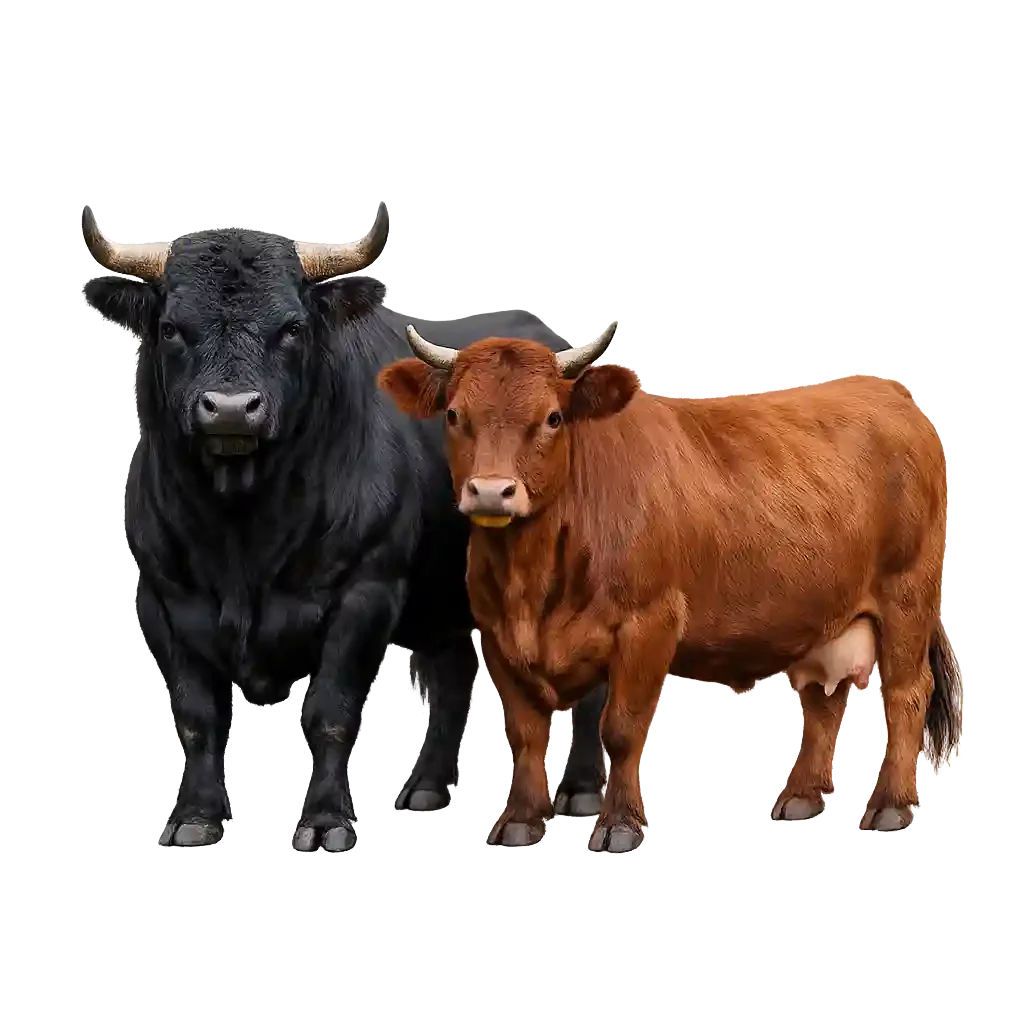
Overview
Dexter cattle are the smallest European cattle breed, originating from southwestern Ireland in the 1800s. These compact, dual-purpose cattle are increasingly popular among small-scale farmers, homesteaders, and sustainable agriculture enthusiasts. Standing just 36-44 inches at the shoulder, Dexters require only one-third to one-half the land and feed of standard cattle while producing high-quality beef and rich milk. Their manageable size, gentle temperament, efficiency, and versatility make them ideal for small farms where space and resources are limited but quality is not compromised.
Origin & History
Origin: Southwestern Ireland (Counties Kerry and Cork)
Development Period: Developed in 1800s from small mountain cattle
Name Origin: Named after Mr. Dexter, agent who promoted the breed
Original Use: Dual-purpose for milk and beef on small Irish farms
U.S. Introduction: First imported to United States in 1912
Recognition: American Dexter Cattle Association formed 1957
Modern Status: Increasingly popular for homesteads and small farms
Global Presence: Now raised in North America, Europe, Australia, and New Zealand
Physical Characteristics
Color: Black (most common), red, or dun
Build: Compact, well-muscled, proportionate body
Weight: Bulls 900-1,200 lbs; Cows 600-900 lbs
Height: Bulls 38-44 inches at shoulder; Cows 36-42 inches
Distinctive Features:
Smallest European cattle breed
Short legs with good bone structure
Deep body with well-sprung ribs
Compact, muscular build despite small stature
Both horned and polled varieties available
Short, smooth coat
Alert, intelligent expression
Proportionate despite small size - miniature, not dwarf
Reproduction & Breeding
Gestation Period: Approximately 278-283 days
Breeding Age: Heifers bred at 18-24 months
Calving: Excellent calving ease with minimal assistance
Calf Birth Weight: 40-60 lbs (very manageable)
Calving Interval: 365 days achievable
Fertility: Very good fertility and reproductive efficiency
Breeding Season: Year-round breeding capability
Sexual Maturity: Bulls mature at 12-15 months
Lifespan & Productivity
Average Lifespan: 15-20 years
Productive Life: Cows typically produce 12-15+ calves in lifetime
Prime Production Years: 3-14 years of age
Longevity: Exceptional longevity for their size
Stayability: Cows remain productive well into teens
Milk Production
Purpose: True dual-purpose - both milk and beef
Daily Production: 1.5-3 gallons per day (6-12 quarts)
Annual Production: 4,000-7,000 lbs per lactation
Lactation Period: 9-10 months
Butterfat Content: 4.0-5.0% (rich, creamy milk)
Protein Content: 3.5-4.0%
Milk Quality: Excellent for home dairy use, cheese, butter
Family Cow: Ideal amount for family consumption
Calf Growth & Development
Weaning Weight: 300-450 lbs at 6-8 months
Daily Gain: 1.5-2.2 lbs per day on good feed
Market Weight: 700-900 lbs at 18-24 months
Feed Efficiency: Excellent efficiency relative to size
Carcass Weight: 300-500 lbs hanging weight
Vigor: Calves are hardy and thrive easily
Temperament
Dexter cattle are renowned for their exceptionally gentle, docile temperament. They are calm, friendly, and easily handled, making them perfect for families, children, and beginning cattle owners. Dexters are intelligent and curious, often approaching people with interest rather than fear. Their manageable size combined with gentle nature creates truly user-friendly cattle.
The breed demonstrates excellent maternal instincts without excessive protectiveness. Cows are attentive mothers but allow human interaction with calves readily. Bulls are generally calm and manageable, far less aggressive than larger breed bulls, though all bulls require proper respect. Dexters' docility, combined with their small size, makes them safe and enjoyable cattle to work with on small farms and homesteads.
Meat Quality
Marbling: Excellent marbling for small breed
Flavor: Outstanding beef flavor, rich and well-developed
Tenderness: Very tender meat
Grading: Typically grades Choice when properly finished
Dressing Percentage: 55-60%
Carcass Size: 300-500 lbs - perfect for family consumption or direct sales
Market Appeal: Premium prices for quality small-farm beef
Grass-Fed Quality: Excellent quality on grass-only diets
Feeding & Nutrition
Grazing: Excellent grazers, highly efficient on pasture
Feed Requirements: 1/3 to 1/2 the feed of standard cattle
Acreage Needs: Can be raised on as little as 1/2 acre with supplemental feeding
Water: 5-10 gallons per day (minimal)
Mineral Needs: Standard cattle mineral program
Finishing: Finish well on grass or minimal grain
Forage Utilization: Efficient browsers, will eat weeds and brush
Health & Care
Hardiness: Very hardy and disease-resistant
Common Issues: Generally very healthy; minimal health problems
Vaccinations: Standard cattle vaccination protocols
Parasite Control: Standard cattle parasite management
Hoof Care: Minimal trimming needed; naturally sound feet
Climate Adaptation: Adapt well to various climates
Heat Tolerance: Good heat tolerance for small breed
Cold Tolerance: Excellent cold hardiness from Irish heritage
Small Farm Suitability
Space Efficiency: Require 1/3 to 1/2 the space of standard cattle
Minimum Acreage: Can thrive on 1/2 to 2 acres per animal
Fence Requirements: Standard cattle fencing adequate
Handling Ease: Small size makes handling and restraint easier
Equipment: No special equipment needed; standard cattle facilities work
Family Friendly: Safe size for children and beginners
Multi-Purpose: Provide both milk and beef from same animal
Advantages
Smallest European breed - ideal for small acreages
Require only 1/3 to 1/2 the feed and land of standard cattle
True dual-purpose - excellent milk and beef from same animal
Exceptionally gentle and easy to handle
Perfect carcass size for family use (300-500 lbs)
Rich, high-quality milk ideal for family dairy needs
Easy calving with small birth weights
Excellent longevity and reproductive life
Hardy and disease-resistant
Efficient grazers on minimal acreage
Premium prices in direct-to-consumer markets
Low maintenance and input costs
Disadvantages
Small carcass size provides less total beef per animal
Lower total milk production than dairy breeds
Higher initial purchase cost than commercial cattle
Chondrodysplasia: Genetic dwarfism issue in some bloodlines - buyers must screen
Limited availability in some regions
Not suitable for large-scale commercial operations
Slower growth rate than larger breeds
Best Suited For
Small farms and homesteads (1-10 acres)
Families wanting both milk and beef
Beginning cattle owners
Direct-to-consumer beef and dairy sales
Sustainable and organic agriculture
Hobby farms and lifestyle properties
Farms with limited acreage
Operations wanting low-input cattle
Family milk cow needs (1-3 gallons daily)
Farms with children learning animal husbandry
Economic Considerations
Initial Cost: $1,500-$3,000 per animal (higher than commercial)
Return on Investment: Excellent for small farms due to efficiency
Feed Costs: 1/3 to 1/2 of standard cattle - major savings
Land Costs: Minimal acreage needed reduces land requirements
Market Demand: Strong demand for small-farm beef and breeding stock
Premium Pricing: Commands premium for quality, humanely-raised beef
Dual Income: Can sell both milk products and beef
Longevity Value: Extended productive life maximizes investment
Dual-Purpose Benefits
Milk and Meat: One animal provides both products
Family Milk: Perfect amount for household needs without excess
Beef Production: Steers provide excellent small beef carcasses
Value-Added: Can make cheese, butter, yogurt from milk
Efficiency: Maximum production from minimal inputs
Flexibility: Choose to milk or raise beef based on needs
Fun Facts
Dexter cattle can thrive on as little as 1/2 acre with supplemental feeding
They are the smallest European cattle breed, standing barely 3 feet tall
A single Dexter can provide all the milk and beef needs for a small family
Despite their size, Dexters produce surprisingly large amounts of milk (up to 3 gallons daily)
The breed nearly went extinct in the 1970s but has made a strong comeback
Dexter beef has a better meat-to-bone ratio than larger breeds
They require standard cattle facilities - no special small-animal equipment needed
Dexters come in three colors: black (most common), red, and dun
A 300-500 lb Dexter carcass is perfect size for a family freezer
They are often called the "perfect homestead cow"
Dexters can be shown, milked, or raised for beef - truly versatile
Their small size makes them easier to transport than standard cattle
Small in size but big on flavor, discover how to get the most out of these smaller primal beef cuts