
Galloway
Overview
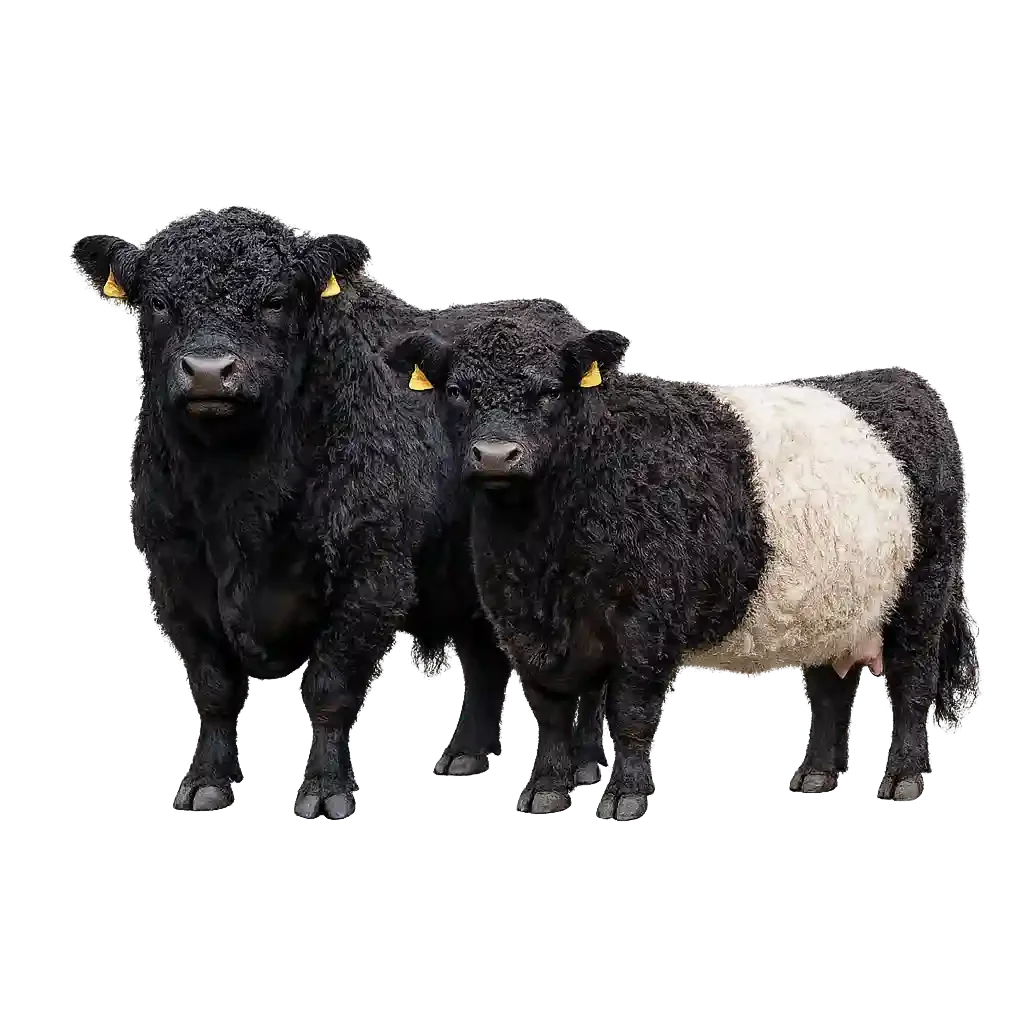
Galloway cattle are an ancient Scottish heritage breed renowned for their exceptional cold hardiness, distinctive long shaggy coats, and ability to thrive in harsh conditions. Originating from the rugged Galloway region of southwestern Scotland, these naturally hornless cattle have been shaped by centuries of surviving in one of Europe's most challenging climates. Galloways are the solid-colored cousins of the famous Belted Galloway, sharing the same remarkable hardiness and superior beef quality. Their double coat, efficient foraging ability, and premium grass-fed beef make them increasingly popular for sustainable, pasture-based operations, particularly in cold climates and on marginal land.
Origin & History
Origin: Galloway region, southwestern Scotland
Development Period: Ancient breed, documented since 1500s
Heritage: One of Scotland's oldest cattle breeds
Original Environment: Rugged, cold, wet Scottish highlands
U.S. Introduction: First imported in 1800s
Recognition: Galloway Cattle Society of America formed 1882
Related Breeds: Belted Galloway (same breed, different color pattern)
Global Presence: Raised in cold climates worldwide
Physical Characteristics
Color: Black (most common), red, dun, or white
Build: Medium frame, compact and well-muscled
Weight: Bulls 1,700-2,300 lbs; Cows 1,000-1,500 lbs
Height: Bulls 4.5-5 feet at shoulder; Cows 4-4.5 feet
Distinctive Features:
Long, shaggy double coat (up to 6 inches long in winter)
Naturally polled (no horns)
Thick, wavy hair covering entire body
Dense undercoat for insulation
Compact, low-set body structure
Well-muscled throughout despite hair coverage
Alert expression with bright eyes
Short legs relative to body depth
Reproduction & Breeding
Gestation Period: Approximately 283-285 days
Breeding Age: Heifers bred at 15-18 months
Calving: Excellent calving ease, minimal assistance needed
Calf Birth Weight: 65-85 lbs (moderate and manageable)
Calving Interval: 365 days achievable
Fertility: Excellent fertility even in harsh conditions
Breeding Season: Year-round capability; breed successfully in cold weather
Sexual Maturity: Bulls mature at 12-15 months
Lifespan & Productivity
Average Lifespan: 15-20 years
Productive Life: Cows typically produce 12-16 calves in lifetime
Prime Production Years: 3-14 years of age
Longevity: Exceptional longevity and durability
Stayability: Cows remain productive into late teens
Milk Production
Purpose: Beef breed - milk primarily for calf rearing
Daily Production: 10-15 lbs per day (adequate for calf growth)
Lactation Period: 8-10 months
Maternal Ability: Excellent mothers with good milk production
Milk Quality: Rich milk supporting strong calf growth
Milking Ability: Good udder quality and milk letdown
Calf Growth & Development
Weaning Weight: 500-650 lbs at 205 days
Daily Gain: 2.0-2.8 lbs per day on grass
Market Weight: 1,000-1,300 lbs at 18-24 months
Feed Efficiency: Excellent efficiency on forage-based diets
Cold Weather Growth: Continue gaining in winter conditions
Vigor: Calves are extremely hardy from birth
Temperament
Galloway cattle are generally calm and docile, making them suitable for family farms and less experienced handlers. They are intelligent and develop strong bonds with regular caretakers. While naturally wary in unfamiliar situations, Galloways handled consistently from a young age become gentle and manageable. Their calm demeanor combined with their naturally polled characteristic makes them safer to handle than horned breeds.
Galloway cows demonstrate excellent maternal instincts with appropriate protectiveness toward calves. They are attentive mothers without being overly aggressive. Bulls are typically manageable with proper facilities and respect, generally calmer than many beef breed bulls. The breed's gentle nature, combined with their hardiness, makes them ideal for operations in remote or challenging locations where calm, self-sufficient cattle are essential.
Meat Quality
Marbling: Excellent marbling throughout muscle
Flavor: Outstanding beef flavor, rich and distinctive
Tenderness: Very tender, ranks among top grass-fed breeds
Grading: Typically grades Choice on grass-fed programs
Dressing Percentage: 60-64% (good for shaggy-coated breed)
Grass-Fed Quality: Exceptional - finish beautifully on grass alone
Market Appeal: Premium prices for grass-fed and organic markets
Lean to Fat Ratio: Optimal balance of lean meat to healthy fats
Feeding & Nutrition
Grazing: Superior grazers, excel on rough pasture
Feed Requirements: Lower feed needs due to efficiency
Winter Feeding: Require less supplemental feed than other breeds in cold
Water: 10-15 gallons per day
Mineral Needs: Standard beef cattle mineral program
Browse: Excellent browsers on brush, weeds, and rough forage
Forage Quality: Thrive on marginal pasture other breeds reject
Health & Care
Hardiness: Exceptionally hardy and disease-resistant
Common Issues: Very few health problems; one of healthiest breeds
Vaccinations: Standard cattle vaccination protocols
Parasite Control: Good natural resistance; standard management
Hoof Care: Excellent hoof quality, minimal trimming needed
Climate Adaptation: Exceptional cold hardiness; tolerate heat moderately well
Winter Hardiness: Thrive in -40°F without shelter
Shed Requirements: Minimal shelter needed even in severe cold
Cold Hardiness and Adaptations
Double Coat: Long outer coat plus dense undercoat for insulation
Temperature Tolerance: Thrive in temperatures to -40°F
Winter Hair: Coat grows up to 6 inches long in winter
Natural Insulation: Superior to other breeds, reduces feed needs
Shelter Needs: Require minimal shelter even in severe winters
Summer Adaptation: Shed heavy coat in spring, tolerate moderate heat
Weather Resistance: Coat naturally sheds water and snow
Energy Efficiency: Use less energy for body temperature regulation
Advantages
Exceptional cold hardiness - thrive in harsh winter conditions
Superior grass-fed beef quality with excellent marbling
Naturally polled (no horns) eliminating dehorning
Excellent foraging ability on marginal and rough land
Minimal shelter requirements even in severe cold
Outstanding maternal abilities and easy calving
Long productive life and excellent longevity
Gentle, docile temperament
Lower feed costs due to efficiency
Premium prices in grass-fed and organic markets
Finish well on grass without grain
Hardy calves with excellent survival rates
Disadvantages
Long shaggy coat can make condition assessment difficult
May overheat in extremely hot, humid climates
Moderate frame size means smaller carcasses than Continental breeds
Slower growth rate than larger, faster-growing breeds
Limited availability in some regions
Take longer to finish than grain-fed cattle
Coat requires extra time to dry after rain in processing
Best Suited For
Cold, harsh climates with severe winters
Mountainous or rough terrain operations
Grass-fed and organic beef programs
Marginal or rough pasture land
Conservation grazing operations
Sustainable and regenerative agriculture
Operations minimizing winter feeding costs
Heritage breed and rare livestock preservation
Direct-to-consumer premium beef markets
Remote locations with minimal facilities
Economic Considerations
Initial Cost: Moderate to high for quality breeding stock
Return on Investment: Excellent due to longevity and low input costs
Feed Savings: Significant savings on winter feed due to efficiency
Shelter Costs: Minimal - reduces infrastructure investment
Market Demand: Strong demand for grass-fed Galloway beef
Premium Pricing: Commands premium for quality grass-fed beef
Veterinary Costs: Lower than average due to hardiness
Longevity Value: Extended productive life maximizes cow investment
Conservation Grazing
Brush Control: Excellent for clearing overgrown pastures
Marginal Land: Thrive where other cattle struggle
Pasture Improvement: Selective grazing improves forage quality
Weed Management: Consume many weeds other cattle avoid
Rough Terrain: Navigate and graze steep, rocky ground
Environmental Benefits: Low-impact grazing ideal for conservation
Fun Facts
Galloway cattle can withstand temperatures as low as -40°F without shelter
Their double coat grows up to 6 inches long in winter and sheds in spring
The breed has been shaped by over 400 years in Scotland's harsh climate
Galloways require 15-20% less winter feed than other breeds due to their insulation
The long coat makes them appear larger than they actually are
Galloway beef is prized for grass-fed programs, finishing to Choice on pasture alone
They are solid-colored cousins of the famous Belted Galloway
The breed comes in black, red, dun, and white color variations
Galloways were historically called "The Breed for the North"
Their naturally polled genetics are dominant, breeding true in crosses
The shaggy coat naturally sheds water and snow, keeping cattle dry
Galloway cattle can successfully graze year-round in many northern climates
Renowned for its fine-grained meat, learn how to select the best portions in our Complete Guide to Beef Cuts.