
Guernsey
Overview
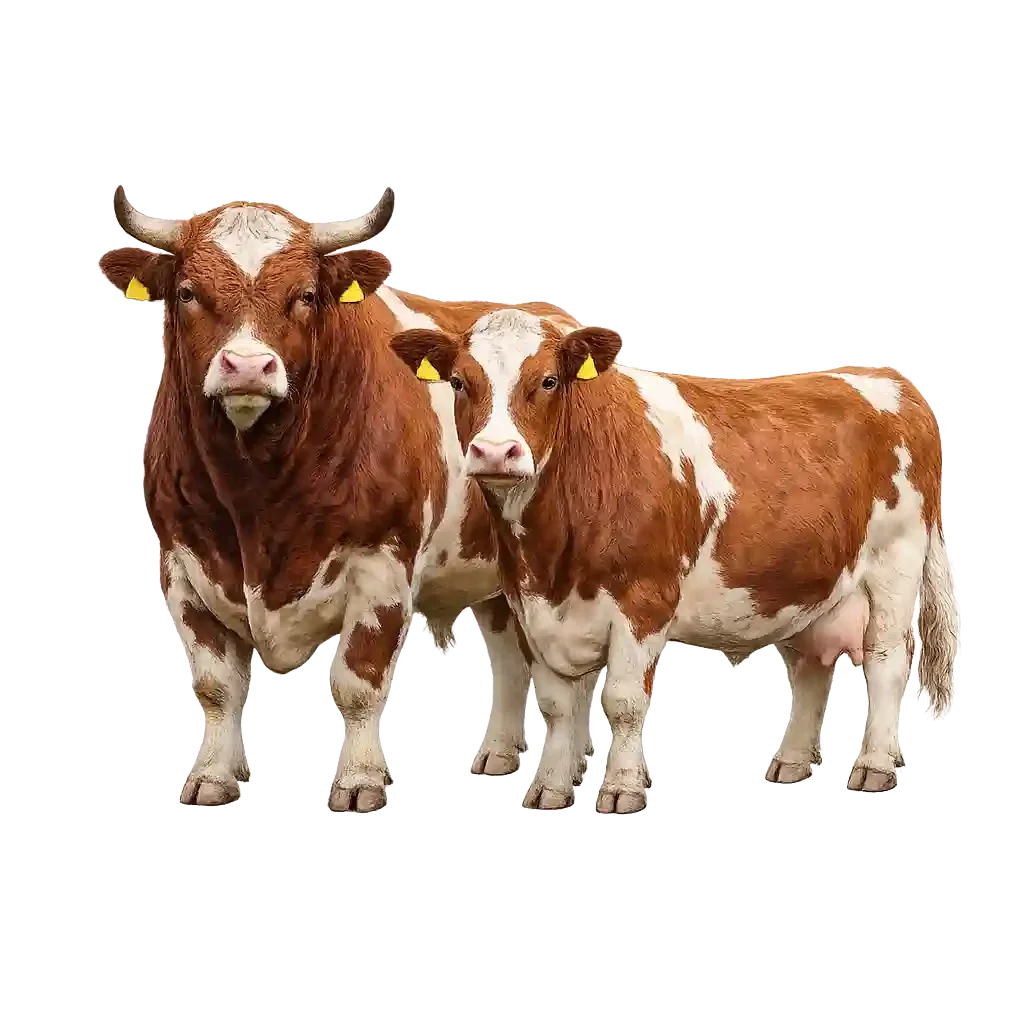
Guernsey cattle are a distinctive dairy breed from the Isle of Guernsey in the English Channel, renowned for producing rich, golden-colored milk with exceptional butterfat and protein content. Often called "The Golden Guernsey" for their fawn and white coloring and golden milk, these medium-sized cattle are prized for milk quality, grazing efficiency, and gentle temperament. Guernseys produce milk ideal for butter, cheese, and premium dairy products, with naturally high beta-carotene giving the milk its characteristic golden hue. Their moderate size, excellent feed efficiency, and calm disposition make them increasingly popular for grass-based dairies, organic operations, and family farms.
Origin & History
Origin: Isle of Guernsey, Channel Islands (between England and France)
Development Period: Developed over 1,000 years on the island
Foundation Breeds: Norman and Breton cattle from France
Island Isolation: Importation banned since 1789, creating pure genetics
U.S. Introduction: First imported in 1840
Recognition: American Guernsey Association formed 1877
Historical Significance: Once third most popular dairy breed in U.S.
Modern Status: Gaining popularity in grass-based and organic dairies
Physical Characteristics
Color: Fawn (golden tan) and white; fawn ranges from light to dark
Build: Medium-framed with refined dairy character
Weight: Bulls 1,700-2,000 lbs; Cows 1,000-1,200 lbs
Height: Bulls 5-5.5 feet at shoulder; Cows 4.5-5 feet
Distinctive Features:
Beautiful golden fawn and white coloring
Flesh-colored (pink) muzzle and nose
Golden or amber skin pigmentation
Refined, feminine dairy appearance in cows
Well-attached, balanced udders
Alert, gentle expression
Medium bone structure
Straight, strong topline
Reproduction & Breeding
Gestation Period: Approximately 283 days
Breeding Age: Heifers bred at 13-15 months
Calving: Good calving ease with minimal assistance
Calf Birth Weight: 70-90 lbs
Calving Interval: 12-13 months optimal
Fertility: Excellent fertility and heat detection
Breeding Season: Year-round breeding capability
Sexual Maturity: Bulls mature at 12-15 months
Lifespan & Productivity
Average Lifespan: 12-16 years
Productive Life: Cows often produce 6-10+ lactations
Prime Production Years: 3rd-7th lactations
Longevity: Good longevity with proper management
Durability: Maintain production across multiple lactations
Milk Production
Purpose: Dairy breed specializing in high-component milk
Daily Production: 50-70 lbs per day at peak (mature cows)
Annual Production: 14,000-18,000 lbs per lactation (305 days)
Lactation Period: 305 days standard; many milk longer
Butterfat Content: 4.5-5.5% (exceptionally high)
Protein Content: 3.5-4.0% (excellent)
Milk Color: Rich golden color from high beta-carotene
Butter Production: Superior - produces golden butter naturally
Cheese Yield: Excellent cheese production per pound of milk
A2 Genetics: Many Guernseys carry A2/A2 beta-casein genetics
Calf Growth & Development
Weaning Weight: 450-550 lbs at 6-8 months
Daily Gain: 1.8-2.4 lbs per day on good nutrition
Market Weight: Steers 900-1,200 lbs at 14-18 months
Feed Efficiency: Good efficiency on quality feed
Vigor: Calves are hardy and vigorous
Beef Potential: Moderate beef quality for dairy breed
Temperament
Guernsey cattle are famous for their gentle, docile temperament, ranking among the calmest dairy breeds. They are friendly, patient, and easy to handle, making them ideal for family farms and beginning dairy farmers. Guernseys are calm during milking procedures and cooperative with routine handling. Their quiet nature makes them suitable for operations where multiple people work with cattle or where children are involved.
The breed demonstrates good maternal instincts with calm, attentive mothering. Cows readily accept human interaction and are protective without being aggressive. Bulls are generally manageable and calmer than many dairy breed bulls, though all bulls require proper respect. Guernsey cattle's gentle disposition, combined with their medium size, makes them less intimidating and easier to manage than larger dairy breeds.
Meat Quality
Marbling: Moderate for dairy breed
Flavor: Good beef flavor, mild and pleasant
Tenderness: Tender when properly finished
Grading: Typically grades Select
Dressing Percentage: 52-58%
Cull Value: Moderate value as dairy cull cows
Veal Production: Bull calves sometimes raised for veal
Feeding & Nutrition
Grazing: Excellent grazers, very efficient on pasture
Feed Requirements: 3-4% of body weight daily in dry matter
Concentrate Needs: Moderate grain needs for production level
Water: 25-40 gallons per day for lactating cows
Mineral Needs: Balanced dairy mineral program
Pasture Performance: Excel in grass-based dairy systems
Feed Efficiency: Very efficient converters of forage to milk components
Health & Care
Hardiness: Hardy and adaptable
Common Issues: Generally healthy; fewer metabolic issues than high-production breeds
Vaccinations: Standard dairy cattle vaccination protocols
Parasite Control: Standard dairy parasite management
Hoof Care: Good hoof quality; regular trimming needed
Climate Adaptation: Adapt to various climates
Heat Tolerance: Moderate; lighter color helps in hot climates
Cold Tolerance: Good cold hardiness
Udder Health: Good udder health with proper management
Milk Quality and Components
Golden Color: High beta-carotene creates natural golden color
Butterfat: 4.5-5.5% - among highest of major dairy breeds
Protein: 3.5-4.0% - excellent for cheese production
Total Solids: High total solids increase value
Butter Production: Produces naturally golden butter without coloring
Cheese Yield: Higher cheese yield per pound than lower-component milk
A2 Milk: Many carry A2/A2 genetics desirable for specialty markets
Beta-Carotene: High levels provide health benefits and golden color
Advantages
Exceptionally high butterfat content (4.5-5.5%)
Golden-colored milk highly valued for butter and premium products
Gentle, docile temperament ideal for family farms
Medium size reduces facility and feed costs
Excellent grazing efficiency for pasture-based dairies
Good longevity and reproductive efficiency
High milk component premiums increase income
Many carry desirable A2/A2 genetics
Lower feed requirements than larger breeds
Hardy and adaptable to various climates
Ideal for small to medium-sized dairy operations
Beautiful appearance attracts customers in direct-sales operations
Disadvantages
Lower total milk volume than Holstein
Limited availability compared to Holstein in some regions
Light-colored cattle may be more susceptible to sunburn
Smaller carcass value for cull cows than beef breeds
May not suit operations optimizing for volume alone
Pink noses may be more sensitive to sun exposure
Best Suited For
Component-based dairy pricing systems
Grass-based and organic dairy farms
Small to medium family dairies
Direct-to-consumer dairy sales (milk, butter, cheese)
Operations producing specialty dairy products
Grazing dairies emphasizing efficiency
A2 milk production programs
Beginning dairy farmers wanting gentle cattle
Educational and demonstration farms
Artisan cheese and butter production
Economic Considerations
Initial Cost: Moderate for quality breeding stock
Return on Investment: Excellent with component pricing
Market Demand: Strong demand for high-butterfat milk
Component Premiums: High butterfat significantly increases milk value
Maintenance Costs: Lower than large-frame breeds
Feed Efficiency: Excellent efficiency reduces feed costs
Premium Products: Golden butter and A2 milk command premium prices
Niche Markets: Strong position in specialty dairy markets
Grass-Based Dairy Suitability
Grazing Efficiency: Excellent foragers on quality pasture
Pasture-Based Production: Maintain good components on grass
Moderate Size: Optimal for rotational grazing systems
Seasonal Dairying: Work well in seasonal production
Organic Systems: Well-suited to organic certification requirements
Low-Input Systems: Thrive with minimal grain supplementation
Fun Facts
Guernsey milk is naturally golden-colored due to high beta-carotene content
The breed has been pure since 1789 when importation to the island was banned
Guernsey butter is naturally golden without artificial coloring
The Isle of Guernsey is only 24 square miles, yet developed this world-famous breed
Guernseys were called "The Golden Guernsey" for their color and golden milk
One pound of Guernsey milk produces more butter than a pound of Holstein milk
Many Guernseys carry A2/A2 genetics sought after for specialty milk markets
The breed was extremely popular in the U.S. until the 1960s
Guernsey milk naturally contains higher levels of omega-3 fatty acids
The golden color comes from converting beta-carotene differently than other breeds
Guernseys were historically used by premium dairies and butter producers
The breed is experiencing a renaissance with grass-based and artisan dairies
Known for rich milk, its beef is equally rich in flavor-check out our Complete Guide to Beef Cuts to learn more.