
Miniature Jersey
Overview
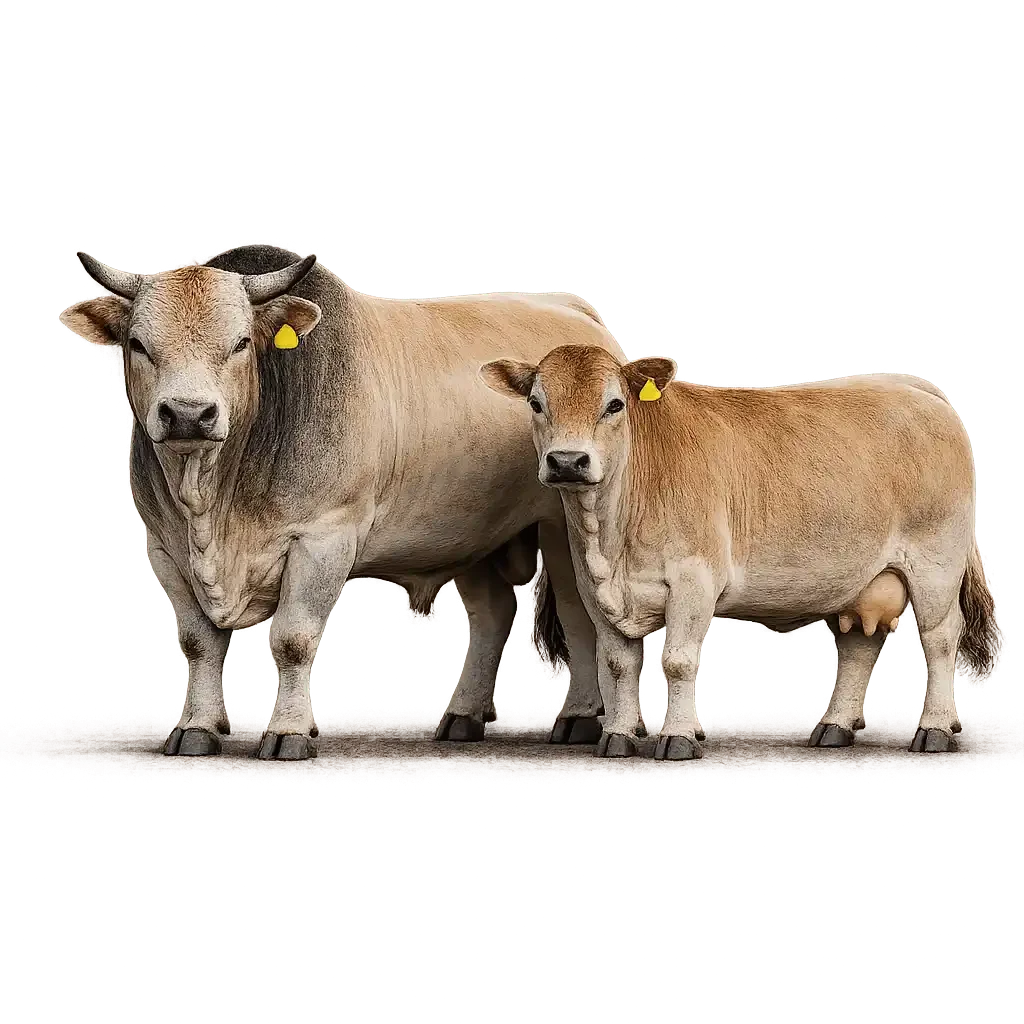
Miniature Jersey cattle are compact dairy cattle standing 36-42 inches at the shoulder, developed through selective breeding of the smallest standard Jersey cattle. These diminutive cows retain all the exceptional milk quality that made Jersey cattle famous - rich, creamy milk with the highest butterfat and protein content of major dairy breeds - while requiring only a fraction of the land and feed. Miniature Jerseys are true purebred Jerseys, not crossbreds or dwarf cattle, but rather carefully selected lines bred for reduced size over multiple generations. Their small stature, gentle disposition, manageable milk production for family use, and efficiency make them the ideal family milk cow and increasingly popular for small homesteads, hobby farms, and anyone wanting fresh dairy products without the commitment of full-size cattle. Note: If you have more pasture available and are looking for higher daily milk volume, compare these traits with the Standard Jersey Cow.
Origin & History
Origin: United States and other countries, from standard Jersey cattle
Development Period: Selective breeding intensified in 1980s-1990s
Foundation Stock: Smallest standard Jersey cattle selectively bred
Selection Method: Multi-generational breeding for reduced size
Goal: Create family-sized dairy cows with Jersey quality
Recognition: Various miniature cattle registries recognize them
Modern Development: Growing popularity for homestead dairy
Status: Established as size variation of Jersey breed
Physical Characteristics
Color: Light fawn to dark brown, often with white markings
Build: Compact, refined dairy character
Weight: Bulls 600-900 lbs; Cows 500-700 lbs
Height: Bulls 38-42 inches at shoulder; Cows 36-40 inches
Distinctive Features:
Beautiful fawn to brown coloring
Large, expressive eyes with dark eyelashes
Black nose and switch (tail tip)
Refined, feminine dairy appearance
Compact size - about 2/3 height of standard Jersey
Well-attached, proportionate udders
Dished face and refined head
Properly proportioned - not dwarf cattle
Reproduction & Breeding
Gestation Period: Approximately 279-280 days
Breeding Age: Heifers bred at 15-18 months
Calving: Excellent calving ease with minimal assistance
Calf Birth Weight: 35-55 lbs (very manageable)
Calving Interval: 12-13 months optimal
Fertility: Very good fertility and heat detection
Breeding Season: Year-round breeding capability
Sexual Maturity: Bulls mature at 10-12 months
Lifespan & Productivity
Average Lifespan: 12-18 years
Productive Life: Cows often produce 8-12+ lactations
Prime Production Years: 3rd-7th lactations
Longevity: Excellent longevity for their size
Stayability: Maintain production well into teens
Milk Production
Purpose: Dairy cattle - ideal family milk cow
Daily Production: 1.5-3 gallons per day (6-12 quarts)
Annual Production: 3,000-6,000 lbs per lactation
Lactation Period: 10 months typical for family milking
Butterfat Content: 5.0-6.0% (exceptionally high)
Protein Content: 3.8-4.2% (very high)
Milk Color: Rich golden-yellow color from beta-carotene
Cream Production: Superior cream production for butter
Family Use: Perfect amount for household consumption
Calf Growth & Development
Weaning Weight: 250-350 lbs at 6-8 months
Daily Gain: 1.2-1.8 lbs per day on good nutrition
Market Weight: Steers 500-700 lbs at 18-24 months
Feed Efficiency: Excellent efficiency on quality feed
Vigor: Calves are hardy and thrive easily
Beef Potential: Moderate beef quality for dairy breed
Temperament
Miniature Jersey cattle inherit the gentle, intelligent temperament that makes standard Jerseys beloved family cows. They are exceptionally docile, friendly, and affectionate, often seeking human interaction and attention. Their calm, patient nature combined with their small size makes them ideal for families, children, and first-time dairy cattle owners.
Miniature Jersey cows are cooperative during milking and handling, making them perfect for hand milking operations. They bond closely with their caretakers and respond well to consistent, gentle handling. Bulls are notably calm and manageable compared to larger dairy breed bulls, though all bulls require proper respect. The breed's sweet disposition, combined with their beautiful appearance and manageable size, makes them truly enjoyable animals to work with on small farms and homesteads.
Meat Quality
Marbling: Moderate for dairy breed
Flavor: Good beef flavor, mild and pleasant
Tenderness: Tender when properly finished
Grading: Typically grades Select
Dressing Percentage: 50-55%
Carcass Size: 250-350 lbs hanging weight
Dual Value: Provides both dairy and beef for homestead
Feeding & Nutrition
Grazing: Excellent grazers, highly efficient on pasture
Feed Requirements: 1-2% of body weight daily in quality hay
Concentrate Needs: Minimal - 2-4 lbs grain per gallon of milk
Water: 8-15 gallons per day when lactating
Mineral Needs: Standard dairy mineral program
Acreage Needs: Can thrive on 1/2 to 1 acre with supplemental feeding
Efficiency: Exceptional feed-to-milk conversion
Health & Care
Hardiness: Hardy and disease-resistant
Common Issues: Generally healthy; standard dairy health practices apply
Vaccinations: Standard cattle vaccination protocols
Parasite Control: Standard cattle parasite management
Hoof Care: Regular trimming every 6-12 months
Climate Adaptation: Adapt well to various climates
Heat Tolerance: Good heat tolerance for dairy cattle
Cold Tolerance: Good cold hardiness with shelter
Family Milk Cow Benefits
Perfect Size: 1.5-3 gallons daily ideal for family consumption
Rich Milk: Highest butterfat of any breed - cream rises beautifully
Golden Cream: Makes naturally golden butter and cream
Manageable: Small size makes milking and handling easy
Hand Milking: Perfect size and temperament for hand milking
Low Input: Require minimal feed compared to standard dairy cows
Space Efficient: Can be kept on very limited acreage
Child Safe: Gentle size safe around children
Advantages
Exceptionally high butterfat content (5-6%) - richest milk available
Perfect milk quantity for family consumption
Require minimal land (1/2 to 1 acre per animal)
Need only 1/3 the feed of standard dairy cows
Extremely gentle and easy to handle
Excellent calving ease with tiny calves
Beautiful golden-yellow milk ideal for butter and cheese
Perfect for hand milking operations
Safe size for families with children
Lower infrastructure and equipment costs
Can be kept in suburban settings where zoning allows
Provide fresh dairy without commercial cow commitment
Disadvantages
Higher initial purchase cost than commercial cattle
Lower total milk volume than standard dairy cows
Limited availability compared to standard cattle
Not suitable for commercial dairy operations
Require twice-daily milking commitment
May produce more milk than very small families need
Small carcass if raised for beef
Best Suited For
Homesteads wanting family milk cow
Small farms and limited acreages
Families wanting fresh dairy products
Beginning dairy cattle owners
Hand milking operations
Hobby farms and lifestyle properties
Farms with children learning animal care
Sustainable and organic homesteading
Suburban farms where size restrictions apply
Anyone wanting premium dairy on small scale
Economic Considerations
Initial Cost: $2,500-$5,000+ per animal
Return on Investment: Excellent savings on dairy products
Feed Costs: $50-100 per month - very economical
Land Costs: Minimal acreage needed
Dairy Savings: Save $200-400 monthly on dairy products
Value-Added: Make butter, cheese, yogurt, ice cream at home
Infrastructure: Minimal facilities needed
Veterinary Costs: Lower than full-size cattle
Milking and Dairy Products
Milking Ease: Perfect size for hand or machine milking
Milking Time: 10-15 minutes twice daily
Cream Production: 1-2 inches of cream rises naturally
Butter: Makes beautiful golden butter easily
Cheese: Excellent for all cheese varieties
Yogurt: Rich, creamy yogurt
Ice Cream: Premium quality homemade ice cream
A2 Genetics: Many carry desirable A2/A2 milk genes
Fun Facts
Miniature Jersey milk has the highest butterfat of any cattle breed
They produce the perfect amount of milk for a family - not too much, not too little
Their milk makes naturally golden butter without coloring
A Mini Jersey can thrive on just 1/2 to 1 acre with supplemental feeding
They require only about 1/3 the feed of a standard dairy cow
Miniature Jerseys are true purebred Jerseys, just smaller
They are NOT dwarf cattle - they are properly proportioned miniatures
Their gentle nature makes them safe around children
The cream in Jersey milk rises beautifully for easy separation
Many Miniature Jerseys carry A2/A2 genetics sought for specialty milk
They are often called "the ideal homestead cow"
Their large eyes and sweet faces make them incredibly photogenic
Great for small farms, with meat that rivals the best boutiques; check our beef cuts guide for details.