
Miniature Zebu
Overview
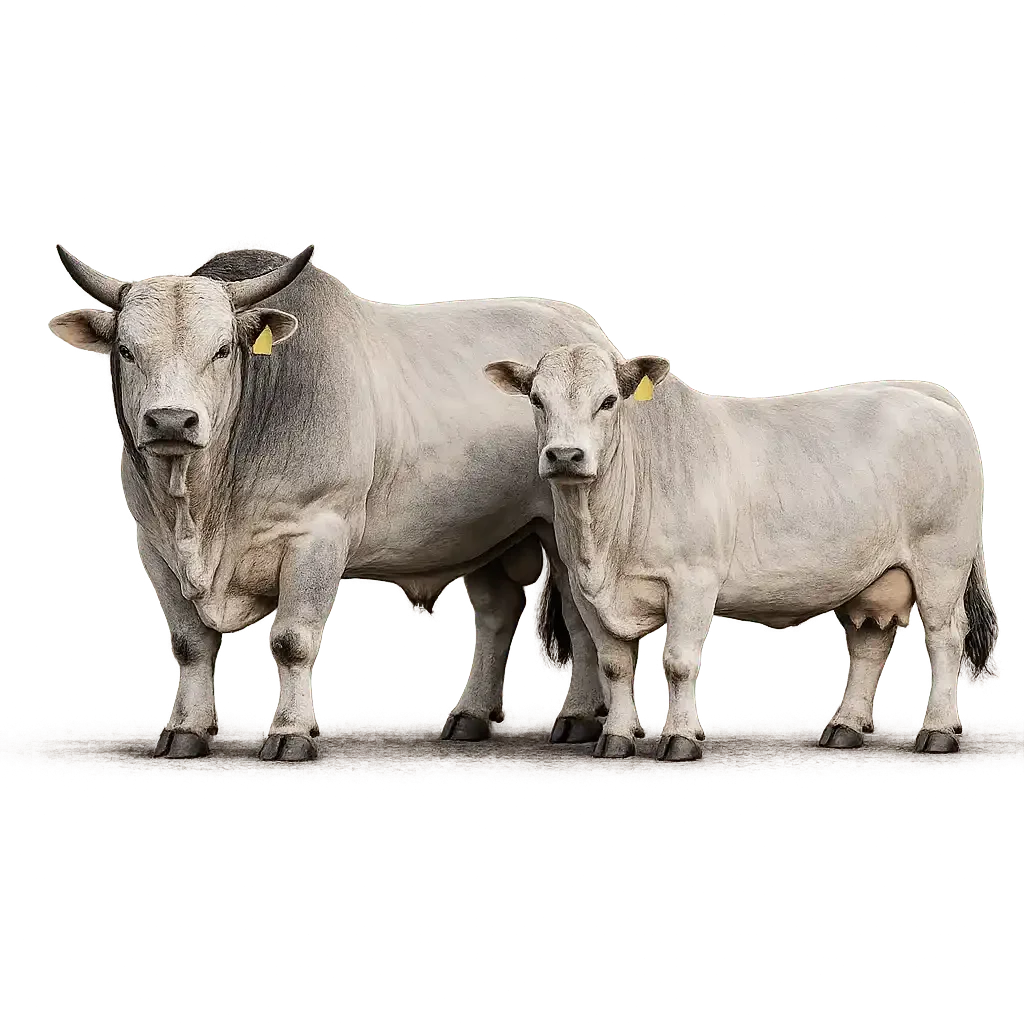
Miniature Zebu cattle are the smallest breed of cattle in the world, standing just 24-42 inches at the shoulder when fully mature. These diminutive cattle originated from India and were developed in the United States through selective breeding of the smallest imported Zebu cattle. Instantly recognizable by their characteristic hump, large ears, and gentle disposition, Miniature Zebus are increasingly popular as pets, companion animals, and ornamental livestock. While they produce modest amounts of milk and meat, their primary value lies in their manageable size, gentle nature, and unique appearance. Miniature Zebus are ideal for very small properties, families wanting livestock experience, and anyone seeking an unusual, personable animal that requires minimal space and resources.
Note: While these miniatures are perfect for hobby farms, their genetics were used to create their 2,000-pound cousins, the American Brahman. Both breeds belong to the Zebu family of cattle, sharing the signature hump and incredible heat tolerance.
Origin & History
Origin: Developed in United States from Indian Zebu imports
Development Period: 1960s-present through selective breeding
Foundation Stock: Smallest Zebu cattle imported from India and Sri Lanka
Key Developer: Intensively developed by American breeders since 1970s
Selection Criteria: Selected for extremely small size and docility
Recognition: International Miniature Zebu Association formed 1991
Modern Status: Established as world's smallest cattle breed
Purpose: Primarily ornamental, pets, and companion animals
Physical Characteristics
Color: Wide variety - black, gray, red, dun, white, spotted, or mixed
Build: Very compact with characteristic Zebu features
Weight: Bulls 400-600 lbs; Cows 300-500 lbs
Height: Bulls 34-42 inches at shoulder; Cows 24-38 inches (mature at 3 years)
Distinctive Features:
World's smallest cattle breed
Prominent hump over shoulders (both sexes)
Large, mobile ears
Loose skin with dewlap under neck
Short, upturned horns (most animals)
Compact, proportionate body
Short legs relative to body
Wide variety of colors and patterns
Reproduction & Breeding
Gestation Period: Approximately 280-285 days
Breeding Age: Heifers bred at 24-30 months (mature slowly)
Calving: Generally easy calving due to small calf size
Calf Birth Weight: 18-35 lbs (very small)
Calving Interval: 12-15 months typical
Fertility: Good fertility when properly managed
Breeding Season: Year-round capability; good heat tolerance
Sexual Maturity: Bulls mature at 18-24 months
Lifespan & Productivity
Average Lifespan: 15-25 years
Productive Life: Cows may produce 8-12+ calves in lifetime
Prime Production Years: 4-14 years of age
Longevity: Exceptional longevity for their size
Maturity: Slow to mature - not fully grown until 3 years
Milk Production
Purpose: Minimal milk production - primarily ornamental cattle
Daily Production: 1-3 quarts per day (very limited)
Lactation Period: 6-8 months
Maternal Ability: Good mothers for their size
Milk Quality: Rich milk adequate for calf rearing
Note: Not practical for family dairy needs due to small volume
Calf Growth & Development
Weaning Weight: 100-200 lbs at 6-8 months
Daily Gain: 0.5-1.0 lbs per day (very slow)
Market Weight: 300-500 lbs at maturity (not typically raised for meat)
Feed Efficiency: Good efficiency on minimal feed
Maturity: Reach full size at 3 years old
Vigor: Calves are hardy despite tiny size
Temperament
Miniature Zebu cattle are renowned for their exceptionally gentle, docile temperament, making them ideal pets and companion animals. They are friendly, curious, and often affectionate with their owners, frequently seeking human interaction. Many Miniature Zebus can be halter-trained and led like dogs, and some even enjoy being brushed and petted. Their calm, patient nature makes them safe around children when properly socialized.
Unlike many cattle breeds, Miniature Zebus are often kept more as pets than livestock. They bond with their owners, recognize individual people, and display distinct personalities. Bulls are notably calm and manageable compared to larger cattle, though all intact males require proper respect. The breed's gentle disposition, combined with their tiny size and unique appearance, makes them delightful companion animals for people wanting livestock on a very small scale.
Meat Quality
Marbling: Moderate marbling
Flavor: Good beef flavor
Tenderness: Tender when properly prepared
Grading: Not commercially graded due to small size
Dressing Percentage: 45-52%
Carcass Size: 150-250 lbs hanging weight
Note: Rarely raised for meat; primarily ornamental value
Feeding & Nutrition
Grazing: Good grazers on minimal acreage
Feed Requirements: 10-20 lbs hay per day (very minimal)
Acreage Needs: Can thrive on 1/4 to 1/2 acre per animal
Water: 5-10 gallons per day
Mineral Needs: Standard cattle mineral program
Grain: Minimal grain needed; can maintain on hay and pasture
Efficiency: Extremely efficient on minimal resources
Health & Care
Hardiness: Very hardy and disease-resistant
Common Issues: Generally healthy; minimal health problems
Vaccinations: Standard cattle vaccination protocols
Parasite Control: Standard cattle parasite management
Hoof Care: Regular trimming needed; small hooves easy to manage
Climate Adaptation: Excellent heat tolerance from Zebu heritage
Heat Tolerance: Superior heat tolerance for hot, humid climates
Cold Tolerance: Moderate; need shelter in severe cold
Pet and Companion Animal Qualities
Size: Small enough to be easily managed by most people
Temperament: Gentle and affectionate like large dogs
Trainability: Can be halter-trained and led
Intelligence: Recognize owners and respond to names
Sociability: Enjoy human interaction and attention
Child-Friendly: Safe around children when socialized
Longevity: 15-25 year lifespan provides long companionship
Unique Appeal: Exotic, unusual appearance attracts interest
Advantages
World's smallest cattle breed - extremely manageable size
Require minimal land (1/4 to 1/2 acre per animal)
Very low feed costs - 10-20 lbs hay daily
Exceptionally gentle and pet-like temperament
Can be halter-trained and handled easily
Excellent heat tolerance from Zebu heritage
Hardy and disease-resistant
Exceptional longevity (15-25 years)
Unique, attractive appearance
Safe around children when socialized
Suitable for very small properties
Lower fencing and facility costs than larger cattle
Disadvantages
Minimal milk production - not practical for dairy
Small meat yield - not economical for beef production
Slow to mature - not full size until 3 years
Higher cost per pound than commercial cattle
Limited availability and higher purchase prices
Primarily ornamental/pet value rather than production
Horns require management or dehorning
Need protection from predators due to small size
Best Suited For
Pet and companion animal owners
Very small properties and suburban farms
Families wanting unique livestock experience
Children's 4-H and youth livestock projects
Ornamental and exotic animal collections
Petting farms and agritourism operations
Hobby farms wanting minimal-maintenance animals
People wanting livestock on limited acreage
Educational demonstrations about cattle
Anyone seeking unusual, personable animals
Economic Considerations
Initial Cost: $1,500-$5,000+ per animal
Return on Investment: Primarily pet/companionship value
Feed Costs: $30-60 per month - very economical
Land Costs: Minimal acreage needed
Veterinary Costs: Lower than larger cattle
Breeding Value: Quality breeding stock commands premium prices
Maintenance: Very low ongoing costs
Value: Primarily in uniqueness, companionship, and breeding
Size and Space Requirements
Minimum Space: 1/4 acre per animal with supplemental feeding
Ideal Space: 1/2 to 1 acre per animal
Fencing: 4-foot fencing adequate; can jump higher if motivated
Shelter: Small shed or three-sided shelter sufficient
Stall Size: 6x8 foot stall adequate
Transport: Can fit in large vehicle or small trailer
Handling Facilities: Minimal facilities needed due to size
Fun Facts
Miniature Zebus are the smallest cattle breed in the world
Some cows stand only 24 inches tall - shorter than many large dogs
They can be halter-trained and walked on a lead like dogs
Many owners treat them more as pets than livestock
They can live 15-25 years - longer than most cattle
The distinctive hump is present in even the smallest animals
They come in more color variations than most cattle breeds
Some Miniature Zebus have been trained to pull small carts
They require only about 1/10th the feed of a standard cow
Their tiny calves often weigh less than 30 pounds at birth
They're popular attractions at petting farms and zoos
Despite their size, they retain all the characteristics of true cattle
Small and ancient, understanding the lean cuts of this breed is easy with our Complete Guide to Beef Cuts