
Jersey
Overview
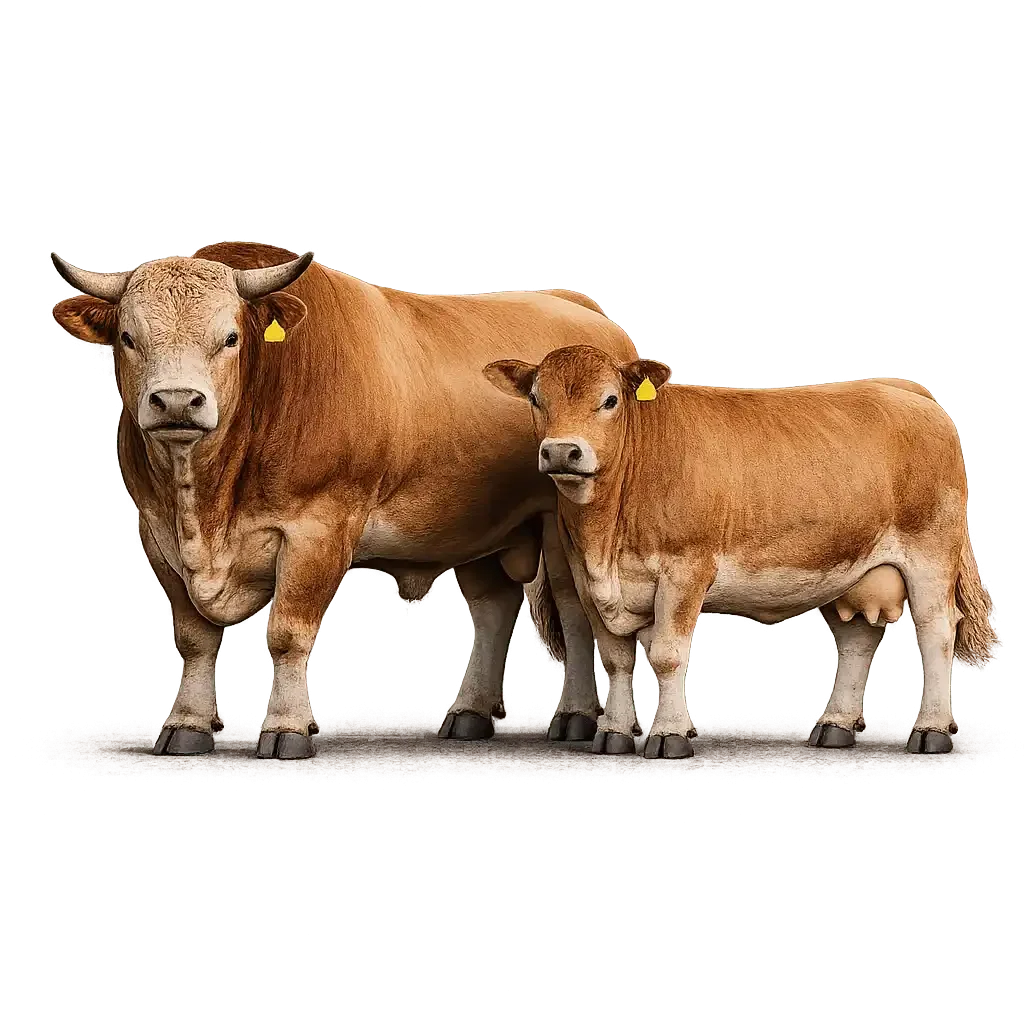
Jersey cattle are one of the oldest and most distinctive dairy breeds, instantly recognizable by their small size, elegant fawn coloring, and large, gentle eyes. Originating from the Isle of Jersey in the English Channel, these compact, efficient dairy cows have earned their place as the second-most popular dairy breed worldwide through their exceptional milk quality rather than quantity. Jersey milk boasts the highest butterfat and protein content of all major dairy breeds-typically 5.0-6.0% butterfat compared to 3.5% in Holsteins-making it ideal for premium dairy products like butter, cheese, ice cream, and cream. Despite their small stature (cows average only 900-1,000 lbs), Jerseys produce impressive volumes of nutrient-dense milk while requiring significantly less feed than larger breeds. Their gentle temperament, efficient feed conversion, rich milk composition, adaptability to various climates, and suitability for both small family dairies and large commercial operations have made Jerseys beloved by dairy farmers seeking efficiency, quality, and profitability in milk production. Pro Tip: For smaller farms or those focused on self-sufficiency, the Miniature Jersey offers the same high-quality milk in a much more efficient, smaller-framed package.
Origin & History
Origin: Isle of Jersey, British Channel Islands
Development Period: Developed over 600+ years in isolation on Jersey Island
Name Origin: Named after the Isle of Jersey where breed developed
Isolation: Imports to Jersey banned from 1789-2008 to preserve breed purity
Original Use: Dairy production on small island farms
U.S. Introduction: First imported to United States in 1850s
Recognition: American Jersey Cattle Association founded 1868
Modern Status: Second-most popular dairy breed worldwide after Holstein
Global Presence: Found in over 100 countries across six continents
Island Heritage: Strict island breeding maintained genetic purity for centuries
Physical Characteristics
Color: Light fawn to dark brown; may have white markings
Build: Small, refined, dairy-type conformation
Weight: Bulls 1,500-1,800 lbs; Cows 900-1,200 lbs
Height: Bulls 54-58 inches at shoulder; Cows 46-50 inches
Distinctive Features:
Smallest of major dairy breeds
Beautiful fawn to brown coloring with lighter shadings
Large, prominent, gentle eyes with long eyelashes
Black nose and switch (tail tip)
Refined, feminine appearance in cows
Well-attached, capacious udder for size
Angular, wedge-shaped dairy conformation
Dished face with broad forehead
Fine bone structure
Alert, intelligent expression
Reproduction & Breeding
Gestation Period: Approximately 279 days
Breeding Age: Heifers bred at 13-15 months for calving at 22-24 months
Calving: Excellent calving ease due to small calf size
Calf Birth Weight: 50-65 lbs (very manageable)
Calving Interval: Target 12-13 months for optimal production
Fertility: Excellent fertility and heat detection; breed back quickly
Breeding Season: Year-round breeding capability
Sexual Maturity: Bulls mature at 12-14 months; heifers 10-12 months
Crossbreeding: Often crossed with larger breeds to improve components
Lifespan & Productivity
Average Lifespan: 10-15 years
Productive Life: Average 4-6 lactations in commercial herds
Prime Production Years: 3rd through 6th lactations
Longevity: Often outlast larger breeds; can produce 8-10+ lactations
Stayability: Good cow longevity with proper management
Milk Production
Purpose: Specialized dairy breed-quality over quantity focus
Daily Production: 4-6 gallons per day (16-25 liters)
Annual Production: 12,000-18,000 lbs per lactation (elite cows 20,000+ lbs)
Lactation Period: 305 days standard; many milk 10+ months
Butterfat Content: 4.5-6.0% (highest of major dairy breeds)
Protein Content: 3.6-4.0% (excellent for cheese making)
Total Solids: Highest total solids of all dairy breeds
Milk Quality: Rich, creamy, golden-colored milk-premium for all dairy products
Component Efficiency: Produces more butterfat and protein per pound of body weight than any breed
Cheese Yield: Superior cheese yield due to high solids content
Cream Production: Excellent for butter, cream, and ice cream
Calf Growth & Development
Weaning Weight: 350-450 lbs at 8-10 weeks
Daily Gain: 1.5-2.0 lbs per day on good nutrition
Heifer Development: Heifers reach breeding weight (650-750 lbs) at 13-15 months
Feed Efficiency: Excellent efficiency for growth
Vigor: Calves are small but vigorous and hardy
Beef Value: Limited beef market value; dairy steers and culls sold at lower prices
Temperament
Jersey cattle are renowned worldwide for their exceptionally gentle, docile, and friendly temperament. They are among the calmest and most personable of all cattle breeds, often forming strong bonds with their caretakers. Jerseys are intelligent, curious, and affectionate animals that frequently seek human attention and interaction. Their large, expressive eyes seem to convey their gentle nature, and many Jersey owners describe them as having distinct personalities and even being "dog-like" in their affection.
This delightful temperament makes Jerseys ideal for family farms, first-time dairy farmers, children's projects, and operations emphasizing low-stress handling. Cows are easy to milk and manage in parlors, adapting quickly to routines. They demonstrate excellent maternal instincts without excessive protectiveness. Jersey bulls, while requiring proper respect like all bulls, are generally more manageable than bulls of larger breeds due to their smaller size and calmer disposition. The breed's combination of intelligence, gentleness, and willingness to work with humans creates dairy cattle that are not only productive but genuinely enjoyable to work with daily.
Meat Quality
Marbling: Limited marbling-lean meat
Flavor: Acceptable beef flavor but not premium
Tenderness: Variable; generally less tender than beef breeds
Grading: Typically grades Select or below
Dressing Percentage: 45-52% (lower than beef breeds)
Market Use: Primarily processed into ground beef or veal
Cull Cow Value: Lower beef value than larger dairy breeds
Crossbreeding: Jersey × beef breed crosses improve carcass quality
Feeding & Nutrition
Grazing: Excellent grazers; efficient on pasture-based systems
Feed Requirements: 30-40% less feed than Holsteins for similar component production
Daily Intake: 35-45 lbs dry matter per day
Water: 20-35 gallons per day depending on production and climate
Mineral Needs: Comprehensive mineral and vitamin supplementation required
Nutrition Management: High-quality rations essential for component production
Efficiency: Produces more milk solids per pound of feed consumed
Pasture Preference: Thrive on grass-based and grazing dairies
Component Focus: Nutrition programs target fat and protein production
Health & Care
Hardiness: Generally hardy with good disease resistance
Common Issues: Milk fever, mastitis (as with all dairy cattle); generally healthy
Vaccinations: Standard dairy cattle vaccination programs
Parasite Control: Regular deworming and parasite management
Hoof Care: Regular trimming needed; good hoof health overall
Climate Adaptation: Adapt to various climates worldwide
Heat Tolerance: Excellent heat tolerance-better than Holsteins
Cold Tolerance: Good cold hardiness with proper shelter
Size Advantage: Smaller size reduces metabolic stress
Longevity: Often live longer productive lives than larger breeds
Small Dairy & Grazing Suitability
Space Efficiency: Smaller size allows more cows per acre
Family Dairy: Perfect size and temperament for family milk cows
Grazing Systems: Excel in rotational grazing and grass-based dairies
Organic Production: Popular in organic and sustainable dairy systems
Handling Ease: Size makes handling easier for all ages and abilities
Infrastructure: Require smaller facilities than larger breeds
Pasture-Based: Thrive in New Zealand-style grazing dairies
Advantages
Highest butterfat and protein content of major dairy breeds
Exceptional feed efficiency-produces more components per pound consumed
Smaller size reduces facility, feed, and space requirements
Exceptionally gentle, docile, friendly temperament
Easy calving due to small calf size
Excellent heat tolerance compared to larger breeds
Rich, golden milk ideal for premium dairy products
Superior cheese yield due to high milk solids
Adapt well to grazing and pasture-based systems
Lower maintenance costs than larger breeds
Good longevity and productive life
Produce more milk solids per pound of body weight than any breed
Ideal for small family dairies
Excellent fertility and breed-back performance
Beautiful, distinctive appearance
Disadvantages
Lower total milk volume than Holsteins
Minimal beef value for steers and cull cows
Require component-based milk pricing to be most profitable
Small size means less total milk per cow
High-fat milk can be disadvantage in fluid milk markets preferring 2% or skim
Not suitable for operations focused solely on milk volume
May require crossbreeding to produce marketable beef calves
Smaller body size limits cull cow salvage value
Best Suited For
Small family dairies seeking 2-6 cows
Grass-based and rotational grazing operations
Organic and sustainable dairy farms
Premium dairy product producers (butter, cheese, ice cream)
Operations paid on milk components rather than volume
Small-scale farmstead cheese and yogurt makers
Homesteaders wanting fresh milk for family use
Hot climate regions where heat tolerance is essential
First-time dairy farmers seeking manageable cattle
Children's 4-H and FFA dairy projects
Agritourism farms featuring gentle, beautiful cattle
Crossbreeding programs to improve milk components
Operations with limited space or facilities
Economic Considerations
Initial Cost: $1,800-$3,500 for bred heifers; $2,500-$4,500+ for proven cows
Return on Investment: Excellent efficiency makes them highly profitable per pound of feed
Feed Costs: 30-40% less feed than Holsteins for similar component production
Infrastructure: Lower facility costs due to smaller size
Component Pay: Thrive under milk payment systems rewarding butterfat and protein
Premium Products: Milk commands premiums in specialty dairy markets
Efficiency Value: Highest component production per feed dollar invested
Longevity: Extended productive life spreads initial investment
Genetic Value: Quality breeding stock commands good prices
Component Production Efficiency
Butterfat Yield: 600-900+ lbs butterfat per lactation
Protein Yield: 450-650+ lbs protein per lactation
Feed Conversion: Produces more milk solids per pound of feed than any breed
Body Weight Efficiency: Produces more butterfat per 100 lbs body weight
Profitability: Most efficient dairy breed under component pricing
Cheese Production: 10-12% more cheese per 100 lbs milk than Holstein milk
Fun Facts
Jersey milk is naturally golden-colored due to high beta-carotene content
The Isle of Jersey banned cattle imports from 1789-2008 to preserve breed purity-over 200 years!
Jersey milk can contain over 18% more protein and 20% more calcium than Holstein milk
Despite being smallest dairy breed, Jerseys produce more milk solids per pound of body weight
A Jersey cow produces the milk equivalent of her body weight every 5-6 days
Jersey cattle were brought to America in the 1850s and quickly became popular
The American Jersey Cattle Association (est. 1868) is one of oldest U.S. breed registries
Jersey milk makes superior ice cream due to high butterfat-many premium ice creams specify Jersey milk
Jerseys can thrive in climates from tropical to subarctic
A gallon of Jersey milk weighs more than a gallon of Holstein milk due to higher solids
Jersey cows have been called "the mortgage lifters" for their efficiency and profitability
The breed has Large, liquid eyes with long eyelashes are a Jersey trademark
Jersey milk is preferred by artisan cheesemakers worldwide
New Zealand's dairy industry is predominantly Jersey and Jersey-cross cattle
A Jersey cow can produce her body weight in milk every 5-7 days during peak lactation
The smallest Jersey cows can weigh under 800 lbs yet produce 12,000+ lbs of milk yearly
Small but mighty in flavor, the yellow-fat beef of the Jersey is a delicacy; learn where to find the best steaks in our beef cuts guide.